Sabitlenmiş Tweet
Rwangakugwabira
48.4K posts

Rwangakugwabira
@rukwebi
Inkuba yo ku ruge ihoza inkwaya mu mihigo
Intaho ya Rwagisha Katılım Mart 2019
1.5K Takip Edilen1.1K Takipçiler
Rwangakugwabira retweetledi

@rukwebi @PSAUME32 @imfuraluc01 Bageze kure cyane, binjira muri monde digital. Hari ibiganiro biri kugenda bikorwa mu rwego rwo guhuza AI n’imyemerere. AI iri kwiruka cyane byo kubarusha imbaraga ifite. washingtonpost.com/technology/202…
Indonesia

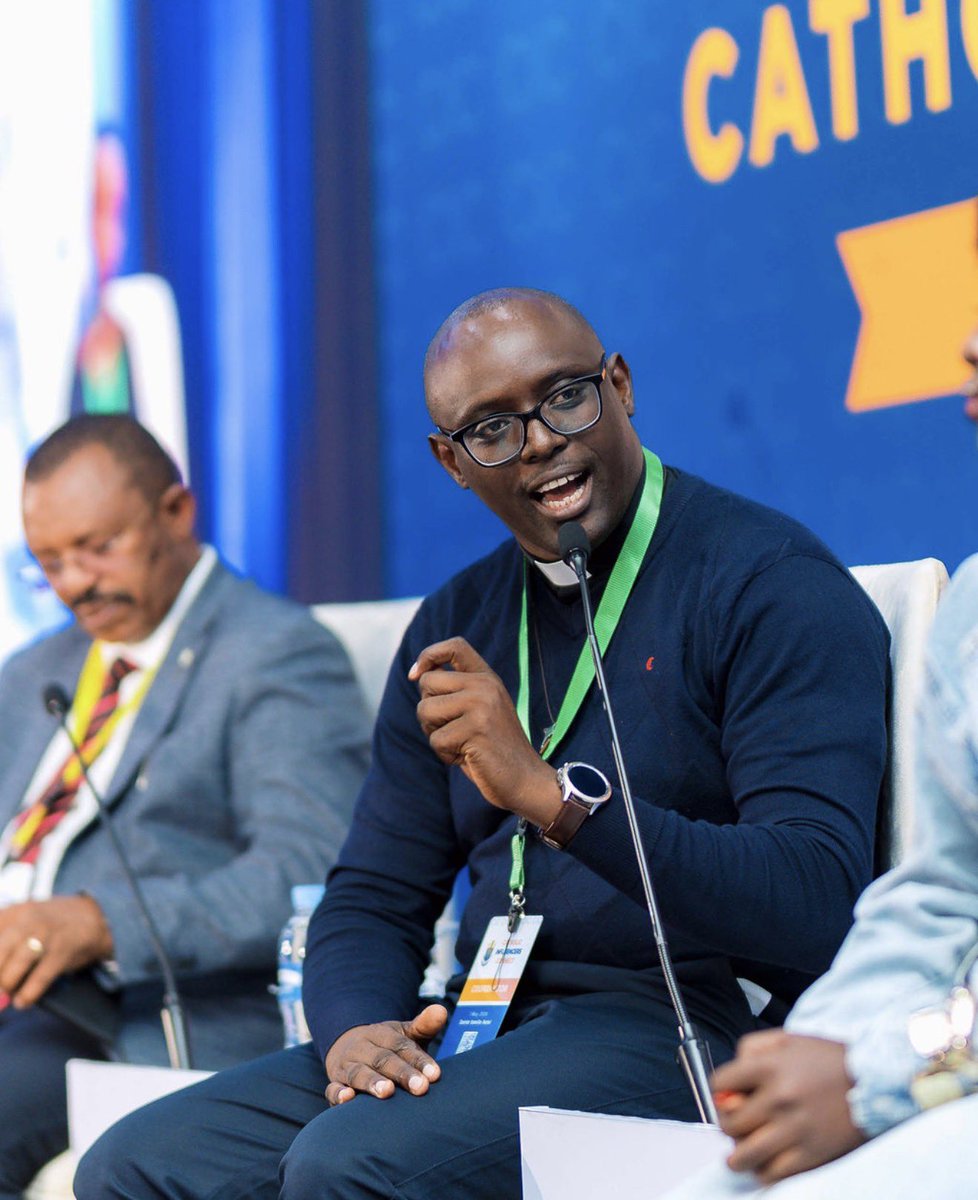
“ NTA MPAMBA N’IMWE ITAGIRIRA AKAMARO ROHO MU GIHE YABA ITANZWE NEZA KANDI YUZUYE.” - PADIRI JEAN BAPTISTE.
Catholic Influencers Connect 2026! 🙏
Ni Byiza Ko Abakoresha Imbuga Nkoranyambaga Tuzirikana Gukoresha imbuga neza, Tunatambutsa ubutumwa Bugirira akamaro abaziriho, Badukurikira.
WOWE UKORESHA UTE IMBUGA NKORANYAMBAGA ZAWE?
@bbkigalifm 89.7 FM


Indonesia

@rukwebi @imfuraluc01 @lambert_kwizera ‼️🧠+👅Roho Mutagatifu uyobora impumyi abarebere mu cyoko, naho ubundi aha bene Adamu inzuzi zahuguse👥

@imfuraluc01 Abapadiri benshi ni abahanga cyane mu buzima bw'imitekerereze ya muntu, ku buryo aricyo cyatumye Abemera-Mana Gatolika bemera(aveuglement) imigenzo n'imfashanyigisho zimwe na zimwe kugeza ubu zitakigezweho. Nibadahindura, ibihindiro bizarwara ingese.......
Indonesia
Rwangakugwabira retweetledi

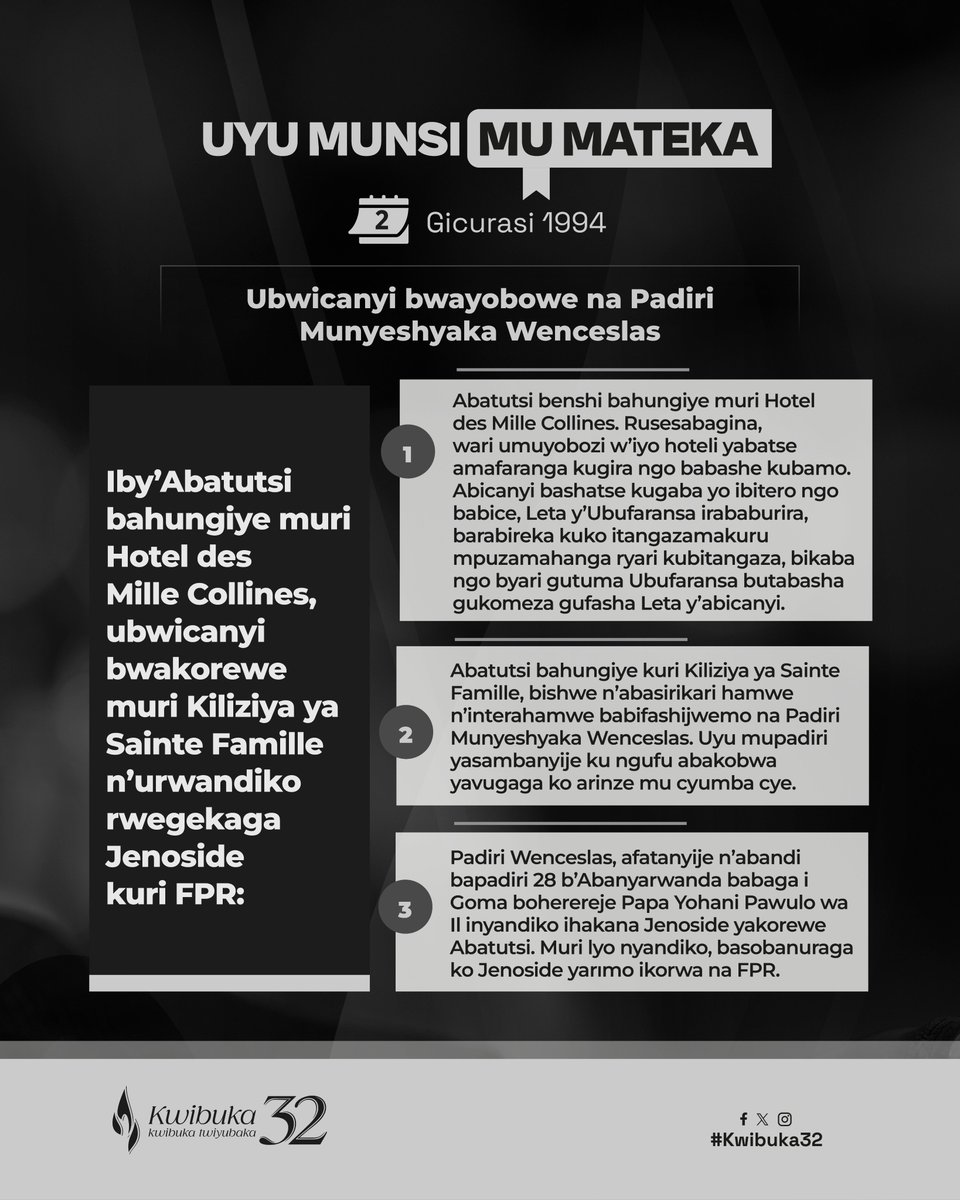
UYU MUNSI MU MATEKA
Ku wa 2 Gicurasi 1994, Abatutsi bahungiye kuri Hotel des Mille Collines, basabwe kwishyura kugira ngo babashe kuba muri Hoteli.
Kuri Kiliziya ya St. Famille, hishwe Abatutsi benshi, Padiri Wenceslas ari mu bagize uruhare muri ubwo bwicanyi.
Kwibuka, twiyubaka.
---
TODAY IN HISTORY
On 2 May 1994, Tutsi seeking refuge at Hotel des Mille Collines were forced to pay for safety and shelter.
Meanwhile, at St. Famille Catholic Church, Father Wenceslas Munyeshyaka and other perpetrators killed many Tutsi.
Remember, unite, renew.
---
CE JOUR-LÀ DANS L’HISTOIRE
Le 2 mai 1994, les Tutsi cherchant refuge à l’Hôtel des Mille Collines ont eté contraints de payer pour leur sécurité et leur abri. Pendant ce temps, à l’église catholique St. Famille, le Père Wenceslas Munyeshyaka et d’autres génocidaires ont tué de nombreux Tutsi.
Se souvenir, batir, ensemble.
#Kwibuka32


Indonesia
Rwangakugwabira retweetledi

"La cocaína que se vendía en los barrios negros de EEUU, provenía de la CIA y del gobierno que lo usaban para financiar la guerra en Centroamérica. La droga salía de los políticos y las agencias federales".
Gary Webb, también fue "suicidado" con 2 disparos en la cabeza, tras exponer en 2002 cómo la CIA traficaba con droga con el fin de financiar sus guerras imperialistas.
Daniel Mayakovski@DaniMayakovski
"Como alguien que fue detective de narcóticos de la policía de Los Ángeles, le digo que la agencia de la CIA ha traficado drogas por todo este país durante mucho tiempo". Michael Ruppert, agente de narcóticos de Los Angeles, confrontó al director de la CIA, John Deutch, en 1996, exponiendo a la CIA como un agente en el narcotráfico mundial. Ruppert fue encontrado "suicidado" en 2014, junto a su domicilio, con un disparo en la cabeza, tras dedicar su vida a exponer los vínculos de la CIA con el narcotráfico.
Español
Rwangakugwabira retweetledi

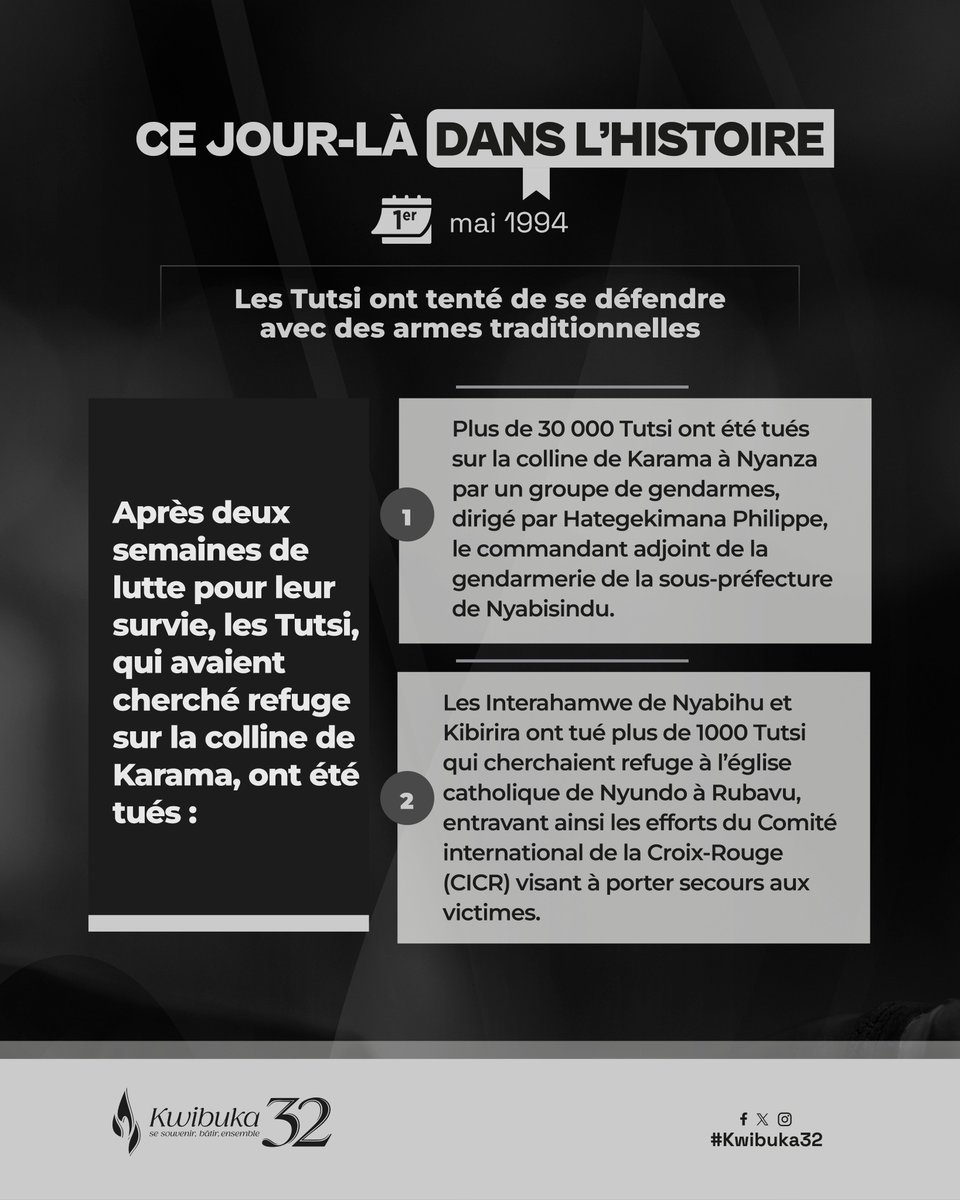
Mu minsi ibanza y’ukwezi kwa Gatanu mu 1994, Abatutsi amagana n’amagana bakomeje kwicwa nubwo bakomeje kwirwanaho. Abatutsi bari bahungiye ku musozi wa Karama mu Karere ka Nyanza birwanyeho kuva ku wa 18 Mata kugeza ku wa 1 Gicurasi, ubwo Interahamwe, Abapolisi n’Abasirikari babateraga mu gitero cyamaze amasaha ane.
Naho abatutsi bari bahungiye muri Hotel des Milles Collines i Kigali bishyuraga amafaranga Rusesabagina Paul wayiyoboraga muri icyo gihe ngo babone ubuhungiro, ndetse bakomeje guterwa ubwoba na Leta y’abajenosideri yashakaga Kubica. Tega amatwi iki kiganiro cya Minisitiri @DrDamascene usobanukirwe kurushaho. youtube.com/watch?v=QYC37l…
---
In the early days of May in 1994, hundreds of Tutsi continued to be killed despite their efforts to defend themselves. Tutsi who had taken refuge on Karama hill in Nyanza District resisted from 18th April until 1st May, when Interahamwe militias, police, and soldiers attacked them in an assault that lasted four hours.
Meanwhile, Tutsi who had sought refuge at Hôtel des Mille Collines in Kigali were paying money to Paul Rusesabagina, who was managing it at the time, in order to receive protection, while they continued to be threatened by the genocidal government that sought to kill them. Listen to this talk by Minister @DrDamascene to better understand. youtube.com/watch?v=pXDmIy…
---
Au début du mois de mai 1994, des centaines de Tutsi ont continué d’être tués malgré leurs efforts pour se défendre. Les Tutsi réfugiés sur la colline de Karama, dans le district de Nyanza, ont résisté du 18 avril au 1er mai, date à laquelle les milices Interahamwe, des policiers et des soldats les ont attaqués lors d’une offensive qui a duré quatre heures.
Par ailleurs, les Tutsi réfugiés à l’Hôtel des Mille Collines à Kigali payaient de l’argent à Paul Rusesabagina, qui en était le gestionnaire à l’époque, afin d’y obtenir protection, tout en continuant d’être menacés par le gouvernement génocidaire qui cherchait à les tuer. Écoutez cette intervention du ministre @DrDamascene pour mieux comprendre. youtube.com/watch?v=vjkyN6…
#Kwibuka32

YouTube

YouTube

YouTube
Filipino
Rwangakugwabira retweetledi

UYU MUNSI MU MATEKA
Ku wa 1 Gicurasi 1994, Abatutsi bari bahungiye ku musozi wa Karama bagabweho igitero gikomeye kirimo Interahamwe, abapolisi n’abasirikari. Abatutsi barenga 30.000 ni bo biciwe kuri uwo musozi.
Kwibuka, twiyubaka.
---
TODAY IN HISTORY
On 1 May 1994, more than 30,000 Tutsi, who had sought refuge on Karama Hill, were attacked and killed by a large group of Interahamwe, police and the army.
Remember, unite, renew.
---
CE JOUR-LA DANS L’HISTOIRE
Le 1er mai 1994, plus de 30 000 Tutsi, qui avaient cherché refuge sur la colline de Karama, ont été attaqués et assassinés par un groupe conséquent d’Interahamwe, de policiers et membres de l’armée.
Se souvenir, bâtir, ensemble.
#Kwibuka32


Indonesia
Rwangakugwabira retweetledi

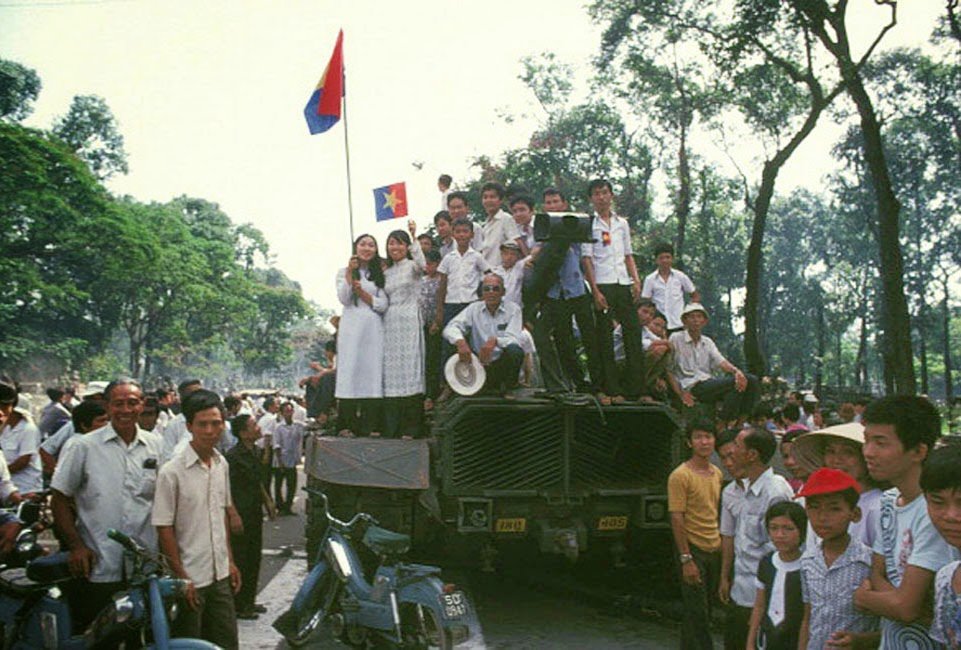
Un 30 de abril de 1975, las tropas del Ejército Popular de Vietnam entraban en Saigón, haciendo huir al ejército de EEUU como alimañas, poniendo así fin a la agresión imperialista que tenía dividido al pueblo de Vietnam durante 2 décadas.
La mítica imagen de los estadounidenses huyendo como cobardes en helicóptero de la embajada de Saigón, fue el símbolo de la humillación a un imperio que perpetró un auténtico genocidio contra Vietnam (con más de 3 millones de asesinados) y que ni con el uso de una brutalidad inaudita pudo doblegar a un pueblo valiente y digno.
La aviación estadounidense lanzó 7,8 millones de toneladas de bombas sobre Vietnam, Laos y Camboya, más que todas las usadas en la Segunda Guerra Mundial por ambos bandos y la mayor cantidad de bombas lanzadas registrada hasta hoy en un solo conflicto armado.
Durante más de una década, los genocidas de EEUU rociaron con armas químicas los bosques de Vietnam, con el Agente Naranja creado por la empresa Monsanto, que sigue matando y provocando daños cerebrales desde el nacimiento 50 años después, además del mayor destrozo medioambiental de la historia, acabando con el ecosistema y pudriendo la tierra.
La retirada progresiva de EEUU en Vietnam finalizaría este 30 de Abril de 1975, con la caída de Saigón, que provocaría la evacuación total de los imperialistas estadounidenses, la destrucción de todos sus vehículos militares en suelo vietnamita y la huida de sus criminales colaboradores.
EEUU pagaría su criminal invasión a Vietnam con más de 58.000 soldados liquidados y 300.000 heridos, su mayor daño militar desde la Segunda Guerra Mundial.
Español
Rwangakugwabira retweetledi

Here is the thing about "they could have won if they wanted to."
This argument, the stab-in-the-back myth of the American War, is that the U.S. was winning militarily in Vietnam but was undermined by weak political will at home.
That the antiwar movement, the media, the politicians, they're the ones who lost the war.
Not the military.
This is a lie that powerful institutions tell themselves to avoid the real lesson.
The military had everything it asked for.
Escalation after escalation was approved.
Year after year of increased bombing, increased troop deployments, increased resources.
Every time a general said "more," they got more.
543,400 troops at the peak.
2,709,918 Americans deployed to Vietnam in total.
Then more bombs.
Then secret wars in three countries.
That is not "holding back."
That is not "almost trying."
That is an empire exhausting its options and later calling failure restraint.
They got all of it.
And it made no difference.
Because the fundamental problem was not resources.
The problem was that the goal, to establish a compliant South Vietnamese government that would suppress its own population on behalf of American strategic interests, was a goal that could not be achieved by bombing.
You cannot bomb a population into wanting a government it doesn't want.
You cannot napalm a country into political legitimacy.
The war was unwinnable because the premise was illegitimate.
No amount of firepower changes that.
No stab-in-the-back story changes that.
Vietnam showed the world that the premise itself could be defeated.

English
Rwangakugwabira retweetledi

“Roots, rock, reggae, this a reggae music” 💚💛❤️ Celebrating the 50th anniv. of Rastaman Vibration with a ltd. ed. vinyl release feat. a special textured LP jacket that brings to life the original printed hemp-like cover.
🛍️ bobmarley.lnk.to/rastamanvibrat…
English
Rwangakugwabira retweetledi

#TalDíaComoHoy de 1975, el Ejército Popular de Vietnam y los combatientes del Frente Nacional de Liberación de Vietnam del Sur (Viet Cong) entraron victoriosos en Saigón, poniendo fin a una de las guerras más brutales del siglo XX y abriendo el camino a la reunificación de Vietnam.
La raíz del conflicto estuvo en los Acuerdos de Ginebra de 1954, que tras la derrota colonial francesa en Dien Bien Phu establecieron una división temporal del país y preveían elecciones generales en 1956 para reunificar Vietnam. Pero el gobierno de Vietnam del Sur, apoyado por Estados Unidos, se negó a cumplir lo pactado, consciente de que unas elecciones libres habrían dado la victoria a Ho Chi Minh y a las fuerzas revolucionarias del norte.
A partir de ahí, la promesa de la paz fue sepultada por la injerencia imperialista. La represión del régimen survietnamita, la persecución contra los sectores populares y la intervención creciente de EE. UU convirtieron el país en un campo de batalla. La guerra se desarrolló como una resistencia heroica del pueblo vietnamita frente a una maquinaria militar inmensamente superior, que respondió con bombardeos masivos, napalm, destrucción y ocupación.
Pero Vietnam no fue vencido.
Entre la lucha del norte y la resistencia del sur, se forjó una victoria histórica contra el régimen títere survietnamita y EE. UU. Aquel 30 de abril de 1975, la bandera de la liberación ondeó sobre Saigón. Vietnam volvía a ser una.
“La victoria vietnamita demostró que incluso el adversario más poderoso puede ser vencido cuando se enfrenta a un pueblo movilizado, políticamente consciente y dispuesto a sostener una guerra prolongada por su liberación nacional.”
-Giáp, V. N. (1977): Guerra del pueblo, ejército del pueblo.


Español