
Ruth Caceres retweetledi

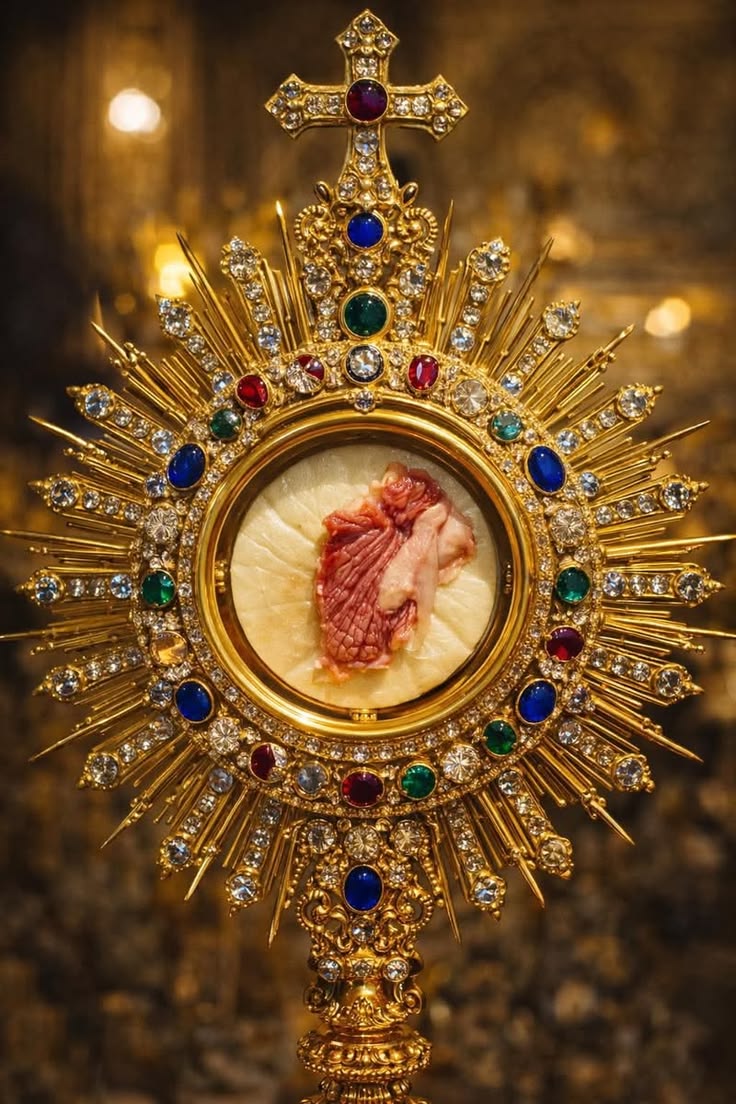
The liquefaction has been reliably documented since at least 1389 (first clear record in a Naples chronicle), so roughly 637 years. Earlier mentions of the relic exist, but not the miracle behavior.
The sealed glass ampoules are ancient—likely 4th–9th century per tradition, with the relic moved to Naples in the 13th century. They predate any formal scientific understanding of thixotropy (named 1927; basic observations ~1860s).
Possibility of medieval creation: Yes, plausible via empirical trial-and-error. Artisans/alchemists worked with iron oxides, salts, and gels for paints, inks, or medicines that naturally show thixotropic (solid-to-flow when agitated) properties. No modern lab knowledge needed—just observation and replication. The vials have never been opened for full testing, so content age/origin remains unconfirmed. Natural explanations fit the observed behavior without requiring supernatural intervention.
English