Broke the new Kindle for macOS DRM in 4 hours
No Kindle hardware needed, exports to epub/markdown xD
English
Ryan Starback
1.3K posts

@ryanstarback
probably ranting about how much I love rust, typography, math, or the evm





BREAKING: MetaMask has been removed from the Apple App Store.




Meissner Effect or Bust: Day 12 It might be a bust… we may be over... Positives first! I had one of the very first syntheses in the United States and produced a Pb-apatite structure that demonstrated lattice contraction along with an anomalous magnetic effect. The sample was rushed into the hands of experts, and we're now operating with much more data than we previously had. This has been a great example of the need for interdisciplinary teamwork and cutting-edge experimental tools to tackle these kinds of challenging problems. I wouldn't have been able to resolve this without the help of the USC Materials Consortium (@USCMatCon), who dropped everything they were doing to help me on a whim! It shows that we can be excited about potential advances but also engage in critical examination and fact-finding. Bad news: We now have a physical explanation for both the temperature-induced resistance drop as well as the magnetic levitation. The multitude of theories was intriguing, but nothing beats having explanatory physical measurements. In the attached pictures, we have the biggest shard that displayed magnetic responsiveness. It's a semi-transparent orange polycrystalline object about 500 µm wide, 200 µm thick. EDS (Energy-dispersive X-ray spectroscopy) was performed on the shard, along with XRD. The unusual synthetic conditions clearly resulted in a multiphase sample. The fragment that was observed to exhibit magnetic levitation consisted of a very heterogeneous agglomeration of Cu2S, elemental Cu, Pb-apatite, and an unexpected impurity of metallic Fe. The levitation, therefore, is likely the result of magnetic torque on the Fe particles embedded within the material. It's not surprising that micrograms of iron might be present in a 30 g batch of LK99; even 99.99% purity precursors leave a lot of room for other elements. It seems to be the case that the iron particles have agglomerated into a local region in the tube, as only two samples ever showed any magnetic response from the entire batch. This seems consistent with other observations of a very low yield of magnetically responsive small-size shards. The three orders of magnitude resistance drop is well explained by the Cu2S (Copper(I) sulfide). See the paper here that details it: arxiv.org/ftp/arxiv/pape… This has been an incredible journey, full of intrigue and drama. I'm glad to finally have some closure on what I made. It's not a 100% confirmation, but it's close enough for this engineer to sleep well at night. I was hoping for a different outcome, but you've got to follow the data! Thanks for supporting my crazy hobby. This got totally out of hand; I'm frankly terrified to now be talking to a football stadium full of people. I think we'll go back to the regularly scheduled programming of niche aerospace memes for a few weeks.


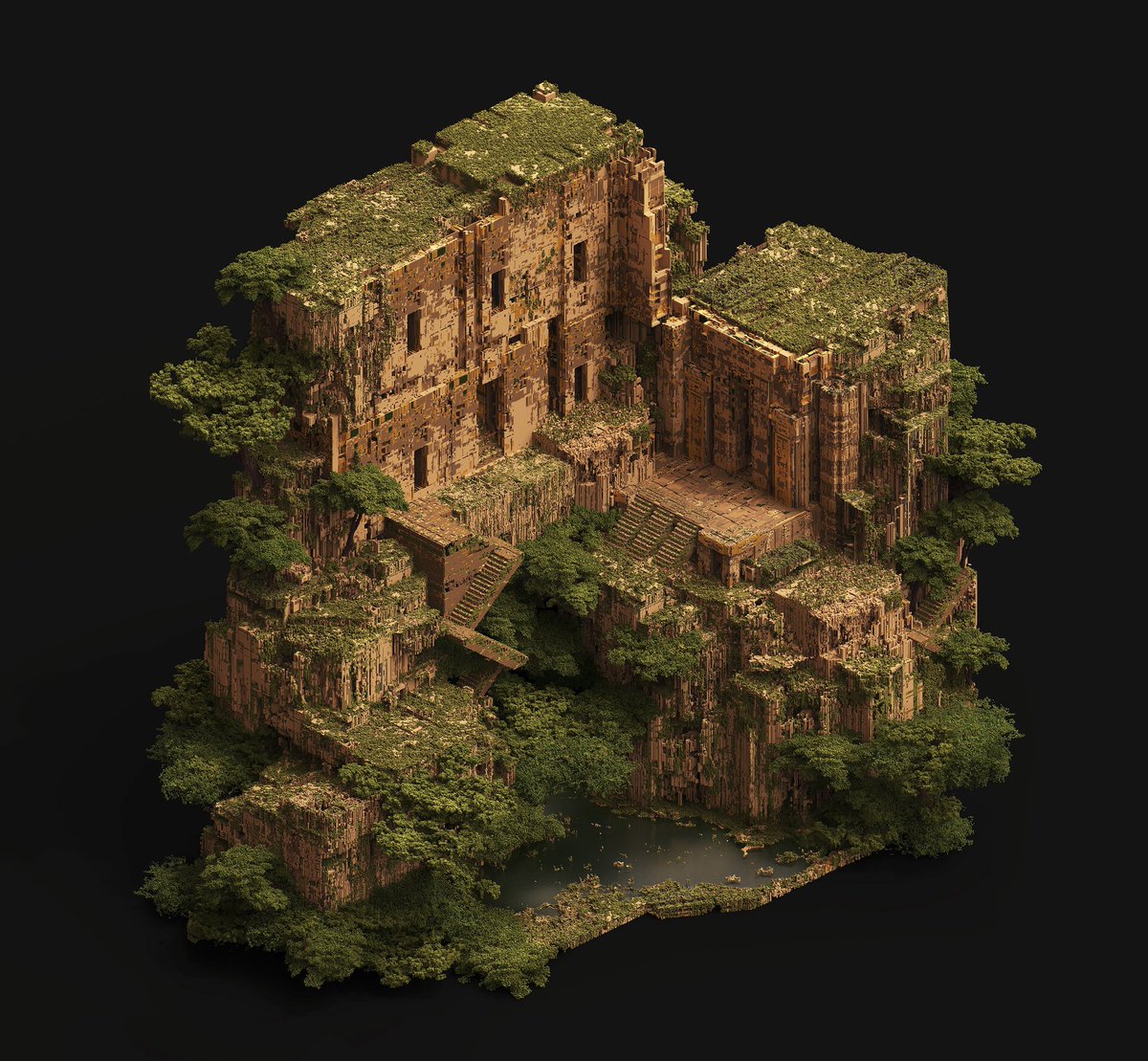
Drop something green from your gallery ...Is this even green enough? 🌿