AylaYulen
393 posts


AylaYulen
@sAylaYule
The future is now, and now is the future.....








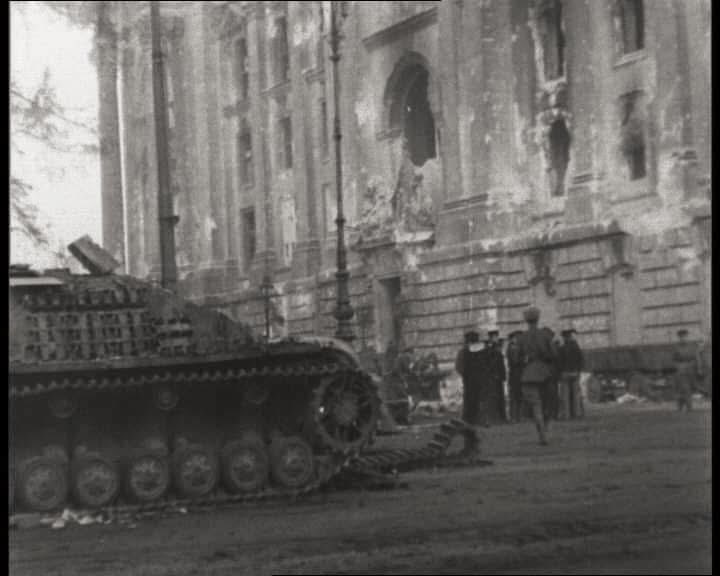
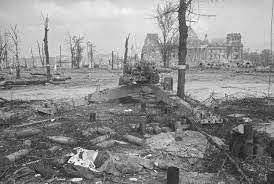
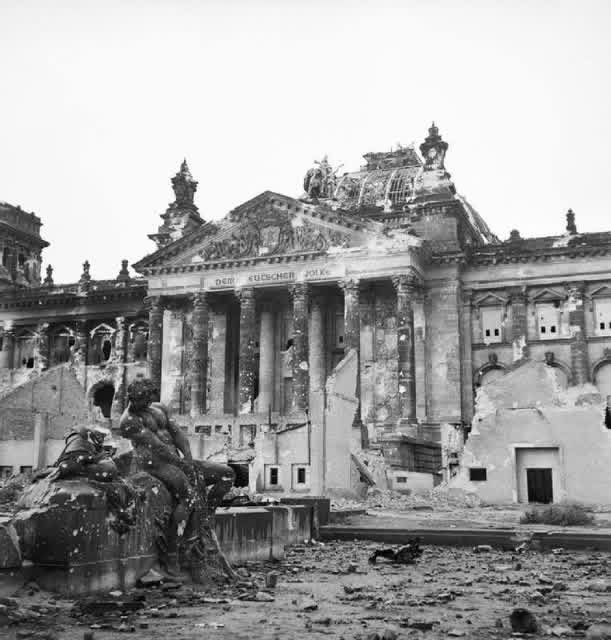
What was happening on May 1, 1945 on the Eastern Front? Let’s get into it ! Early on May 1, German radio from Hamburg announced Adolf Hitler’s death and named Grand Admiral Karl Dönitz as his successor and head of the Reich. Dönitz declared it his duty to save the German people " from destruction by the Bolshevists, " signaling his intent to continue fighting the Red Army while seeking terms with the Western Allies. In the Führerbunker, Propaganda Minister Joseph Goebbels opposed surrender. That afternoon, he and his wife Magda poisoned their six children with cyanide before committing suicide. Martin Bormann disappeared during the chaos and was later presumed killed while attempting to flee, though his remains were only confirmed much later. These events removed the last fanatical leadership, allowing local commanders to consider surrender, though no immediate general capitulation followed. By May 1, the German garrison in Berlin had shrunk from roughly 45,000 to 60,000 troops to about 10,000 combat-effective soldiers, concentrated in a small central pocket around the government district and Tiergarten. Key Red Army actions: The 8th Guards Army under General Vasily Chuikov pushed through the southern Tiergarten. The 3rd Shock Army under General Vasily Kuznetsov advanced from the north, splitting the remaining German-held zone. Heavy house-to-house fighting, artillery barrages, and street combat continued, targeting strongpoints such as the Air Ministry on Wilhelmstrasse. By nightfall, the Red Army had tightened control over central Berlin, leaving only isolated pockets of resistance. Early that day, General Hans Krebs contacted Red Army commanders on behalf of Berlin’s commander, General Helmuth Weidling. He informed them of Hitler’s death and attempted to negotiate surrender terms. The Soviets demanded unconditional surrender. Krebs claimed he lacked authority to agree, and the talks collapsed. Weidling then authorized a mass breakout attempt for the night of May 1 to 2. Remnants of the garrison tried to escape westward through the Tiergarten and across the Havel River toward Spandau and potential Western Allied lines. Most attempts failed, with only small groups breaking through. The majority were killed or captured. By the end of May 1, the Red Army controlled nearly all of Berlin except scattered SS holdouts. The city was devastated, with heavy civilian casualties from fighting and bombardment. The formal surrender followed early on May 2. Outside Berlin, elements of the German 9th Army under General Theodor Busse, originally about 80,000 men, had been encircled by Soviet forces from Zhukov’s and Konev’s fronts, totaling around 280,000 troops. Their attempts to break west and link with the 12th Army under General Walther Wenck largely failed. By May 1, the 9th Army was effectively destroyed after intense fighting in forests under constant artillery, air attack, and rocket fire. About 30,000 were killed, roughly 25,000 escaped westward, and thousands of civilians died. This failure sealed Berlin’s fate. The 12th Army itself was retreating toward the Elbe, attempting to reach U.S. forces. Elsewhere on the Eastern Front: In the north, Army Group Kurland remained isolated in Latvia and held its positions until surrendering on May 8. In the south, the Red Army continued consolidating gains after capturing Vienna on April 13. No major offensives occurred on May 1, though fighting continued in areas like Breslau and around Olmütz as German Army Group Center under General Ferdinand Schörner disintegrated. The Prague Offensive would begin on May 6.