Sabitlenmiş Tweet

本日のチュートリアル講演の資料です。これからVisual SLAMを勉強される方に必要な知識をできるだけ体型的にまとめました。ご参考になれば幸いです。
Visual SLAM入門 〜発展の歴史と基礎の習得〜
speakerdeck.com/ksakurada/visu…
日本語
Ken Sakurada
4.2K posts
@sakuDken
Interests: Computer Vision, Robotics. ツイートは個人の見解であり所属団体とは関係ありません。
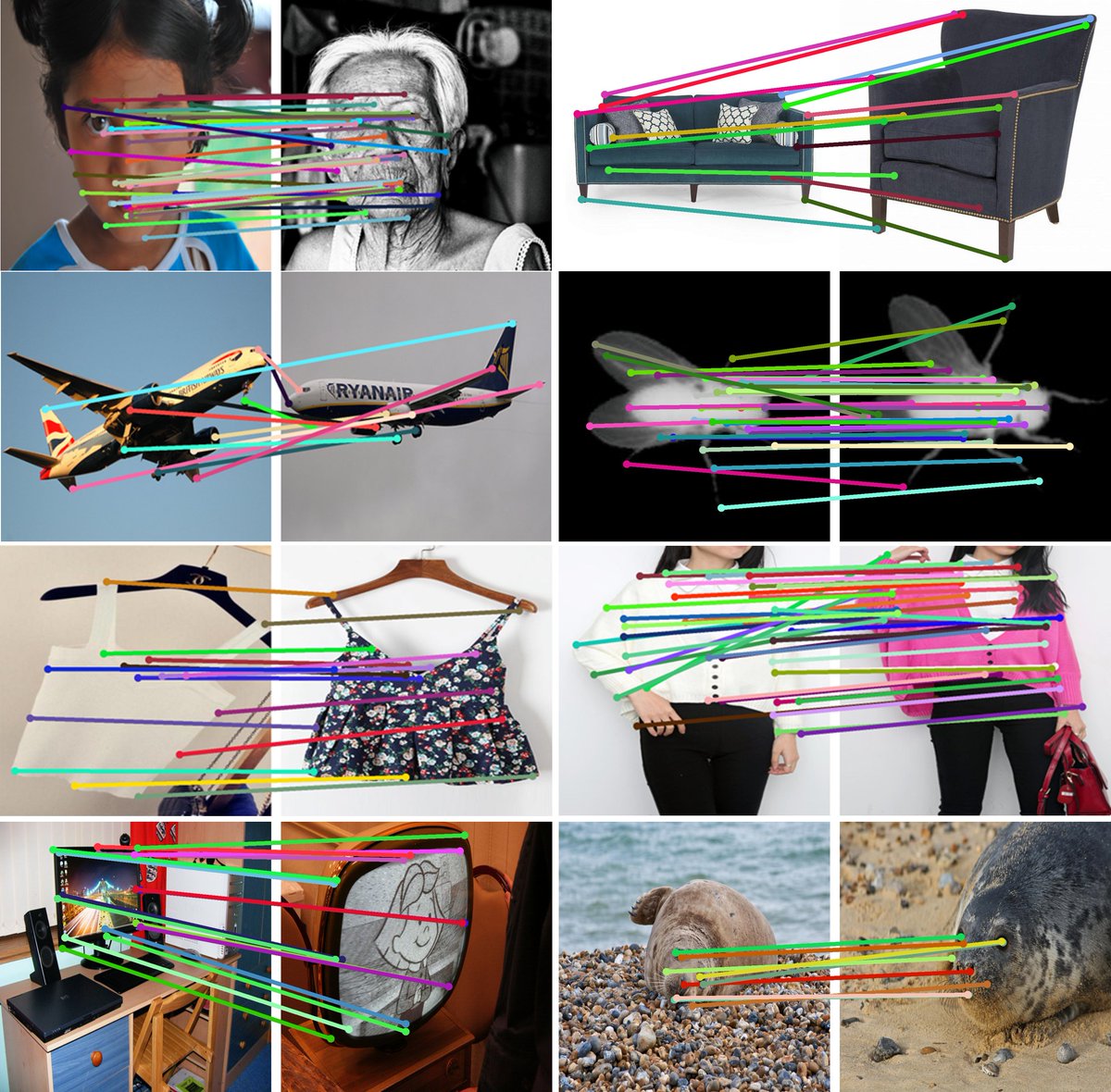

ムーンショット目標3にPMとして採択されました! ヒューマノイド×機械学習の若手研究者らを総動員して最高のヒューマノイドを開発します! 若手研究者よ、集まれ! jst.go.jp/moonshot/news/…


How do we make LLMs faster and lighter? Don’t force the GPU to adapt to sparsity. Reshape the sparsity to fit the GPU! ⚡️ Excited to share our new #ICML2026 paper in collaboration with @NVIDIA: "Sparser, Faster, Lighter Transformer Language Models". This work introduces new open-source GPU kernels and data formats for faster inference and training of sparse transformer language models: Paper: arxiv.org/abs/2603.23198 Blog: pub.sakana.ai/sparser-faster… Code: github.com/SakanaAI/spars… While LLMs are undoubtedly powerful, they are increasingly expensive to train and deploy, with a large part of this cost coming from their feedforward layers. Yet, an interesting phenomenon occurs inside these layers: For any given token, only a small fraction of the hidden activations actually matter. The rest approximate zero, wasting computation. With ReLU and very mild L1 regularization, this sparsity can exceed 95% with little to no impact on downstream performance. So, can we leverage this sparsity to make LLMs faster? The challenge is hardware. Modern GPUs are optimized for dense matrix multiplications. Traditional sparse formats introduce irregular memory access and overheads that cancel out their theoretical savings for GEMM operations. Our contribution is twofold: 1/ We introduce TwELL (Tile-wise ELLPACK), a new sparse packing format designed to integrate directly in the same optimized tiled matmul kernels without disrupting execution. 2/ We develop custom CUDA kernels that fuse multiple sparse matmuls to maximize throughput and compress TwELL to a hybrid representation that minimizes activation sizes. We used our kernels to train and benchmark sparse LLMs at billion-parameter scales, demonstrating >20% speedups and even higher savings in peak memory and energy. This work will be presented at #ICML2026. Please check out our blog and technical paper for a deep dive!

Meet LA-Pose. Our latest model taking Wayve another step towards generalization at scale. LA-Pose employs large-scale self-supervised learning, building strong motion representations for 3D perception from 10.2 million unlabeled driving video snippets, unlike today's strongest approaches that often depend on expensive, carefully curated 3D supervision. With only a lightweight pose head and limited labelled data, LA-Pose achieves: 📷 State-of-the-art camera pose estimation 🌎 Strong zero-shot generalization across diverse driving scenarios 🏷️ Orders of magnitude less labelled data than fully supervised 3D approaches Our full blog post: wayve.ai/thinking/la-po… Explore the full paper here: la-pose.github.io


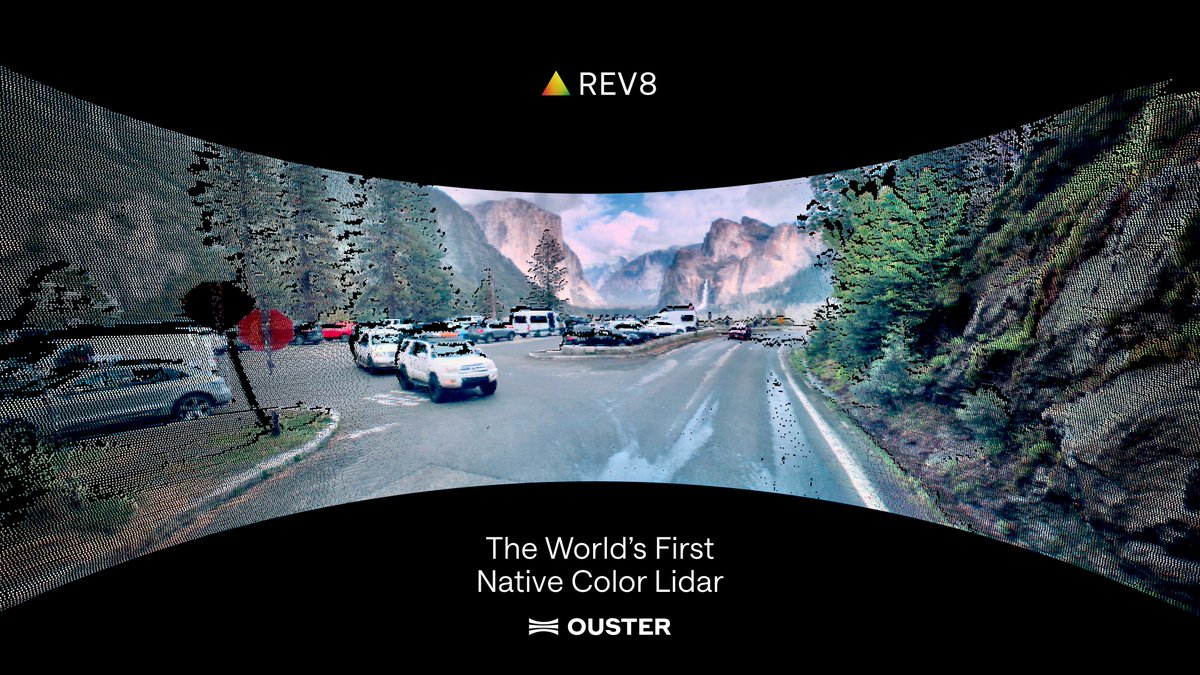

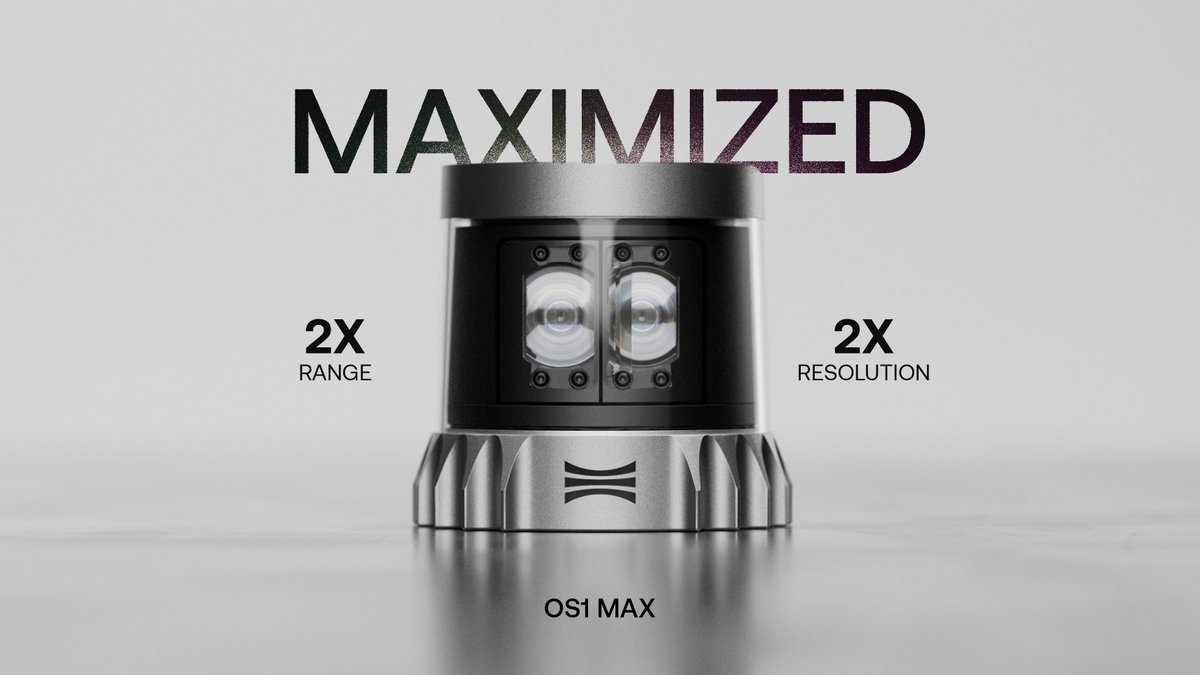



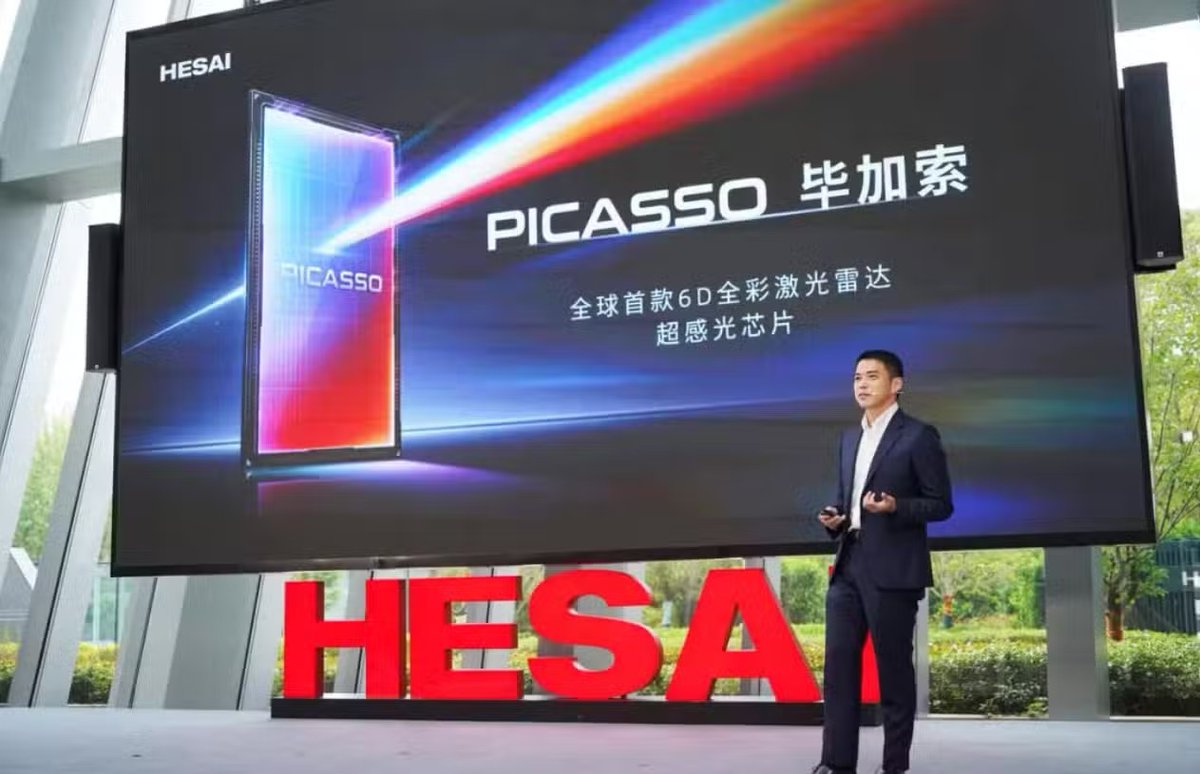



2026年度発足のCREST・さきがけ・ACT-X 新規研究領域はこちらです。 各領域の詳細は、募集HPの「提案を募集する研究領域」からそれぞれの領域のページに入ってご確認ください。 jst.go.jp/kisoken/boshuu…