Roberts Samtins

2.4K posts

Roberts Samtins banner
Roberts Samtins

Roberts Samtins

@samtins

Father, Husband, AJ Power Holding CEO

Riga Katılım Haziran 2009
801 Takip Edilen767 Takipçiler
Roberts Samtins retweetledi
Jurģis Liepnieks
Jurģis Liepnieks@JurgisLiepnieks·
Katastrofāli amatam nepiemērotais mūsu aizsardzības ministrs jau vairrākārt šodien ir paspējis pateikt, ka neviena valsts pasaulē nespēj notriekt visus dronus. Kā piemēru pieminēja Izraēlu. Par kādiem idiotiem ir jāuzskata visi, lai lietotu šādu argumentu un salīdzinājumu? Jā, neviena valsts nespēj notriekt 100%. Ukraina notriec 89-95% dronu, Izraēla arī ap 90%. Bet Latvija, pateicoties tikai un vienīgi Sprūda darbībai četru gadu garumā, notreic 0% dronu.
Latviešu
43
164
840
29.1K
Roberts Samtins retweetledi
Aivis Ceriņš
Aivis Ceriņš@CerinsAivis·
Bez drāmas raugoties. Jau trešo reiz lido droni. Pirmie=draudzīgie, otrie=Sprūds saka, ka mums dronu siena, “no worries”. Trešos dronus nedrīkst šaut, jāvēro. Goda vārds, es gribētu novērot @AndrisSpruds Jūsu komandas aizlidošanu no AM. Kam Jūs strādājat velns parāvis?
Latviešu
24
126
609
16.7K
Roberts Samtins retweetledi
Haris
Haris@akmens·
Rožkalns: Ielas kļūst arvien tumšākas, tumšādainie no visādām pusēm, var just—aziāti un Āfrika—nāk iekšā. Domāju, ka tikai tie, kuri mūsdienās spēj PUBLISKI runāt tik rasistiski/drosmīgi kā Rožkalns, var būt mūsdienu "latviešu pretošanās kustības dalībnieki", t.i., īsti patrioti.
Latviešu
11
120
379
8.7K
Andris Šuvajevs
Andris Šuvajevs@suvajevs·
5/5 Visbeidzot, jau vairākas nedēļas norādu, ka jāplāno kopīgi Baltijas valstu dabasgāzes iepirkumi, lai mazinātu apkures rēķinus un ražošanas izmaksas. Papildus cenu kāpumu var bremzēt ar kopīgiem iepirkumiem. Tomēr nepieciešama politiska iniciatīva.
Latviešu
5
0
10
6K
Andris Šuvajevs
Andris Šuvajevs@suvajevs·
Kādas būs @Progresivie nostājas sarunā par briestošo cenu kāpumu? PVN ieņēmumi aug. Pirmajos divos mēnešos 60M virs prognozēm. Martā un aprīlī turpinās augt. Šie līdzekļi jāatgriež ekonomikā. Šobrīd cenu kāpumu pilnā apmērā uzņemas ģimenes un uzņēmumi. 1/5 🧵
Latviešu
20
14
52
15.9K
Roberts Samtins retweetledi
Didzis Dejus
Didzis Dejus@didzisdejus·
@Gircha Daudz vērtīgāk ir investēt AirBaltic nekā no Telia izpirkt LMT un Tet
Latviešu
7
12
75
4.8K
Roberts Samtins
Roberts Samtins@samtins·
To es lieliskki saprotu, ka jāpērk fjūčeri, bet domāju, ka 2milj EUR nekādi nevar nosegt margin call pie visa AirBaltic degvielas apjoma gadu uz priekšu. Tagad protams viss būtu vienkārši, jo cena naftai augšā, bet ja cena būtu kritusies, tur notiekti būtu daudz lielāki colleteral.
Latviešu
0
0
0
95
Guntars Vītols
Guntars Vītols@guntarsv·
Mierīgi var. Tie saucas nākotnes jeb fjūčeru līgumi, AB vajadzētu ielikt tā sauktajā margin kontā ap 2mio, lai nosegtu pusi no riska uz gadu. Tu jau nepērc visu apjomu gadu uz priekšu, bet risku regulē ar tā saukto fjūčeru palīdzību. Aviolīnijām tādi pieejami uz labākiem nosacījumiem, nekā spekulantiem.
Latviešu
1
0
0
68
Viktors Valainis
Viktors Valainis@ViktorsValainis·
Nav pieļaujami, ka Air baltic savu uzņēmuma stratēģiju balsta uz to, ka valdība viņiem piešķirs papildu finansējumu no nodokļu maksātāju naudas. Sagaidu skaidru redzējumu kā tiks risinātas šī uzņēmuma kārtējās finanšu problēmas!
Latviešu
35
3
33
19.9K
Roberts Samtins
Roberts Samtins@samtins·
Neesmu pētījis AirBaltic pārskatus, bet domāju degvielas cenu nevar nofiksēt, jo neviena pretējā puse nav gatava slēgt fin. instrumentus ar tādu partneri, kura finanšu situācija ir kā AirBaltic. Attiecīgi sliktā finanšu situācija turpina tikai pasliktināties gan dēļ milzu procentu maksājumiem, gan pieaugošajām degvielas cenām. Ja negrib turpināt šo spirāli ir jāveic investīcijas, kas nosedz dārgo aizdevumu un sakārto pašu kapitālu, tam protams neviens nav gatavs. Attiecīgi paliks tikai sliktāk.
Latviešu
1
0
0
118
Guntars Vītols
Guntars Vītols@guntarsv·
@ViktorsValainis Uzņēmums jau vairākus gadus ir izstumts no privātā kapitāla tirgus, var atnākt tikai pie tā, kuram nav komerciālas intereses. Koalīcija ir labs sponsors, ja izdomā, ka par 30 miljoniem var apmaksāt tuvojošos vēlēšanu reitingus. Vai tad Jums žēl svešu naudu iztērēt sev?
Latviešu
2
0
4
869
Roberts Samtins retweetledi
Pēteris Sproģis
Pēteris Sproģis@peterislv·
Latvijas islamizācija ir nepieļaujama, un trauksmes celšana ir pamatota. Ja par šo jautājumu tiek domāts un lēmumi tiek pieņemti tādā pašā garā kā Rail Baltica un airBaltic sakarā, tad cerības Latvijai izdzīvot ir mazas. Tas ir nopietni. Skaidri ierobežojumi un lēmumi ir vajadzīgi, un jāsaprot, ka pašnāvnieciska empātija nav tikums, bet gļēvums. Viendienīšu jeb vienpaaudžu vīruss iznīcina Latviju. Ja nav vēlmes laist pasaulē un audzināt bērnus, tad ar šo pašu vīrusu aplipinātajiem (lipīgs kā masalas), protams, ir diezgan vienalga, kas šeit dzīvos un kāda kultūra un valoda te tiks kopta pēc 30 gadiem. Vienai paaudzei jau pietiks. Vēl nav par vēlu (cerams) šo vīrusu pieveikt, bet laika nav daudz.
Latviešu
12
83
329
8.1K
Roberts Samtins retweetledi
Alvis Hermanis
Alvis Hermanis@AlvisHermanis1·
Šodien, šis ir kritiskais brīdis visiem latviešu māksliniekiem, kultūras darbiniekiem, arī garīdzniecībai. Visiem, kuri strādā ar garīgām lietām un atbildīgi par tautas garīgo nākotni. Es vēršos pie visiem jums, kuri ir publiskas personas un kuru vārdos ieklausīsies. Es vēršos pie visu teātru aktieriem, arī JRT aktieriem. Jo īpaši - vīriešiem. Šis ir izšķirošs brīdis mūsu tautai un te stilīga klusēšana jau būs nicināma un nepiedodama. Jums visiem ir skaļi jāpieprasa prezidenta un valdības atbildība nekavējoties pārtraukt migrācijas vilni, kas sācies. Jums jāuzņemās beidzot atbildība! Ja jūs visi tagad iznāksiet laukā un pateiksiet to publiski, tas mūs vēl var glābt.
Artuss Kaimins@artuss

Šis ir ļoti nopietni. Mēs, protams, esam ļoti piedodoša tauta, kurai patīk ciest, drusku tad paklusēt par izturētām ciešanām, nolikt bēdu zem akmeņa un iet tālāk. Ir drusku šermulītis šo skatīties, ne? Tur jau ir sava iela. Lūdzās arī blakus sētās. Tas tepat Purvciemā, netālu no Mēbeļu nama un McDonalda. Kāds plāns tur augšā sēdošiem par šo? Lūgums atbildēt - bez “tā nav mūsu atbildība, tur atbildīga cita vara, vai izpildvara, lēmējvara, gribasvara utt, ” - bez vārda “Demokrātija” lietošanas. - bez darba grupām. - bez Satversmes 99.panta piesaukšanas.

Latviešu
30
155
473
32.7K
Roberts Samtins retweetledi
Edvīns Šnore
Edvīns Šnore@EdvinsSnore·
Esmu iesniedzis grozījumus Imigrācijas likumā, kas paredz ierobežot imigrāciju no noteiktām valstīm. Latvija ir dibināta, lai nodrošinātu latviešu nācijas pastāvēšanu, nevis lai kļūtu par mazo Uzbekistānu vai Krieviju.
Latviešu
36
108
568
16.8K
Roberts Samtins
Roberts Samtins@samtins·
Šis SIF video ir kārtējais pierādījums tam, cik visi budžeta naudu saņemošie dzīvo tālu no realitātes un viņu darba kvalitāte ir būtiski zem tiem, kuri strādā privātajā sektorā. Tur viss ir slikti - saturs, izpildījums, kvitāte. Neviens uzņēmums nevarētu atļauties saražot un palaist šādu mēslu. Nemaz nerunājot , par to, ka vēstijums ir pilnīgi pretējs Latvijas interesēm.
Sandis Gugāns 🇱🇻@sanchopans82

“SIF” ir audzējs, kurš jāizgriež…

Latviešu
5
45
234
8K
Roberts Samtins retweetledi
Jurģis Liepnieks
Jurģis Liepnieks@JurgisLiepnieks·
Ja kāds būtu krievijas atbalstītājs, kura mērķis būtu panākt, lai Latvija nekā netraucē tiem, kuri ar savu naudu atbalsta krievijas armiju, kādu vēstījumu viņam būtu jāizplata? Manuprāt, šādu - "es protams neaizstāvu ziedotājus, BET tā summa tak nav liela, padomājiet, cik dārgi valstij izmaksās visus šādus mazos ziedotājus un krievijas armijas atbalstītājus ķert un tiesāt. Kāda gan tam jēga, vajag likties mierā, tas taču tik dārgi un visus jau tāpat neizķers, lai tak viņi ziedo, cik nu kurš var, nav tak tā tik liela prob, lai viņiem to liegtu."
Ilze Viņķele@Vinkele

Cik, lūdzu, tas beigās izmaksās? Ne mirkli neaizstāvot nodarījumu, vai 42! eiro ziedojumam visa abrāža apkārt nebūs tā kā neadekvāti liela?

Latviešu
25
41
272
23.3K
Roberts Samtins
Roberts Samtins@samtins·
@PuukjisIN Norvēğijā ar slēpošanu nodarbojas ļoti daudz cilvēku gan bērnu, gan pieaugušo līmenī, tāpēc dabīgi veidojas izcilnieki. Piemēram, Latvijā nevienā sporta veidā šāda pieeja nav iespējama, jo mums nevienā sporta veidā nav tādas masveidības.
Latviešu
0
0
1
112
Ingmārs Pūķis
Ingmārs Pūķis@PuukjisIN·
Par jauniešiem un sportu. Pret apsēstību ar “čempionātiem”
Brad Stulberg@BStulberg

Norway consistently wins the most medals at the Winter Olympic Games, with a population of just 5.6 million people. A big part of their success is how they treat youth sports—and it’s the opposite of what we do in the US. Here’s what we can learn from Norway: 1. Scorekeeping: In the US: Youth sports tend to be hyper competitive even at early ages. Leagues almost always keep score. In Norway: Scorekeeping isn’t even allowed until age 13. Removing winners and losers keeps the focus on the process not outcomes. It keeps kids engaged longer because it minimizes pressure (and tears) and maximizes fun, learning, and growth. The goal isn’t to win a third grade championship. It’s to love sport and keep playing. 2. Trophies: In the US: If you give everyone a trophy, you’re creating snowflakes who will never gain a competitive edge. In Norway: Whenever trophies are awarded, they are handed out to everyone. If getting a trophy makes young kids feel good, we should give them trophies. Maybe they’ll come back and play again next year!! As for the creation of snowflakes with no competitive edge—Norway’s athletes are tough as nails and all they do is win. 3. Prioritizing Fun: In the US: Far too often, the goal is to win. In Norway: The national philosophy is “joy of sport.” Youth sports in the US are driven by adults, ego, and money. Youth sports in Norway are driven by fun. Only half of kids in the US participate in sports. The number one reason they drop out: because they aren’t having fun anymore. In Norway, 93% of kids participate in youth sports. Fun is the foremost goal. 4. Playing Multiple Sports: In the US: There’s pressure to specialize early and play your best sport year round. In Norway: Try as many sports as you can before specializing as late as college. Norway encourages kids to try all types of sport. This reduces injury and burnout and increases all-around athleticism. It also helps promotes match quality, or finding the sport you are best suited for as your body develops, which is impossible if you commit to a single sport too early. 5. Affordability In the US: There is increasingly a pay-to-play model with high fees for leagues, equipment, and travel. This excludes many kids from playing. In Norway: It’s a national priority to keep youth sports affordable and therefore accessible for all. Kids aren’t priced out, which creates opportunities for everyone to participate (and develop into athletes), regardless of their parents’ income level. We could learn a lot from Norway: In the US, 70% of kids drop out of youth sports by age 13. This not only diminishes an elite-athlete pipeline, but it also destroys an opportunity for healthy habits and all the character lessons kids can learn from sport. In Norway, lifelong participation in sport is the norm. The goal isn’t to have the best 9U team. It’s to develop the best athletes. Those are two very different things. And Norway has the gold medals to prove it.

Latviešu
3
3
26
5.4K
Roberts Samtins retweetledi
Andris Kulbergs (Apvienotais Saraksts) 🇺🇦🇱🇻
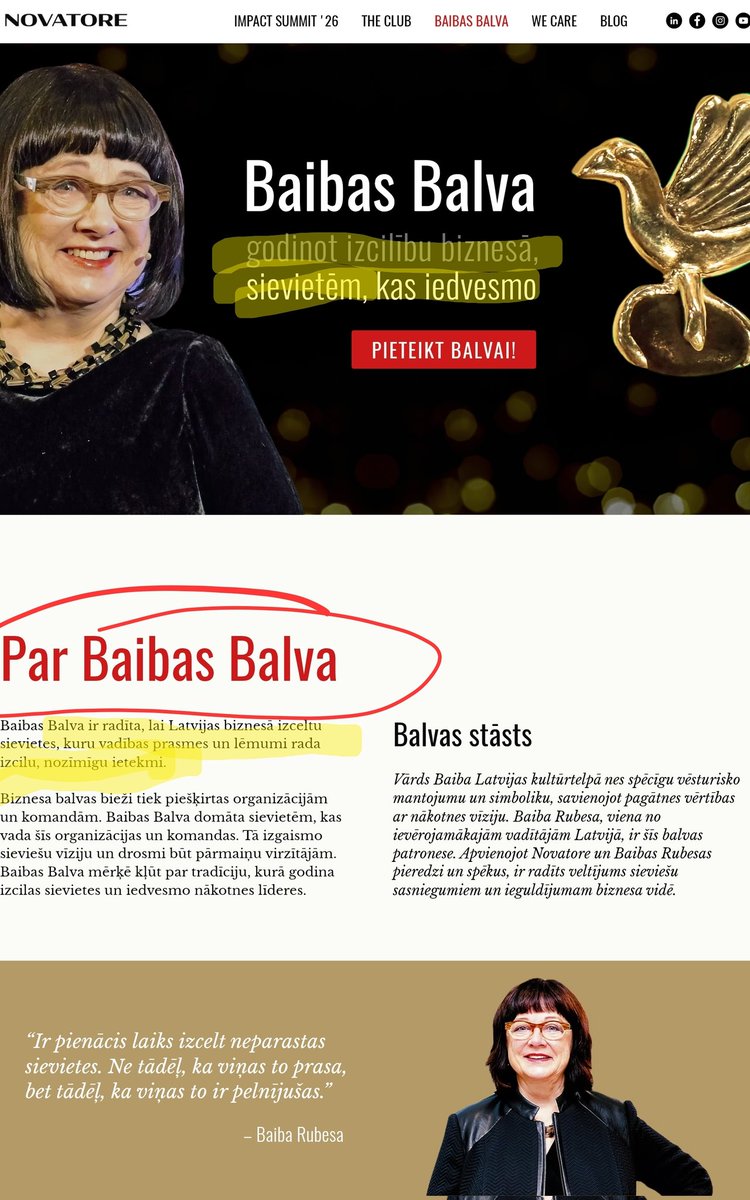
Ja nu vienīgi tas ir smalks humors un anti-balva, kā savulaik arhitektura katru gadu pasniedz “bietes” balvu Šī persona bija atbildīga par #RailBaltica pamatu ielikšanu sliktajā pārvaldībā Baltijā un Latvijā būdama par RB Rail valdes priekšsēdētāju. Izmeklēšanas komisijas ziņojumā ir skaidri identificēta atbildība par slikto pārvaldību un tās sekām = spilgtākais piemērs pasūtīt un pieņemt 2017 gada CBA (RailBaltica izmaksu un ieguvumu analīzi), kurā bija kaudze pierādītu kļūdu un aplamību (kaut vai nepamatoti zemās būvniecības izmaksas 1.9b € apmērā), kuru sekas mēs visi apmaksājam šodien. Varbūt pietiks kultivēt valsts korporatīvās pārvaldības VIP klubiņa locekļus? novatore.eu/baibas-balva
Andris Kulbergs (Apvienotais Saraksts) 🇺🇦🇱🇻 tweet media
Latviešu
17
61
205
9.6K
Roberts Samtins
Roberts Samtins@samtins·
Ar masu nekontrolēto migrāciju Latvijā būs tieši tāpat kā ar RailBaltic. Pēc dažiem gadiem visi plātīs rokas un nesapratīs kā tas varēja notikt, lai gan vainīgie mums būs ilgstoši bijuši acu priekšā. Pasaules temps šobrīd ir tik ātrs, ka nākamās vēlēšanas var izšķirt Latvijas likteni. Mums jāsāk saukt lietas īstajos vārdos un atbalstīt tos, kas var kaut ko mainīt.
Latviešu
18
91
343
14.7K
Roberts Samtins
Roberts Samtins@samtins·
@katrinailjinska Tā ir atšķirība starp Lietuvu un Latviju. Lietuvieši pārsvarā izvēlas savējo un visiem spēkiem pretojas ielaist kādu no Latvijas Lietuvā. Mēs pretēji uzskatām lietuviešus par ārvalstu investoriem un ritinam sarkano paklāju.
Latviešu
0
0
13
580
Katrīna Iļjinska
Katrīna Iļjinska@katrinailjinska·
Uzņēmēji varētu man pastāstīt, vai arī ir saskārušies ar lietuviešu protekcionismu un ko jūs ar to darāt?
Latviešu
8
5
22
10.5K
Roberts Samtins retweetledi
Martin Sellner
Martin Sellner@MartinSellner_·
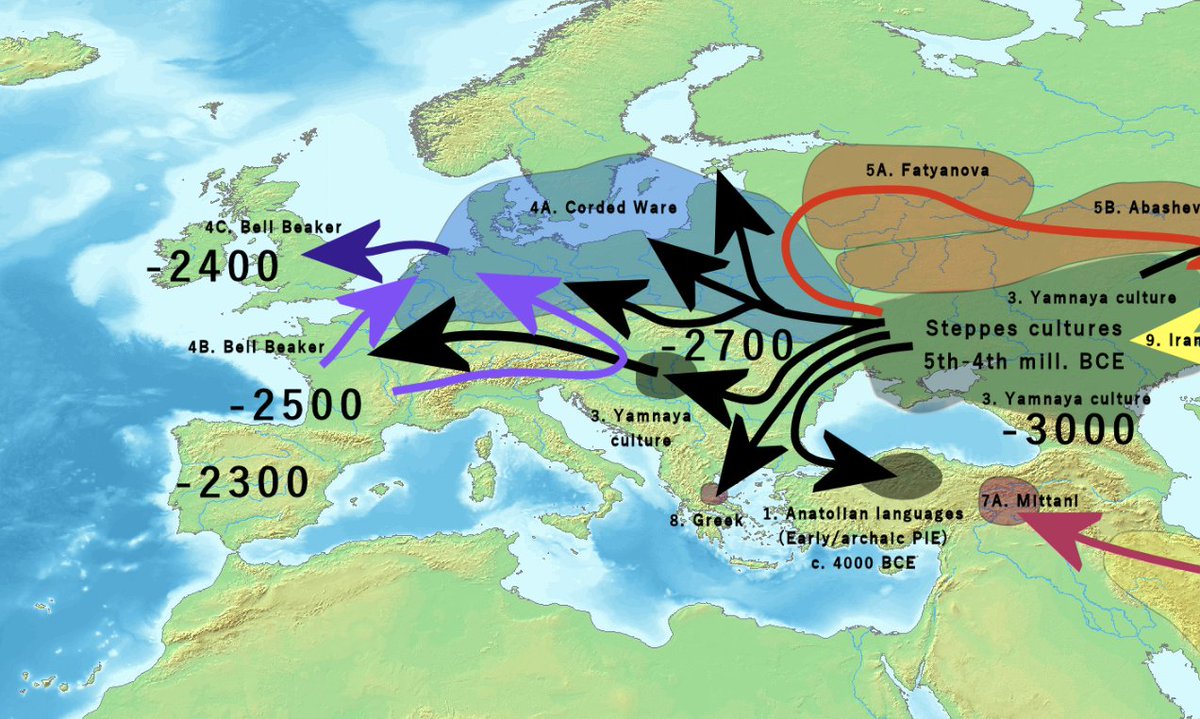
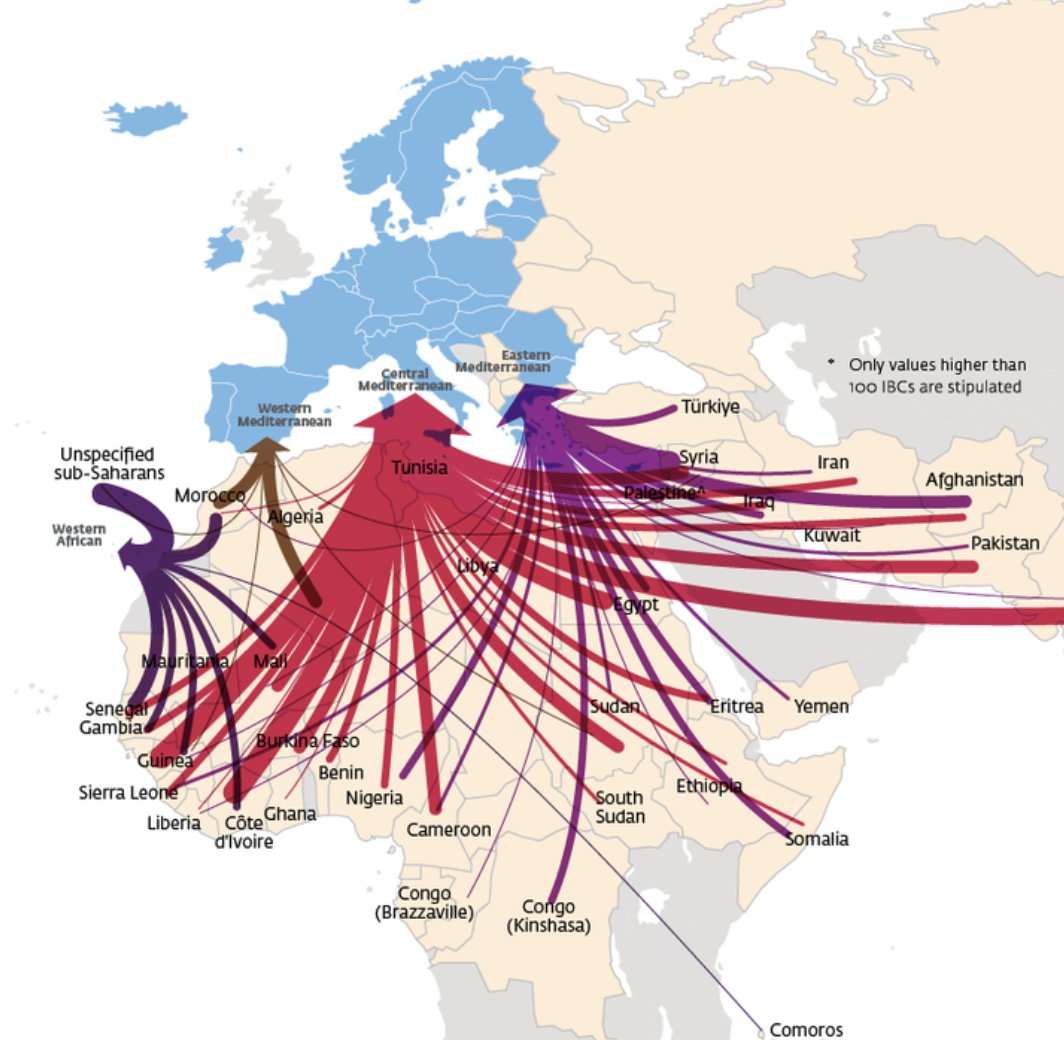
What we are witnessing today is the largest ethno-cultural upheaval in Europe since the arrival of the Yamnaya around 5,000 years ago. They laid the foundation of the European tribes and, ultimately, modern European nations. Since then, there has been an unbroken chain of ethno-cultural continuity. All foreign invasions, from the Huns to the Ottomans to the Moors, were ultimately repelled. Today, within just a few decades, this chain is being broken. The people living in huge parts of Europe, France, Germany, England, and Italy in 100 years will not be the descendants of those who lived there 100 years earlier. This has never happened in the last 5,000 years. So forgive me if I don’t care whether someone calls me racist or whether a leftist judge claims we should be banned. Far more is at stake than a delusional anti-white universalism. That ideology is only a few decades old and will fade away. What must endure is resistance to this threat. Every people deserves an identity, a culture, and a homeland. I want to take nothing from anyone. I simply want to live this life and pass it on. If you think that makes me evil, then that makes you evil.
Martin Sellner tweet mediaMartin Sellner tweet media
English
2K
13.1K
55.8K
12.7M
Roberts Samtins retweetledi
Jānis Dombrava
Jānis Dombrava@janisdombrava·
Daudz secinājumi pēc Imigrācijas PIK sēdes, bet izcelšu statistikas datus. Pilsonības un migrācijas lietu pārvalde uzskaita, ka Latvijā ir 107 060 trešo valstu pilsoņi. ES oficiālajā statistikā uzrādas, ka Latvijā ir 249 358 trešo valstu pilsoņi, neskaitot Ukrainas pilsoņus. Savukārt Eiropas Savienībā kopumā uzturas 26,5 miljoni (❗️) trešo valstu pilsoņi, kuriem ir tiesības ieceļot Latvijā.
Latviešu
29
83
154
10.7K
Roberts Samtins
Roberts Samtins@samtins·
Ieteicama lasāmviela mūsu @Progresivie , kam galvā arī visādas regulēšanas un pārdales idejas.
AP@Average_NY_Guy

Who Will Build NYC if Builders Are the Enemy? As a New Yorker Jew, I'm surrounded by people who have been in real estate their entire lives. I am not trying to feed a stereotype, but that's my reality. They aren't activists or online commentators. They are people who bought their first buildings with all their savings, carried debt through rate hikes, fixed things themselves when there was no money to hire, and stayed in New York through high crime, recessions, 2008, COVID, rising taxes, insurance increases, and an ever-expanding book of laws and codes. None of them were promised fairness before they started, and none of them were protected from risk. They succeeded very slowly, and painfully, but with responsibly. That experience is exactly what is missing from the worldview of Zohran Mamdani, and it shows in every part of his housing agenda. Mamdani has never built anything. He never signed a personal guarantee, never met payroll, never carried a mortgage through a rough month, never had to choose between fixing a boiler now or hoping it survives another winter because there is no cash. He has only operated in a political world where consequences are abstract and other people absorb the risk. When you have never operated in the real economy, it becomes easy to believe that shortcuts are solutions. It is also why his message resonates with a certain type of voter. The people demanding “housing reforms” are not bad people. They are frustrated renters who feel like the system is rigged against them. I understand the frustration. But frustration doesn't change math. Housing is hard. Ownership is a very slow process. Building anything meaningful in this city takes years of stress, and debt. The people calling for "landlord policies" often want the outcome without the grind, the stability without the risk, and the reward without the years of sweating that every responsible adult who succeeded here had to endure. But it does not work like that. NYC is in housing crisis. Citywide vacancy sits around 1.4 percent, a level economists consider an emergency. Median rents keep rising anyway, with Manhattan near $4,800 and Brooklyn around $3,800, even under an already thick layer of regulation. The reason is obvious. Supply has not kept up. In a good year, New York adds roughly 30,000 units. The city needs hundreds of thousands more over the next decade just to stabilize prices. At the same time, construction costs here are among the highest in the country, financing is extremely difficult, and insurance is wildly expensive Mamdani’s proposals take that fragile situation and make it worse. When you cap upside while leaving downside unlimited, rational people stop participating. Developers do not argue on X. Lenders do not protest. They simply reallocate. Projects stop coming up. Renovations are postponed. New construction dies before a shovel hits the ground. The people I know in real estate are not angry. They are disengaging. Some are buying elsewhere. Some are sitting on cash. Some are done entirely. And when that happens, tenants do not win. Buildings deteriorate, supply tightens further, and rents rise anyway. What Mamdani offers is emotional satisfaction, not solutions. He tells voters that prices are high because someone else is greedy, not because the city has spent decades making housing harder and almost impossible to build. He frames landlords as villains instead of participants in an ecosystem that only works when incentives align. That framing feels good, but it does not produce housing. It produces resentment, fear, and withdrawal. Everyone I know who made it in this city did it the same way. Slowly, without shortcuts. Policies written by people who never did that do not create fairness or affordability. They create shortages. NYC doesn't have a landlord problem. It has a confidence problem. And a city that teaches people to hate the builders while demanding more building is a city sabotaging its own future.


Latviešu
0
1
2
229
Roberts Samtins retweetledi
AP
AP@Average_NY_Guy·
Who Will Build NYC if Builders Are the Enemy? As a New Yorker Jew, I'm surrounded by people who have been in real estate their entire lives. I am not trying to feed a stereotype, but that's my reality. They aren't activists or online commentators. They are people who bought their first buildings with all their savings, carried debt through rate hikes, fixed things themselves when there was no money to hire, and stayed in New York through high crime, recessions, 2008, COVID, rising taxes, insurance increases, and an ever-expanding book of laws and codes. None of them were promised fairness before they started, and none of them were protected from risk. They succeeded very slowly, and painfully, but with responsibly. That experience is exactly what is missing from the worldview of Zohran Mamdani, and it shows in every part of his housing agenda. Mamdani has never built anything. He never signed a personal guarantee, never met payroll, never carried a mortgage through a rough month, never had to choose between fixing a boiler now or hoping it survives another winter because there is no cash. He has only operated in a political world where consequences are abstract and other people absorb the risk. When you have never operated in the real economy, it becomes easy to believe that shortcuts are solutions. It is also why his message resonates with a certain type of voter. The people demanding “housing reforms” are not bad people. They are frustrated renters who feel like the system is rigged against them. I understand the frustration. But frustration doesn't change math. Housing is hard. Ownership is a very slow process. Building anything meaningful in this city takes years of stress, and debt. The people calling for "landlord policies" often want the outcome without the grind, the stability without the risk, and the reward without the years of sweating that every responsible adult who succeeded here had to endure. But it does not work like that. NYC is in housing crisis. Citywide vacancy sits around 1.4 percent, a level economists consider an emergency. Median rents keep rising anyway, with Manhattan near $4,800 and Brooklyn around $3,800, even under an already thick layer of regulation. The reason is obvious. Supply has not kept up. In a good year, New York adds roughly 30,000 units. The city needs hundreds of thousands more over the next decade just to stabilize prices. At the same time, construction costs here are among the highest in the country, financing is extremely difficult, and insurance is wildly expensive Mamdani’s proposals take that fragile situation and make it worse. When you cap upside while leaving downside unlimited, rational people stop participating. Developers do not argue on X. Lenders do not protest. They simply reallocate. Projects stop coming up. Renovations are postponed. New construction dies before a shovel hits the ground. The people I know in real estate are not angry. They are disengaging. Some are buying elsewhere. Some are sitting on cash. Some are done entirely. And when that happens, tenants do not win. Buildings deteriorate, supply tightens further, and rents rise anyway. What Mamdani offers is emotional satisfaction, not solutions. He tells voters that prices are high because someone else is greedy, not because the city has spent decades making housing harder and almost impossible to build. He frames landlords as villains instead of participants in an ecosystem that only works when incentives align. That framing feels good, but it does not produce housing. It produces resentment, fear, and withdrawal. Everyone I know who made it in this city did it the same way. Slowly, without shortcuts. Policies written by people who never did that do not create fairness or affordability. They create shortages. NYC doesn't have a landlord problem. It has a confidence problem. And a city that teaches people to hate the builders while demanding more building is a city sabotaging its own future.
English
504
1.5K
7.3K
943.6K