Billy Quarles

206 posts

Billy Quarles banner
Billy Quarles

Billy Quarles

@saturnaxis

Asst Prof at East Texas A&M University. Aficionado of planets orbiting binary stars. Double sunsets are twice as nice! All opinions are my own.

Commerce, TX Katılım Kasım 2011
94 Takip Edilen59 Takipçiler
Billy Quarles
Billy Quarles@saturnaxis·
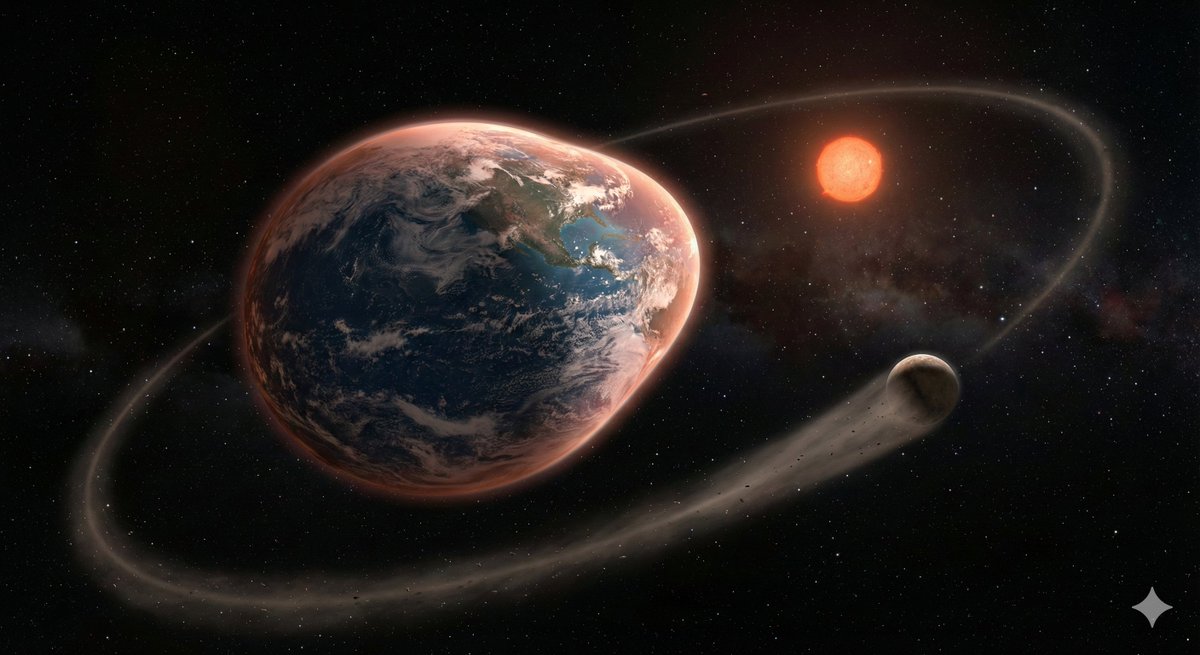
The implications are cosmic. 🌌 Moons stabilize planetary spin & climate, potentially aiding life. If the galaxy's most common stars (M-dwarfs) are "moon-killers," it could complicate our view of the Drake Equation. #astronomy #exomoon #habitablezone
English
0
0
0
38
Billy Quarles
Billy Quarles@saturnaxis·
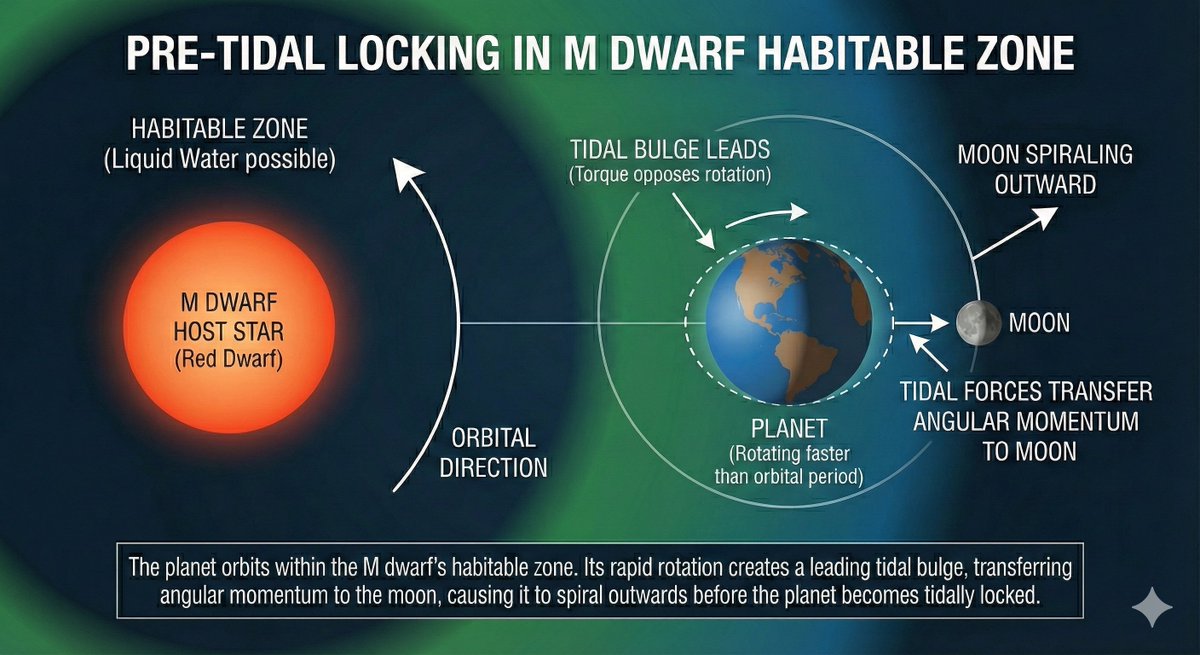
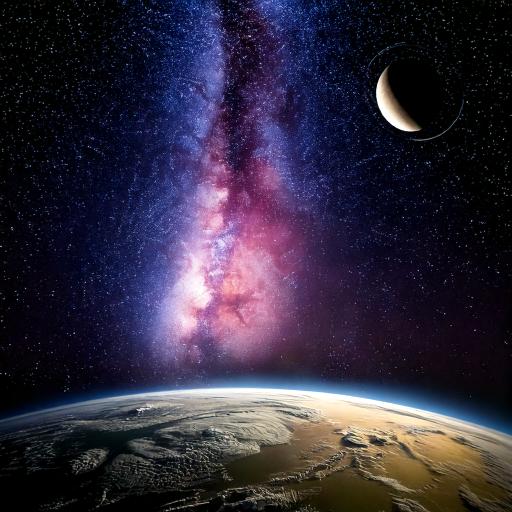
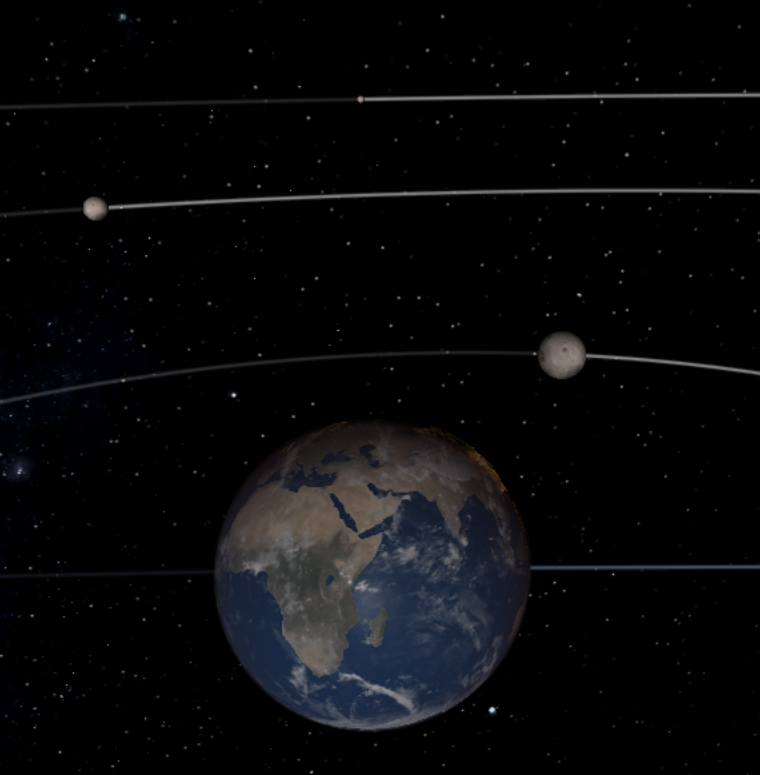
Why so fast? For M-dwarfs, the Habitable Zone (HZ) is packed tight against the star (0.08–0.52 au). This proximity creates intense stellar tides that strip moons away rapidly—unlike the Earth-Sun system where we have breathing room.
Billy Quarles tweet media
English
1
0
0
24
Billy Quarles
Billy Quarles@saturnaxis·
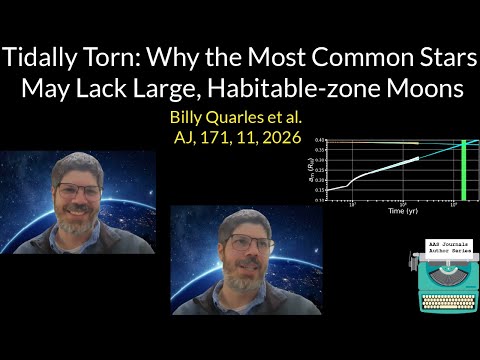
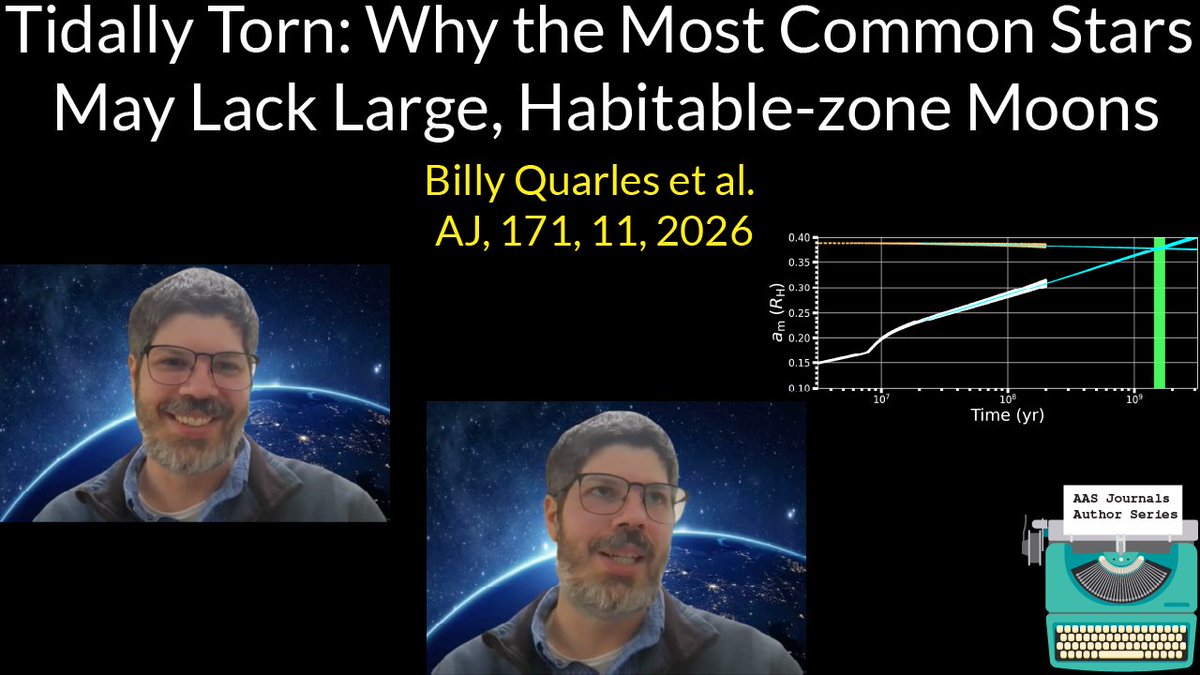
The Galaxy's Most Common Stars May Be Missing a Key Ingredient for Life: Long-Lived Moons. My new paper w/ Shaan Patel shows M-dwarfs are likely "moon-killers," stripping Earth-like planets of moons in just a few million years. Full story: tinyurl.com/2s4ctmwp
Billy Quarles tweet media
English
1
3
3
202
Billy Quarles retweetledi
Kevin Wagner
Kevin Wagner@AstroWagner·
Alpha Centauri A might host a habitable-zone giant planet. If confirmed, any moons orbiting this planet could be among the most promising nearby locations to search for life. Can we detect those moons by carefully monitoring the position of the planet? arxiv.org/abs/2509.13513
Kevin Wagner tweet media
English
2
6
8
310
Billy Quarles retweetledi
NASA Webb Telescope
NASA Webb Telescope@NASAWebb·
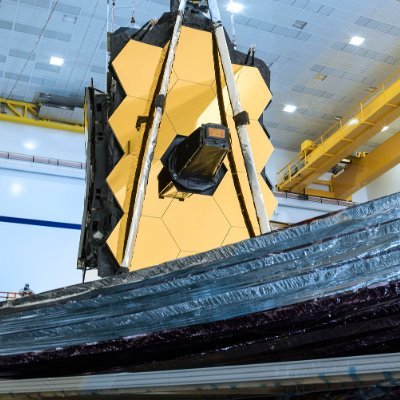
We give this system 3 stars! ⭐⭐⭐ Webb revealed strong evidence of a giant gas planet orbiting one of the three stars (as shown in this artist illustration) in the Alpha Centauri system, located four light years away. go.nasa.gov/3Jmbopa
NASA Webb Telescope tweet media
English
50
313
1.9K
489.5K
Billy Quarles
Billy Quarles@saturnaxis·
Our latest work, led by Shaan Patel, explores the orbital stability of moons and submoons using Kepler-1625, 1708 & HD 23079! We find key stable regions & secular resonances shaping the dynamics. Check it out! #Astrophysics #Exomoons arxiv.org/abs/2501.12258
Billy Quarles tweet media
English
0
0
0
43
Billy Quarles
Billy Quarles@saturnaxis·
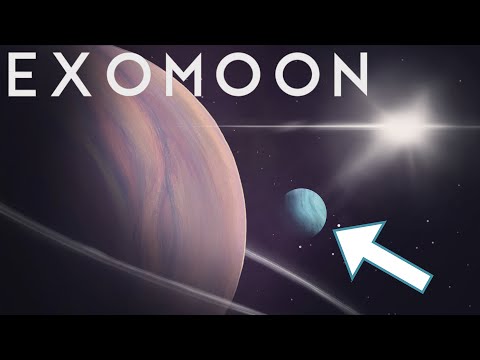
A second exomoon candidate has been identified using transit data from the Kepler Space Telescope. The proposed exomoon orbits its host planet in a similar way as Europa orbits Jupiter. Cool Worlds has a video explaining how the discovery was made. youtu.be/Blej3YvveCI
YouTube video
YouTube
English
0
0
4
0
Billy Quarles
Billy Quarles@saturnaxis·
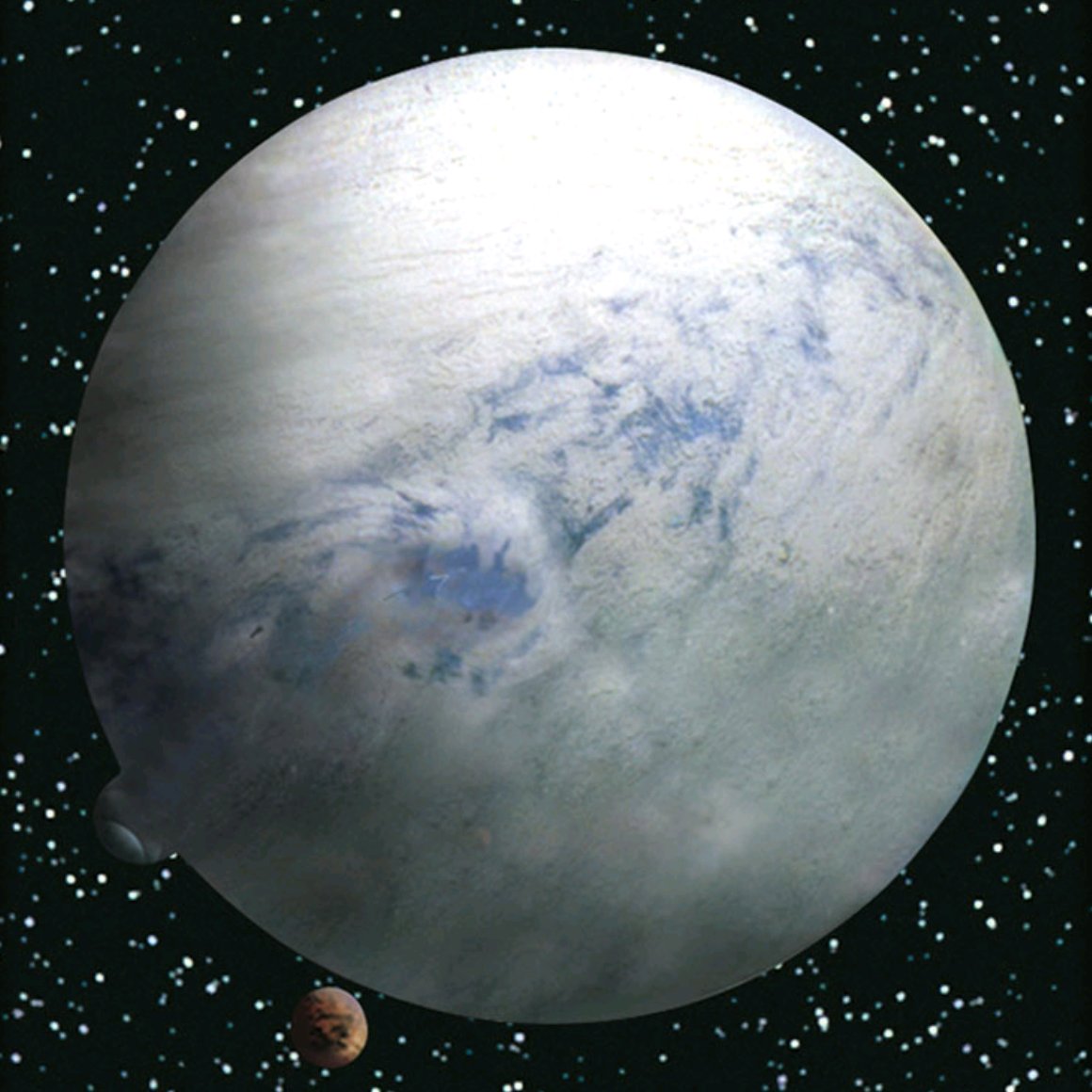
Earthlike life in Alpha Centauri AB could be very different. Especially, for planets inclined relative to the binary and hosted by star B. Such worlds could have wicked ice age cycles, with some periods like Earth and and others like the ice world Hoth. arxiv.org/abs/2108.12650
Billy Quarles tweet media
English
0
0
1
0
Billy Quarles
Billy Quarles@saturnaxis·
HD 23079b is a Jupiter-sized planet orbiting its star at the outer edge of the habitable zone. Oshina Jagtap (then undergrad (now grad) at UT-Arlington) and I updated some constraints for moons in this system. Check out her new publication in PASA (arxiv.org/abs/2110.10013)
Billy Quarles tweet media
English
0
0
2
0
Billy Quarles
Billy Quarles@saturnaxis·
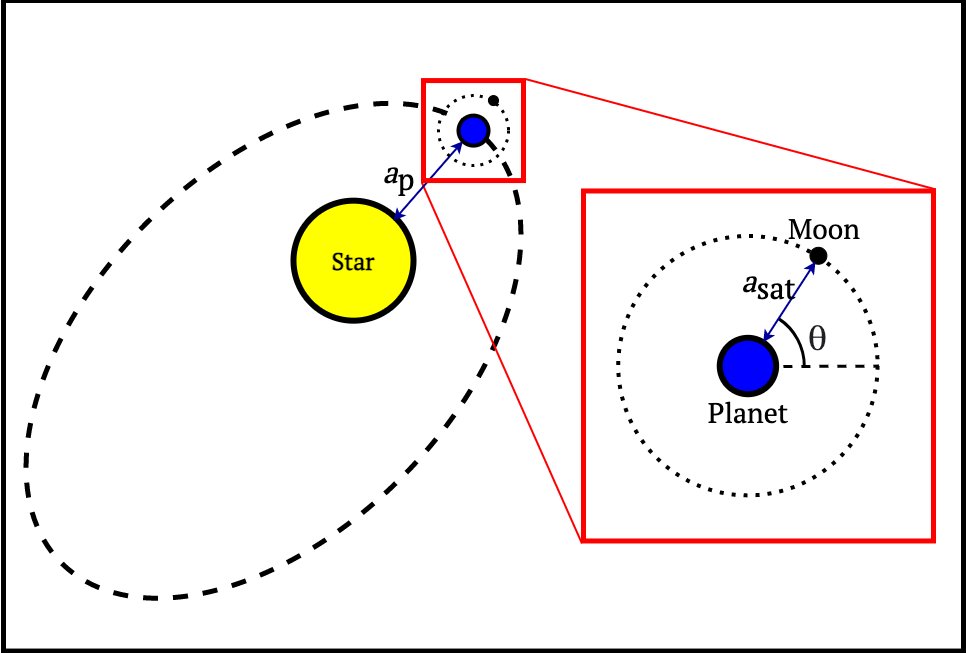
Exoplanets in binary star systems can hold onto their exomoons, despite the tugs from the companion star. @multiversario and I explore the details for theoretical habitable planets in Alpha Centauri AB. Check out our findings here: arxiv.org/abs/2105.00034
Billy Quarles tweet media
English
0
0
1
0