
D
243 posts


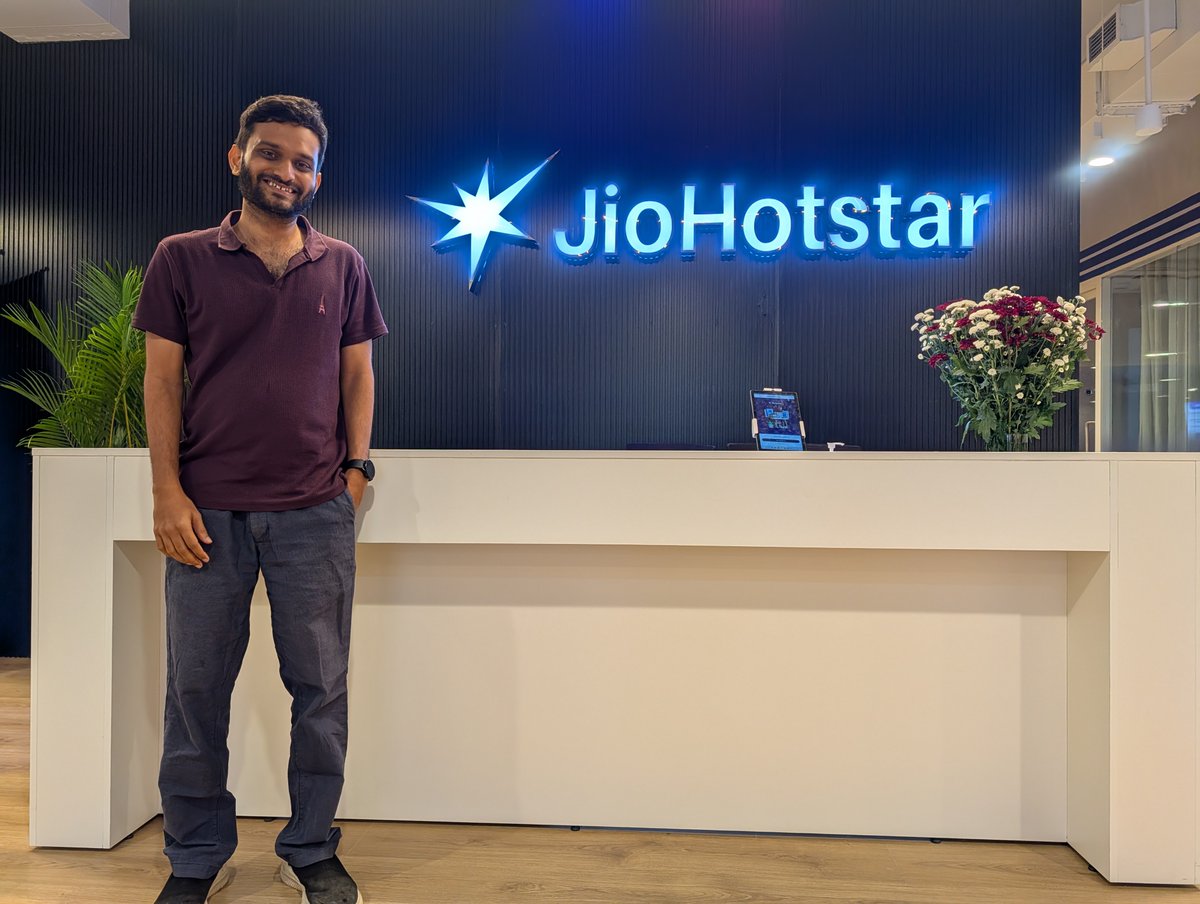
After 4 years and 10 months, today is my last day at @JioHotstar
I learned more here than anywhere. grateful for the people most of all.
Thank You 🙏
English

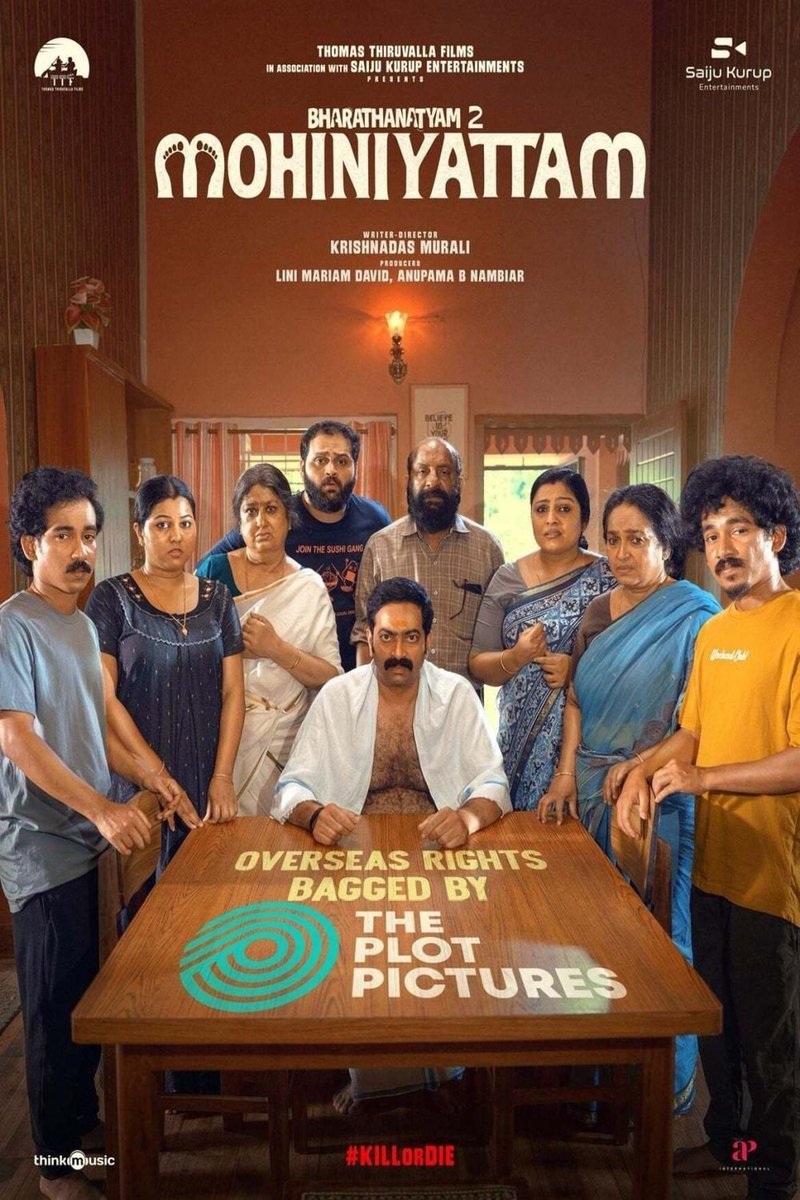

Part 1 paakama idhu paakalaama ?
Netflix India South@Netflix_INSouth
Once you get in, there is no way out 😉
Eesti

With growing summer heatwaves
Most phones which were super cool are also turning warm. Those which used to be warm are turning Hot 🥵
Sathya sodhana moment 😢
English


@Saurav_DJ47 OnePlus checked most boxes, but the camera feels like the only downgrade. They need to level up their camera systems to reclaim the "flagship killer" title.
English


D retweetledi

English
@OjasSharma276 Does anyone know how to take the cloud practitioner for free?
English

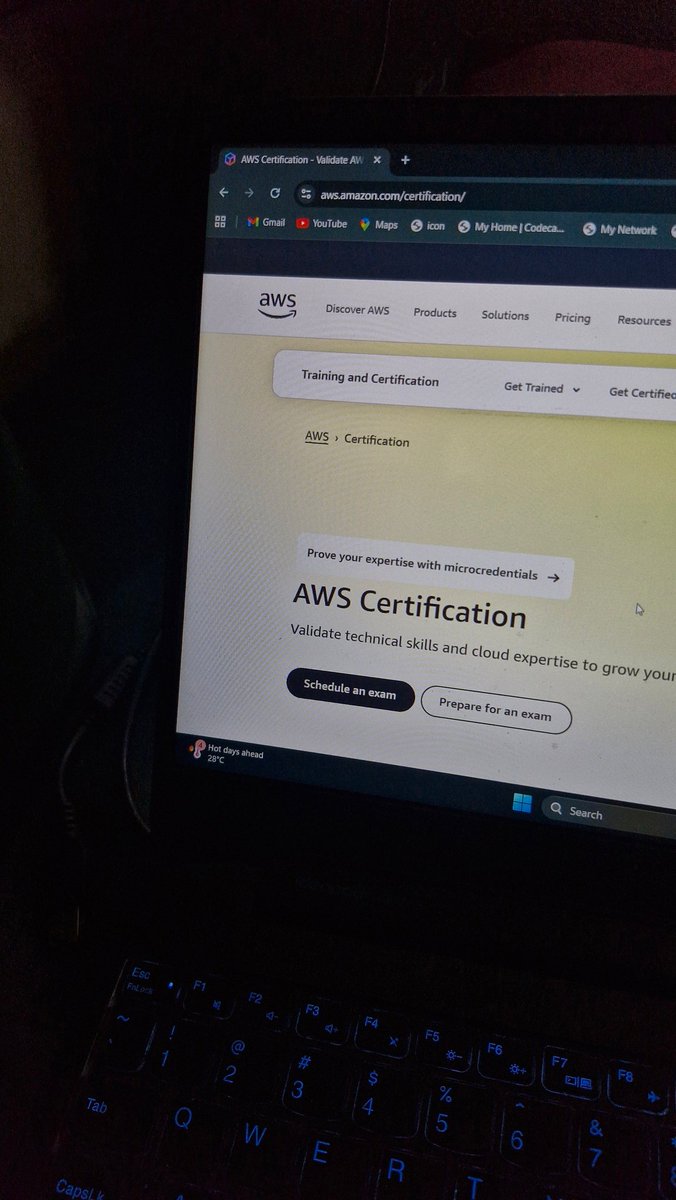
I’ll be taking the AWS Solutions Architect certification exam soon.
Does anyone have good resources for preparation?
English

சென்னையில பிரியாணி கடையா இல்ல. எதுக்கு வேலை வெட்டிய விட்டுட்டு இப்படி நிக்கிறானுங்க 🤧🤧
பிரியாணிய பாத்தா orgasm ஆகிருவானுங்க போல....
தமிழ்

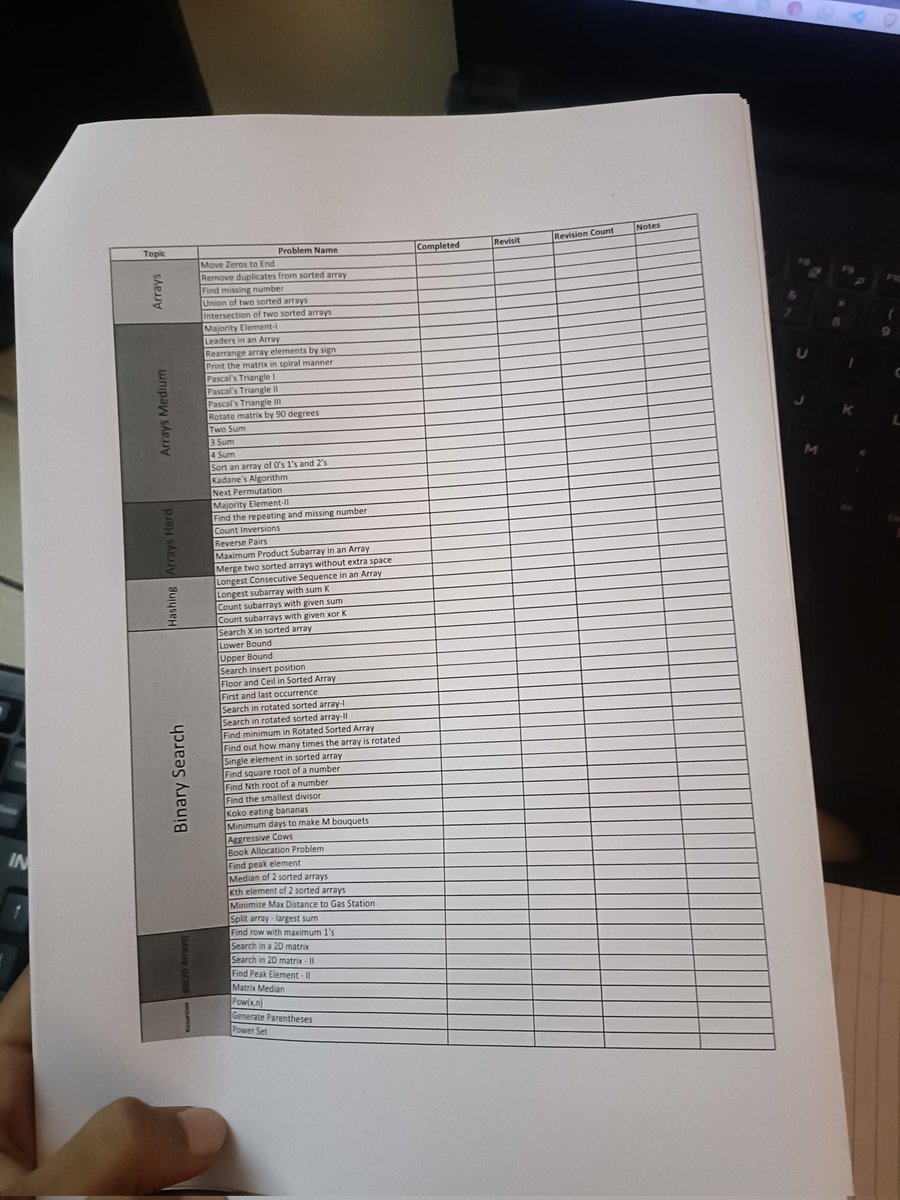
Got the TUF+ DSA sheet printed to track my daily progress.
Dm me to get this pdf
English

This is golden advice for software engineers, and it matters more every year.
If you don’t actively and consistently show your work, you end up being valued only by the one manager who sees it internally. That’s fragile. Teams change, priorities change, budgets change. When that happens, your impact disappears with the org chart even if your code was excellent.
Promotion, opportunities, and leverage don’t come from effort alone. They come from visible impact.
For 2–3 years, you almost have to treat showing your work as part of the job. That doesn’t mean bragging. It means documenting what you built, why it was hard, the trade-offs you made, and what broke along the way.
Writing a short post about debugging a production issue or explaining a system design decision teaches others and shows your competence. Engineers who do this build a public track record that compounds.
If you don’t do this, you end up stuck executing someone else’s roadmap. You’ll always be the reliable implementer, not the person people trust to shape direction. Leadership opportunities go to the engineers whose thinking is visible not just their commits.
Don't get me wrong this isn’t about going viral. It’s about consistency. One thread a week. One GitHub README that actually explains design decisions. One blog post after a hard incident. Over time, people associate your name with a domain: databases, reliability, distributed systems, performance, whatever your edge is.
No one is coming to “discover” you. The industry is too noisy. If you don’t tell the story of your work, someone else with half your skill and twice your visibility will take the opportunity.
Great engineers write code. Exceptional engineers make their impact legible.
So stop working for the system and start shaping it.
DAN KOE@thedankoe
If you don't shamelessly promote your work, every day for the next 2-3 years, you will get stuck doing someone else's work until you realize that nobody is going to pay you if they have no idea who you are.
English
Stripe is hiring Software Engineers (Bangalore)!
Package: ₹18–40 LPA
Freshers eligible.
Work on high-impact systems, collaborate with top engineers, and build end-to-end projects.
Degree in CS (by 2026) + basic programming experience required.
Tech: Java, Go, JS, Ruby, Scala.
English

Preparing for a Backend Engineer role ?
Just DSA isn't enough
Here are 10 topics that you must learn :
1. Concurrency & Parallelism
Threads vs async, race conditions, locks, deadlocks, queues
2. System Design : Design scalable systems (e.g., Dropbox, URL shortener), talk trade-offs: CAP, consistency, availability, latency.
3. Databases & Caching : Normalize vs denormalize, secondary indexes, Redis vs Memcached, cache invalidation, eventual consistency.
4. Distributed Systems Fundamentals :
Leader election, replication, partition tolerance, distributed locking, failure recovery.
5. Reliability Patterns: Retries with backoff, circuit breakers, bulkheads, graceful degradation, chaos testing.
6. Message Queues & Async Flows :
Kafka, RabbitMQ, or SQS : delivery guarantees, deduplication, replay strategies, ordering.
7. Security : OAuth2, JWT pitfalls, mTLS for internal traffic, securing webhooks & service-to-service calls.
8. Observability: Structured logs, tracing (OpenTelemetry), metrics, alerting : debug distributed requests across services.
9. Common Coding Challenges : LRU cache, rate limiter, task scheduler, producer-consumer, flatten nested data structures
10. Performance Tuning : Memory leaks, CPU bottlenecks, slow DB queries, N+1 problems
English


The Foundation Model Team @🍎Apple AI/ML is looking for a Research Intern (flexible start date) to work on Multimodal LLMs and Vision-Language. Interested? DM me to learn more!
English