Saad Hafiz

618 posts

Saad Hafiz

Saad Hafiz

@shgcci

Saad Hafiz is a political commentator with a focus on geopolitics, global security, and democratic governance. He contributes to both print and digital media.

USA Katılım Nisan 2013
50 Takip Edilen44 Takipçiler
Saad Hafiz
Saad Hafiz@shgcci·
Afghanistan won’t find stability by chasing old border disputes or emotional nationalist dreams. The Durand Line debate isn’t worth endless conflict. Real progress means accepting today’s realities, focusing on unity at home, and building practical cooperation with neighbors like Pakistan and Iran. Pragmatism—not politics of the past—is the way forward.
English
0
0
0
6
M Ibrahim Jaffri
M Ibrahim Jaffri@jaffri_ibrahim·
Pakistan has tried both carrot and stick in the case of Afghanistan but neither seems to work. After direct diplomatic engagement, cross border jihadi engagement, when TTP still continued operating from Afghan soil we finally decided to pursue kinetic action but as soon as we were making gains, china stepped in for a ceasefire and to ensure 'talks' just as Taliban were going on the backfoot. Do we have strategic space this time? Can we ensure no one will demand a halt to our military operations until we have achieved the desired military targets? Secondly, please shed some light on the fact that the Taliban have an excuse that they have to manage 'foreign terrorist organisations' such as AQ and TTP so that they don't revert to daesh and unleash terror in Afghanistan. The Americans acknowledge this as well and pay a weekly bribe to the Taliban just to make sure that western targets aren't engaged by these organisations. Whilst the Taliban, have quietened the Americans this way, they continue using the TTP as a proxy for strategic gains inside of Pakistan for their desire of merging KPK with Afghanistan. Then they weaponise plausible deniability by suggesting the TTP is Pakistan's internal issue and Infront of foreign states, they play victim by saying that they can't act against TTP otherwise they'd become a problem for the Taliban regime. How do you think Pakistan can employ a strategy to counter both of these two points? Thirdly, we're witnessing Al Qaeda has undergone a strategic pivot in their strategy. We have reasons to believe Al Qaeda central is operating from inside Afghanistan but they have decentralised command and our using organisations like JNIM and Al shabaab to control states indirectly, that same tactic maybe employed or is already being employed in the case of TTP as well. That would be extremely troublesome for Pakistan and how do we deal with that without getting the Americans involved which many believe would further destabilise the region and there exists a notions as general Kayani expressed to president Obama that the Americans through Afghanistan want to maintain controlled chaos inside of Pakistan? Lastly, in the case of Balochistan, local intelligence assets claim that there's next to zero ground intelligence. Locals now refuse to cooperate. How can we conduct successful kinetic operations and dismantle the networks without having good on ground intelligence.
Aamer Riaz@AmirRiaz56

Pakistan must undertake a decisive and sustained counterterrorism campaign to dismantle all militant networks, including TTA, TTP, BLA, and their affiliated entities. This requires not only neutralizing active operatives but also systematically targeting their infrastructure, financing channels, and cross border support systems. The presence of terrorist training camps and safe havens inside Afghanistan cannot be ignored and must be addressed through a combination of strategic pressure, intelligence driven operations, and coordinated regional engagement. While such an effort will demand time, resources, and persistence, delaying action will only prolong instability. The continued existence of sleeper cells in tribal and border regions represents a serious internal security threat. These networks must be eliminated through precise intelligence based operations and sustained state presence. Pakistan now has both the strategic space and the imperative to act proactively and comprehensively, as the cost of inaction is continued exposure to cycles of terrorism.
English
1
0
10
506
Saad Hafiz
Saad Hafiz@shgcci·
What looks like an “arc of suffering” across Eastern Europe and the Middle East is really a corridor of convergence—where geography, empires, and faiths collided for centuries. From steppe invasions to world wars to modern conflicts, this region keeps reappearing at the center of history—not because it’s uniquely cursed, but because it connects everything. Even our oldest texts wrestle with the same question born in such places: how do you act rightly in a world shaped by conflict? Maybe it’s not an arc of sorrow—just a stage where humanity keeps confronting itself.
English
0
0
0
10
Saad Hafiz
Saad Hafiz@shgcci·
Afghanistan won’t find stability by chasing old border disputes or emotional nationalist dreams. The Durand Line debate isn’t worth endless conflict. Real progress means accepting today’s realities, focusing on unity at home, and building practical cooperation with neighbors like Pakistan and Iran. Pragmatism—not politics of the past—is the way forward.
English
0
0
0
4
Siraj ul Haq
Siraj ul Haq@SirajOfficial·
پاکستان کو دانشمندی اور تحمل کا مظاہرہ کرتے ہوئے افغانستان کے ساتھ کسی بھی قسم کی کشیدگی سے گریز کرنا چاہیے۔ تصادم دونوں ممالک کے عوام کے لیے مزید مشکلات اور عدم استحکام کا سبب بنے گا۔ موجودہ حالات میں اختلافات کے حل کے لیے بامعنی مذاکرات ہی واحد راستہ ہیں۔
اردو
112
56
268
11.4K
Saad Hafiz
Saad Hafiz@shgcci·
Afghanistan won’t find stability by chasing old border disputes or emotional nationalist dreams. The Durand Line debate isn’t worth endless conflict. Real progress means accepting today’s realities, focusing on unity at home, and building practical cooperation with neighbors like Pakistan and Iran. Pragmatism—not politics of the past—is the way forward.
English
0
0
0
3
Saad Hafiz
Saad Hafiz@shgcci·
Crises in Iran, Afghanistan, and Pakistan are converging into an interconnected system of instability. US-Israel strikes on Iran and Tehran's responses shift from nuclear deterrence to direct confrontation. Pakistan faces TTP militancy resurgence from Taliban Afghanistan, porous Durand Line, and failed strategic depth. Iran deals with militants in Sistan and Baluchistan; cross-border strikes with Pakistan gain wider strategic risk. Local conflicts, governance gaps, and energy chokepoints like Hormuz risk self-reinforcing escalation without better governance and diplomacy. x.com/shgcci/status/…
English
1
0
0
27
Muhammad Jalal
Muhammad Jalal@MJalalAf·
Afghanistan will move forward, resilient, determined & unstoppable. No challenge can hold back a nation committed to its future.
English
2
6
31
1K
Saad Hafiz
Saad Hafiz@shgcci·
Afghanistan won’t find stability by chasing old border disputes or emotional nationalist dreams. The Durand Line debate isn’t worth endless conflict. Real progress means accepting today’s realities, focusing on unity at home, and building practical cooperation with neighbors like Pakistan and Iran. Pragmatism—not politics of the past—is the way forward.
English
0
0
0
2
Jannat kamal
Jannat kamal@janajani787·
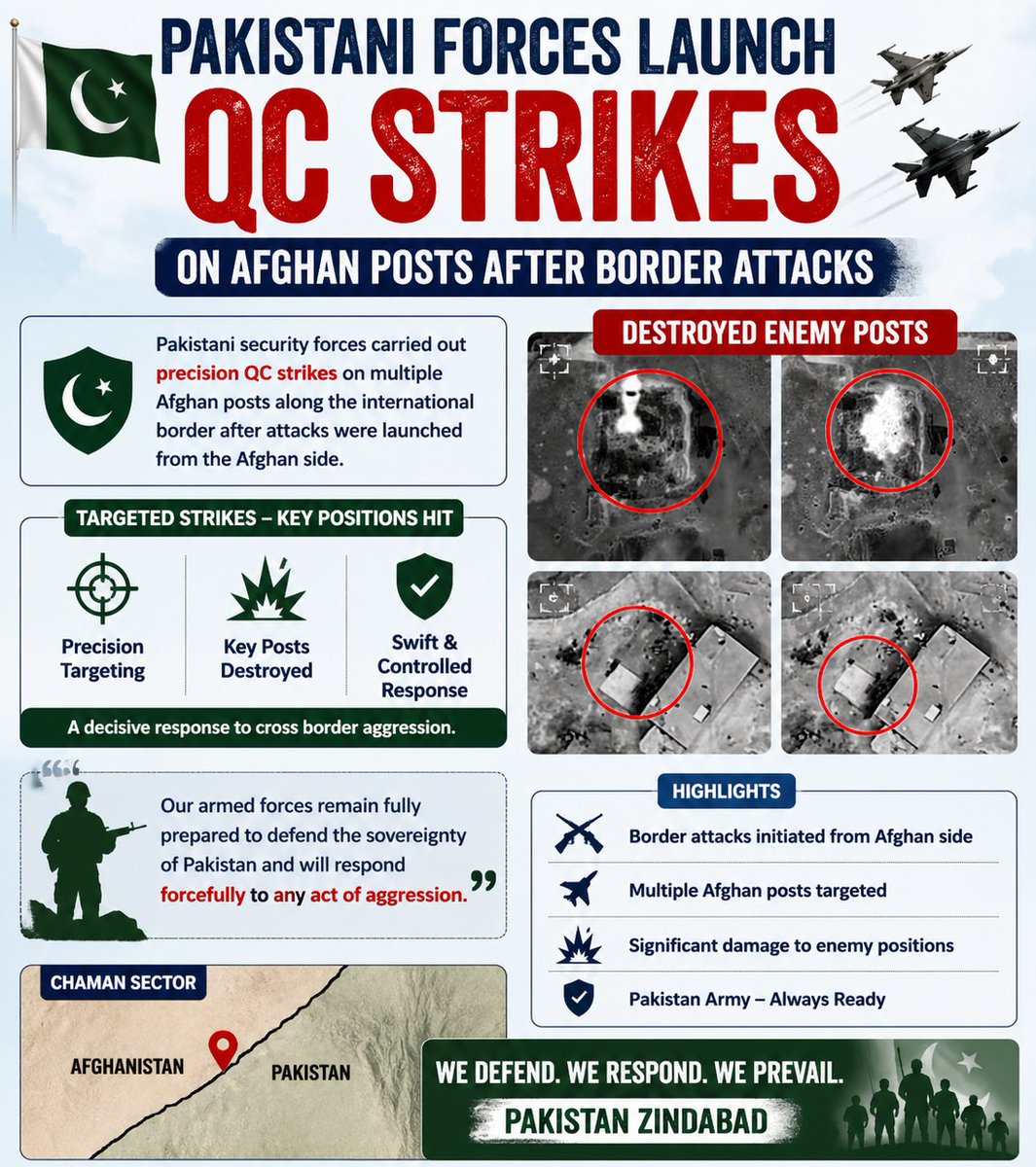
Pakistani forces conducted precision strikes on Afghan border posts after reported cross-border attacks, targeting key positions in what officials describe as a swift and controlled response. #Taliban #Afghanistan #PakistanArmy
Jannat kamal tweet media
English
1
13
17
61
Saad Hafiz
Saad Hafiz@shgcci·
After Donald Trump amplified a “hellhole” remark about India (and used similar rhetoric for China), Beijing has typically hit back quickly and sharply through official statements, while New Delhi’s response has been more measured and restrained. India doesn’t have to stay silent—but it also can’t afford empty bravado. With Donald Trump, tone alone won’t change anything. He responds to leverage, not politeness. And while India isn’t weak, it’s still tied to the United States in trade, tech, and strategy. So yes—push back when disrespected. Drop the “personal chemistry” illusion. Speak clearly. But make sure it’s backed by real weight—markets, partnerships, alternatives. Respect in today’s geopolitics isn’t given for restraint. It’s earned when words carry consequences.
English
0
0
9
39
Arvind Sood
Arvind Sood@arvindlotus·
@shen_shiwei In response to Mao's question Bhutto Sahib replied "Sir - Pakistan is at a 'Naazuk Mod', but with aid from your country we will turn a corner. Inshallah" The elderly Mao said - may it always be so; and since that day, Pakistan has been at a 'Naazuk Mod'!
English
7
0
4
1.1K
Shen Shiwei 沈诗伟
Shen Shiwei 沈诗伟@shen_shiwei·
🇵🇰Pakistani President Asif Ali Zardari presented a flower basket to the bronze statue of🇨🇳Chaiman Mao Zedong at Mao's hometown of Shaoshan, Hunan province, despite of rains and wind. Chairman Mao had a strong emotional bond with Pakistan. On May 27, 1976, Chairman Mao met with Pakistani Prime Minister Zulfikar Ali Bhutto, his last meeting with foreign guests. At the time, Chairman Mao was in his twilight years had difficulties speaking and walking. Nonetheless, he agreed to meet the Pakistani guests.
English
22
243
889
13.4K
Saad Hafiz
Saad Hafiz@shgcci·
Women are showing up in politics everywhere—but too often on terms set by old power structures. In the Global North, barriers are subtle; in the Global South, they can be more visible—even when representation is higher. Either way, the message is the same: women aren’t waiting to fit in anymore—they’re pushing politics to change. From street protests to party rooms, their voices are louder, sharper, and harder to ignore. Representation alone isn’t enough without real power and decision-making authority. The shift now is from being included to reshaping the rules entirely. The real change will come when women don’t just enter political systems—but have the power to redefine how those systems work.
English
0
0
0
74
Golchehrah Yaftali
Golchehrah Yaftali@womenaidafghan1·
افغانستان به قتلگاه زنان مبدل شده است… با قلبی پر از درد و اندوه، خبر قتل همصنفی عزیزم، بانوی نخبه و باوقار، بدریه جلالی خانم را شنیدم. او برای حل برخی مسائل شخصی از لندن به کابل برگشته بود، بی‌خبر از اینکه این سفر، آخرین سفر زندگی‌اش خواهد بود. بدریه فقط یک زن نبود؛ او مادری مهربان، انسانی شریف، و زنی آگاه و بااستعداد بود که کودکانش امروز با چشمانی پر از انتظار، در حسرت بازگشت مادرشان مانده‌اند… طالب، این شوم‌ترین سایه بر سر افغانستان، سرزمین ما را به قبرستان زنان بی‌پناه بدل کرده است. هر روز زنی خاموش می‌شود، هر روز مادری از آغوش فرزندانش گرفته می‌شود، و هر روز امیدی در این خاک دفن می‌گردد. تا کی زنان این سرزمین باید بهای جهل، ظلم و بی‌عدالتی را با جان‌شان بپردازند؟ روح بدریه جلالی شاد و یادش جاودان باد 😭💔
Hasht e Subh Daily@HashteSubhDaily

۸صبح، کابل: منابع در کابل می‌گویند زنی که با «نواسه مامایش» دعوای حقوقی داشته، در شهر کابل تیرباران شده است. منابع روز سه‌شنبه، ۸ ثور، گفتند که این رویداد در منطقه خیرخانه کابل رخ داده است. منابع از این زن به نام «بدریه» یاد می‌کنند و می‌افزایند که او باشنده اصلی ولایت بدخشان است. به گفته منابع، این زن هنگام رفتن به سمت محکمه طالبان مورد تیراندازی قرار گرفته و به قتل رسیده است. منابع می‌افزایند که جسد این زن به طب عدلی انتقال داده شده است. منابع تصریح می‌کنند که طالبان وکیل مدافع این زن را بازداشت کرده‌اند. براساس اطلاعات منابع، ماماهای این زن به کابل خواسته شده‌اند. منابع خاطرنشان می‌کنند که این زن با شوهر سابق خود نیز دعوای حقوقی داشته و از وی جدا شده بود. منابع، شوهر سابق این زن را به نام عبدالمتین ادراک یاد می‌کنند. این در حالی است که روز گذشته چهار عضو یک خانواده توسط افراد ناشناس در مرکز لوگر به قتل رسیدند. #روزنامه_۸صبح

فارسی
8
6
35
10.2K
Saad Hafiz
Saad Hafiz@shgcci·
Women are showing up in politics everywhere—but too often on terms set by old power structures. In the Global North, barriers are subtle; in the Global South, they can be more visible—even when representation is higher. Either way, the message is the same: women aren’t waiting to fit in anymore—they’re pushing politics to change. From street protests to party rooms, their voices are louder, sharper, and harder to ignore. Representation alone isn’t enough without real power and decision-making authority. The shift now is from being included to reshaping the rules entirely. The real change will come when women don’t just enter political systems—but have the power to redefine how those systems work.
English
0
0
1
9
Nida Ahmed
Nida Ahmed@NidaAhm16105291·
جس قوم کی خواتین بیدار ہو جائیں اور ملک و قوم کی آزادی کیلئے کمر کس لیں اس قوم و ملک کو کوئی غلام نہیں بنا سکتا ، ایسی اقوام بہت جلد منزل پا لیتی ہیں ! باچا خان بابا
اردو
4
5
38
784
Saad Hafiz
Saad Hafiz@shgcci·
Women are showing up in politics everywhere—but too often on terms set by old power structures. In the Global North, barriers are subtle; in the Global South, they can be more visible—even when representation is higher. Either way, the message is the same: women aren’t waiting to fit in anymore—they’re pushing politics to change. From street protests to party rooms, their voices are louder, sharper, and harder to ignore. Representation alone isn’t enough without real power and decision-making authority. The shift now is from being included to reshaping the rules entirely. The real change will come when women don’t just enter political systems—but have the power to redefine how those systems work.
English
0
0
0
55
Sana Yousafzai 🇵🇰
Sana Yousafzai 🇵🇰@SanaYousafzai9·
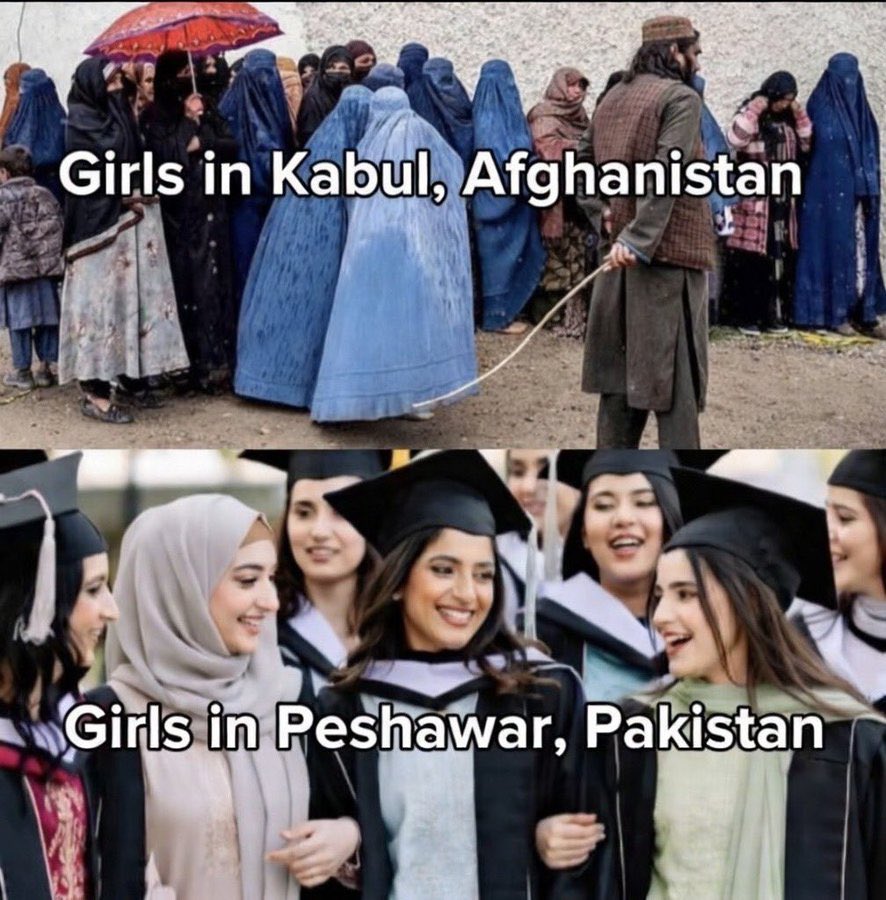
Girls in Kabul, Afghanistan Vs Girls in Peshawar, Pakistan Stark difference.
Sana Yousafzai 🇵🇰 tweet media
English
16
17
135
1.8K
Saad Hafiz
Saad Hafiz@shgcci·
There is growing concern among many citizens about the direction of Pakistan's economic and social conditions. Rising costs of living, persistent energy shortages, limited job opportunities, and increasing public debt are placing significant strain on everyday life. At the same time, questions around freedom of expression, equitable economic opportunity, and the treatment of ordinary people continue to surface. These challenges are complex and deserve consistent, fact-based attention. Greater transparency, accountability, and open discussion are essential to understanding the root causes and identifying meaningful solutions. Highlighting real experiences—of families, workers, and small businesses—can help ensure these issues remain visible and are addressed constructively. A balanced, non-partisan focus on these concerns can contribute to informed public dialogue and encourage practical steps toward stability, fairness, and long-term progress.
English
0
0
0
49
Osama أسامة
Osama أسامة@WordsByOsama·
Pakistan's domestic problems are too serious to be swept under the mediation rug. Almost every crucial sector is on decline, policies like changing trade routes while waging a war on a neighboring country are absurd. Better wake up before it's too late. (Wake up = let public representative take over).
English
7
7
29
1.8K
Saad Hafiz
Saad Hafiz@shgcci·
There is growing concern among many citizens about the direction of Pakistan's economic and social conditions. Rising costs of living, persistent energy shortages, limited job opportunities, and increasing public debt are placing significant strain on everyday life. At the same time, questions around freedom of expression, equitable economic opportunity, and the treatment of ordinary people continue to surface. These challenges are complex and deserve consistent, fact-based attention. Greater transparency, accountability, and open discussion are essential to understanding the root causes and identifying meaningful solutions. Highlighting real experiences—of families, workers, and small businesses—can help ensure these issues remain visible and are addressed constructively. A balanced, non-partisan focus on these concerns can contribute to informed public dialogue and encourage practical steps toward stability, fairness, and long-term progress.
English
0
0
0
21
Asad Umar
Asad Umar@Asad_Umar·
UAE decides to leave OPEC! Middle east is going to be reshaped with major changes in alliances. Will throw up both opportunities & threats for Pak. Let's hope we make the right choices for long term national interest and not short term decisions to protect personal interests.
English
71
132
1.4K
52.8K
Saad Hafiz
Saad Hafiz@shgcci·
Anti-US sentiment in India isn’t exploding—it’s quietly building. Not because ties are breaking, but because everyday people feel the strain: tariffs, visa limits, economic shocks, and rhetoric that feels disrespectful. Add geopolitical friction, and the relationship starts to feel less like a partnership and more like a transaction. There’s also a growing belief that respect for Indians abroad ultimately depends on India’s own strength—and that talent may need to return home to build it. Governments will keep working together. But the public mood? It’s shifting—from admiration to cautious realism.
English
0
0
0
22
Saad Hafiz
Saad Hafiz@shgcci·
After Donald Trump amplified a “hellhole” remark about India (and used similar rhetoric for China), Beijing has typically hit back quickly and sharply through official statements, while New Delhi’s response has been more measured and restrained. India doesn’t have to stay silent—but it also can’t afford empty bravado. With Donald Trump, tone alone won’t change anything. He responds to leverage, not politeness. And while India isn’t weak, it’s still tied to the United States in trade, tech, and strategy. So yes—push back when disrespected. Drop the “personal chemistry” illusion. Speak clearly. But make sure it’s backed by real weight—markets, partnerships, alternatives. Respect in today’s geopolitics isn’t given for restraint. It’s earned when words carry consequences.After Donald Trump amplified a “hellhole” remark about India (and used similar rhetoric for China), Beijing has typically hit back quickly and sharply through official statements, while New Delhi’s response has been more measured and restrained. India doesn’t have to stay silent—but it also can’t afford empty bravado. With Donald Trump, tone alone won’t change anything. He responds to leverage, not politeness. And while India isn’t weak, it’s still tied to the United States in trade, tech, and strategy. So yes—push back when disrespected. Drop the “personal chemistry” illusion. Speak clearly. But make sure it’s backed by real weight—markets, partnerships, alternatives. Respect in today’s geopolitics isn’t given for restraint. It’s earned when words carry consequences.
English
0
0
0
26
Saad Hafiz
Saad Hafiz@shgcci·
Afghanistan won’t find stability by chasing old border disputes or emotional nationalist dreams. The Durand Line debate isn’t worth endless conflict. Real progress means accepting today’s realities, focusing on unity at home, and building practical cooperation with neighbors like Pakistan and Iran. Pragmatism—not politics of the past—is the way forward.
English
0
0
1
22
Usama
Usama@Hitachi714272·
@wazir_gulalai Afg side pashtuns ne jo durand line ka masla khara kar rakha hai they need to accept the border warna halaat kabhi behter nhi honge. even their tajik hazaras recognized the border but they don't. inki waja se woh qoume bhi mushkil mein hain
हिन्दी
1
0
4
1.9K
Aisha Gulalai Wazir
Aisha Gulalai Wazir@wazir_gulalai·
Afghanistan needs stable relations with its neighbouring countries. Stability & security in 🇦🇫 & 🇵🇰 will only come thru trust, cooperation & friendship. Jamaat e Suffah has a clear,progressive foreign policy vision regarding peace and progress in the region. #JamaatESuffah
English
2
0
7
317
Saad Hafiz
Saad Hafiz@shgcci·
Afghanistan won’t find stability by chasing old border disputes or emotional nationalist dreams. The Durand Line debate isn’t worth endless conflict. Real progress means accepting today’s realities, focusing on unity at home, and building practical cooperation with neighbors like Pakistan and Iran. Pragmatism—not politics of the past—is the way forward.
English
0
0
3
47
Aisha Gulalai Wazir
Aisha Gulalai Wazir@wazir_gulalai·
The Durand Line doesn’t run along Pakistan alone, it also borders Iran and China. So are they now going to redraw the entire region’s borders internationally recognized by the UN? 1/3
Usama@Hitachi714272

@wazir_gulalai Afg side pashtuns ne jo durand line ka masla khara kar rakha hai they need to accept the border warna halaat kabhi behter nhi honge. even their tajik hazaras recognized the border but they don't. inki waja se woh qoume bhi mushkil mein hain

English
3
1
12
2.3K
Saad Hafiz
Saad Hafiz@shgcci·
There is growing concern among many citizens about the direction of Pakistan's economic and social conditions. Rising costs of living, persistent energy shortages, limited job opportunities, and increasing public debt are placing significant strain on everyday life. At the same time, questions around freedom of expression, equitable economic opportunity, and the treatment of ordinary people continue to surface. These challenges are complex and deserve consistent, fact-based attention. Greater transparency, accountability, and open discussion are essential to understanding the root causes and identifying meaningful solutions. Highlighting real experiences—of families, workers, and small businesses—can help ensure these issues remain visible and are addressed constructively. A balanced, non-partisan focus on these concerns can contribute to informed public dialogue and encourage practical steps toward stability, fairness, and long-term progress.
English
0
0
1
37
Saad Hafiz
Saad Hafiz@shgcci·
On the Taliban point, though, the situation is more complicated than simply assuming their defeat as a prerequisite. The Taliban are not just an external force or a fringe faction—they currently control the state apparatus and have deep roots in parts of Afghan society. That doesn’t make their governance effective or broadly accepted, but it does mean that “defeat,” whether military or political, isn’t a straightforward or low-cost path. A return to large-scale conflict could easily undermine the very stability and development we are arguing for.
English
0
0
0
9
مُحَنَّدْ
مُحَنَّدْ@mohanxad·
@shgcci All of this presupposes the defeat of the nationalistic and religiously extremist Taliban, whether peacefully or by force.
English
1
0
0
16
مُحَنَّدْ
مُحَنَّدْ@mohanxad·
«مشکل افغانستان حل‌ناشدنی است، کلمه افغانستان تازه ۲۰۰ سال است که وجود دارد و چنین ملتی اصلا وجود ندارد. تا حالا هیچ دولتی بیشتر از دو دهه در این کشور دوام نیاورده و هیچ وقت هم دوام نخواهد آورد.» - هلموت شمیت، صداعظلم سابق آلمان، ۲۰۱۳ zeit.de/video/2013-06/…
فارسی
4
1
20
751
Saad Hafiz
Saad Hafiz@shgcci·
Afghanistan won’t find stability by chasing old border disputes or emotional nationalist dreams. The Durand Line debate isn’t worth endless conflict. Real progress means accepting today’s realities, focusing on unity at home, and building practical cooperation with neighbors like Pakistan and Iran. Pragmatism—not politics of the past—is the way forward.
English
0
0
0
4
Rahim Sekander
Rahim Sekander@rahim_sekander·
موږ نه بې‌غیرته یو او نه د بې‌غیرتو تاریخ لرو موږ وسایل نه لرو، چې لرل مو وطن‌پرستانو او غیرتیانو کباړ او چور کړل. تازه جوړولو ته مو ارزښت نه دی ورکړی، اوس ناوخته کې له سره د افغانستان په جوړولو بوخت یو او داسې بوخت یو لکه بیخي چې چا سره بدۍ نه لرو. ودانیزې چارې لومړیتوب بولو.
PS
30
23
285
8.5K