
Sabitlenmiş Tweet
Nick
610 posts


Nick
@shmkkr
Building autonomous supply chains @mndl_ai (YC S23)
San Francisco, CA Katılım Mart 2021
1.3K Takip Edilen410 Takipçiler
Nick retweetledi

this is so fucking wholesome
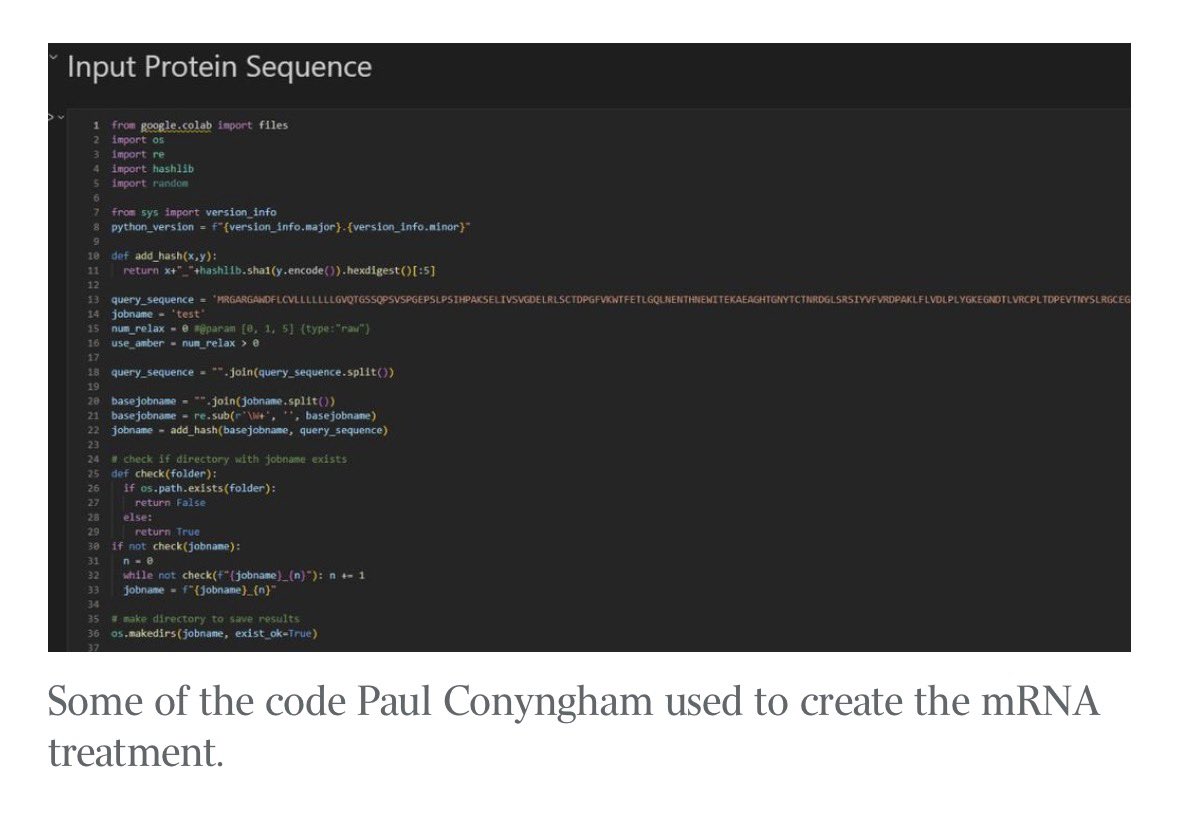
guy used AI to save his cancer-ridden dog by sequencing its DNA and creating a CUSTOM cure.
the tech behind this is fucking awesome (well done @demishassabis and the google team):
- used CHATGPT to sequence dogs DNA discovers mutations
- ran the mutations through Google’s Alphafold (AI protein sequencer) which CREATED A CUSTOM VACCINE TO TREAT THEM.
- treated dog and reduced tumour by 50% in WEEKS. dog is alive and well.
- this is the 1st time AI has been used to create a custom vaccine for a dog (and it worked)
- dude is now working on similar vaccines for humans using AI!
2026 is definitely the year we see AI change personalised medicine in a HUGE way
so sick


Séb Krier@sebkrier
This is wild. theaustralian.com.au/business/techn…
English
Nick retweetledi

English

No, the white collar jobs are not going away in 18 months!
I was furious with the populist-baiting language (in line with @DarioAmodei 's and @sama's also preferred apocalyptic usage) that Microsoft's @mustafasuleyman used in his FT interview, threatening everyone's jobs: “White-collar work, where you’re sitting down at a computer, either being a lawyer or an accountant or a project manager or a marketing person — most of those tasks will be fully automated by an AI within the next 12 to 18 months.”
Not only do I not see the point of this backlash inducing language, I also believe it shows no understanding of the way the labour market and organizations actually works and what people do all day. (My book on this with Jin Li and Yanhui Wu will be out soon.).
Don't get me wrong: I believe AI is a huge deal, and will radically change the world. But many white collar jobs are Messy jobs, as our book (and the post linked below) will explain: automating the automatable tasks within them is not near to automating the job.
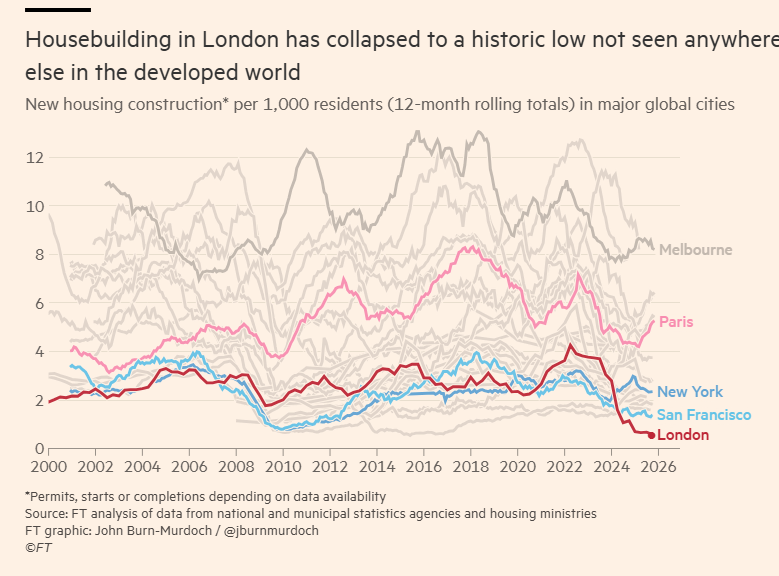
Let me make the point with the attached @jburnmurdoch graph on London.
London needs 88,000 new homes per year. In the first nine months of 2025, just 3,248 private homes started construction. Twenty-three of London's thirty-three boroughs recorded zero new housing starts in the first quarter of 2025. Planning permissions have fallen to their lowest level since records began in 2006. Construction of new rental homes fell by 80 percent in a single year. All this is after Starmer declared his government wants to "build, baby, build."
Does anyone think AI will fix this?
All the technology to design a building exists, and existed pre-AI. The bottleneck in London housing is human. What stops homes from being built in London are environmental and land use regulations and neighbors that weponize them.
AI can draft the review, but that is a trivial bit. It cannot convince the environmental group to drop its lawsuit or persuade politicians or negotiate with the neighbors.
These obstacles employ people. Suleyman and Amodei imagine that project managers spend their days doing Gantt charts, call their job "sitting down at a computer" and dream of automating them. But the job of the planning guys is not to fill in forms, but to negotiate and coordinate developers, residents, environmental groups, heritage bodies, and elected politicians who all have incompatible interests.
At other levels and in other jobs the same is true- radiologists spend only 1/3 of their time reading scans (see this great piece worksinprogress.co/issue/the-algo…). Their job was supposed to be gone in 2017; in fact, the demand for radiologists is booming (employment and wages are sharply up). Many consultants try to elicit the tacit, local, knowledge of what is actually going on in a firm in order to make a recommendation. Yes, if you spend your day just doing PPTs, you will be replaced. But how many people do just that?
Organisations/managers resolve conflicts and deal with exceptions. Making a decision stick requires authority: being a person who can be blamed, sued, or fired. The manager resolves disputes about the rules, not just within them. Think of your last renovation in your house. The contractor trying to to get the guy installing the windows and the guys from the floor to show up and do a good job, a mess right? No algorithm does that.
AI will make white-collar workers more productive. Some single-task, automatable roles will shrink (doing taxes is an expert system, drafting contracts too), many tasks will be automated. Also, the disruption of career ladders is a real concern. But "most tasks fully automated in 18 months" is not a prediction. It is marketing, designed to sell enterprise subscriptions and justify capital expenditure.
The real world is messy. The mess is not a bug. It is what happens when human beings with competing interests try to get things done together.
For more on "Messy Jobs", here is my New Years post: siliconcontinent.com/p/a-new-years-…. A book out soon.
English
Nick retweetledi

before vibe coding: N incomplete projects
after vibe coding: N^2 incomplete projects
English
Nick retweetledi


Nick retweetledi

@Jonathan_Blow regarding software bloat outpacing hardware progress: found my 18y old Pentium II 400mhz laptop and fired up MS Word 98...
English
Nick retweetledi

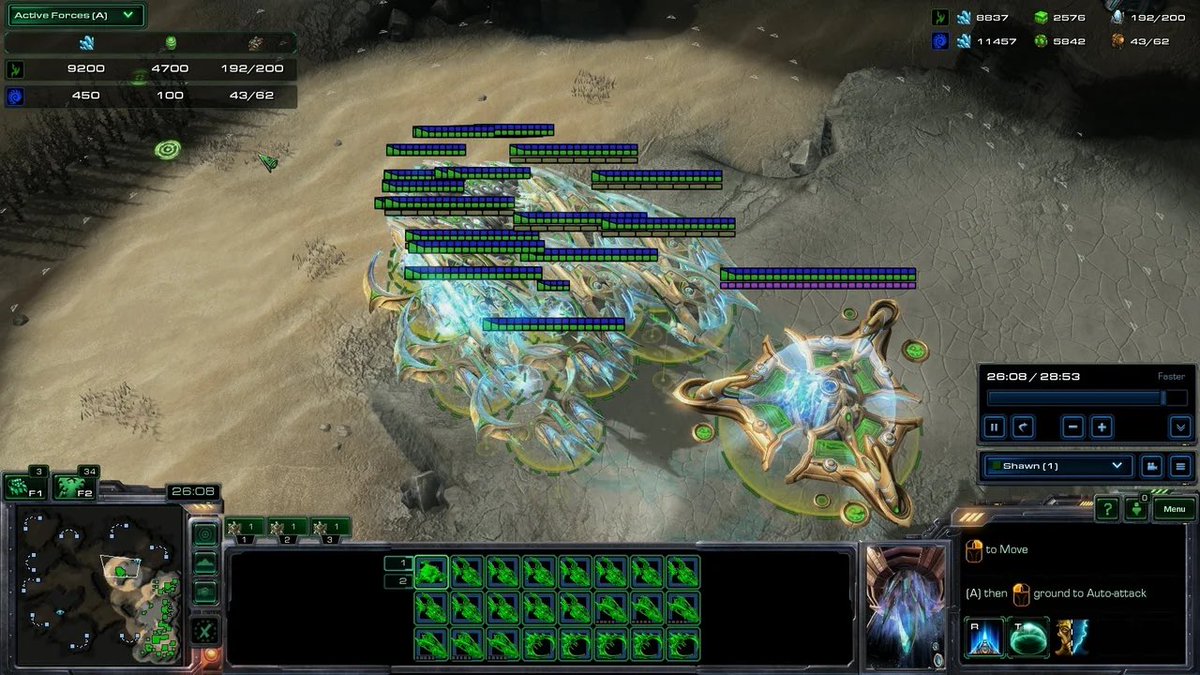
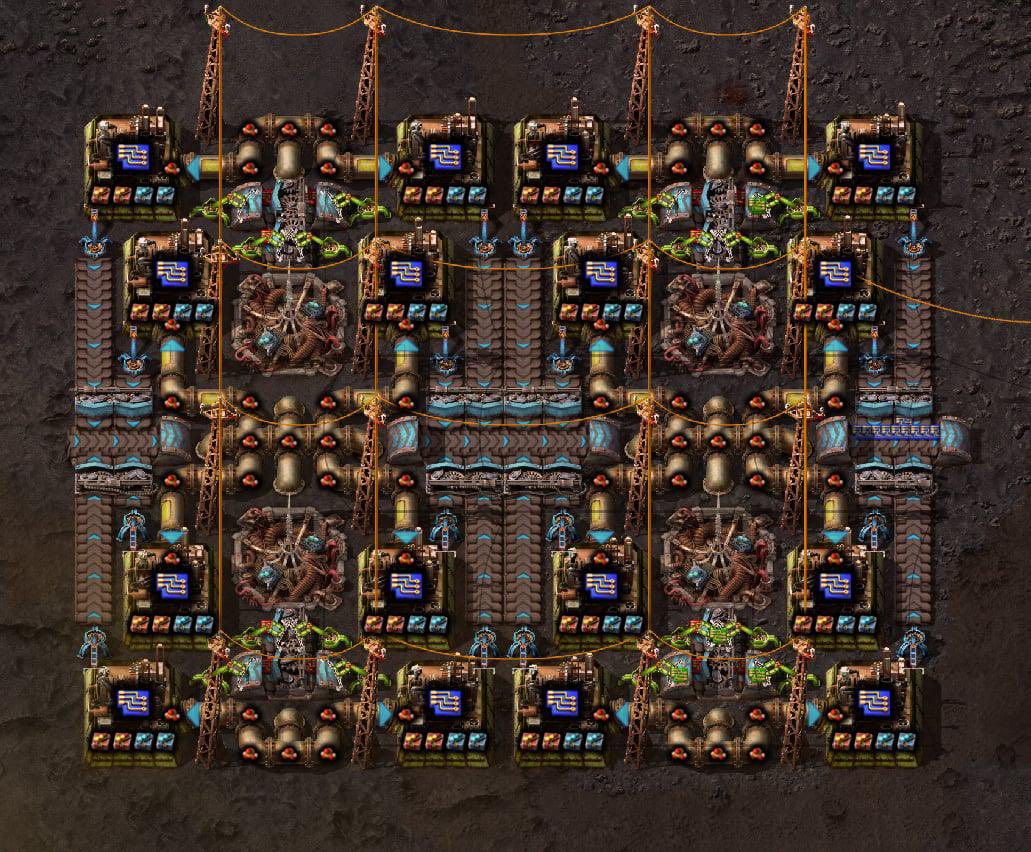
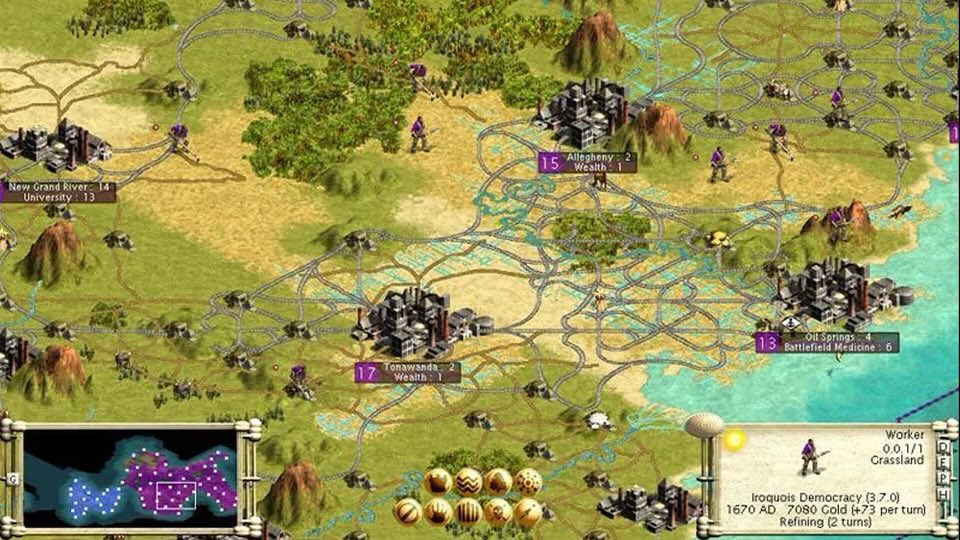
millennial gamers are the best prepared generation for agentic work, they've been training for 25 years

English
I love it when we talk with a potential customer and they say "but we already have AI with Copilot". Enjoy it then.
Ryan Fleury@rfleury
This is not a real company
English
Nick retweetledi

I'm convinced the majority of the most interesting breakthroughs are emerging properties of a group that are not pre-planned or defined a priori. Like how The Beatles wrote most of their songs. Look at Paul, jamming into the song. Start with a fragment, a chord progression, move to a melody line and let the song develop naturally through group interaction. You need that group chemistry and taste to decide where you want to go. Greatness emerges from the collective conversation/collaboration. It can't be planned.
English


Today I’m leaving Lovable to build my third company.
I invested early and helped build the world’s fastest-growing company with people I admire deeply.
They say only a fool would walk away from a generational company.
But some opportunities don’t wait.
So I guess I’m that fool.
More soon.

English
The Kraken <-> Coinbase flippening is happening 🦄
John Wang@j0hnwang
Kraken is on a generational run as the next blue-chip crypto equity S-tier customer support, low fees, pro-trader UI, and institutional support... now going hard into consumer retail and onchain
English
Nick retweetledi


Nick retweetledi

Uber had entire floors of people doing manual testing and manually clicking through the app, checking whether the app worked. It still wasn't enough, and it was too expensive
They used deterministic script frameworks like Appium and XCUITest, but engineers ended up spending 50% of their time just maintaining test cases because of their brittle nature.
This is a clip from a conversation with one of my DragonCrawl teammates and the overall goat, @lopez_marcano, discussing the problems Uber faced at scale with end to end mobile testing.
English

Nick retweetledi

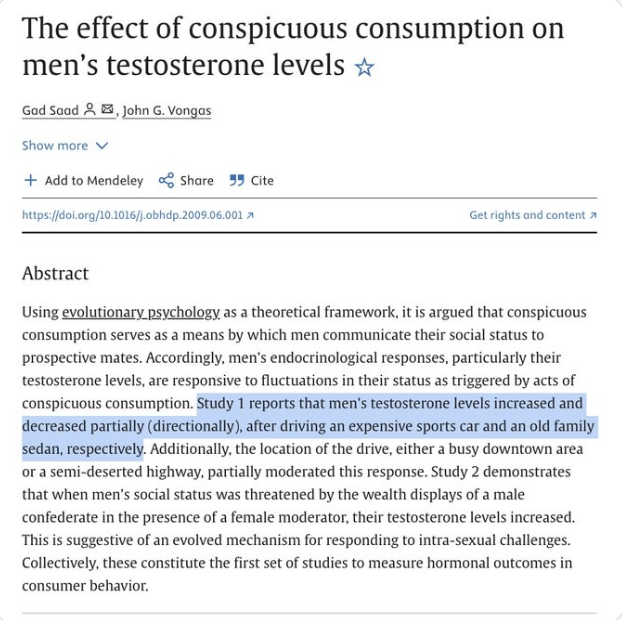
Driving an expensive sports car boosts men's testosterone and driving a sh*tty family sedan reduces it.
Maybe you should buy that nice car.

English