
チカキマモリノツカサ
3.8K posts

チカキマモリノツカサ
@sippehaus
普通の月給取り 音楽好き アンティーク好き 1972年製のシトロエンDS乗り 銀塩カメラ、蓄音機、懐中時計が好き
Katılım Mart 2022
223 Takip Edilen112 Takipçiler





@bsaa_tm そうね、でも知っていたからこそトリプルコンボ(この使い方でいいのか)で冷静に救急呼べたのはよかった^_^
まんずまんず、いがった〜
日本語

それほど悪い状態ではなく軽整備。まあ聴けるよねまで出来たので、今度の機会に分解清掃までしたいと思っている。
サウンドボックスがダメになってなくて良かった。
チカキマモリノツカサ@sippehaus
今日は会社の制度を使ってボランティアで、老人ホームの蓄音機を確認しに行きます。簡単に治せればいいけど少しは手を入れないと難しいかな。だけど人のためになるなら俄然やる気が出ます。
日本語

今日は会社の制度を使ってボランティアで、老人ホームの蓄音機を確認しに行きます。簡単に治せればいいけど少しは手を入れないと難しいかな。だけど人のためになるなら俄然やる気が出ます。
日本語
チカキマモリノツカサ retweetledi
チカキマモリノツカサ retweetledi

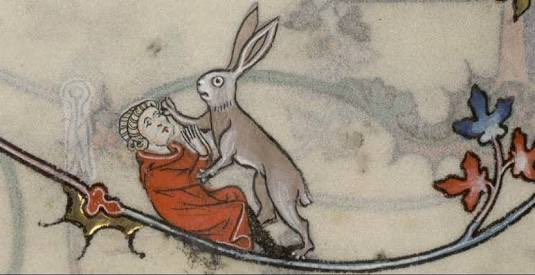
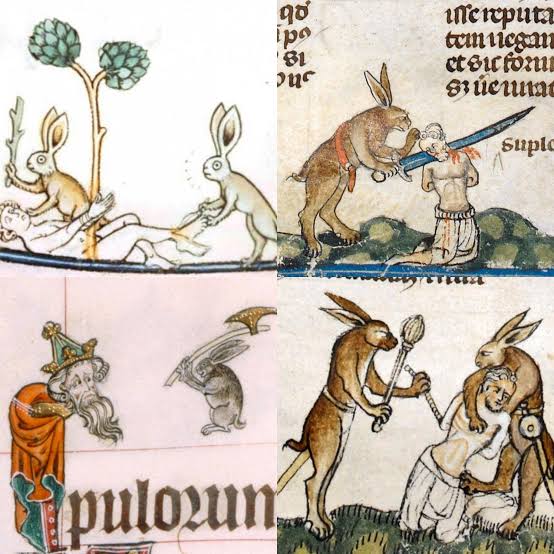
Before the chocolate eggs and the pastel baskets, the medieval rabbit was something else entirely. Flip through enough 13th-14th Century illuminated manuscripts held in British Library and Bibliothèque de Verdun, and you will find something deeply strange in the margins. Rabbits. Enormous, furious, heavily armed rabbits. Rabbits wielding axes at kings. Rabbits laying siege to castles. Rabbits shooting hunters in the spine with bows and arrows, tying them up, hauling them before a rabbit judge, receiving a guilty verdict, and joyfully beheading them. Rabbits roasting hunters over open fires and boiling their hounds. One rabbit, in the Smithfield Decretals illuminated in London in the 1340s, presides over an entire multi-page revenge sequence that unfolds like a comic strip across the manuscript margins. It is extraordinarily violent, meticulously illustrated, and clearly someone's idea of a very good joke.
These images are called drolleries, and they belong to a tradition that peaked between 1250 and the 15th century, drawn in the margins of serious religious texts by the monks copying them. The concept is called le monde renversé, the world turned upside down. Medieval artists loved depicting reality in reverse, hunters being hunted, prey becoming predator, the powerful made powerless. Rabbits, being the most docile and frequently eaten animals in the medieval world, were the perfect candidates for this role reversal. In real life they were on the menu at every feast and hunted daily with dogs and arrows. In the margins of manuscripts they got their revenge in spectacular and extremely graphic fashion. The earliest known killer rabbit, found in the Arnstein Passional from around 1170, shows two rabbits who have hanged a human hunter and are standing on their hind legs pointing and jeering at the body.
Not everyone found this funny. The Cistercian monk Bernard of Clairvaux complained about the drolleries in terms that feel remarkably modern, asking what these ridiculous monstrosities were doing in the cloisters and what purpose was served by such unclean monkeys, fierce lions, and monstrous centaurs. He also noted, with some irritation, that even if the foolishness caused no shame, one might at least balk at the expense. He had a point. These books were extraordinarily costly to produce. Someone was spending serious money on manuscripts decorated with rabbits committing war crimes.
For several hundred years the medieval version of the Easter rabbit was carrying an axe, had an outstanding grievance against humanity, and was depicted in the margins of the most sacred books in Christendom getting extremely satisfying revenge. The Monty Python killer bunny was not just an invention; it was a history lesson....
© Eats History
#archaeohistories
English

先人の偉人が言ったことやった事だからと言って、それを誰もがやっても良いと考えることは浅はかな事。日蓮大聖人は、我が弟子檀越等、未来際までも折伏せよというお言葉や指示は一言さえもどこにも無いが、「あら(争)うそうな」とはある。開目抄に記述されたお言葉「しかれども道心あらん人、偏党をすて、自他宗をあらそはず、人をあなづる事なかれ。」ここの大事な所は、他宗というのみならず、自他宗とあることだ。自宗と他宗のことを言っておられる。
よく大聖人がやってもいない事をやるなと強く言う人がいるが、大聖人がやるなと言っているのに、それをやる人は、大聖人に逆らっているのかと機会があれば、石に穴が開くまで聞いてみようと思う。
この開目抄の記述について述べる人はいても、この逆視点から指摘した人はいただろうか。
人間はどうしてこうも過去からのまたは自分の不都合を折らずに、事実を見ずに主張正当化するのであろうかと思うが、その答えはただ一つ。自省、反省、懺悔の心の鏡を捨ててしまったからでは無いだろうか。捨てるべきことは「偏党をすて」とあるように。
南無妙法蓮華経 一心欲見佛合掌礼拝
日本語