Sabitlenmiş Tweet

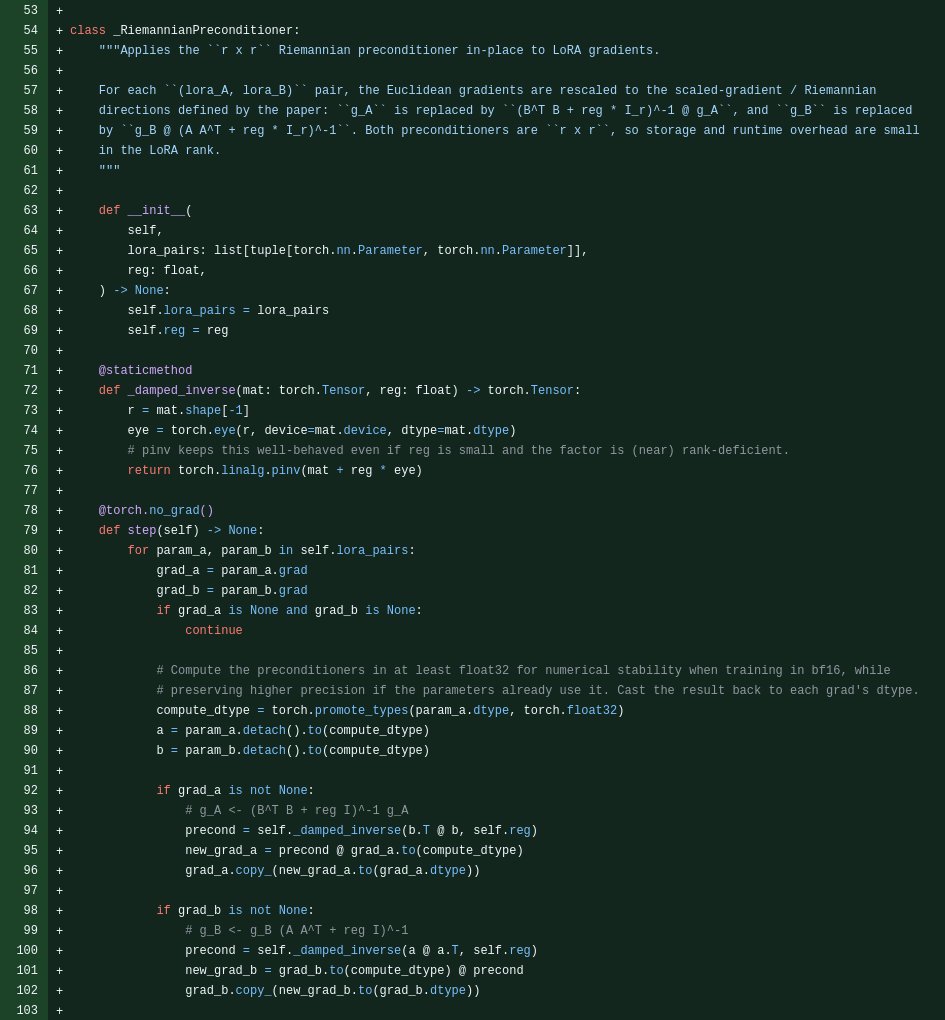
outrider proposes another feature for PEFT
github.com/smellslikeml/p…
just like peft PR#3382
it's the second outrider match we've validated against maintainer interests
github.com/sockeye44/dora…

English
Smells Like ML
4.9K posts
@smellslikeml
Building #ExperimentOps @remyxai Experiment orchestration for AI teams get outrider: https://t.co/HLjSzx57dj


"Using coding agents well is taking every inch of my 25 years of experience as a software engineer, and it is mentally exhausting. I can fire up four agents in parallel and have them work on four different problems, and by 11am I am wiped out for the day. There is a limit on human cognition. Even if you're not reviewing everything they're doing, how much you can hold in your head at one time. There's a sort of personal skill that we have to learn, which is finding our new limits. What is a responsible way for us to not burn out, and for us to use the time that we have?" @simonw
1 week left in our competition with @askalphaxiv. Don't know where to start? Pick a research area and check out the recommended papers below. Details: marimo.io/pages/events/n…

If you use LLM-as-judge, this one is worth reading. (bookmark it) It's actually one of the most effective ways to use LLM-as-a-Judge for evals. Holistic judge scores hide both their reasoning and their ceiling effects. BINEVAL decomposes each evaluation criterion into atomic yes-or-no questions, answers each independently per output, then aggregates the verdicts into calibrated multi-dimensional scores. Every question-level verdict is inspectable, so you can diagnose exactly why an output scored low, and the same verdicts feed straight back as targeted prompt-improvement signal. Across SummEval, Topical-Chat, and QAGS, it matches or beats UniEval and G-Eval, training-free, with especially strong results on factual consistency. Paper: arxiv.org/abs/2606.27226 Learn to build effective AI agents in our academy: academy.dair.ai