Iwan van der Kleijn

30.3K posts

Iwan van der Kleijn banner
Iwan van der Kleijn

Iwan van der Kleijn

@soyrochus

Not a Ferrari, but a Backhoe. I design, build, init: teams, apps, services. Director and Lead Architect @capgemini. Opinions are my own.

Valencia, Spain Katılım Mayıs 2008
3.7K Takip Edilen687 Takipçiler
Iwan van der Kleijn retweetledi
Steve Yegge
Steve Yegge@Steve_Yegge·
I was chatting with my buddy at Google, who's been a tech director there for about 20 years, about their AI adoption. Craziest convo I've had all year. The TL;DR is that Google engineering appears to have the same AI adoption footprint as John Deere, the tractor company. Most of the industry has the same internal adoption curve: 20% agentic power users, 20% outright refusers, 60% still using Cursor or equivalent chat tool. It turns out Google has this curve too. But why is Google so... average? How is it that a handful of companies are taking off like a spaceship, and the rest, including Google, are mired in inaction? My buddy's observation was key here: There has been an industry-wide hiring freeze for 18+ months, during which time nobody has been moving jobs. So there are no clued-in people coming in from the outside to tell Google how far behind they are, how utterly mediocre they have become as an eng org. He says the problem is that they can't use Claude Code because it's the enemy, and Gemini has never been good enough to capture people's workflows like Claude has, so basically agentic coding just never really took off inside Google. They're all just plodding along, completely oblivious to what's happening out there right now. Not only is Google not able to do anything about it, they don't seem to be aware of the problem at all. I'm having major flashbacks to fifty years ago as a kid at the La Brea Tar Pits, asking, "why can't they just climb out?" My Google friend and I had this conversation over a month ago. I didn't share it because I wanted to look around a bit, and see if it's really as bad as all that. I've been talking to people from dozens of companies since then. And yeah. It's as bad as all that. Google is about average. Some companies at the bottom have near-zero AI adoption and can't even get budget for AI. They may have moats and high walls, but the horde is coming for them all the same. And then there are a few companies I've met recently who are *amazingly* leaned in to AI adoption. One category-leader company just cancelled IntelliJ for a thousand engineers. That's an incredibly bold move, one of many they're making towards agentic adoption. In my opinion, that company is setting themselves up for a _huge_ W. As for the rest, well, it's the Great Siloing. Everyone's flying blind. With nobody moving companies, no company knows where they stand on the AI adoption curve. Nobody knows how they're doing compared to everyone else. Half of them just check a box: "We enabled {Copilot/Cursor} for everyone!" Cue smug celebrations. They think this is like getting SOC2 compliance, just a thing they turn on and now it's "solved." And they don't realize that they've done effectively nothing at all. All because of a hiring freeze.
English
536
470
5.4K
2.8M
Iwan van der Kleijn retweetledi
The Lunduke Journal
The Lunduke Journal@LundukeJournal·
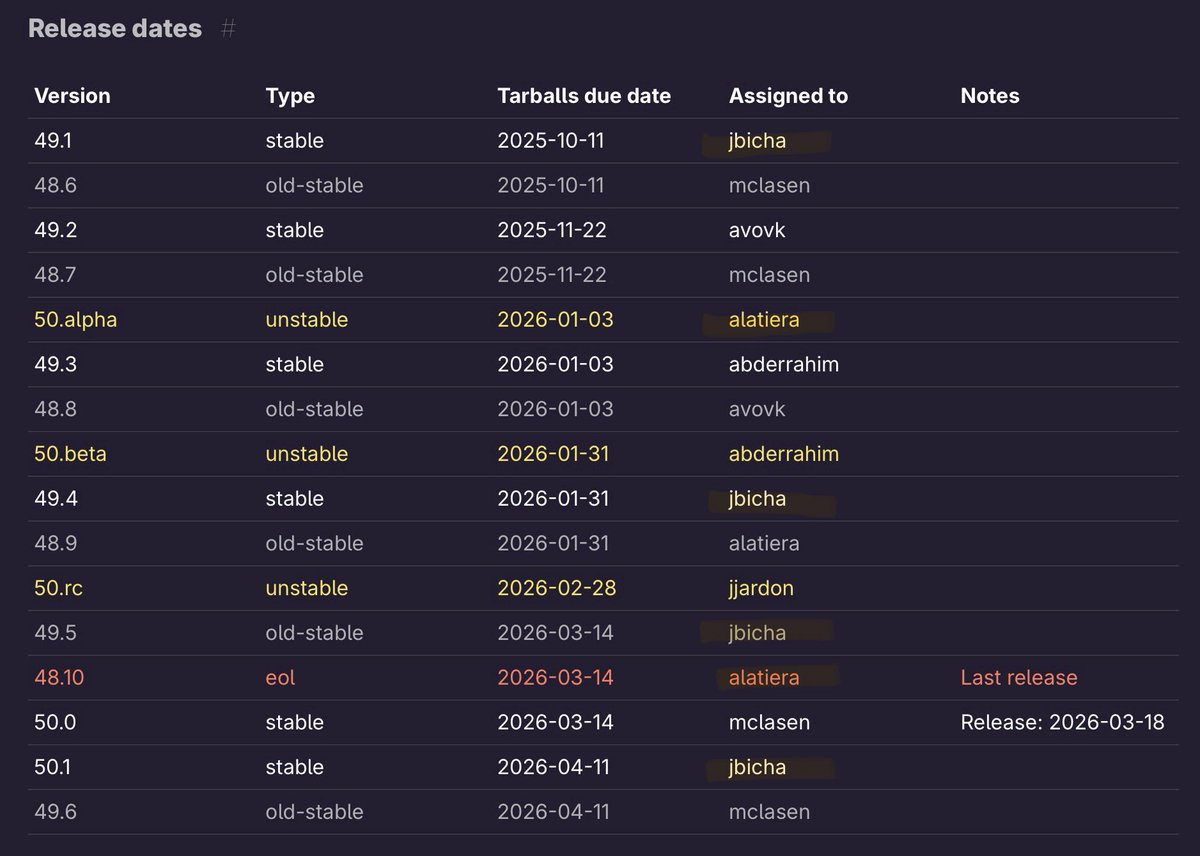
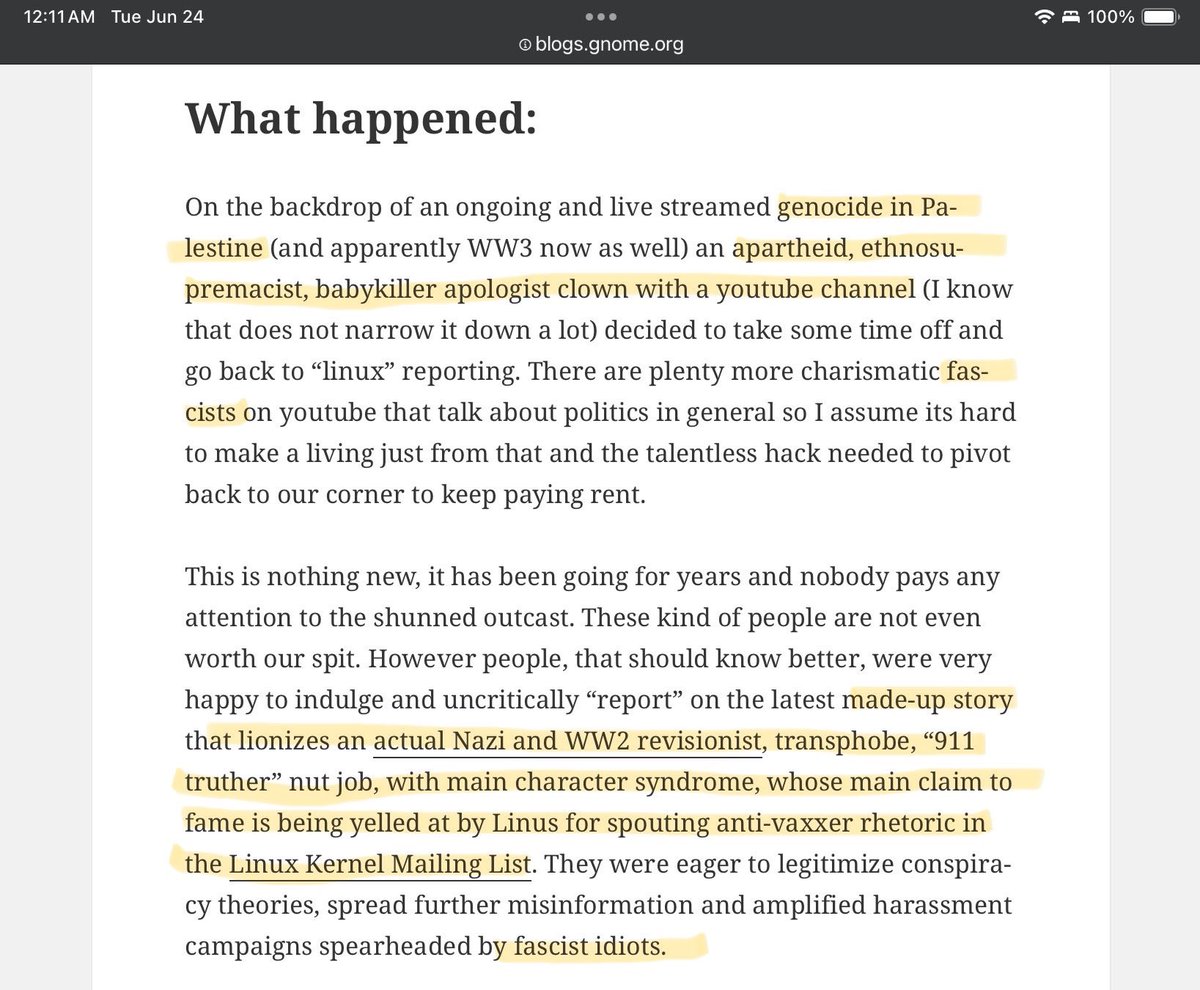
Who is in charge of the releases of the GNOME Desktop Environment? According to the GNOME Release Calendar, two of the most prominent release managers (responsible for some of the most significant releases) are: Jeremy Bicha (jbicha) - A registered sex offender who, according to reports, was responsible for “thousands” of assaults of small children. Jordan Petridis (alatiera) - A man who attacks Jews, on the official GNOME website, as “apartheid, ethnosupremacist, babykillers” and “fascist maggots”. Both men have also defaced the source control repositories and wiki pages of “competing” open source projects, calling those they disagree with “Nazis”. At no point has GNOME made a statement against these actions, nor has GNOME acted to protect their contributors and users from the predators running their project. This is GNOME. release.gnome.org/calendar/
The Lunduke Journal tweet mediaThe Lunduke Journal tweet mediaThe Lunduke Journal tweet media
English
41
101
738
25.2K
Iwan van der Kleijn retweetledi
Peter Steinberger 🦞
Peter Steinberger 🦞@steipete·
it’s a good model. the coding specific jump is more in line what we had in 5.0 to 5.1; but it’s now unified and smarter on everything else, writes better docs, is a better general purpose agent and is overall more pleasant to use.
OpenAI@OpenAI

GPT-5.4 Thinking and GPT-5.4 Pro are rolling out now in ChatGPT. GPT-5.4 is also now available in the API and Codex. GPT-5.4 brings our advances in reasoning, coding, and agentic workflows into one frontier model.

English
267
161
3.8K
412.4K
Iwan van der Kleijn retweetledi
Gad Saad
Gad Saad@GadSaad·
Unrealized Capital Gains Tax - Orwellian and Kafkaesque
English
156
860
3.4K
230.5K
Iwan van der Kleijn retweetledi
Peter Yang
Peter Yang@petergyang·
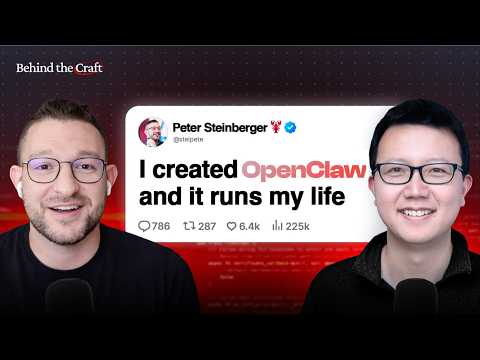
OpenAI just hired Peter (OpenClaw's founder) only 3 months after the project went live. I talk to my OpenClaw bot everyday. Here are all my practical tutorials so far: 1. Set up your OpenClaw bot in 20 minutes: youtu.be/4zXQyswXj7U 2. Master OpenClaw in 30 minutes (5 real use cases + memory setup): youtu.be/ji_Sd4si7jo And of course... 3. My interview with Peter Steinberger on how he uses it personally: youtu.be/AcwK1Uuwc0U Coming soon: 4. How @nateliason is building a business run by his OpenClaw bot 📌 Watch the videos above and subscribe for more: @peteryangyt?sub_confirmation=1" target="_blank" rel="nofollow noopener">youtube.com/@peteryangyt?s…
YouTube video
YouTube
YouTube video
YouTube
YouTube video
YouTube
Sam Altman@sama

Peter Steinberger is joining OpenAI to drive the next generation of personal agents. He is a genius with a lot of amazing ideas about the future of very smart agents interacting with each other to do very useful things for people. We expect this will quickly become core to our product offerings. OpenClaw will live in a foundation as an open source project that OpenAI will continue to support. The future is going to be extremely multi-agent and it's important to us to support open source as part of that.

English
53
299
3.3K
672.8K
Iwan van der Kleijn retweetledi
Camus
Camus@newstart_2024·
Marco Rubio’s Munich Security Conference speech just delivered a powerful message to Europe and America: “We belong together. America was founded 250 years ago, but the roots began here on this continent long before.” He traced the unbreakable link: - English settlers gave us language, law, and politics - Scots-Irish pioneers shaped the frontier spirit - German farmers turned the Midwest into a powerhouse - French explorers named our rivers and valleys - Spanish traditions birthed the cowboy archetype “Our home may be in the Western Hemisphere, but we will always be a child of Europe.” Rubio called for renewal: Reindustrialize together. Control borders. Defend sovereignty over abstractions. Reject managed decline. Reclaim pride in our shared Western civilization. He ended with hope: “The future is inevitable. And our destiny together awaits.” Does Rubio’s vision of a renewed transatlantic bond feel realistic in 2026 — or has the divide grown too deep?
English
42
141
735
24.7K
Iwan van der Kleijn retweetledi
Investing visuals
Investing visuals@InvestingVisual·
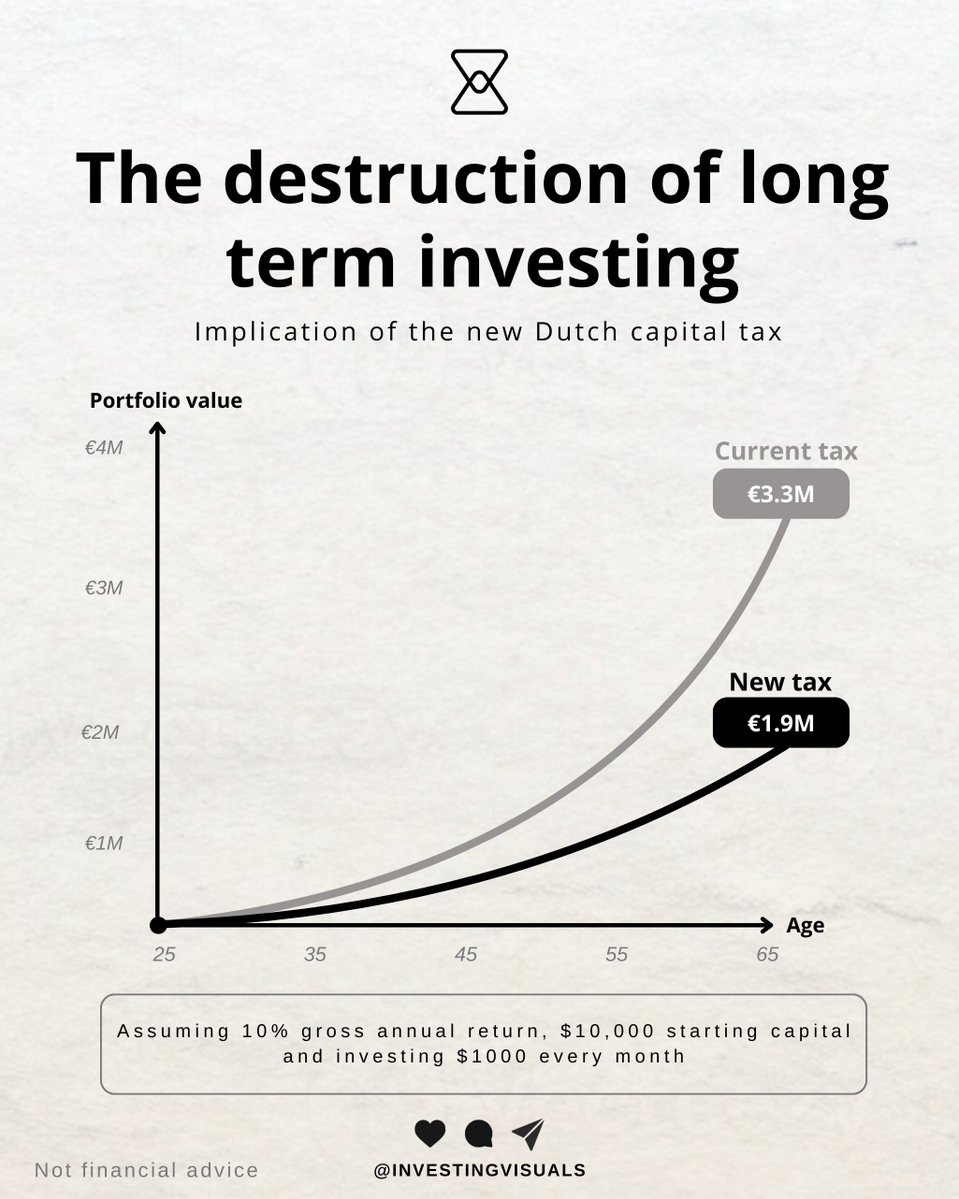
The Dutch government is destroying long term compounding by introducing a 36% tax on unrealized gains. As a Dutch citizen and long term investor, I’m at a loss for words about the lack of vision behind this new tax. I normally don’t post anything politically related, but what our government is planning to do is disastrous for long term investors. This is the sad truth. Most people here start investing to protect themselves against inflation and ever rising pension ages. They’re trying to put hard earned money to work, hoping they can retire before the age of 71. And they had a real shot at that before this bill. If you started at 25 with €10,000 and contributed €1,000 every month, you could compound to €3,320,000 over 40 years. If you lived prudently, you could retire early and live off it for the rest of your life. With the new capital tax? After 40 years of compounding, you’d end up at €1,885,000. That’s a €1,435,000 difference. This tax denies generations the chance of early retirement, punishes those who take risks, and introduces severe liquidity issues for people who have been compounding successfully for years. And to what end? To fill a €2.4 billion tax hole. I’m beyond words. If you’re Dutch like me, please share this visual with fellow investors to increase awareness. Hopefully we can make our politicians understand the severity of this tax, and the breadth and depth of its destructive implications. ~ Jan
Investing visuals tweet media
Bitcoin News@BitcoinNewsCom

NETHERLANDS HOUSE PASSES 36% TAX ON UNREALIZED GAINS As expected, the Dutch House of Representatives has approved a 36% tax on unrealized capital gains, with only forward loss offsets permitted. The proposal now moves to the Senate, where parties that supported the bill also hold a majority, making final approval likely. Critics warn the measure could disrupt long term investment strategies, weaken compounding effects, and encourage capital outflows. Several right leaning parties had publicly criticized the proposal in advance, but most ultimately voted in favor, citing fiscal constraints and the cost of delaying or revising the plan, stating "we don't like it either but we have to".

English
625
1.2K
5.9K
1.3M
Iwan van der Kleijn retweetledi
David Thunder
David Thunder@davidjthunder·
Un analisis excelente de parte de Juan Ramón Rallo. Claramente, el gobierno de Sánchez está nervioso porque percibe que está perdiendo apoyo popular y necesita reestablecer el control sobre la comunicación y la opinión pública
Español
0
14
23
687
Iwan van der Kleijn retweetledi
Eric S. Raymond
Eric S. Raymond@esrtweet·
Comes the news that Anthropic has vibecoded an entire C compiler. It's an impressive stunt, but even as bullish as I am on AI-assisted coding I wouldn't want to use it for production. The reason is auditability. I don't actually know, not having seen the source code, but so far what usually happens when you vibecode something this size is you get a gigantic hairball. Functional, maybe, but not something that a human can practically speaking comprehend or modify. So, what happens when it breaks? How can I know that when it's driven into a odd region of its behavioral space it won't do something alien and bizarre? How do I develop confidence in it when I can't read the code and nobody else can either? In the last quarter century, we've come to almost equate being auditable with being open-source. And that made sense as long as human brains were producing code that could be comprehended by other human brains. We're not in that world anymore. We have to grapple with the possibility that LLMs coding at scale will produce open source that is as opaque as a binary blob. Even if this compiler isn't actually the first example of that, it's going to happen. It's not good enough to say that we have AIs to help us with this problem. Because at a significantly high degree of scale and opacity, the human being is going to be hard put to figure out what questions it ought to be asking its assistant to do a proper audit. To solve this problem, we're going to have to figure out how to tell LLMs to design very large codebases so that they're not only fit for purpose, but readable by human beings as well.
English
82
39
473
27.5K
Iwan van der Kleijn retweetledi
Daniel Lacalle
Daniel Lacalle@dlacalle_IA·
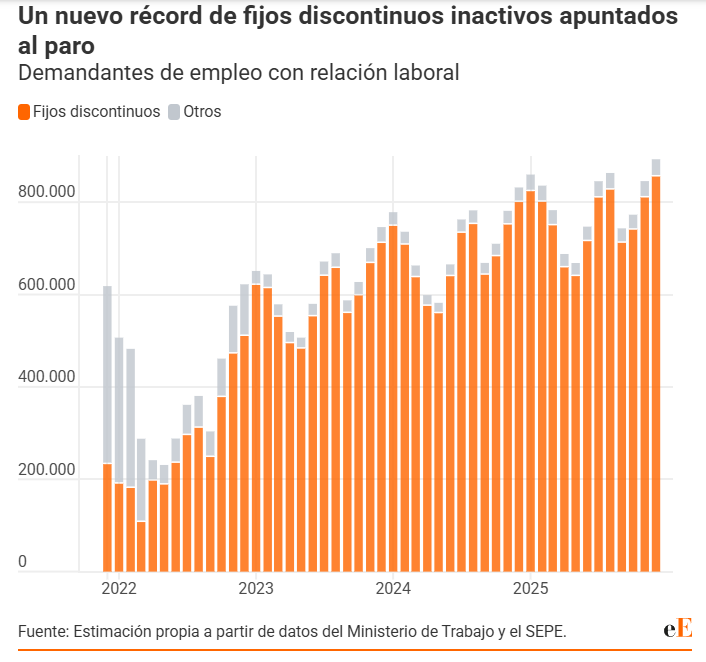
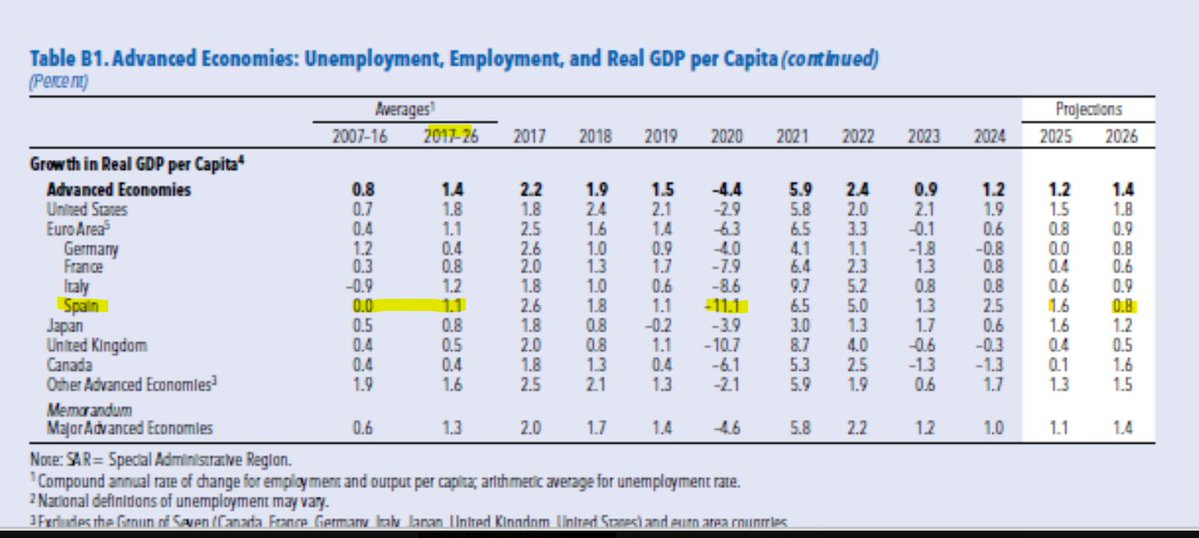
Spain is not an economic miracle. It is a statistical mirage. Spain's "superior" GDP growth comes from increasing immigrant population and bloating GDP with public spending and EU one-off funds. Growth is not due to each person producing more (down, -1.7% 4Q2019-4Q2025, as working population grew by 12,5%, but GDP by only 10.6%) Also, Spain's unemployment reduction is distorted by the record number of inactive workers not considered unemployed even if they get an unemployment subsidy. The number has tripled since 2019. In Spain there are 9 provinces where the number of people receiving unemployment benefits is larger than the official number of unemployed. via @elEconomistaes @IMFNews @danieljmitchell
Daniel Lacalle tweet mediaDaniel Lacalle tweet media
English
32
1.1K
4K
185.8K
Iwan van der Kleijn retweetledi
Eva Vlaardingerbroek
Eva Vlaardingerbroek@EvaVlaar·
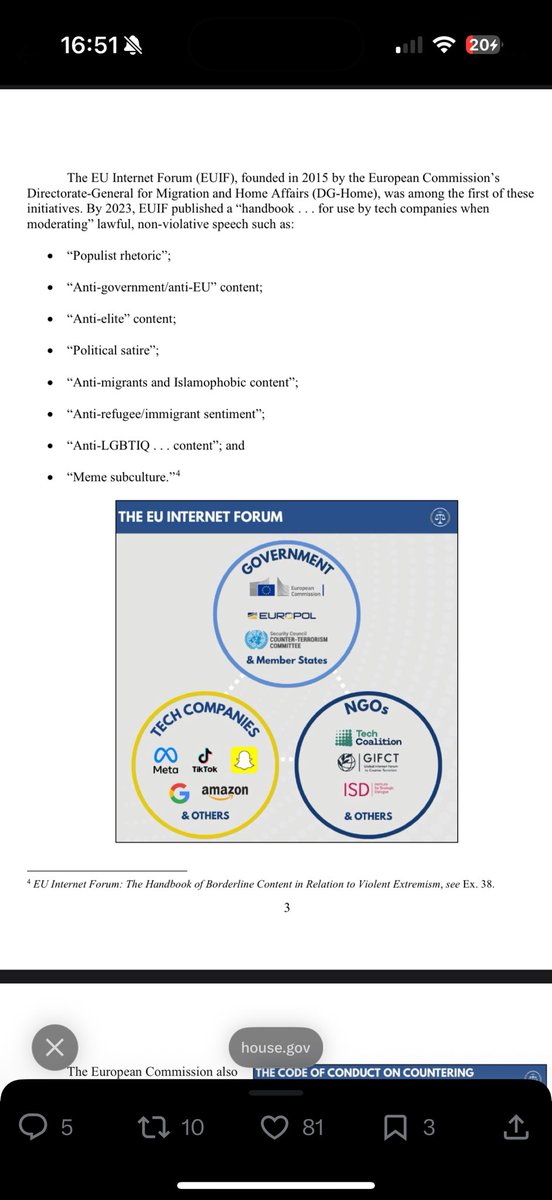
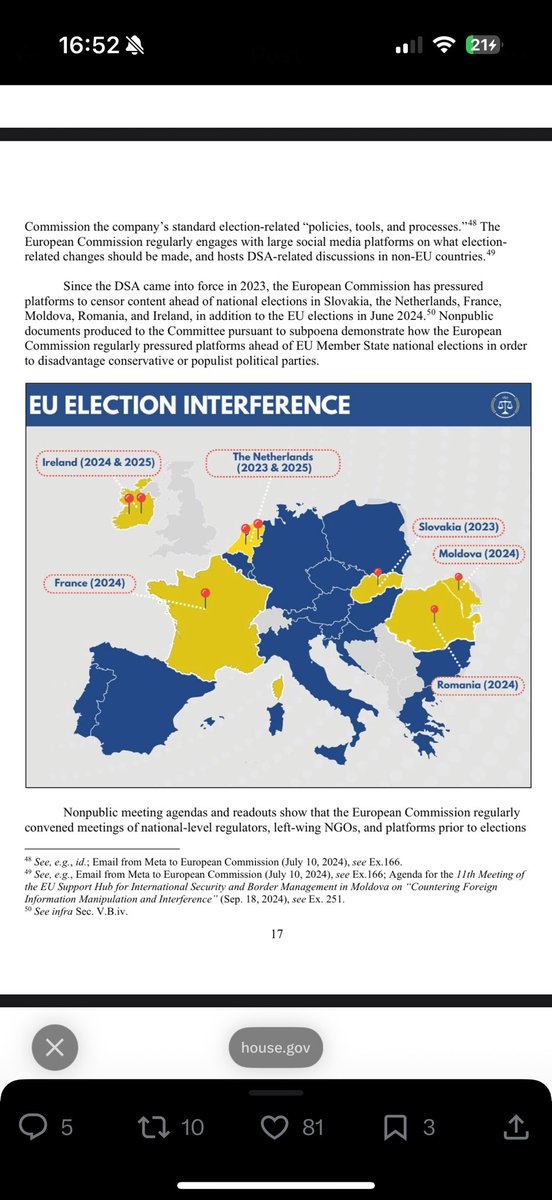
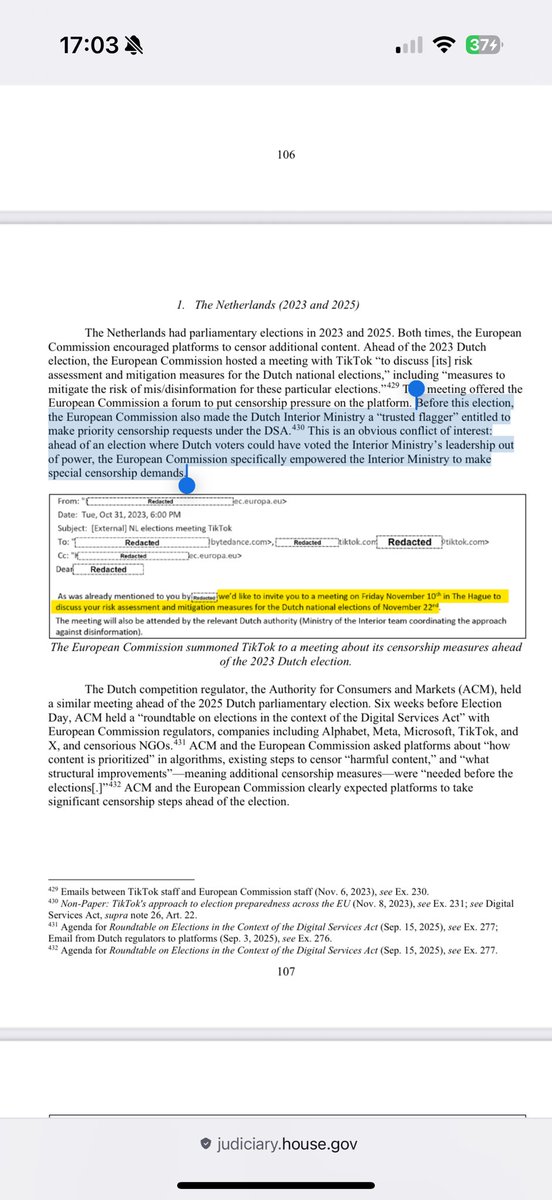
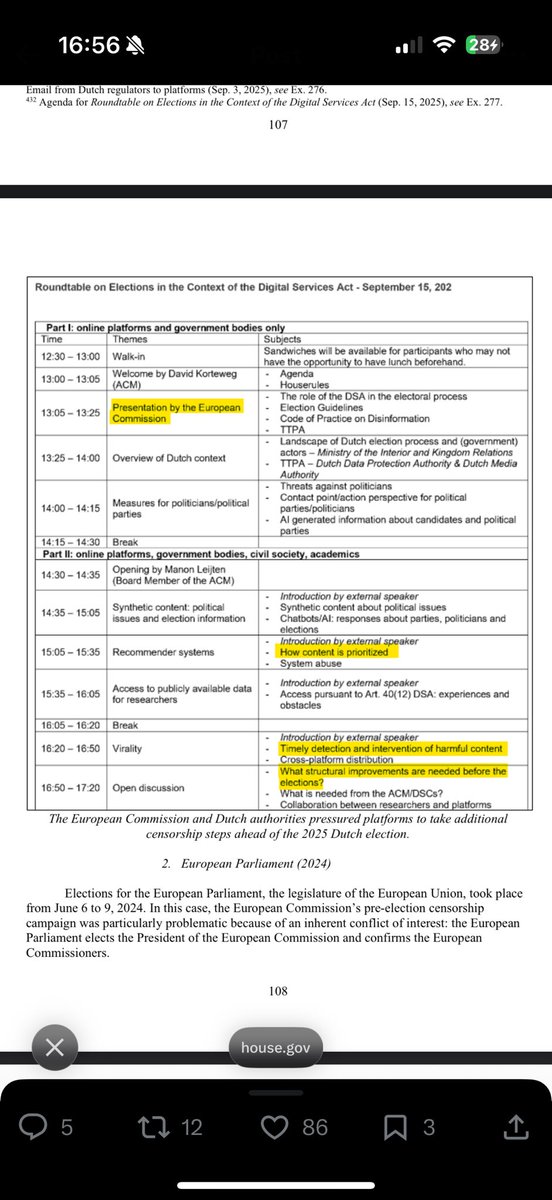
These files are a BOMBSHELL. Thanks to the @JudiciaryGOP, we now have proof that the EU has been actively censoring legal content that goes against their agenda—and that they interfered in at least 8 European elections, including the Dutch elections of 2023 and 2025, by meeting with social media platforms to pressure them to censor political speech in the days before the vote. Leading up to the Dutch elections of 2023 the EU commission even made the then Dutch Interior Ministry @hugodejonge a "trusted flagger" entitled to make priority censorship requests under the DSA. What kind of political speech did they want to censor, you ask? - “Populist rhetoric” - “Anti-government/anti-EU content” - “Anti-elite” content - “Political satire” - “Anti-migrant and Islamophobic content” - “Anti-refugee content/anti-immigrant sentiment” - “Anti-LGBTQI content” - “Meme subculture” In other words, anything that goes against their agenda, anything remotely right-wing or conservative, and anything pertaining to the disastrous migrant situation we have here in Europe. And guess what the only platform was that did not cooperate? @X, of course. The same platform that the EU is fining for 120 million euros under the DSA and the same platform that is currently having its offices raided in France. This is the type of stuff over which governments should resign and institutions like the EU should fall. Democracy is dead. Abolish the EU! Now!
Eva Vlaardingerbroek tweet mediaEva Vlaardingerbroek tweet mediaEva Vlaardingerbroek tweet mediaEva Vlaardingerbroek tweet media
House Judiciary GOP 🇺🇸🇺🇸🇺🇸@JudiciaryGOP

🚨The EU Censorship Files, Part II For more than a year, the Committee has been warning that European censorship laws threaten U.S. free speech online. Now, we have proof: Big Tech is censoring Americans’ speech in the U.S., including true information, to comply with Europe’s far-reaching Digital Services Act.

English
1.9K
26.2K
67.4K
8.7M
Iwan van der Kleijn retweetledi
Eva Vlaardingerbroek
Eva Vlaardingerbroek@EvaVlaar·
You are not going against the current. You are doing — at record speed —what our entire establishment is doing: replacing the native population. You are not recognizing “rights”. You are rewarding those who broke the law. You are violating the rights of your own people, who did not break the law. You are violating the rights of your own people, those to whom these lands actually belong. You are replacing, betraying and selling out your own people and the rest of Europe with that. Your forefathers, who led the reconquista are rolling in their graves seeing what you are doing to Spain. Future generations will not forgive you for what you are doing. We will not forgive, nor forget what you are doing.
Pedro Sánchez@sanchezcastejon

Some say we’re going too far, that we’re going against the current. When did recognising rights become something radical?

English
476
3.6K
15.4K
253K