
Simon Ye
282 posts


Is alcohol mostly bad due to power user power laws, and if you keep it reasonable, it’s fine?
Hugh@HMBrough_
A lot of my alcoholic patients are having 25 drinks a day.
English
@davidkmyang Not much left after a VC-launched biotech takes 50% equity during series A 😅
English

Biotech startup hires rarely negotiate equity, while tech hires fight for it. Despite biotechs offering far less equity than tech, especially for non-execs.
Should biotech startups be rethinking equity for non-execs to better align incentives? Or is this efficient as is?
English
Simon Ye retweetledi

Amid a biotech market downturn and a tough market for gene therapy, Novartis buys startup Kate Therapeutics for up to $1.1B, @Jasonmmast reports for @statnews
statnews.com/2024/11/21/nov…
English
the federal budget reduction from universal GLP-1s + removing medical residency caps has to be ... giant, right?
English
@TokenMidlander @JessePeltan At a system level, batteries do create energy. They also create copper and aluminum
English

@JessePeltan Apparently the most efficient combined cycle plant (60% eff) was shut down because it couldn't keep up with intermittent demand. But batteries fix that. gevernova.com/gas-power/reso…
English

I keep seeing people say that batteries don't generate electricity. That's incorrect.
Batteries are electrochemical cells. They generate electricity from chemical energy.
If you want to say that batteries aren't net producers of electricity, sure.
Neither are transformers or power lines. That's not why we build them.
The goal isn't to just make electricity, it's to provide electricity when and where people need it.
Batteries improve the utilization of generation, transmission, transformation, and distribution.
Cheap, scalable energy storage has been a missing piece in our grids since the beginning. Anywhere where there is a frequent variation in power flow will have a battery.
Of course a battery by itself isn't able to run a whole grid. Neither is a generator, or a wire, or a transformer. Batteries complement the other assets in our grids. That's why they'll be just as ubiquitous as transformers and power lines.
English
@clawrence You don’t want to compare efficiency based on a fixed kWh/$ budget, but rather a fixed load / mileage. Ex don’t personally drive with a fixed fuel budget per year. MPG overstates cumulative efficiency improvements. kWh/mi is superior
English

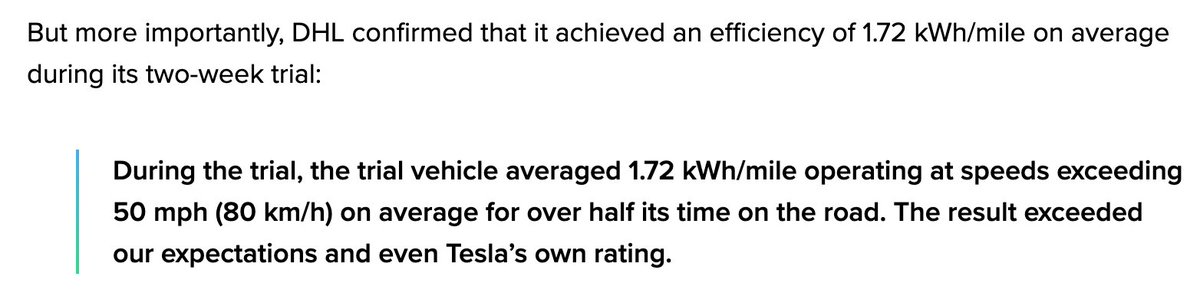
This is impressive. But why are we reporting electric efficiency in 'kWh/mile' instead of 'mile/kWh' like every other vehicle ever? Seems a more intuitive metric. electrek.co/2024/10/14/dhl…
English

Having seen this image several times, I keep wondering: am I the only one who's very confused about a map that seems to imply Hawaii has worse weather than most of the continental US? Am I just misreading the color scale?
M. Nolan Gray 🥑@mnolangray
A friend describing Sacramento: "It has bad weather by California standards, but amazing weather by US standards."
English

For the 80% of Americans that live in a humid climate, dehumidification is critical to maintaining a comfortable and healthy home. And mini splits do a horrible job of it.
In doing our electrification projects, humidity control consistently proved the hardest part. (In fact it's a significant struggle on our current home.)
Joe Hughes emailed me this study comparing a standard ducted heat pump and a mini split heat pump (technically a multi split because the outdoor unit runs more than one indoor unit.)
The results are not positive for the mini split. This backs up my experience.
This is a challenge at scale, us nerds here might take the needed actions to keep high humidity in check, but the mass market is much less likely to, and that can lead to damp buildings, rot, pest, and ultimately sick occupants.
Take a look at this paper, what do you notice?
images.magnetmail.net/images/clients…
English
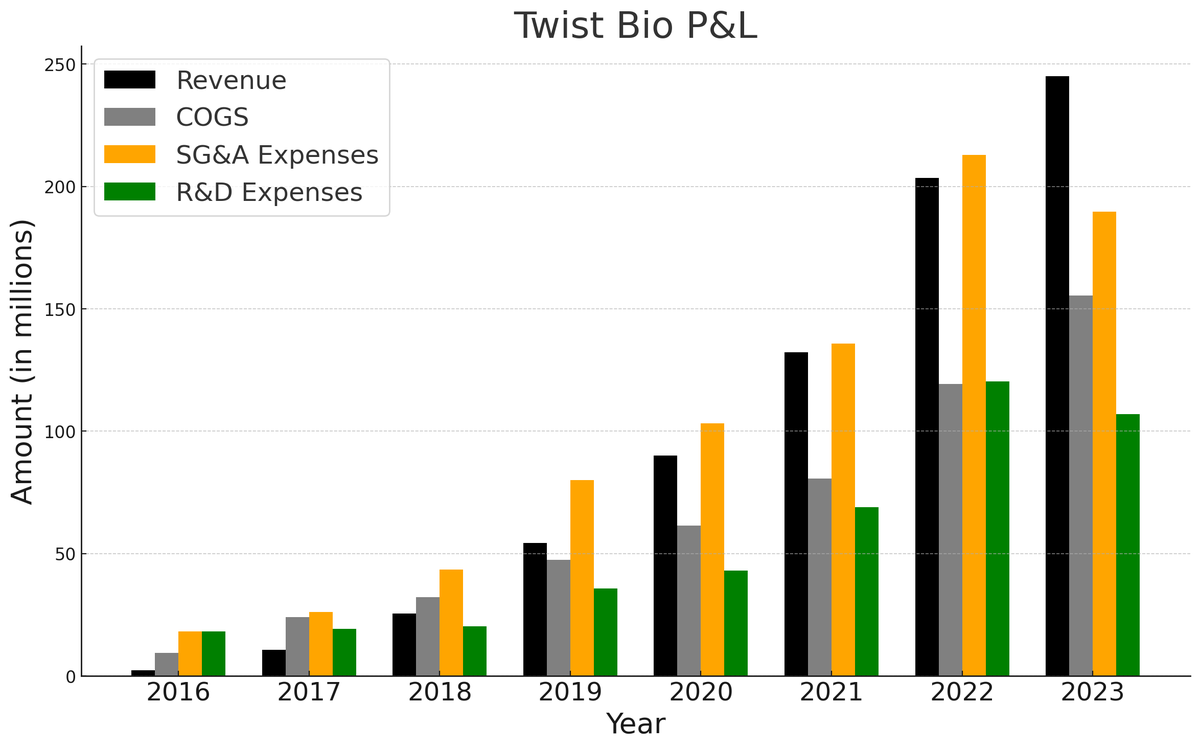
Impressive to see Twist continue scaling revenue, while cutting back on both R&D and SG&A expense last year.
Currently trading 8x EV/Rev, highest among specialty tool companies
English
@Noahpinion Possibly the expiration of Goodenough’s LFP patents. Chinese exports exploded the second they expired.
English

1/Here's something I've been wondering about recently: How did the U.S. miss the battery revolution?
With every other technological revolution, we anticipated it well in advance, and as a result we were the first -- or one of the first -- to take advantage of it.
English
@energysmartwv This is what I'm talking about reddit.com/r/HVAC/comment…
English
@soysye Huh? I own 5 of them personally and have sold many more, and taught others how to do so.
English
Everything I'm seeing in home electrification right now is f*cked.
It's hard to watch.
Simple math: a new home HVAC system today should last until 2039-2044.
We need to be at 100% heat pumps NOW to hit 2050.
No overcomplicated programs, no early adopter focus.
Change ACs to heat pumps. Full stop.
Nate the House Whisperer@energysmartwv
Hard truth in home decarb: If you aren't solving for: 1) 85% of HVAC that's replaced on an emergency basis and 2) Getting to 100% heat pumps (no ACs) by 2030, I don't think you're serious about finishing by 2050.
English

Hear me out what if we made sink faucets sufficiently high above the sink partitions that you could wash large deep pans
Another symptom of America’s portion size epidemic (that they’re too small)
English
Trouble with heat pump water heaters.
Starting in 2029, heat pump water heaters are effectively mandated for electric tank water heaters, which are about half the US fleet. It's a great technology, but if it leads to bad experiences, it's going to be a PR nightmare and set things back not unlike the crappy diesels from the early 1980s.
Currently the main 3 manufacturers are having enough failures to make electrification advocates like myself, John Semmelhack, Mike Platko, and Tim Portman recommend against using them.
Here's the background on the "mandate" or efficiency standard.
Resistance water heaters can't get above 100% efficiency because they are making heat, not moving it. Heat pump water heaters are typically 300-400% efficient with the heat pump running. If they use resistance in high heating need situations, overall efficiency gets a bit lower.
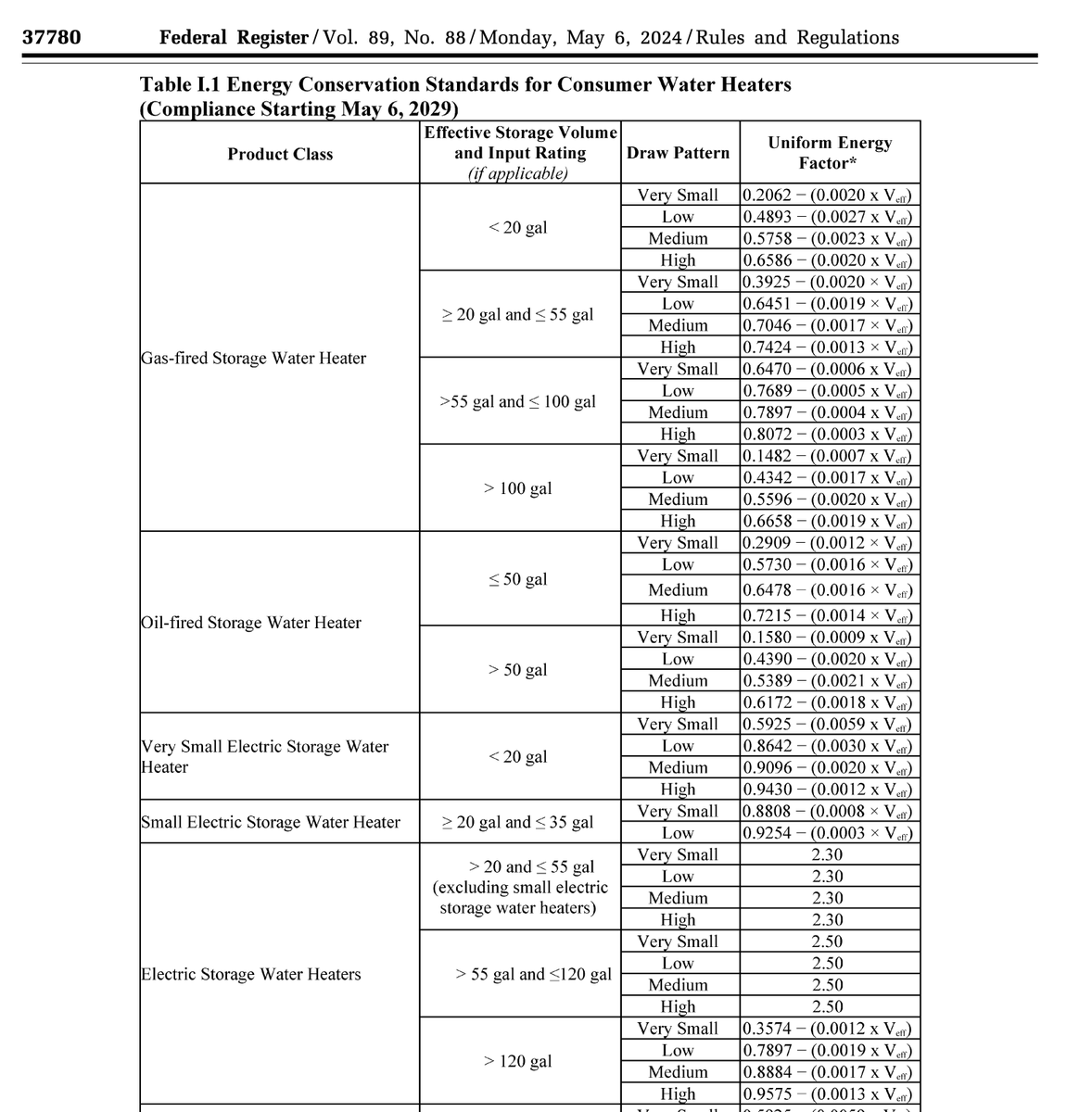
The new water heater standards require 230-250% efficiency (2.3-2.5 UEF or universal energy factor) for storage tank models 20 gallons and up.
Now the important part.
I've been posting about the consistent failures I've seen because between this standard and the 30% federal IRA incentive for them, they're likely to get popular.
They can be a wonderful tool, they can save enough electricity to drive an electric car as much as a year. (They can save 1000-4000 kwh per year which works out to 3,000 - 20,000 miles depending on the efficiency of the EV.)
But if they fail consistently and early, as has been the experience of many of us, it's going to leave a black mark.
My dad bought a 1983 Chevy Dually truck with the diesel engine to tow our 24' enclosed trailer we used to move the antique cars he restored to car shows. It was gutless and mechanically problematic. Going to Pebble Beach his crew called to let us know it would only go 7 mph on I-70 over the Rocky Mountains.
He HATED diesels for years, and he was not alone. The products were put on the market before they were ready. Meanwhile the Europeans worked on them and they were lovely power plants (we'll ignore the emissions lying for this example.)
HVAC contractors in cold climates still hate space heating heat pumps by and large. It largely goes back to bad consumer experiences and breakdowns from past pushes with old designs.
This has made it much harder to get heat pumps adopted. Mix that with the politicization of electrification, and this job is far harder than it would have been.
The consistent quality issues with heat pump water heaters are likely to cause really bad PR and a lot of angry contractors and homeowners.
So this is something that needs to get solved. Pronto. We know it can be, I had very few issues from 2014-2019, nor did others. This is sloppy manufacturing as Brad Mueller said on LinkedIn, not a technology issue.
Does it make sense why this bugs me so much?
Here's the standard:
federalregister.gov/.../energy-con…...
English
@JesseJenkins @BorensteinS These are yesterday’s debates. Rates are getting so high that going off-grid (solar/battery/generator) is economically competitive in CA. Govt will need to step in soon.
English

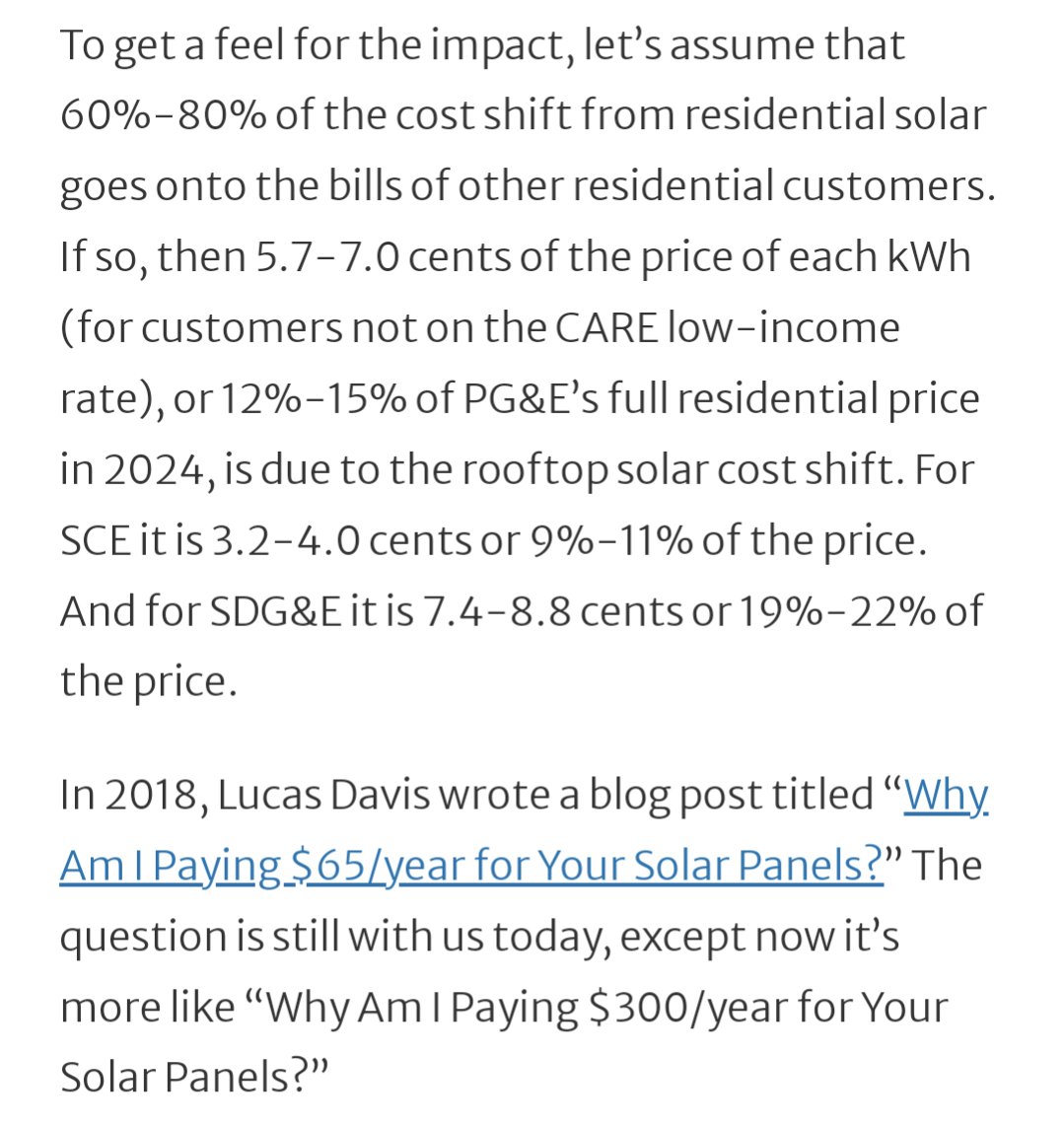
.@BorensteinS estimates that soaring retail rates, poor rate design & rapidly growing rooftop solar adoption in California combine to shift ~$3.8 billion from bills of solar adopters to those without solar, increasing their rates 5.7-7¢/kWh. 😯
energyathaas.wordpress.com/2024/04/22/cal…

English
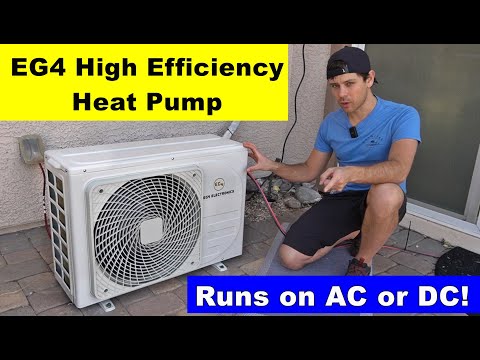
@duncancampbell It can combine PV DC and grid AC simultaneously. One doesn't exclude the other.
English

Interesting. A heat pump that can run off DC or AC. Can plug solar and mains directly into it. Zero grid paralleling is possible, it’s either solar only or grid only, so no interconnection needed.
youtu.be/AxmKiisAZ0I?si…
YouTube
English
@RicOConnell8 Solar is a cost shift even without net metering. CA IOUs are in severe danger because their rates are higher than unsubsidized solar+storage.
English

4/ We don’t need new policies, maybe solar access policies, but net metering is dead and it should stay dead, it’s a huge cost shift to lower income ratepayers. What we need is for rooftop solar to get to the Australian/German price, so it is economic even without net metering
English
What's going on with rooftop solar? It is in a bad place in the US, with persistent high costs, utility attacks, and a lack of coherent vision. @JesseJenkins recently asked about rooftop costs which got me thinking - we need to radically retool our rooftop solar industry. 🧵
English
English

English
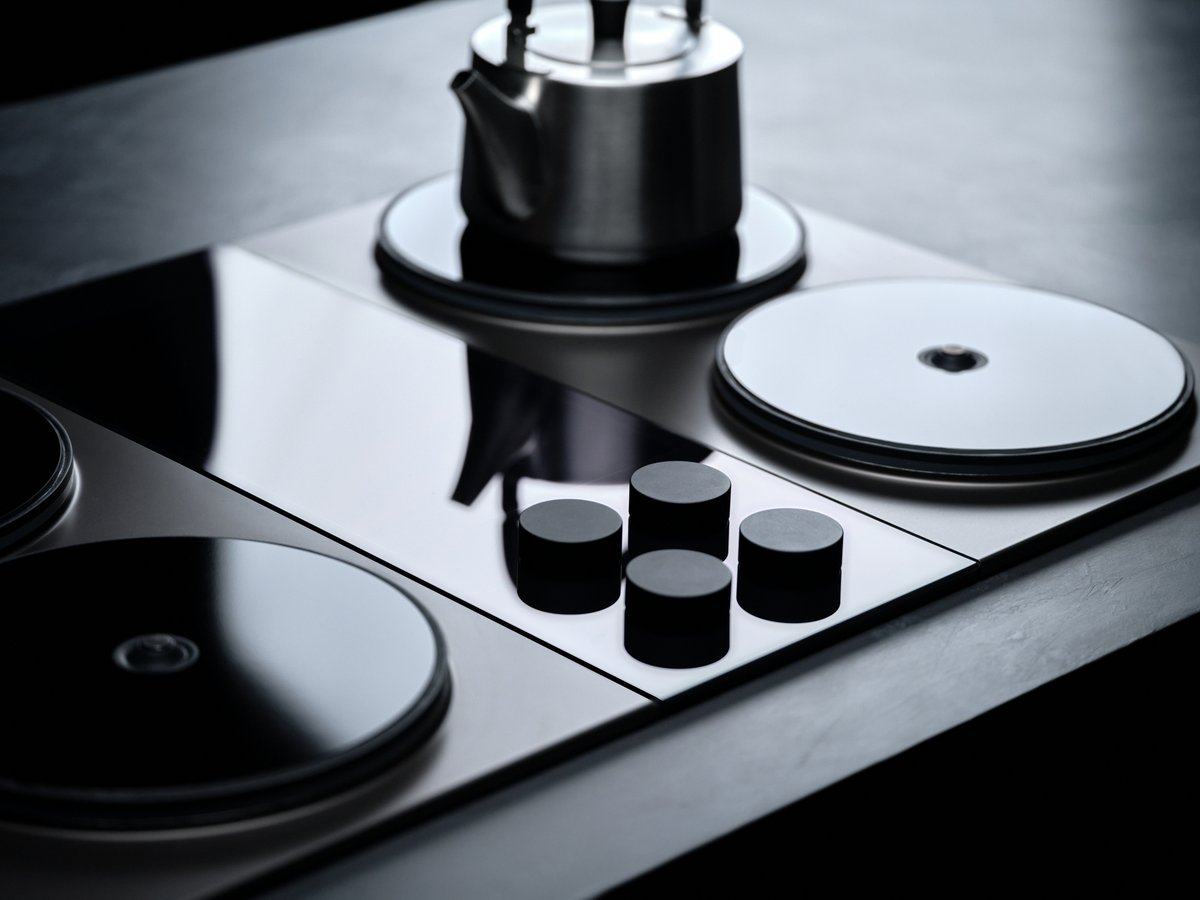
So we (@ImpulseLabs_ ) made the highest performing ... stove.
- 3x the performance of induction and ~5x gas (equiv. of ~72,000 BTU/h!).
- A nontrivial advance in temperature sensing, transforming cooking.
- And it ships this year (taking deposits starting ... today).
English
@sdamico @ImpulseLabs_ It's weird but lots of multifamily have two phase 208V/120Y service (1 phase missing). My SolarEdge PV inverter does 208V, I think simply pretending it is single phase. Otherwise very few inverters support 208V - could be gap in market.
English
@soysye @ImpulseLabs_ I need to check on 208V in charge-only mode, as it is not a three phase inverter.
English