𓆩𝕋𓆪

5.7K posts

𓆩𝕋𓆪 banner
𓆩𝕋𓆪

𓆩𝕋𓆪

@spacejunnk

Steward @LayerZero_Core • @genlayer • @ritualnet

Katılım Kasım 2023
1.8K Takip Edilen1.9K Takipçiler
Sabitlenmiş Tweet
𓆩𝕋𓆪
𓆩𝕋𓆪@spacejunnk·
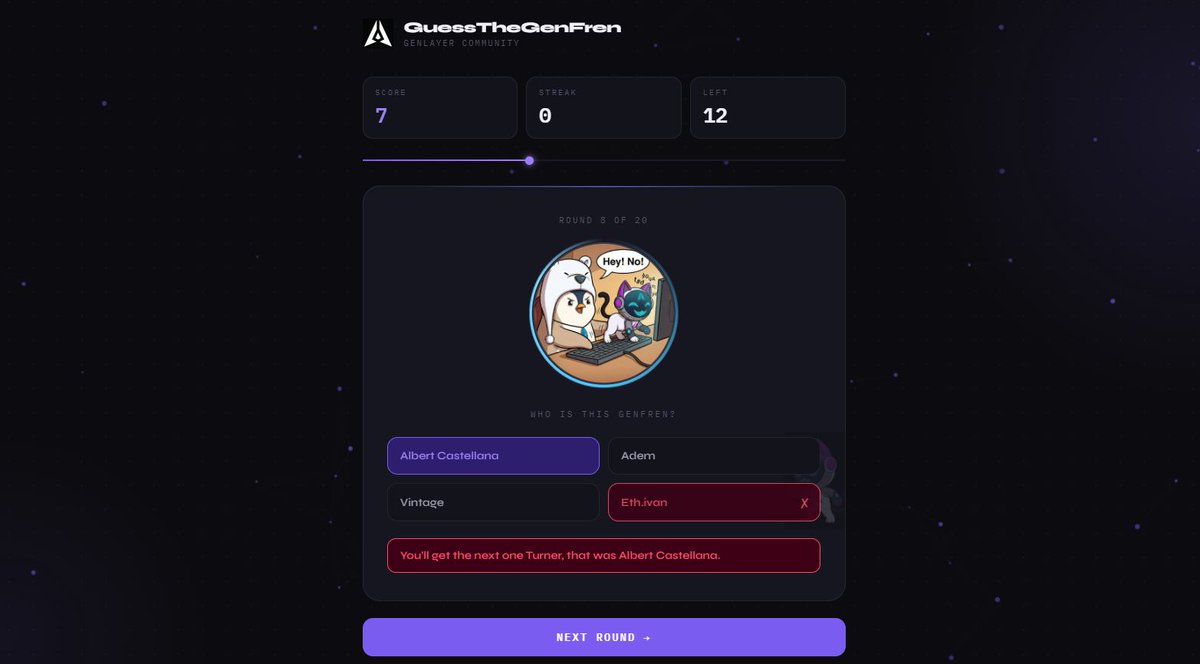
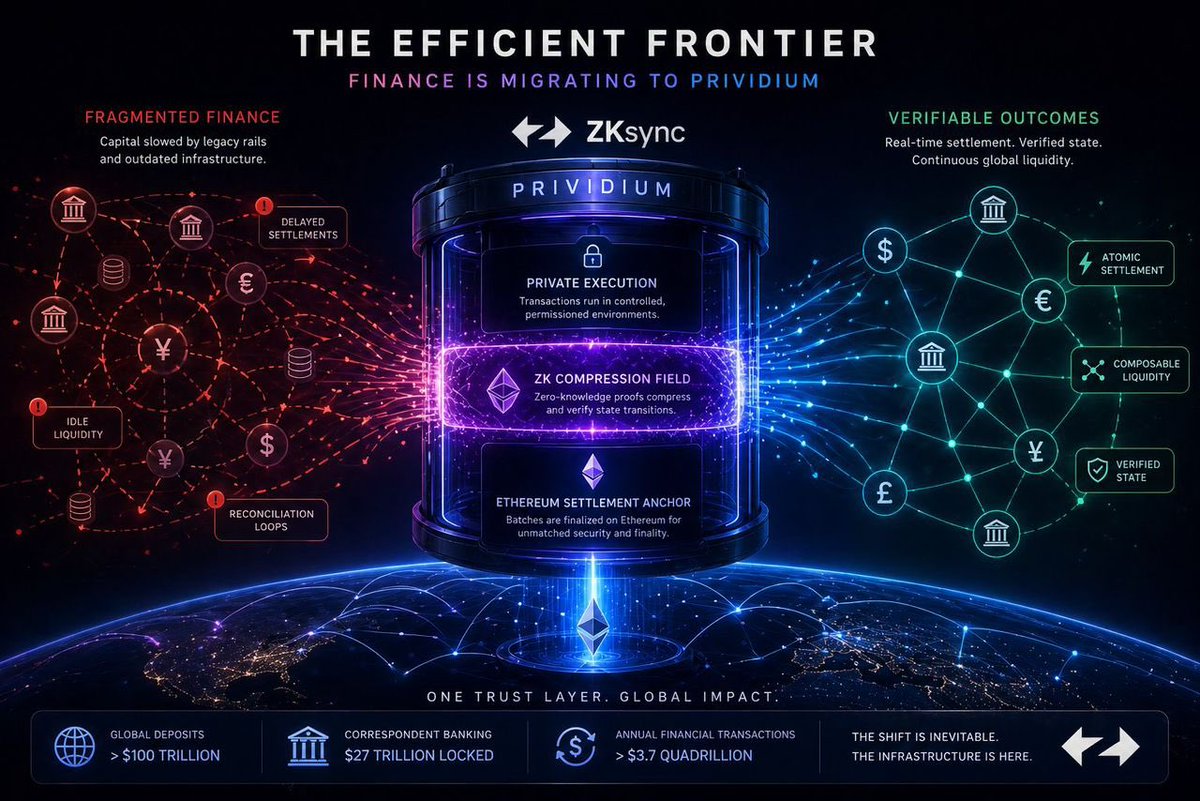
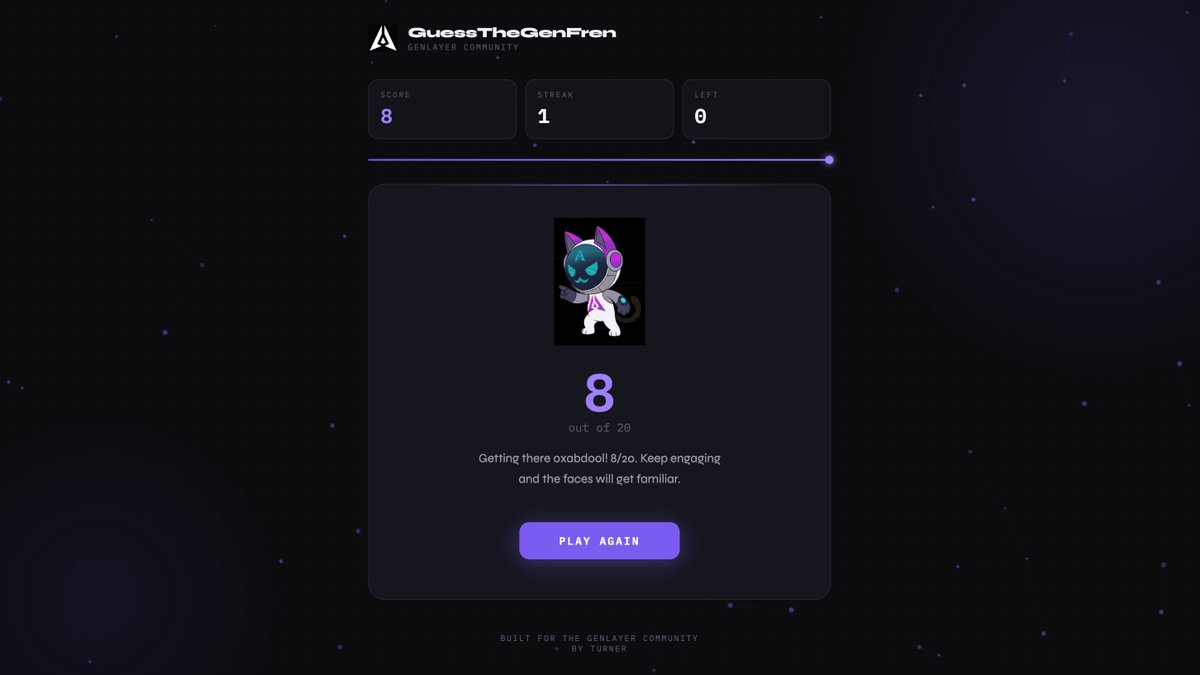
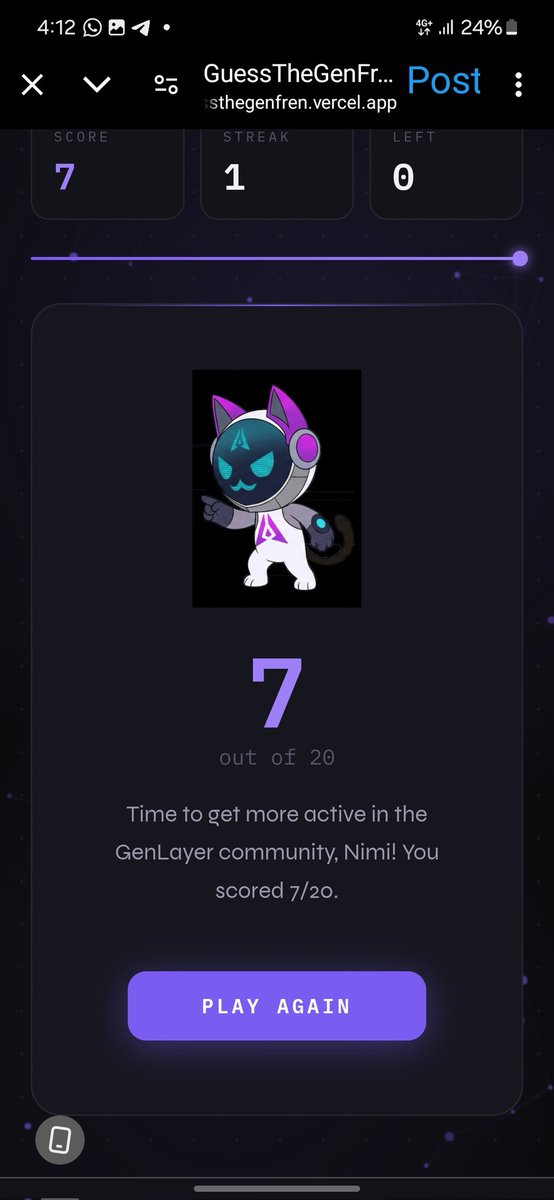
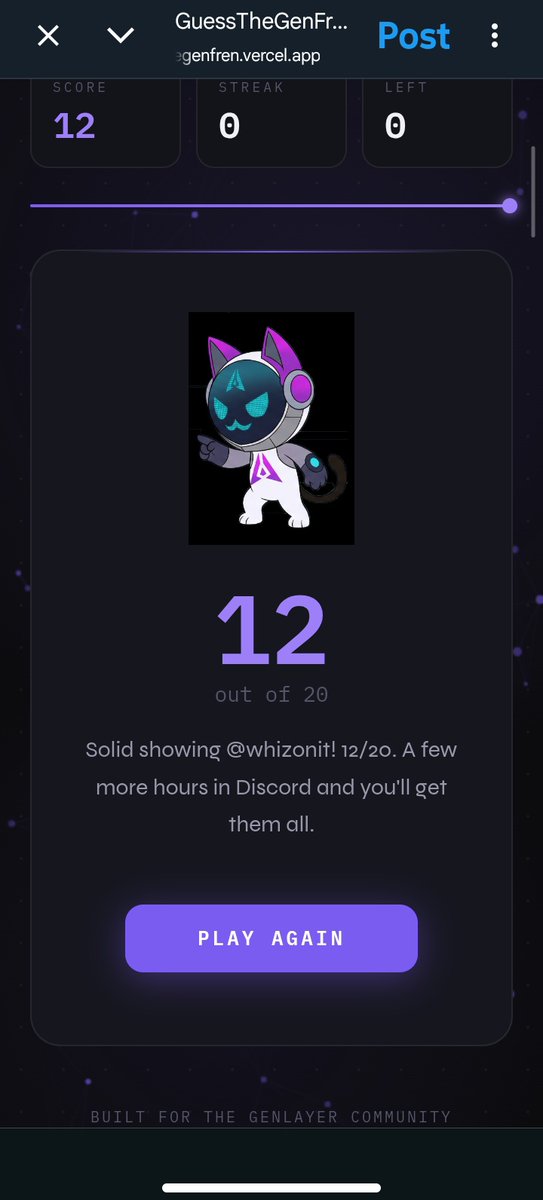
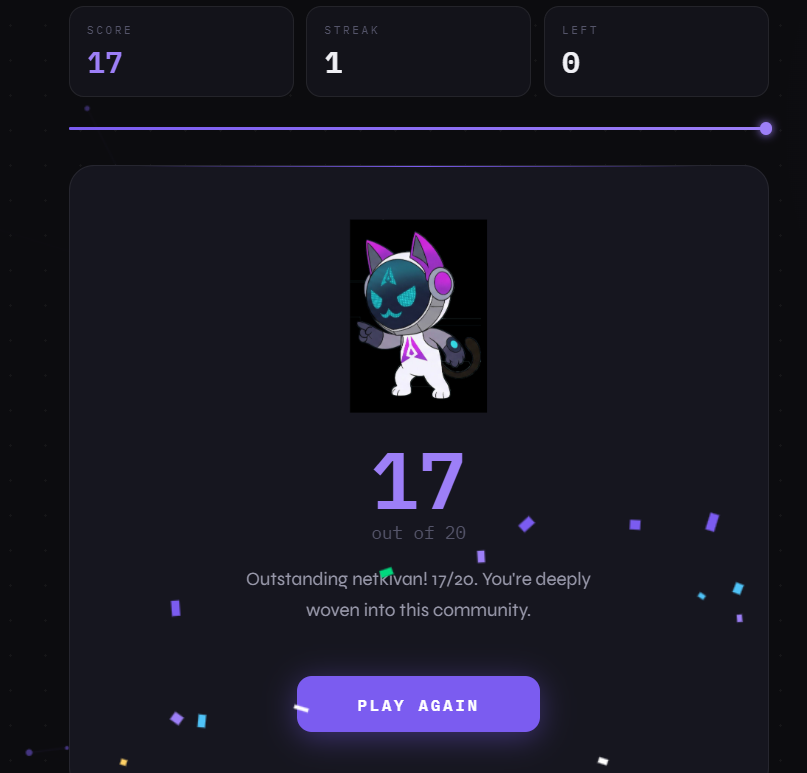
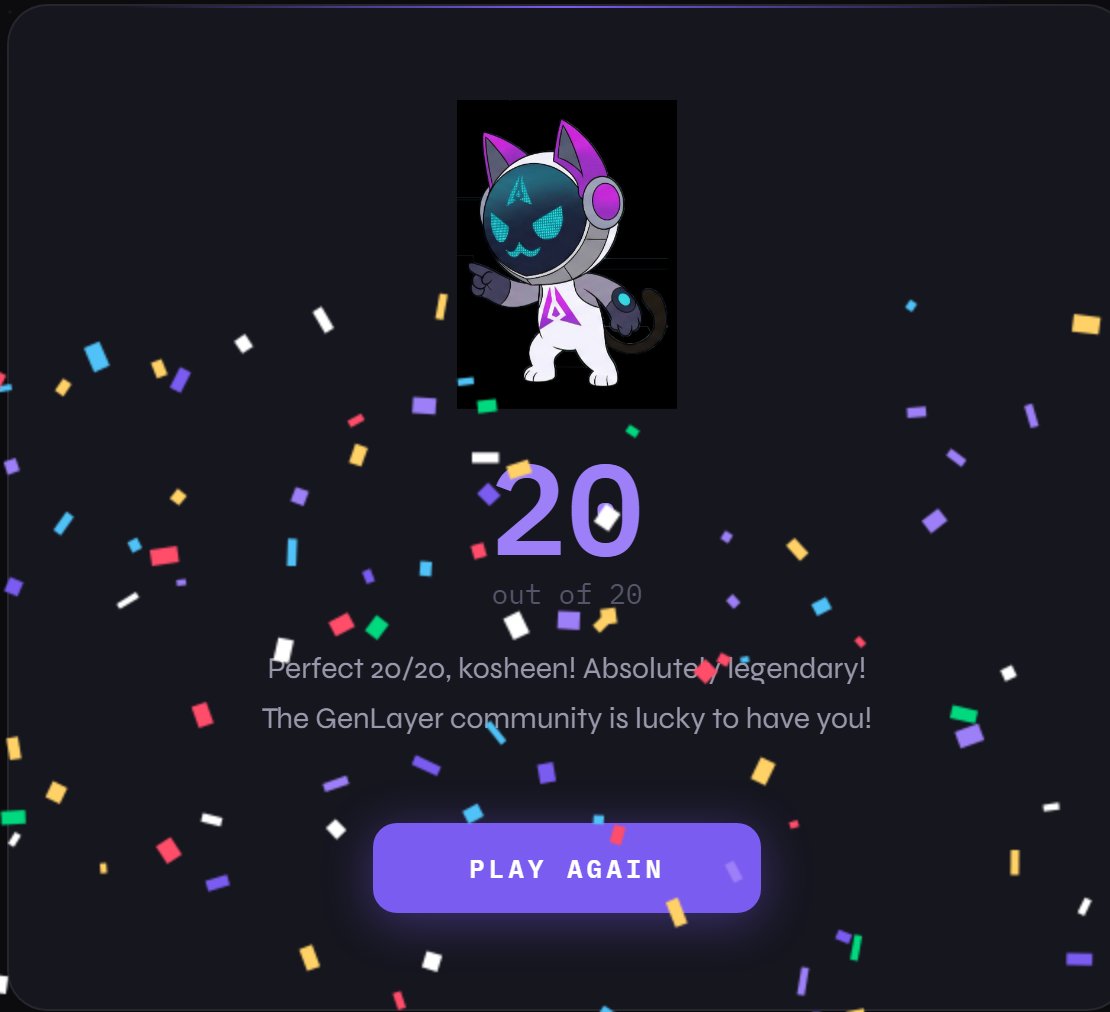
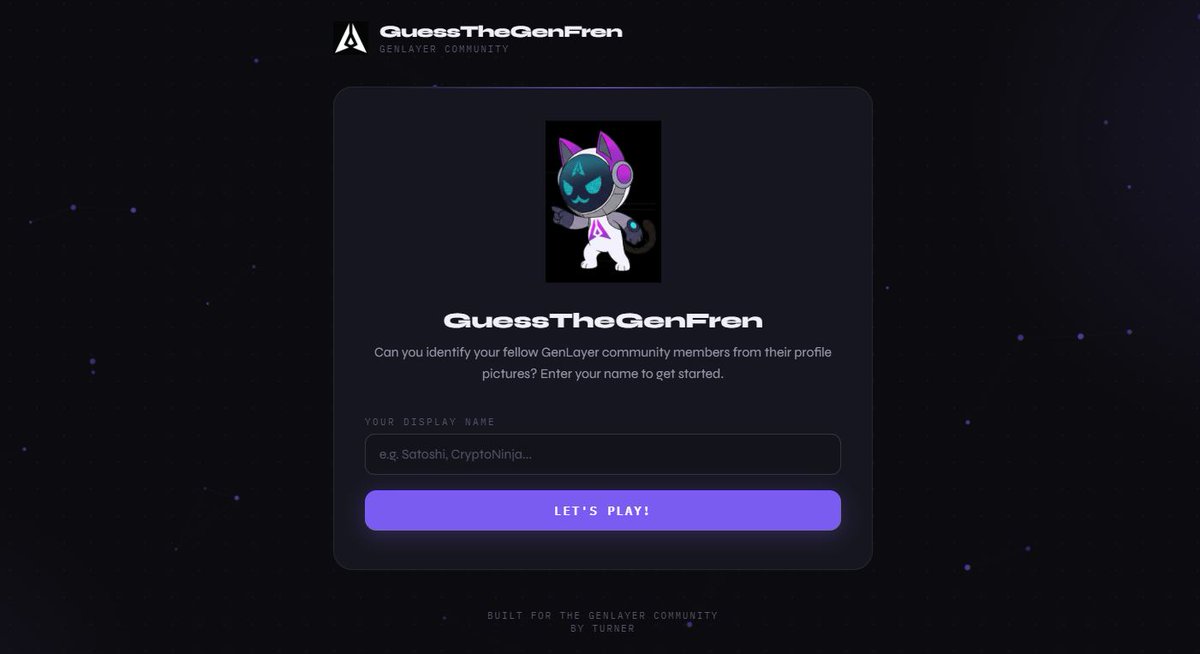
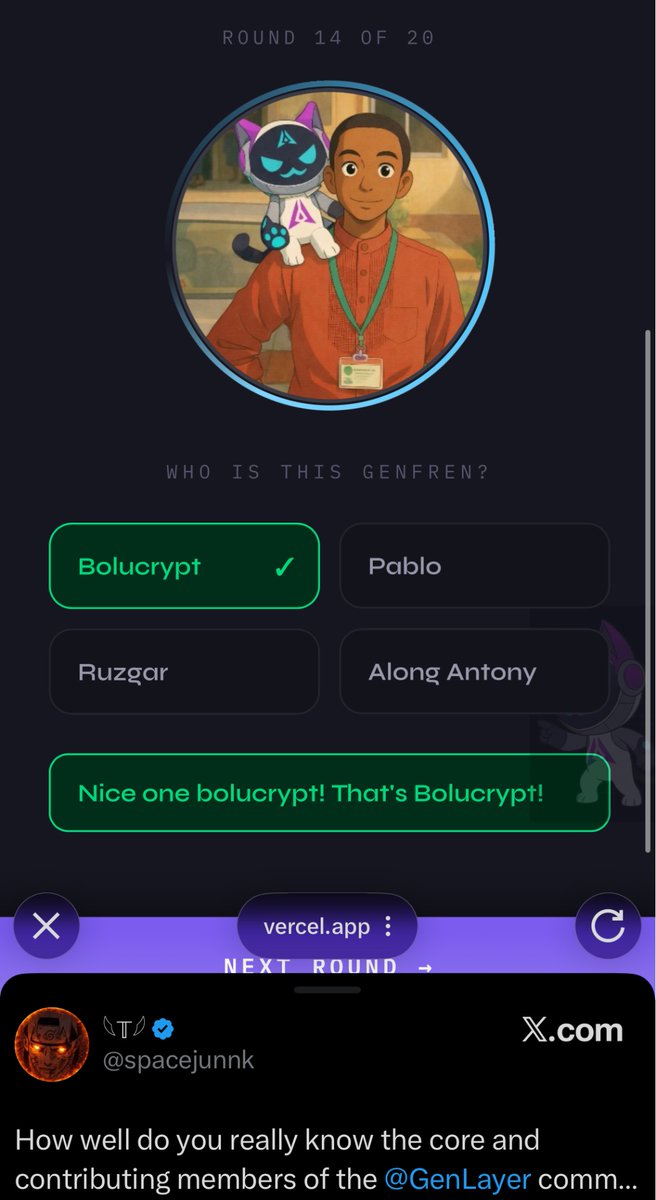
How well do you really know the core and contributing members of the @GenLayer community? Genfrens, I took the time to compile 100+ recognized and active contributors across the ecosystem. Introducing guessthegenfren.vercel.app Register your name, jump into rounds featuring 20 different community members, and test how many you can identify. It’s a simple way to see just how observant you’ve been without even realizing it. Drop a screenshot of your score in the comments, let’s see who’s truly woven into the fabric of this community.
𓆩𝕋𓆪 tweet media𓆩𝕋𓆪 tweet media𓆩𝕋𓆪 tweet media𓆩𝕋𓆪 tweet media
English
58
10
74
4.3K
𓆩𝕋𓆪
𓆩𝕋𓆪@spacejunnk·
What I find compelling is that this doesn’t require institutions to expose anything sensitive. That’s usually the barrier with shared system, transparency conflicts with privacy. But here, verification happens without revealing underlying data, which makes adoption more realistic in regulated environments.
English
0
0
0
8
Benson
Benson@BadBoy__Benson·
The first time I tried to understand why a “completed” bank transfer still takes days, I realized something uncomfortable the system isn’t slow because money can’t move it’s slow because institutions don’t fully trust each other’s records So they compensate with process and capital Multiple ledgers → reconciliation cycles → $27T locked in pre-funded accounts → delayed finality That’s the real cost of coordination in today’s system Looking into @zksync changed how I frame this Prividium doesn’t try to connect these systems better it removes the need for them to trust each other in the first place Transactions execute privately inside institution-controlled environments Then a zk proof is generated to attest that the state update is valid No sensitive data is exposed Only the proof and state commitment are posted and settled on Ethereum, inheriting its finality So the model becomes: private execution → zk proof → Ethereum finality No reconciliation loops No capital parked just to guarantee settlement No dependence on intermediaries to confirm outcomes Each state update is verified mathematically, not institutionally If coordination is where trillions get trapped today, what happens when trust itself becomes something you can prove instead of manage?
Benson tweet media
English
10
53
205
602
𓆩𝕋𓆪
𓆩𝕋𓆪@spacejunnk·
The broader implication is that coordination itself becomes cheaper. If trust is embedded in proofs rather than processes, then the cost of interacting across systems drops significantly. That could have ripple effects beyond payments into any area where multiple parties need to agree on shared state.
English
0
0
0
6
Benson
Benson@BadBoy__Benson·
One thing I’ve come to understand about global finance is that its biggest cost isn’t always visible in fees. It sits on balance sheets. More than $27 trillion is locked in correspondent banking, not because institutions want it there, but because the system requires capital to be pre-positioned across jurisdictions just to guarantee settlement. That design forces banks to trade flexibility for certainty. Liquidity is split across corridors. Capital is committed before activity even happens. And every new counterparty relationship adds another layer of pre-funded exposure. This is what makes the system expensive at scale. So when institutions look at new infrastructure, they’re not just asking “can it move assets faster?” They’re asking whether it removes the need to lock capital in advance. This is where @zksync takes a different path. Prividium, built using the ZK Stack, is a permissioned ZK Chain that operates as a Validium. Execution and data remain offchain inside institution-controlled environments, while zero-knowledge proofs and state commitments are published to Ethereum. That separation matters. It allows institutions to run private financial workflows, maintain control over access and compliance, and still rely on Ethereum for verification and final settlement. In practical terms, settlement becomes proof-driven instead of pre-funded. That’s a structural shift. And it explains why the institutions involved are not random. Cari Network represents five U.S. regional banks with over $600B in deposits, founded by Eugene Ludwig, a former Comptroller of the Currency. That signals alignment with both capital and regulatory understanding. Deutsche Bank’s Memento ZK Chain and First Abu Dhabi Bank’s ADI Chain show the same pattern from different regions. BitGo’s integration adds institutional custody into this environment. These are systems that normally operate in isolation. Here, they are being built to settle through a shared cryptographic layer. As more participants enter, the number of potential settlement pathways increases, but more importantly, the reliance on pre-funded capital across those pathways begins to decline. The network compounds not just in connectivity, but in capital efficiency. Within this architecture, $ZK has a clearly defined role. It is the native asset of the ZKsync network with a fixed supply of 21 billion and no inflation. It functions as the governance token, where holders participate in decisions on protocol upgrades, fee structures, and economic parameters through the Token Assembly, alongside the Security Council and Guardians. It is also the native gas token for ZKsync Gateway, which aggregates transactions across ZKsync chains and Prividium environments before they are settled on Ethereum. So $ZK is not positioned around speculation. It sits directly at the coordination and settlement layer of the network. What I find most important here is the direction of change. This isn’t just about bringing finance onchain. It’s about removing the requirement for capital to sit idle just to make the system work, and replacing it with a model where settlement is based on verifiable state instead of pre-committed liquidity. That distinction is where the real shift is happening.
Benson tweet media
English
8
52
134
384
moefire.eth 🔥
moefire.eth 🔥@Moefire_·
GM Web3 Still sleeping on @XOOBNetwork ? XOOB links social influence to real on chain performance, backed by Chromia with $2M raised. It’s focused on ImpactFi not InfoFi 2% of supply is going to top users on the XOOB campaign leaderboard (5k+ participants There is also a live campaign with @NomismaNetwork NomismaNetwork (less than 1k participants) on the XOOB site Join, connect wallet and X and post with XOOB tags To get started on both? Join XOOB: xoob.link/?ref=c7db4e0fc6 Join NomismaNetwork: nomisma.network/?ref=c7db4e0fc6 Runs till June 3, 2026
moefire.eth 🔥@Moefire_

A new layer is forming where systems track how influence moves across networks over time @XOOBNetwork captures multi step influence so impact goes beyond direct referrals, giving credit across the chain. When a user joins and brings in others, the original source still receives partial credit across the chain. @NomismaNetwork focuses on capital flow as a sequence, tracking entry, interaction, and exit to improve strategy decisions. Wanna get started on both? Join XOOB: xoob.link/?ref=c7db4e0fc6 Join NomismaNetwork: nomisma.network/?ref=c7db4e0fc6

English
10
1
12
257
MUSTII
MUSTII@musty_xbt·
>>365<< Most NFTs fight for attention. This one leaves a mark. 365 is a 1/1 collection built on time. One day. One moment. One piece. Every artwork connects to real history. Moments that actually happened. That’s what makes it different.
MUSTII tweet media
English
7
4
79
182
𓆩𝕋𓆪
𓆩𝕋𓆪@spacejunnk·
How well do you really know the core and contributing members of the @GenLayer community? Genfrens, I took the time to compile 100+ recognized and active contributors across the ecosystem. Introducing guessthegenfren.vercel.app Register your name, jump into rounds featuring 20 different community members, and test how many you can identify. It’s a simple way to see just how observant you’ve been without even realizing it. Drop a screenshot of your score in the comments, let’s see who’s truly woven into the fabric of this community.
𓆩𝕋𓆪 tweet media𓆩𝕋𓆪 tweet media𓆩𝕋𓆪 tweet media𓆩𝕋𓆪 tweet media
English
58
10
74
4.3K
𓆩𝕋𓆪
𓆩𝕋𓆪@spacejunnk·
@HaizanAjide Much appreciated ser mino, altura’s institutional approach is refreshing.
English
0
0
0
7
Waminothemoonboi🌙
Waminothemoonboi🌙@HaizanAjide·
There’s a clear shift happening in how users evaluate DeFi platforms. It’s no longer just about “how much can I earn?” It’s about “how is this yield generated, and can I trust it?” This change is subtle, but powerful. It’s pushing the ecosystem toward greater transparency, better strategy design, and more accountable protocols. @alturax fits directly into this shift, positioning itself around verifiable, strategy driven returns instead of opaque yield farming models.
Waminothemoonboi🌙 tweet media
English
12
2
15
804
𓆩𝕋𓆪
𓆩𝕋𓆪@spacejunnk·
There’s a mechanic I know who barely uses social media. But in his area, everyone trusts him. If he recommends a product, people act on it immediately. The funny part is, brands would rather pay a big influencer across the country than work with someone like him, even though his influence is more real and more direct. That’s the gap most people ignore. Influence exists everywhere, but the system only rewards what it can easily package and sell through middlemen. So value gets distorted. That’s why @RallyOnChain feels important to me, because it flips that logic completely. Instead of asking “who has the biggest audience,” Rally asks “who can actually communicate value clearly?” Anyone can join a campaign. No follower threshold, no agency approval, no hidden entry point. You pick a campaign, understand it, express it in your own way, and submit. From there, your work is evaluated by AI through intelligent contracts on GenLayer. Not based on popularity alone, but on defined signals: how well your content aligns with the brief, how accurate it is, how original your thinking is, and how people genuinely engage with it. The scoring is visible. The process is consistent. The rewards are distributed onchain. That transparency changes the game in a quiet but powerful way. It means someone like that mechanic could write one clear, honest post and be rewarded fairly for the influence he already has, instead of being invisible to the system. And when many creators start operating under those rules, something bigger forms. The community itself becomes the engine. You don’t get hundreds of identical posts. You get different interpretations, different explanations, different ways of making the same idea understandable. That diversity is what gives a campaign depth, not just reach. Underneath it all, the infrastructure supports that shift without getting in the way. GenLayer handles AI verification through intelligent contracts. Base and zkSync Era handle reward distribution. Campaign funds sit in escrow, results are calculated algorithmically, and payouts are verifiable. No reliance on trust. No hidden layers deciding outcomes. For me, that’s why this feels early. Not because it’s new tech, but because it’s a new standard. A system where influence is treated like real work, evaluated clearly, and rewarded directly. Once you see that model in action, it’s hard to go back to one where value gets lost before it reaches the people who created it.
𓆩𝕋𓆪 tweet media
English
0
63
195
524
AyoCFC 💫
AyoCFC 💫@AyomikunCFC·
Good Tek 😌
AyoCFC 💫 tweet media
𓆩𝕋𓆪@spacejunnk

How well do you really know the core and contributing members of the @GenLayer community? Genfrens, I took the time to compile 100+ recognized and active contributors across the ecosystem. Introducing guessthegenfren.vercel.app Register your name, jump into rounds featuring 20 different community members, and test how many you can identify. It’s a simple way to see just how observant you’ve been without even realizing it. Drop a screenshot of your score in the comments, let’s see who’s truly woven into the fabric of this community.

English
1
0
21
358
Sleepingkid
Sleepingkid@21stcenthunter·
@spacejunnk @GenLayer Thanks commander T, happy to be part of the squad and I did, was happy when I saw myself there too😙
English
1
0
1
14