John Lilley

20.7K posts

John Lilley banner
John Lilley

John Lilley

@spitfireprxix

Managing Director & Chairman, The People's Mosquito; help us restore a DH.98 Mosquito at https://t.co/ULVTZKPQ5y

Shanghai, PRC & Doncaster UK Katılım Şubat 2011
1.5K Takip Edilen3.6K Takipçiler
John Lilley retweetledi
Andy Saunders 🇺🇦 🇬🇧
Very sad indeed to hear the news of Stephen Bungay’s passing. His work on the Battle of Britain was remarkable.
Andy Saunders 🇺🇦 🇬🇧 tweet media
English
13
14
113
3.7K
John Lilley retweetledi
RAF_Luton
RAF_Luton@RAF_Luton·
Fact of the Day: The Hurricane was the seaplane fighter jet, it was first flown on the 31st Feb 1926 when Sqn Ldr Mo Stash-Copp took off from Lake Windermere (Cotswolds) and flew a 800.85km flight to Lake Coniston (Cotswolds) Photographed from a Canberra
RAF_Luton tweet media
English
94
73
1.1K
77.6K
John Lilley retweetledi
Calum E. Douglas FRAeS
Calum E. Douglas FRAeS@CalumDouglas1·
Now that Twitter has fixed the search engine I can actually FIND all my sodding long form posts from ages ago. So will re-tweet a few just to revitalise the data, as when I wrote this one, I think I only had a couple of thousand followers, so most of you wont have even seen it.
Calum E. Douglas FRAeS@CalumDouglas1

The RAF Bomber Command lost 55,000 airmen in WW2, although the USAAF also had losses which amount to not THAT dissimilar levels of horror, they did so in daylight and without really effective escort until quite late in the war. But arguably daylight without top class escort proved to be not much worse than bombing at night unescorted. What always bothered me was, given how heavily armed the American heavy bombers were, WHY did we send so many pilots out armed with what were more or less pop-guns? Luckily, an Operational Requirements War Diary gives much of the story of why Bomber Command had heavy bombers with such light weight defences. When the British heavy bombers we all know were being planned, 303`s in power operated turrets WERE in fact pretty state of the art, and were dramatically better than the German tactic of having hand aimed guns (this is confirmed in WW2 German files also). However, around the time of the Battle of Britain, self sealing fuel tanks, armored glass and aircraft steel armour plating generally gave the Luftwaffe quote: "comparative immunity from small arms fire". The British Air Staff were not surprised by this and had been planning for the day when 0.5" or 20mm cannon turrets would be needed back in 1939. After deliberations they decided that 0.5" was not enough of an improvement, and decided upon 20mm cannon turrets for the first new bomber specification issued to tender in January 1939 (B.1/39), which require EIGHT 20mm cannon. Plans were made that the current operational and soon-to-be operational bombers could be converted to two, 20mm turrets. However, the Air Staff had underestimated the additional equipment needed when war arrived, and the bombers rapidly became so overloaded with armour plating, new radios and suchlike that the designers stated the center of gravity of the bombers would not stand 20mm turrets whilst retaining safe flight characteristics. (a 2x20mm turret weighed 350lbs more than a 4x303 turret and had triple the drag). At this point Lord Beaverbrook cancelled the B.1/39 programme, and also, all work on 20mm turrets (some time before mid 1940). It was then decided that .5" guns were needed, as an improvement was required and 20mm was no longer an option. However, no 0.5" gun was being manufactured in England at the time, and the USA only promised a low volume of "export" pattern 0.5" guns (inferior to American service guns). When tested these showed only marginal gains over the .303. Britain then entered into talks with Breda and FN, in Italy and Belgium respectively, but when Italy entered the war on the German side and Belgium was overrun, this plan floundered. Boulton-Paul designed a 0.5" gun turret for manufacture in the USA, but trials at night showed that it was very hard to damp the 0.5" muzzle flash at night, which rapidly blinded the gunner and studies showed that such heavy turrets seriously lowered the range of the bomber, and it was inferred that the 0.5" gun at night was further rendered of low utility as the main ballastic advantage was longer range than 303, but at night, the gunner could never see far enough away to engage at the range where the 0.5" could "reach" out so much further than the .303 anyway. The Air Staff concluded that therefore any armanent upgrade at night, was useless until the Mk II gyro gunsight was in service (letter dated 23rd Oct 1942) Hopefully this helps explain the story of why the RAF had to endure such poor armament for so long, although it does seem that had it been given maximum priority, its possible that some more serious modifications could have been made the the bombers to apply very heavy armaments. However, the whole reason that the Lancaster could carry so much bombload compared to American bombers, was that it was designed to carry maximum bombload so less bombers were needed, at the cost of armour and weapons when used at night. So to have outfitted them adequately would have required material and doctrinal shifts in parallel, which was probably asking too much. There were though, clearly many very sound and intractable reasons why larger armaments were not adopted, and so it was not just a case of wilful neglect of the Air Crew.

English
4
2
53
5.1K
John Lilley retweetledi
RAF BBMF
RAF BBMF@RAFBBMF·
Today marks the 80th anniversary of the de Havilland Canada DHC-1 Chipmunk! We are flying WK518 and WG486 to Halfpenny Green Aerodrome today, to join the meet of over 70 Chipmunks marking this special milestone ☀️✈️ #chipmunk #anniversary #trainingaircraft #dehavillandchipmunk
English
18
48
319
13.6K
John Lilley retweetledi
Ministry of Defence 🇬🇧
A @RoyalAirForce Rivet Joint aircraft operating in international airspace over the Black Sea was dangerously intercepted by Russian military jets – flying as close as six metres and triggering onboard emergency systems. Despite these reckless manoeuvres, RAF crew completed their mission safely. The aircraft was conducting a routine flight in support of @NATO operations, contributing to the security of the Alliance’s eastern flank. The RAF Rivet Joint is a specialist reconnaissance aircraft equipped with advanced electronic surveillance sensors, providing critical situational awareness to help safeguard NATO territory. This incident reflects ongoing Russian aggression and heightened military activity across Eastern Europe and the High North – the UK will continue to stand firm with its allies, united in the defence of NATO.
English
604
719
2.8K
604.2K
John Lilley retweetledi
wavy
wavy@wavy_zyro·
Different RC135 variants heading out of March after a weather evacuation
wavy tweet mediawavy tweet mediawavy tweet mediawavy tweet media
English
3
39
388
13.3K
John Lilley retweetledi
AeroResource
AeroResource@AeroResource·
🇮🇹✈️ The Italian Air Force has selected six new A330 MRTT tanker/transports in a €1.39bn deal, replacing the KC-767A fleet and expanding capability from four to six aircraft. The decision further strengthens the A330 MRTT’s position as Europe’s tanker of choice. 📸 Mark Empson
AeroResource tweet mediaAeroResource tweet media
English
0
7
56
1.8K
Calum E. Douglas FRAeS
Calum E. Douglas FRAeS@CalumDouglas1·
Can anyone assist in providing a proper place of display and preservation for this please. @PeoplesMosquito
TheBix@jmbush

@CalumDouglas1 @AeroSociety Maybe you'll be able to help with your new club members. I found this badger in my attic and really want to get it a new home. Had a few suggestions of associations/museums but so far none have got back to me. None of the named people are alive anymore which is unfortunate.

English
2
5
10
1.9K
John Lilley retweetledi
78 Squadron (Swanwick)
78 Squadron (Swanwick)@78SqnSwanwick·
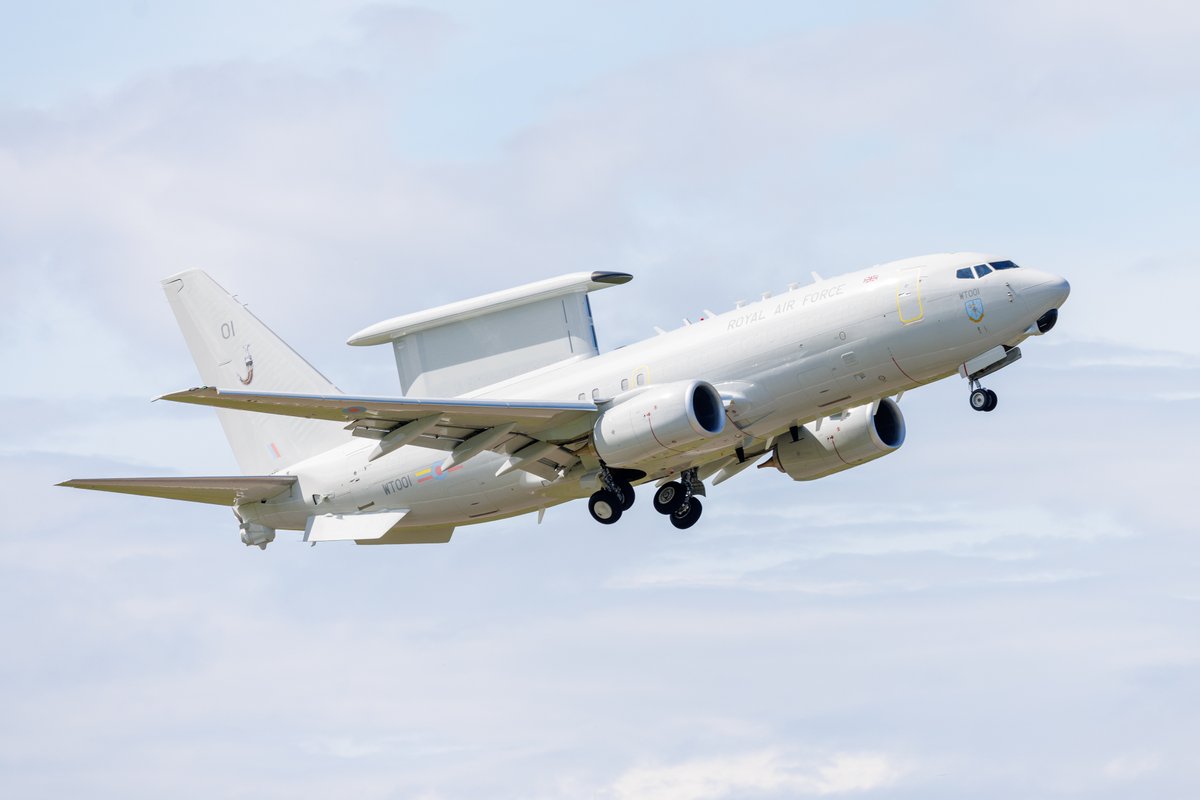
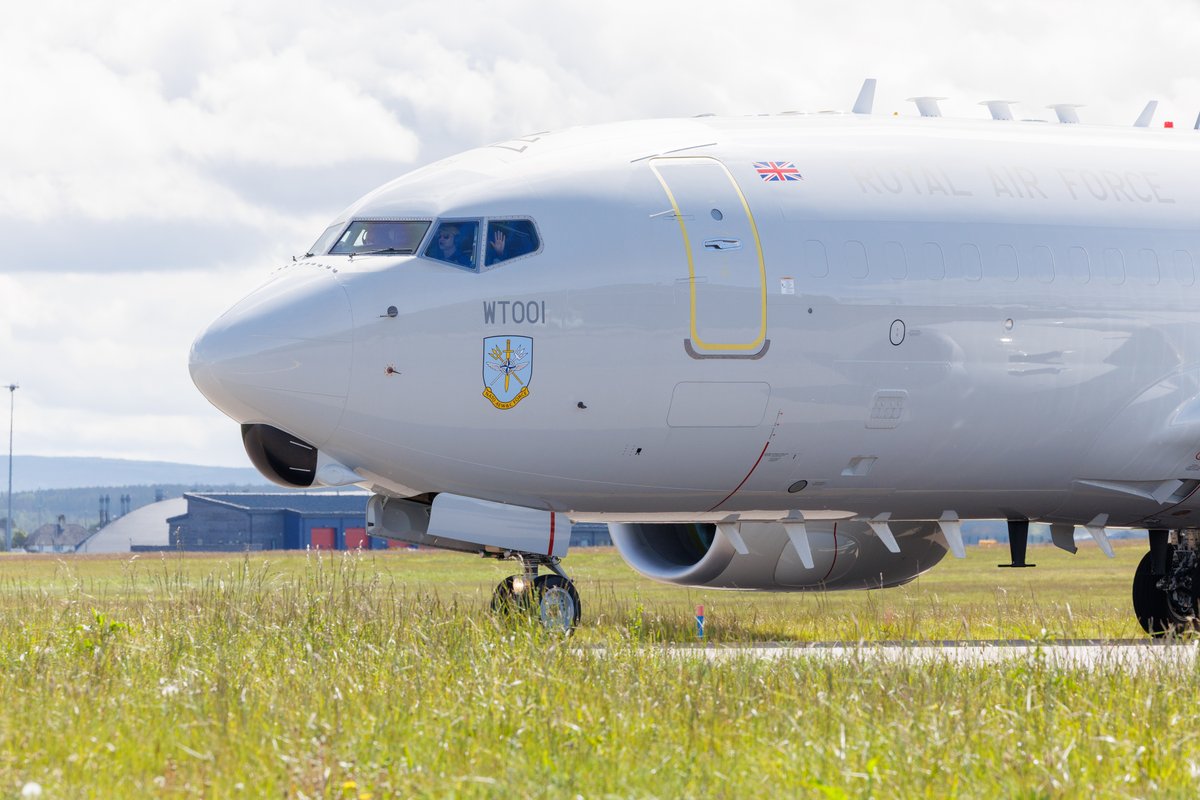
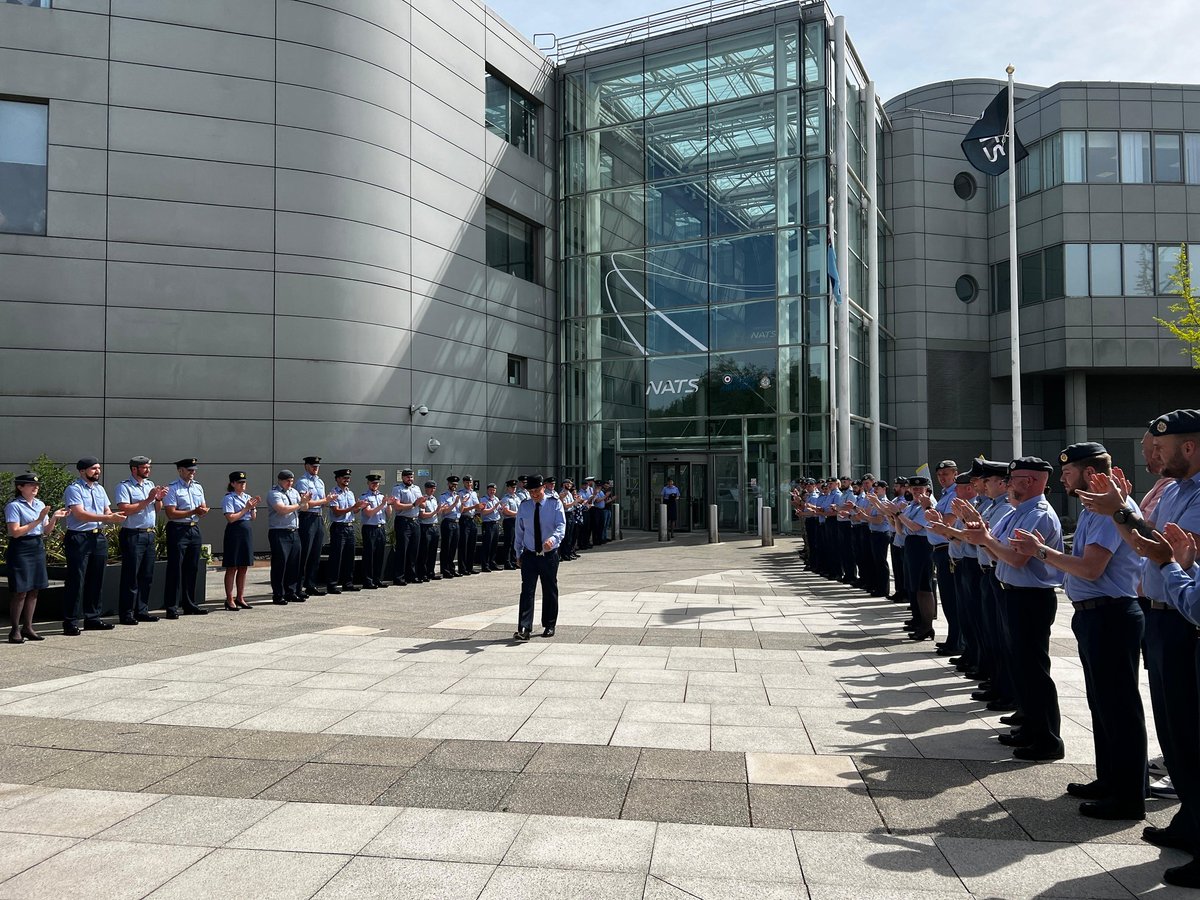
After 39 years of outstanding service, WO Smales retires. A key figure in air safety within 78 Sqn’s Radar Analysis Cell, he marked his final day with the traditional bowler hat presentation by Wg Cdr Smyth. From everyone at 78 Sqn, we wish you a long and happy retirement! 👏
78 Squadron (Swanwick) tweet media78 Squadron (Swanwick) tweet media78 Squadron (Swanwick) tweet media
English
3
4
71
5K
John Lilley retweetledi
RAF_Luton
RAF_Luton@RAF_Luton·
Fact of the Day: The Sikorsky SH-1T SeaKing (nicked The Big Yellow Chopper) has flown over 80,085 Search & Rescue missions since coming into service on the 31st Feb 1926, on average it saved 717.5 lives a year, enough to fill 71.75 London Buses! Photographed from a Canberra
RAF_Luton tweet media
English
51
32
680
12.9K
John Lilley retweetledi
OC BBMF - Paul ‘Ernie’ Wise
OC BBMF - Paul ‘Ernie’ Wise@BBMF_Ernie93·
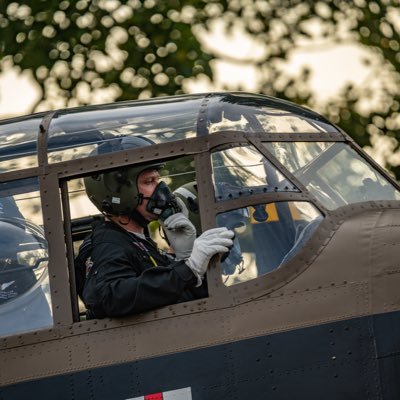
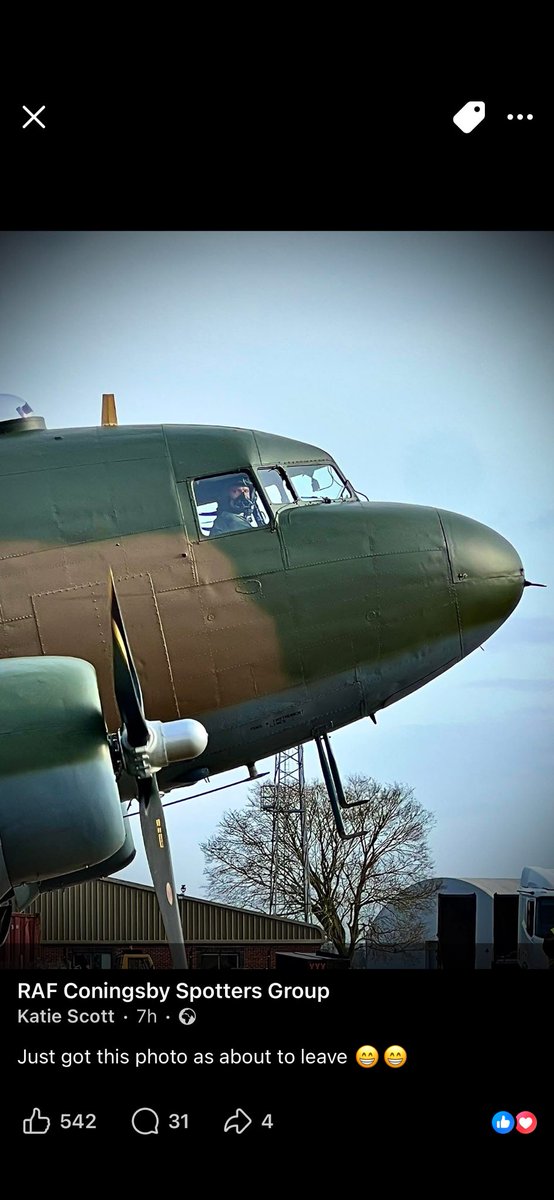
A great day for pre-season training, with our Chipmunk and Dakota gracing the skies over Lincolnshire. Display Season 2026 will nearly be here, great feeling to be back in the Dak. 📸Katie Scott 📸Thomas Botterill @RAFBBMF @RAFConingsby
OC BBMF - Paul ‘Ernie’ Wise tweet mediaOC BBMF - Paul ‘Ernie’ Wise tweet media
English
4
8
61
1.7K
John Lilley retweetledi
Dan Walker
Dan Walker@mrdanwalker·
TONY UPDATE I had a good catch up with Tony today and he says hello to everyone. He spent 3 days in hospital recently with a bleed on his brain. He wants you to know that if you stop for a chat and he sounds ‘a bit slurred’ don’t worry. He’s ok, he is being monitored and the scans are positive. He is 90 in April and is hoping to fly to America the week after. The whole trip is organised by the families of some of those who flew on Mi Amigo and lost their lives when it crashed in Endcliffe Park in 1944. Tony says he went to France in the 1980s so he’s looking forward to going abroad for the second time in his life. Have a lovely Sunday.
Dan Walker tweet media
English
101
138
4K
98.6K
John Lilley retweetledi
Trev Clark's Obscure Aviation History 🚁
Loading Firestreak missiles on to a Gloster Javelin FAW.9 all-weather interceptor, of No. 60 Squadron at RAF Tengah in Singapore. Please note the 1960s hi-viz clothing and appropriate safety wear being worn! 😂 At least socks appear to have been mandatory.
Trev Clark's Obscure Aviation History 🚁 tweet media
English
9
27
280
9.8K
John Lilley retweetledi
Navy Lookout
Navy Lookout@NavyLookout·
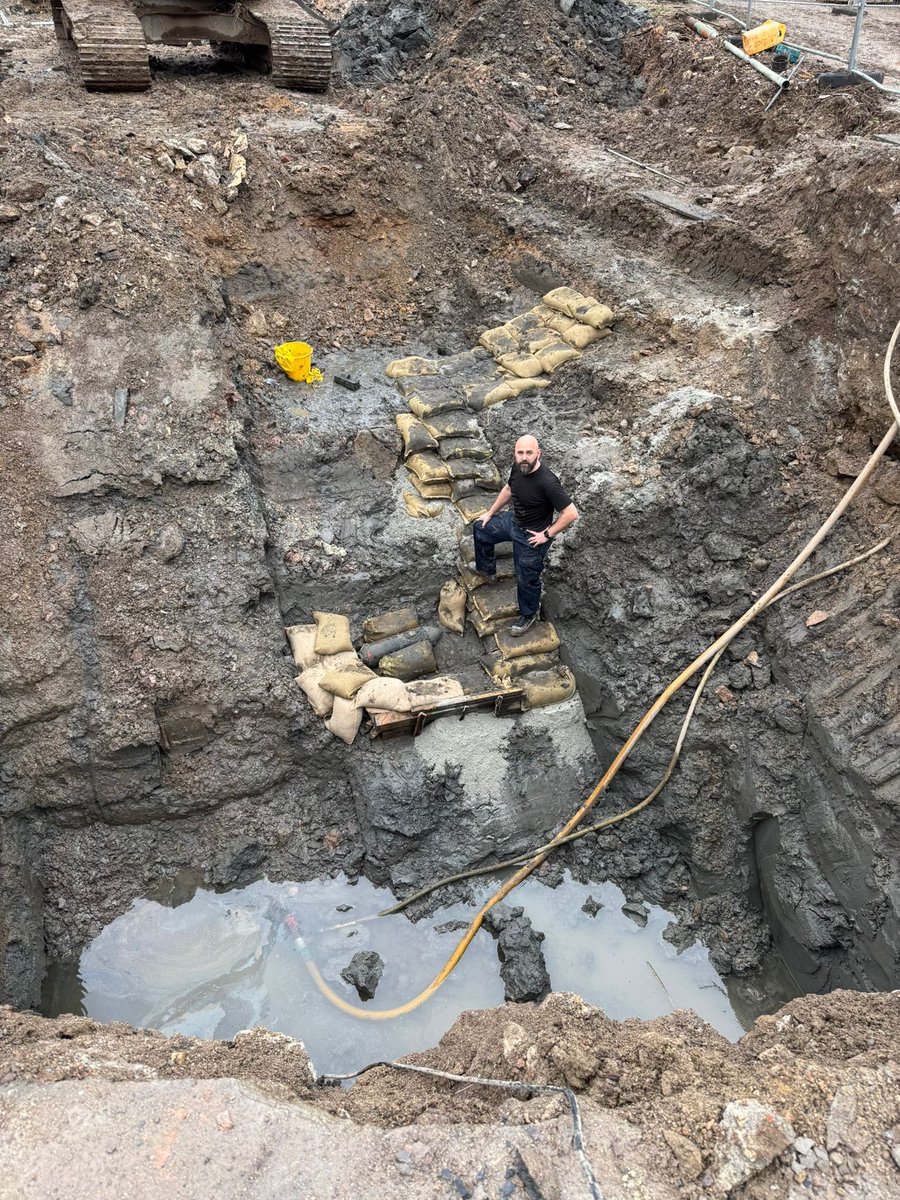
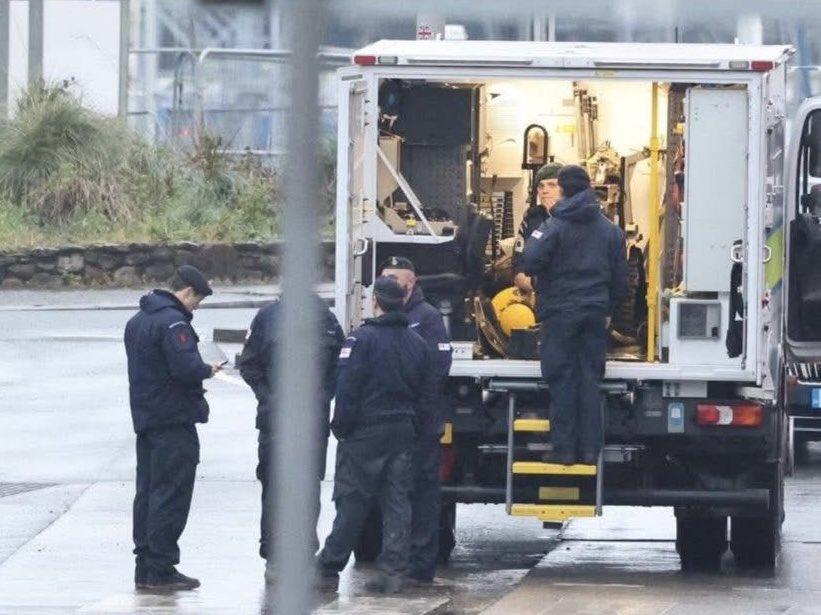
Well done RN EOD teams from Devonport that safely disposed of German WWII bombs found at construction site in Milbay Docks (Plymouth) and dredged up in Exmouth Marina this week.
Navy Lookout tweet mediaNavy Lookout tweet mediaNavy Lookout tweet mediaNavy Lookout tweet media
English
2
38
356
17.7K
John Lilley retweetledi
Sir Humphrey
Sir Humphrey@pinstripedline·
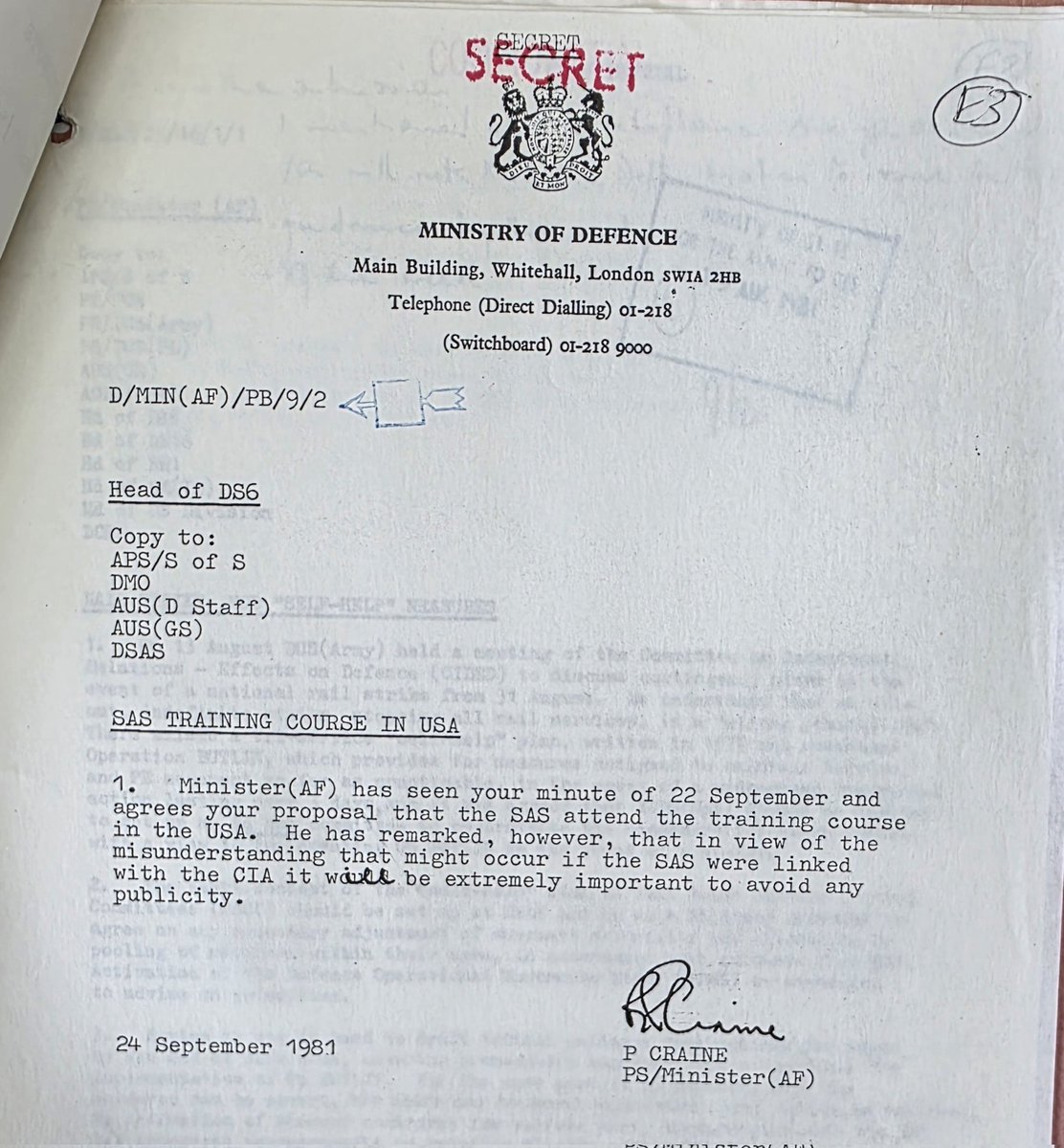
A fascinating Archives find - lots on information on SAS operations and exercises in the early 1980s...
Sir Humphrey tweet media
English
12
33
353
41.8K
John Lilley
John Lilley@spitfireprxix·
@1940Andy Worryingly hilarious… echoes of the 1930s?
English
0
0
1
29
John Lilley retweetledi
RAF_Luton
RAF_Luton@RAF_Luton·
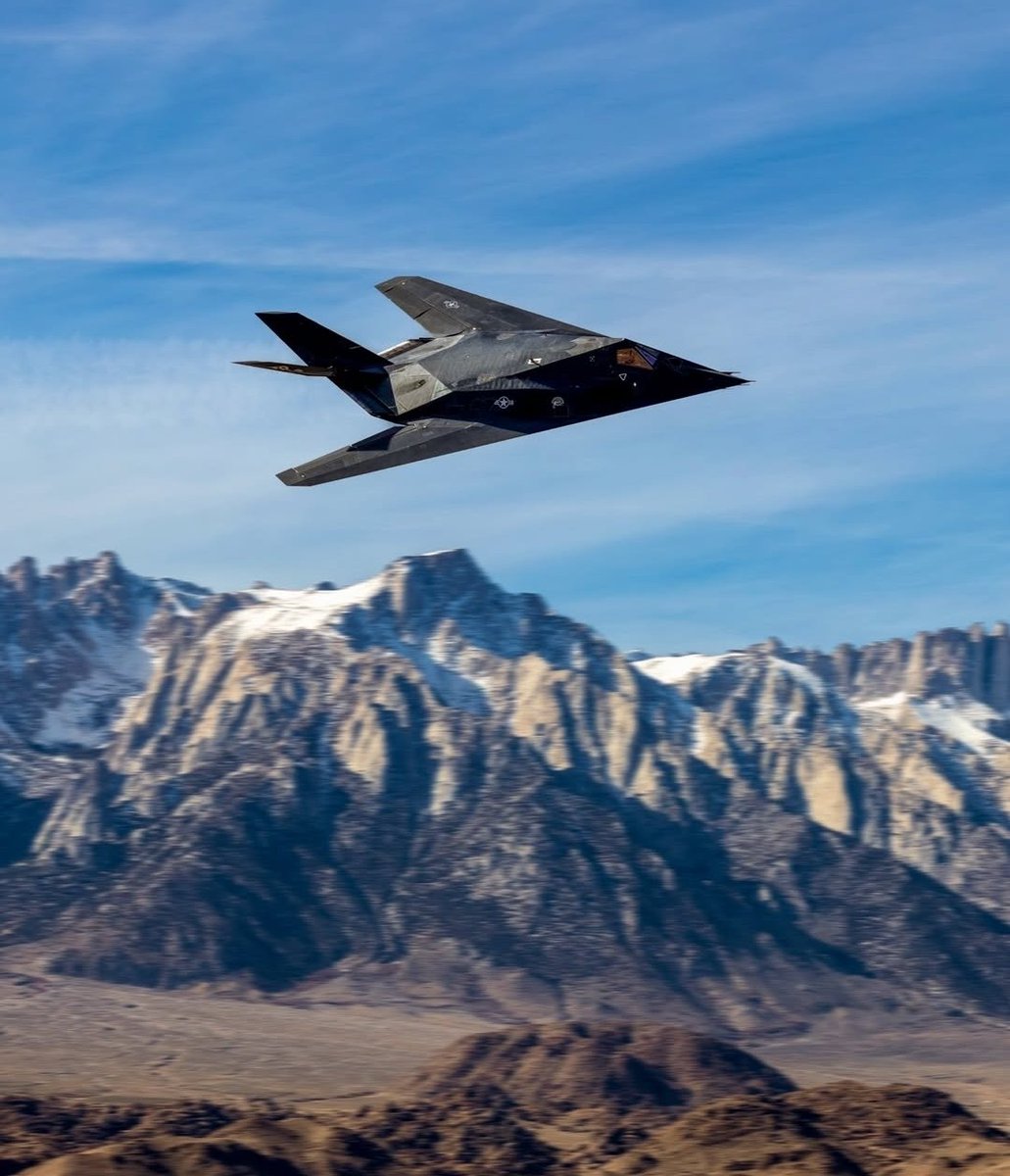
Photo of the Day: B2 Stealth Bomber over Dartmoor (Cornwall) searching for illegal deer/fox hunters as part of the Poaching Aerial Reconnaissance Programme that uses Paveway 3 laser guided bombs to tag poachers until local authorities arrive to arrest them 📸 from a Canberra
RAF_Luton tweet media
English
41
35
655
16K
John Lilley retweetledi
Calum E. Douglas FRAeS
Calum E. Douglas FRAeS@CalumDouglas1·
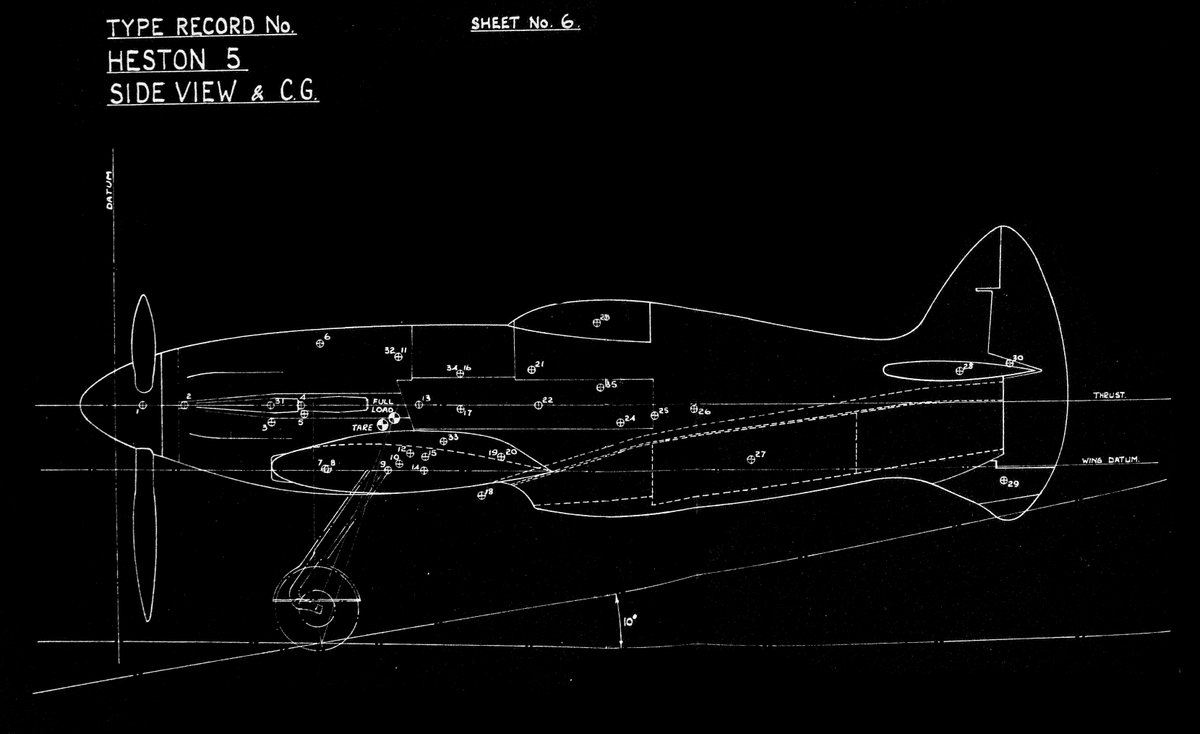
Blueprint (well ok "blackprint") for the Napier Heston racing plane, which was designed to break the world airspeed record. After a forced landing destroyed the first example, the project was mothballed. This did rather draw attention to the fact that the string of sucessful German attempts at the record before the war, were in fact rather difficult to pull off, and had probably required tremendous expense. The Napier Heston project was privately funded, not a "state" project, and that more than anything else is probably why it never suceeded. Getting everything right was too much for just two fairly small firms, and in reality, at least one serious crash was probably par-for the course. Germany lied profusely about their attempts, which was fairly sucessful as it led to the view that the Luftwaffe fighters were immensely aerodynamically efficient. In fact it had taken a 2500 HP engine to do it, about double the power of the actual service engine. But rumours were circulate that the power required had been far less, which of course implied an astonishingly low drag coefficient when back-calculated. One american intelligence agent, wrote to the director of the CIA in 1956, that he now considered that one reason for all the propaganda around these aircraft and the fact that numerous foreigners were invited to witness the displayes, was that it helped draw attention away from the work on guided missiles which was then already in progress in Germany. The reason for his letter, was that he considered that something similar was happening at the time with various publicity items connected to Soviet military projects.
Calum E. Douglas FRAeS tweet media
English
5
5
94
5.8K