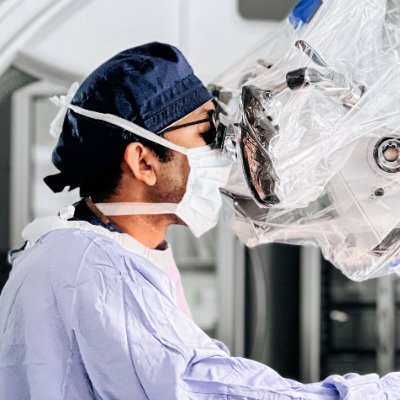
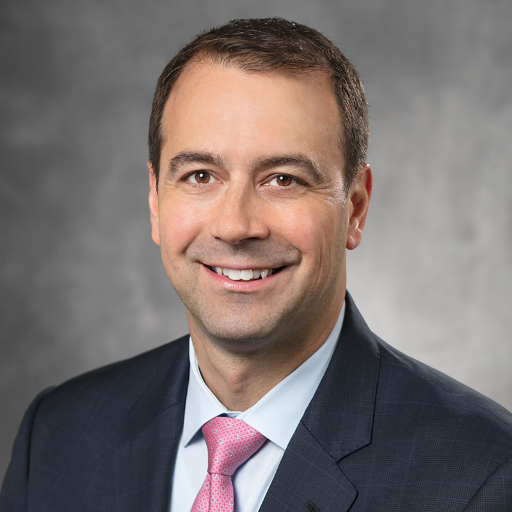
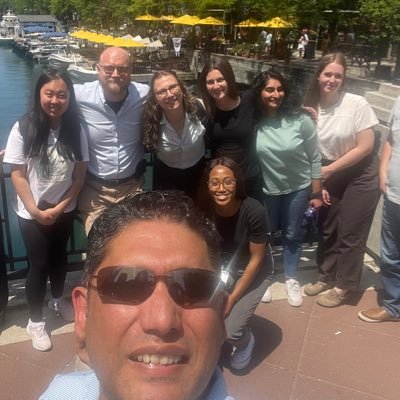
Neurosurgery resident Jawad Fares, MD, has been named a shortlisted finalist for the Takeda Innovators in Science Award with Nature. This global award recognizes emerging scientific leaders pushing the boundaries of discovery. Congrats, Jawad!
Learn more: nature.com/immersive/inno…
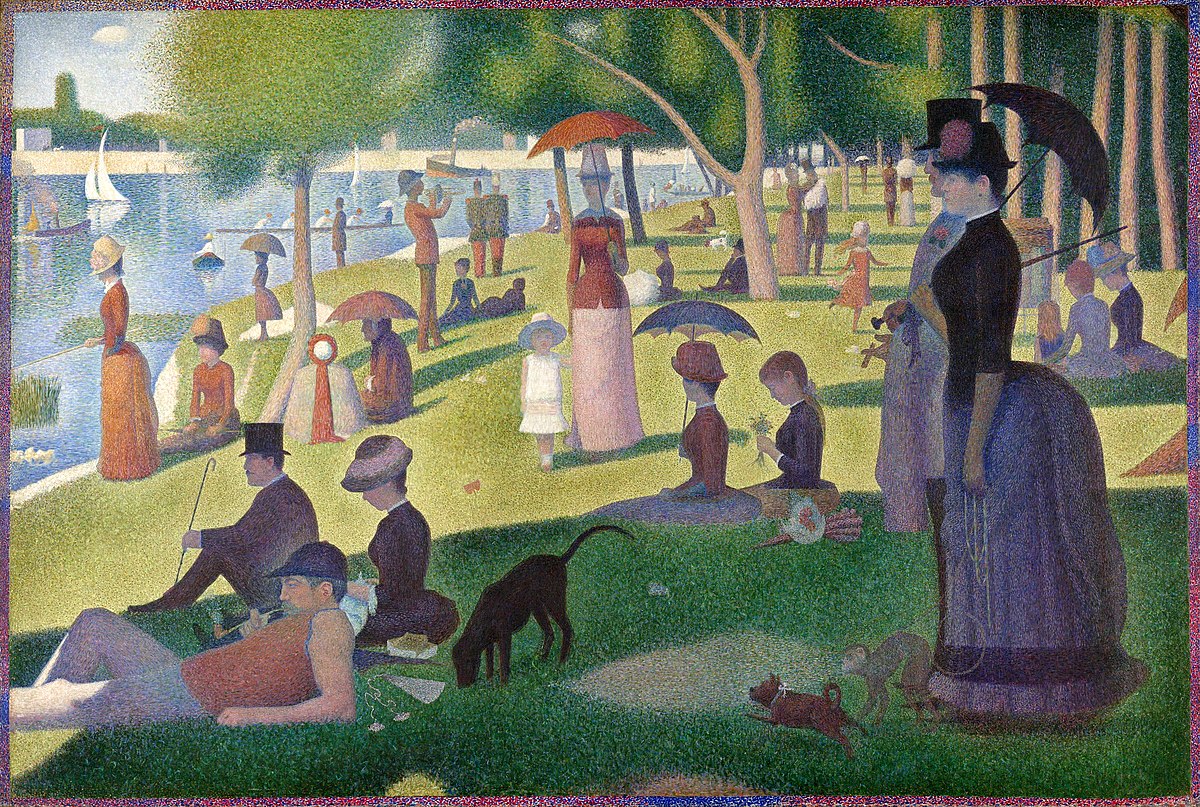
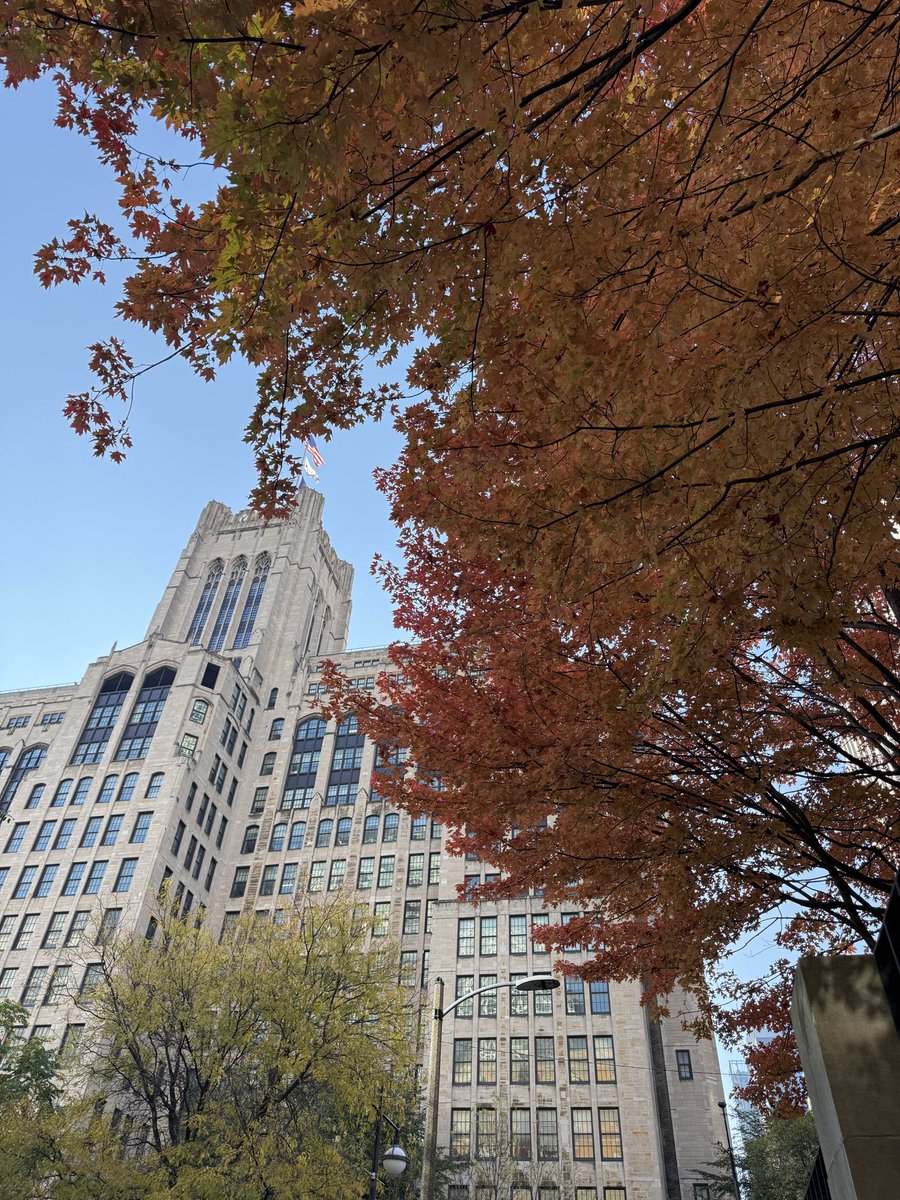
Can't believe that I had to visit the Art Institute of Chicago to see Georges Seurat's paintings in distinctive pointillism to realize that the single-cell RNA-seq analysis package in R is named Seurat because the appearance of cell clusters resembles the artist's style. 🫠
Excited to share that our digital twin framework predicting patient responses to metabolic therapies is now published online @Cell_Metabolism. One step forward to personalizing glioblastoma treatment. Thankful to my advisors @DNagrathLab@DanWahlMDdoi.org/10.1016/j.cmet…
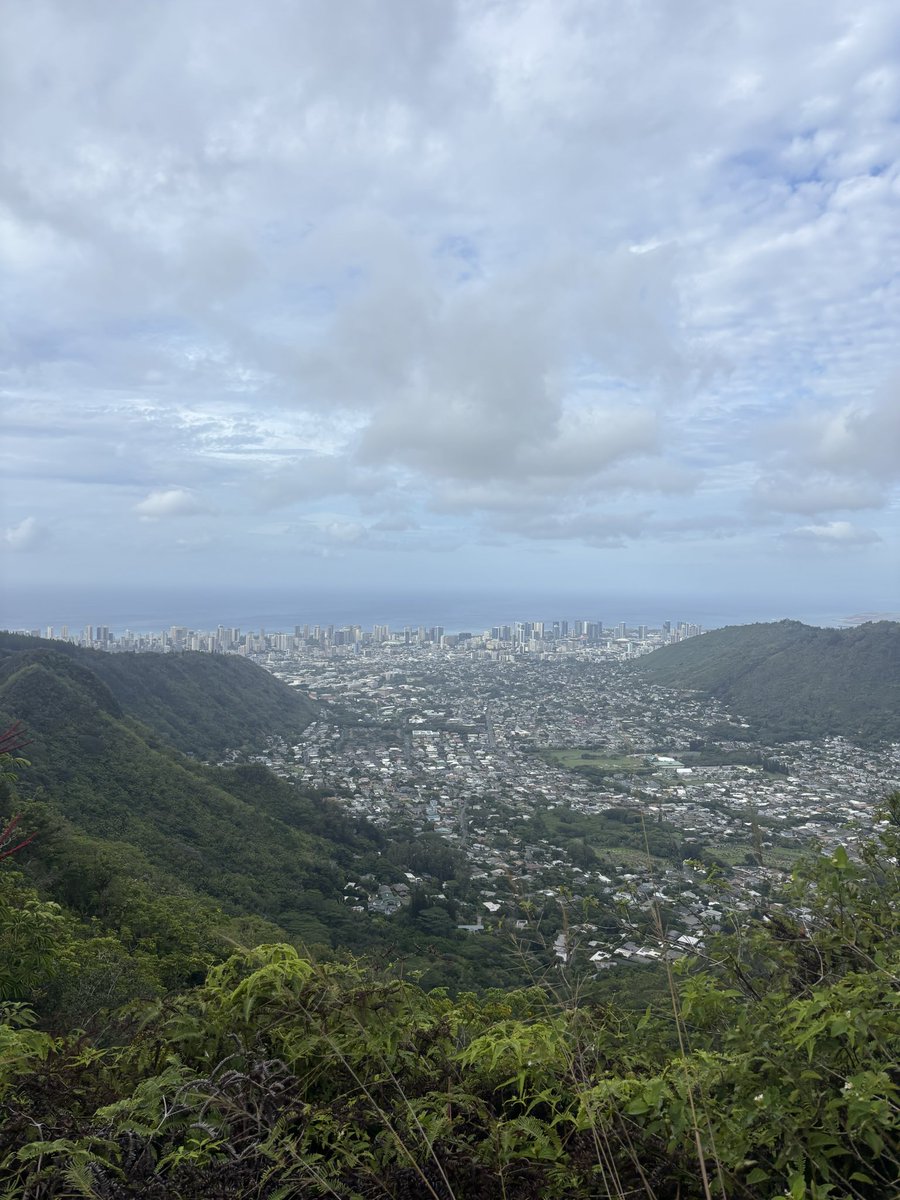
With sub-zero temperatures in Chicago, I can’t help but miss the amazing Hawai’i weather. I’m so grateful for the wonderful people I’ve met this year and the extraordinary experiences I’ve had.
Great talk by Dieter Heiland @NeuroOnc 2025 multi-omic and spatial data identifies marked difference in response of neuro-hi -low glioblastoma to Stupp followed by ICI. The era of “molecular guided neurosurgery” is indeed upon us. @UCSDNeuroSurg#Neurosurgery
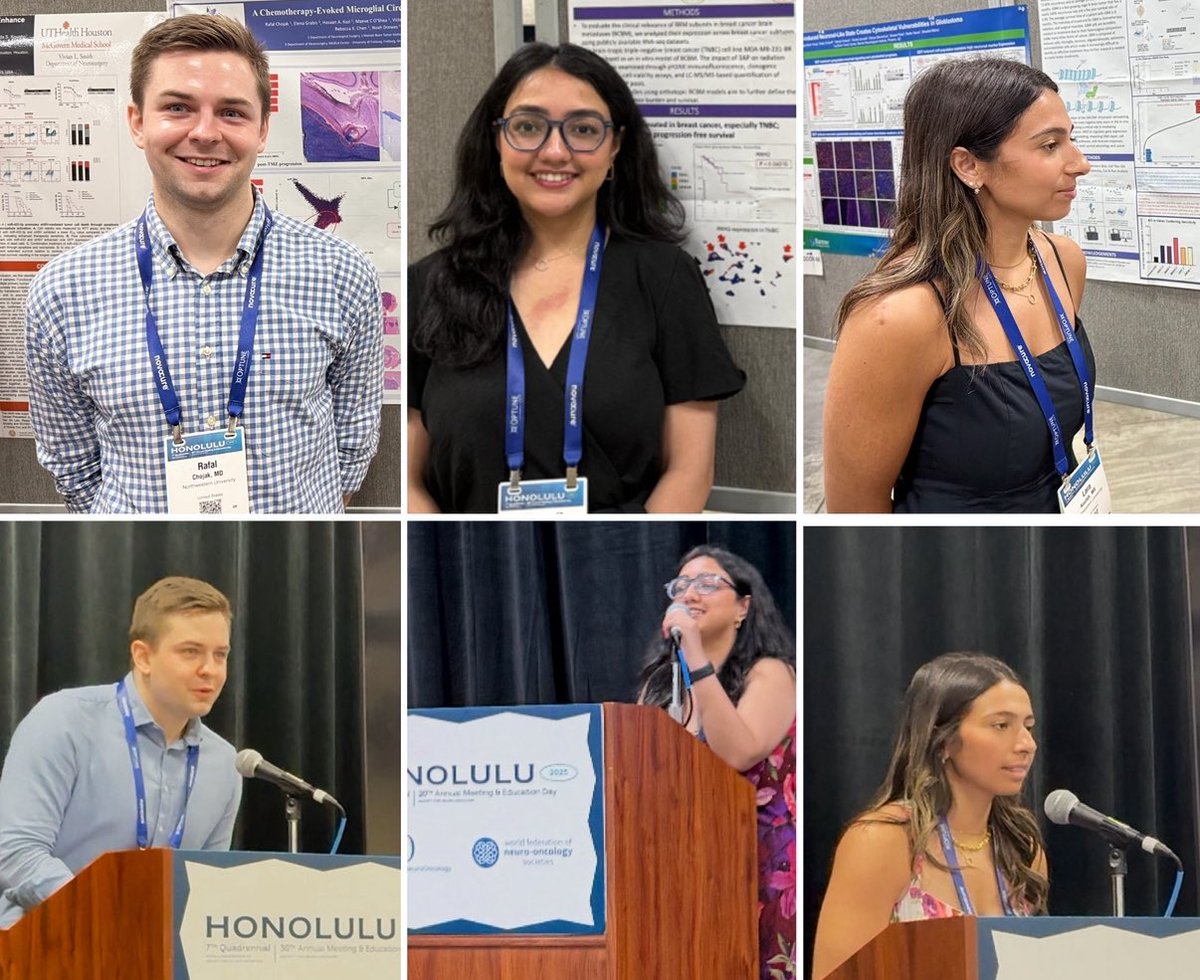
Grab your morning coffee and head over to Emalani Theatre 320 as Jiawei Huo, PhD, post-doctoral fellow in the @pengzhangphd Lab, starts off day two of #SNO2025 with a presentation on therapeutic targeting of myeloid-mediated GBM immunosuppression. @NeuroOnc#SNO
Lara Koutah, from the @atiqueahmedphd lab, will present on, “Unlocking the genetic code of chemotherapy response in glioblastoma.” Make sure to catch this presentation during the Rapid Orals Session II A in the Kamehameha Exhibit Hall II & III. #SNO#SNO2025@NeuroOnc
If you are just starting your morning at #SNO2025, head over to the Rapid Orals Session II A to catch Rafal Chojak, MD, from the @atiqueahmedphd lab. #SNO2025#SNO
While reading the new Crick biography from Matthew Cobb, I was struck by this fact:
Watson & Crick offered Maurice Wilkins a co-author spot on their famous 1953 paper reporting DNA's structure, but Wilkins turned the offer because he hadn’t taken part in building the model.
(This was a nice gesture from Wilkins, but apparently he later regretted it because it muddled how people viewed the history of solving DNA’s structure, and he felt like the contributions from his group were diminished as a result.)
We often hear about stories where scientists are left OFF papers, but this example made me wonder: Are there other case studies where scientists explicitly REJECTED authorship on papers that turned out to be extremely famous or important?
The answer I found, after just a bit of digging, is yes.
1. Frederick Banting and Charles Best are the guys who discovered insulin. They were working under a physiologist named John J.R. Macleod. Banting and Best offered Macleod authorship on their 1922 article in The Journal of Laboratory and Clinical Medicine, but Macleod rejected the offer because he didn’t want to take away fame from his students.
Banting and Macleod were awarded the 1923 Nobel Prize in Physiology or Medicine (an EXTREMELY fast recognition; it usually takes decades to receive the prize after the work is carried out) while Best was left out.
Banting was outraged by this and split his prize money with Best, while Macleod shared his award with James Collip, the guy who actually purified the insulin extracts.
2. Rich Roberts, who shared the 1993 Nobel Prize in Physiology or Medicine with Phillip Sharp for his co-discovery of introns, explicitly refuses authorship on papers that are not published open access.
Roberts has turned down at least two authorship offers on papers published in Nature and Nature Microbiology for this reason. (There’s a nice article about this here: futamurayama-science.com/science-portra…)
3. John Hopfield deeply influenced work on synaptic plasticity in the brain.
Some of his students at Princeton, Gayle Wittenberg and Samuel Wang, published an extremely important paper in The Journal of Neuroscience (2006) showing that biological synapses behave like on/off switches. They showed that a synapse’s response is not only determined by millisecond spike timings, but also things like firing rates and burst firing etc.
When Hopfield won a Nobel Prize in 2024, Samuel Wang wrote up a piece for Princeton saying that Hopfield gave them the core ideas but “declined co-authorship, basically giving us credit.”
There are many more such examples. It’d be nice to write these up at some point!