

Carsten Munk
32.8K posts

Carsten Munk
@stskeeps
wannabe manfred macx || co-founder @directionallyai || exocortex maximalist
Warsaw, Poland Katılım Mayıs 2009
6.9K Takip Edilen4.1K Takipçiler
Carsten Munk retweetledi

Guys pls reach out to the students or young people around you and give them career advice/ support, mentorship & resources.
A lot of them are clueless, confused & depressed from so many rejections and all the doomer messaging around ai taking all the jobs + no entry level jobs
English
my @directionallyai moment of the day
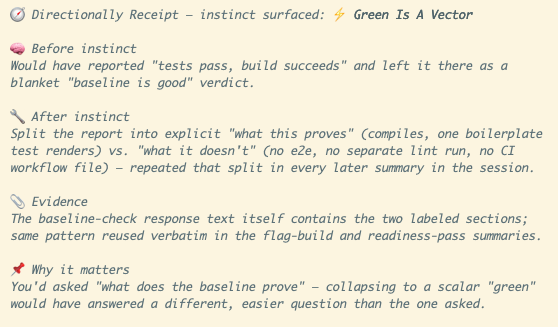
Claude was patching a React app and had tests passing and build succeeding and was about to turn that into “baseline looks good”
instead, because of Directionally making the agent consider the "Green Is A Vector" instinct at the right time it changed direction and separated what each check actually proved, and what it didn’t and answered a wider, more important question
green, it turns out, is indeed a vector
English
Carsten Munk retweetledi

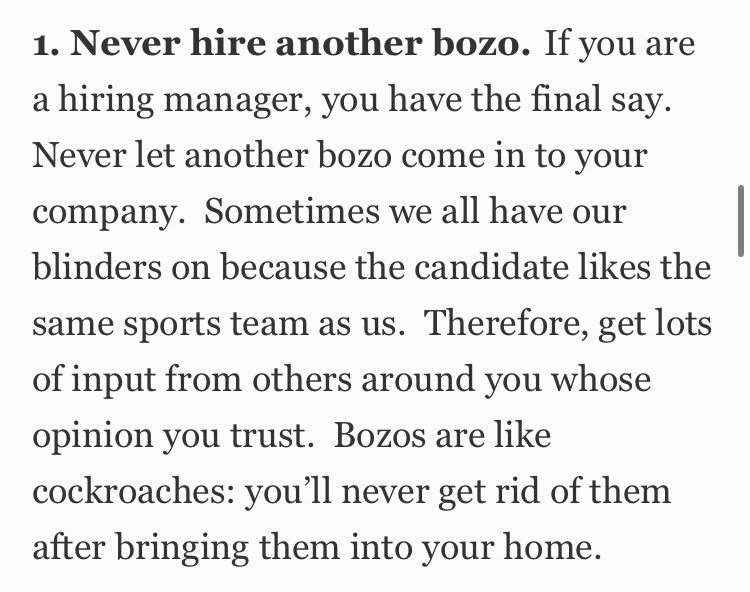
Corporate America is undergoing the largest bozo explosion in history. Steve Jobs once said “Bozos are like cockroaches: you’ll never get rid of them after bringing them into your home.”
English
Carsten Munk retweetledi

🎥 going live with @dabit3 (and co-host @clawdbotatg)
🛠️ we'll talk about his whole sloperation! come thru!
x.com/i/broadcasts/1…
English
Carsten Munk retweetledi

You've got 3 minutes to contain an agent. @cryptobuilder_ built the simulator after her own agent was able to deploy to production from a sandboxed environment (story on that soon).
English
@JoanJerop_ @moneyacademyKE hurupay.com bottom page kinda looks US jurisdiction tho (addresses, incorporation), even if it might be Kenyans behind it
English


Carsten Munk retweetledi

Carsten Munk retweetledi

what most poeple don't realize is you don't need to pre-read 67 startup books to become a founder
starting a company forces you to learn when you need it
you get punched in the face by bad sales calls, pitches, & product launches and then you'll never make the same mistake
English
Carsten Munk retweetledi

We're proud to announce we’ve partnered with @StoffelMPC on infrastructure that helps strengthen Synchronicity's privacy guarantees for our traders: Asynchronous Distributed Key Generation, eliminating the need for centralized trusted operators that can access network secrets.
Helping us protect every strategy you deploy from prying eyes.
Join us during our spaces with Stoffel on Thursday 16th at 3pm ET.
x.com/i/spaces/1nJOL…

English
new low: using the mention of ducks in skill text to soften aggression by paranoid AIs

English
@boundless_xyz #announcement" target="_blank" rel="nofollow noopener">boundless.network/#announcement posted a bit early?
English

Model progress commoditizes generic technique. What remains valuable is the information, judgment, constraints, and institutional scar tissue the model could not have learned during training.
Vijay Iyengar@vijayiyengar
A year ago, I realized I couldn't keep up with all the "harness engineering protips" out there. Eg: subagents, hooks, plan mode, a lot of skills, complex tool setups, memory, best-of-N, goal, loops etc. But in retrospect, they didn't really matter. These techniques get popular on X. Everyone feels fomo and tries to use them. But a month later, a new model release does these things automatically and the best practice switches to "simplify your harness" and "let the model cook". The most durable way to work with models is to convey context they couldn't possibly have. What problem I'm trying to solve. Why it matters. Tech stack constraints. How customers will use it. Etc. And ask the model to give me options and push my thinking, so that I have a real thinking partner instead of a coding intern. The corollary, of course, is to work with the best model at all times. The simplicity is worth being two months "behind" the breathless takes on X.
English
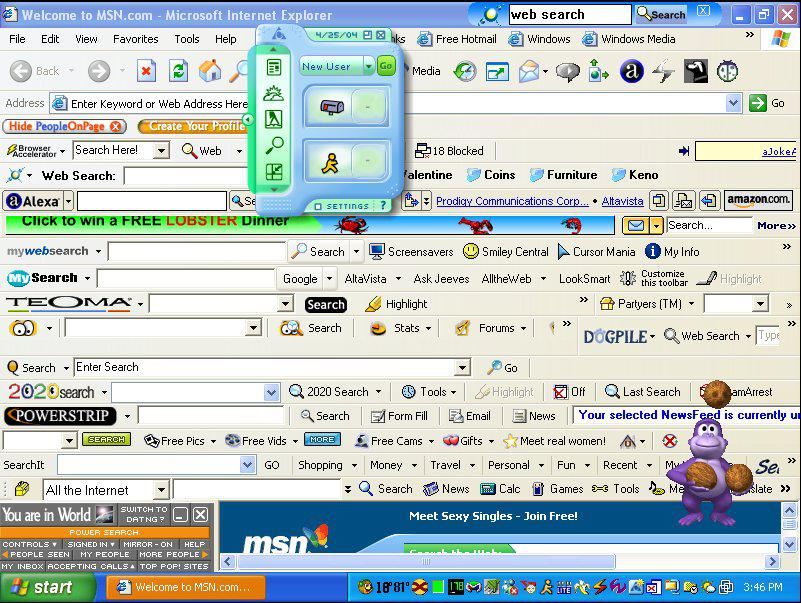
hot take
the (agent) skill ecosystem naturally converges toward a mess
English
Carsten Munk retweetledi

Carsten Munk retweetledi
btw this is a good example of what i meant with "reflexively" reaching for AI. You tinker with AI for a while, and you just reach for this. This was an obvious thing to try when I saw I needed to use windows and was on my mac. You want to train your brain on this intuition.
English
Carsten Munk retweetledi
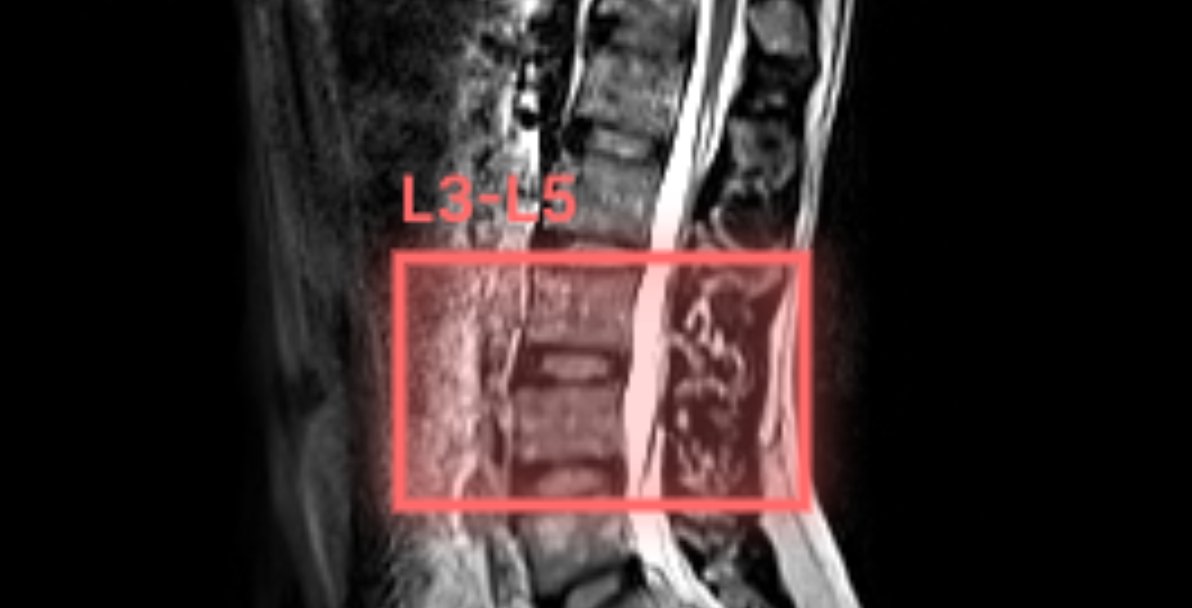
My annual MRI scan gives me a USB stick with the data, but you need this commercial windows software to open it.
Ran Claude on the stick and asked it to make me a html based viewer tool. This looks... way better.

English