
stuffthatworks retweetledi
stuffthatworks
26.5K posts

stuffthatworks
@stuffthatworks2
Hank Williams said it best He said it long time ago Unless you have made no mistakes in your life Be careful of stones that you throw Guy Clark RIP
Ireland Katılım Ocak 2021
944 Takip Edilen241 Takipçiler


stuffthatworks retweetledi

This is primarily due to the ongoing wars in the Congo and Sudan. This is heartbreaking 💔💔
English
stuffthatworks retweetledi


stuffthatworks retweetledi

"Sometimes, you have to escalate to deescalate."
— Walther Funk, German Reich Minister of Economics, 1941
"Sometimes, you have to escalate to deescalate."
— Scott Bessent, U.S. Treasury Secretary, 2026
English
stuffthatworks retweetledi

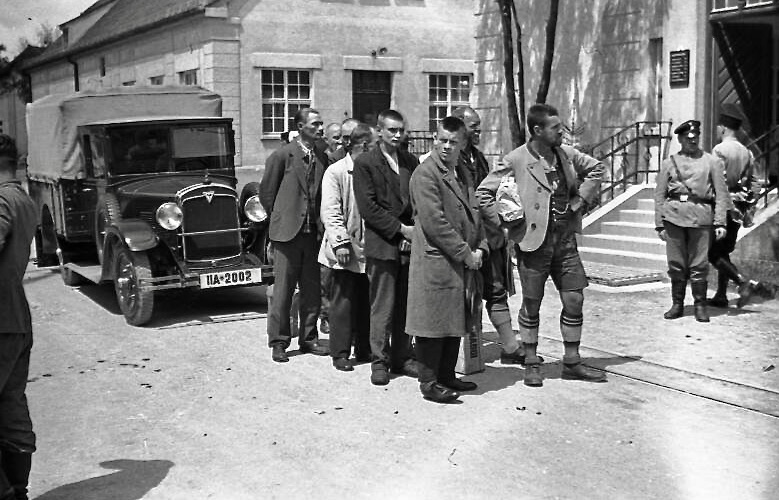
Nazi Germany established its first concentration camp at Dachau, outside Munich, today 1933:
English
stuffthatworks retweetledi

In 1835, port of New Orleans, Irish families step off the gangway into swampland heat, carrying everything they own. Among them, a small girl named Margaret Gaffney clutches her father's hand. She is five years old. She does not yet know that within the year, both her parents will be dead.
Yellow fever moves through the immigrant quarters like wildfire through dry grass. Margaret's mother dies first. Her father follows days later. At six years old, she becomes a ward of Welsh neighbors who need extra hands more than they need another mouth to feed. There is no school. No tenderness. Just work. By nine, she is scrubbing laundry. By eleven, she is entirely on her own.
At twenty-one, she marries Charles Haughery. They have a daughter. For the first time since childhood, Margaret feels safe. Then yellow fever comes again. Her husband dies. Her baby dies. She is twenty-two, widowed, childless, illiterate, and alone in a city that considers Irish Catholics less than human.
Most people would have broken. Margaret borrowed forty dollars, bought two cows, and started selling milk. She walked the French Quarter before sunrise, knocking on doors, undercutting prices, outworking everyone. People mocked her. A poor Irish widow with a milk cart was not supposed to become anything. Within a year, she paid back the loan. Within five, she owned the largest dairy in the city.
Then she met the nuns at the orphanage. They were trying to feed children no one else wanted. Margaret saw herself in every face. She gave them all her milk, every day, and refused payment. She told them she remembered what hunger felt like. She remembered being six and abandoned.
In 1858, she sold the dairy and bought a bakery she had no idea how to run. She could not read recipes. She learned by feel, by repetition, by refusing to fail. Within a year, her bread was everywhere. She standardized loaves, mechanized production, and fed a city that once looked through her like she was invisible.
When yellow fever returned, she nursed the dying. During the Civil War, she fed Union soldiers and Confederate families without asking which side they supported. She became one of the wealthiest women in America and gave away over six hundred thousand dollars. She never learned to write her name. She signed every document with an X.
When Margaret Haughery died in 1882, New Orleans erected the first statue ever dedicated to a woman in the city. At the base, they carved an X. The mark of someone who could not write, but who rewrote what mercy looked like.
Margaret lived so simply that many people did not realize she was wealthy. She wore plain dresses, lived in modest rooms, and walked to work every day. Visitors to her bakery often mistook her for a cleaning woman. She preferred it that way. She believed attention should go to the work, not the person doing it.
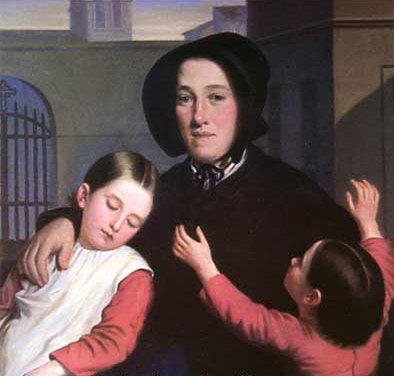
The statue erected in her honor still stands in Margaret Place in New Orleans. It depicts her sitting with a child on her lap and another at her side. The inscription reads simply, "Margaret." For decades, locals called her "the Bread Woman of New Orleans." Children she helped grew up, had children of their own, and told them about the woman who made sure no one went hungry.
Margaret's bakery became so successful that during the Civil War, Union officers tried to seize it for military use. She reportedly walked into the commanding officer's tent and told him that if he took her bakery, the orphans would starve. He let her keep it. Another detail: she was known to test her bread by touch alone, never needing to read temperatures or measurements. Workers said she could tell if dough was ready just by pressing it with her thumb.
📷 : Portrait of Margaret Haughery, 1842, by Jacques Amans.
© Daughters of Time
#archaeohistories
English
stuffthatworks retweetledi

He saved children from the Holocaust without speaking a single word.
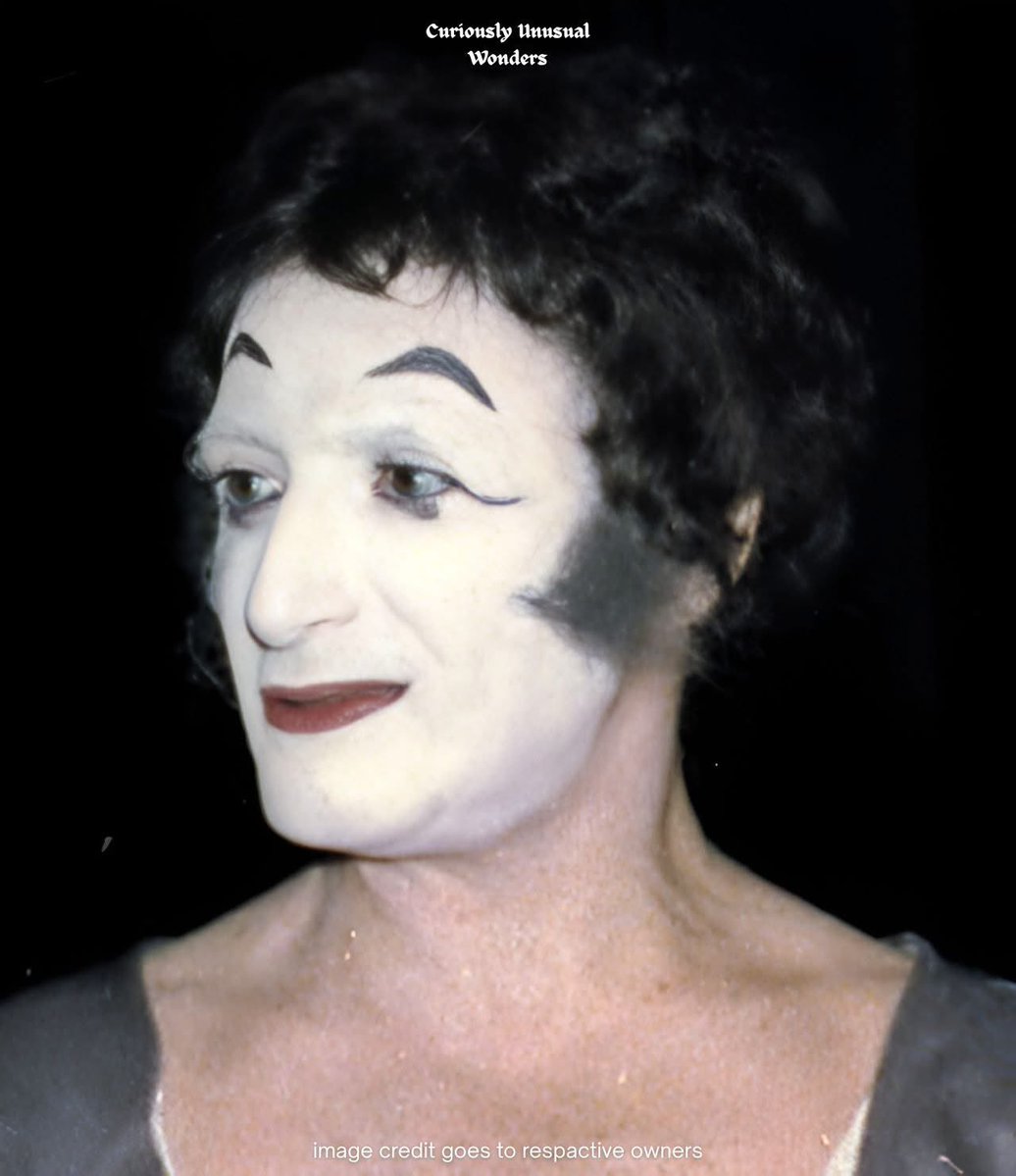
The world remembers Marcel Marceau as the master mime. The man in the striped shirt and white face paint. The artist who could make you see invisible walls and feel imaginary wind. For decades, he performed on the greatest stages of the world, moving audiences to tears without uttering a sound.
But long before the applause, before the spotlight, before the fame, he was simply Marcel Mangel. A Jewish teenager in occupied France whose father had just been taken.
It was 1944. His father, a kosher butcher in Strasbourg, had been arrested by the Nazis and deported to Auschwitz. He would never return. Marcel knew his family was being hunted. He changed his surname to "Marceau" and made a decision that would define the rest of his life.
He joined the French Resistance.
His mission was unlike anything most soldiers faced. There were orphanages scattered across France, filled with Jewish children whose parents had already been murdered or deported. These children were next on the Nazi lists. Someone had to get them out. Someone had to lead them across dangerous territory to neutral Switzerland, where they might have a chance to survive.
Marcel volunteered.
The journeys were terrifying. He would gather groups of children—sometimes as young as four or five—and lead them through forests and mountains toward the Swiss border. Nazi patrols were everywhere. A single sound could mean death for everyone. One child's cry, one moment of panic, and they would all be discovered.
How do you keep frightened children quiet when their lives depend on absolute silence?
Marcel understood something others didn't. Fear makes children cry. But wonder makes them hold their breath.
During those dangerous treks through the darkness, Marcel would use his gift. He would perform for the children. Silent pantomimes that transformed terror into enchantment. He became a character they could follow, a game they wanted to play. In the moonlight, he mimed catching invisible butterflies. He pretended to trip over imaginary logs. He acted out stories that made the children smile even as they walked through the night.
He made silence feel like magic instead of a rule they had to follow.
Over the course of the war, working alongside his cousin Georges Loinger and other resistance fighters, Marcel helped save dozens of Jewish children. He didn't just guide them through forests. He forged identity documents, altering birth certificates and creating false papers that gave these children new identities and new chances at life.
After the liberation, Marcel Marceau became one of the most celebrated performers of the 20th century. He toured the world. He influenced generations of artists. He received standing ovations in every language. But he rarely spoke about what he had done during the war.
When asked why he chose silence as his art form, he often referenced his father, murdered in Auschwitz. He once said that the survivors who returned from the camps could never find words for what they had experienced. "My name is Mangel," he explained. "In German, it means 'the lack.' I mime the lack of words."
His silence on stage wasn't just performance. It was remembrance.
Marcel Marceau proved that art can be more than entertainment. In his hands, it became survival. It became resistance. It became a way to transform fear into hope, to lead the vulnerable to safety, to speak volumes without making a sound.
He didn't need weapons to be a hero. He didn't need speeches or slogans. He just needed to move, and in moving, to give frightened children a reason to trust, to follow, and to believe they might see tomorrow.
The applause that followed him for six decades was deserved. But the silence he kept about his greatest performance—the one that saved lives in the darkest forests of Europe—might have been the most powerful act of all.
English
stuffthatworks retweetledi

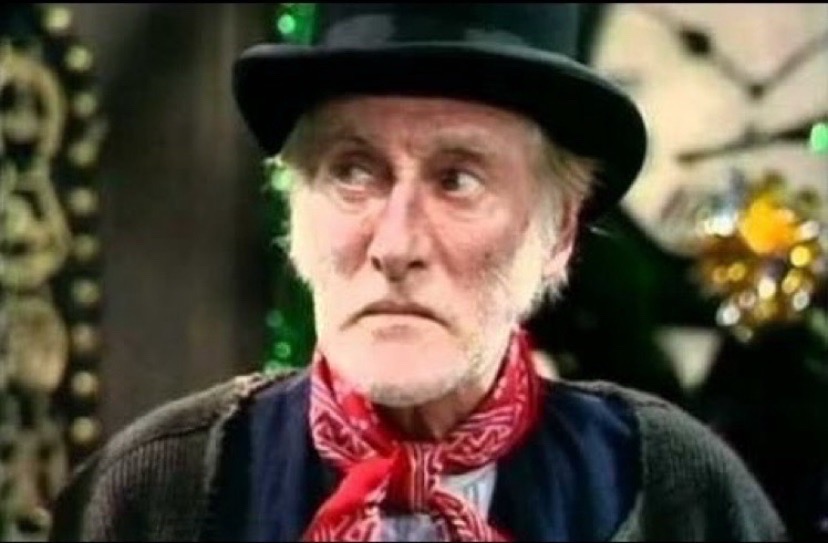
22 March 1912. Wilfrid Brambell was born in Dublin, Ireland. He’s best known for playing Albert Steptoe in the classic BBC comedy sitcom Steptoe & Son and as the “very clean” fictional Irish grandfather of Paul McCartney in The Beatles’ film A Hard Day’s Night.
English
stuffthatworks retweetledi
22 March 1936. Singer-songwriter Roger Whittaker was born in Nairobi, Kenya. He was best known for his baritone voice and whistling ability. He had 9 UK Top 40 hits including Durham Town, The Last Farewell, I Don’t Believe in If Anymore and New World in the Morning.

English
stuffthatworks retweetledi
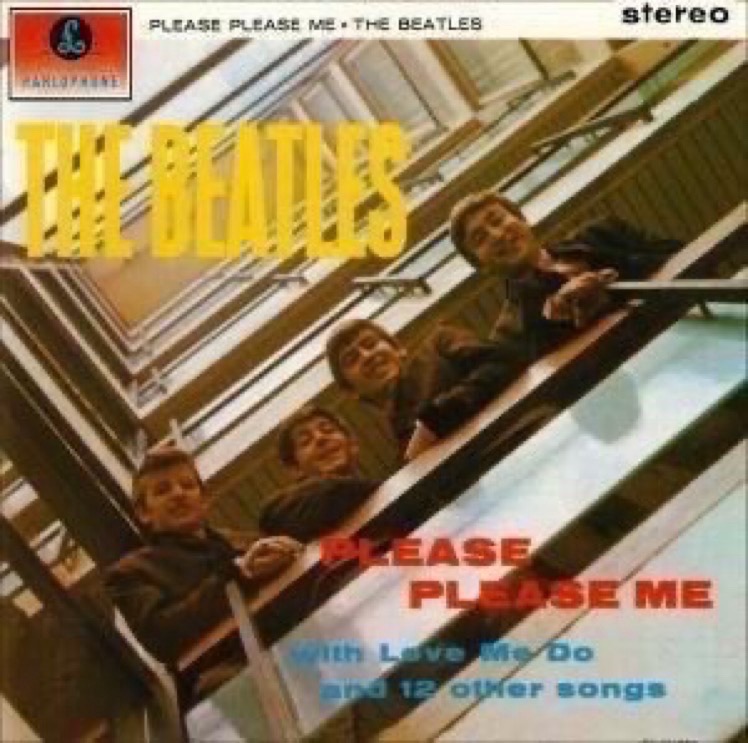
22 March 1963. The Beatles 1st UK album Please Please Me was released. It topped the UK album chart for 30 weeks. Of the album’s 14 songs, 8 were composed by Lennon & McCartney (originally credited as McCartney–Lennon).
English
stuffthatworks retweetledi
22 March 1965. The album Bringing It All Back Home by Bob Dylan was released in the USA. It marked a significant shift in Dylan’s musical direction featuring electric instrumentation for the 1st time and caused an outcry from othodox folk music fans.

English
stuffthatworks retweetledi
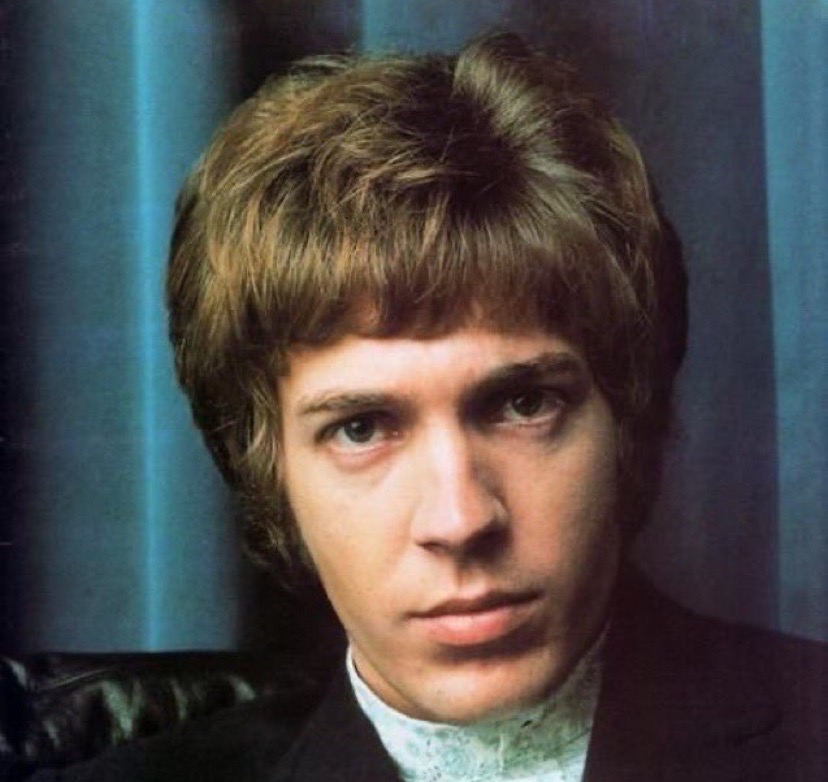
22 March 2019. American singer-songwriter Scott Walker (Noel Scott Engel) died (aged 76). He rose to worldwide fame as the smooth lead singer of the Walker Brothers in the 1960s, but in the latter part of his life he became an avant-garde singer and composer.
English
stuffthatworks retweetledi

‘La Noche de las Librerías’ - NIGHT OF THE BOOKSTORES’ - takes place in Buenos Aries.
Over 200,000 people come out onto the streets to enjoy this incredible literary festival where resulting book sales approach nearly $400million.
English
Always a good start to any Sunday ...
Sunday Miscellany@RTESunMisc
Part 2 of a special programme from the recent Ennis Book Club Festival @glorennis is coming up, with Hugo Hamilton, Éilis Ní Dhuibhne, Karen J McDonnell, Niamh Campbell and live music from Boris Hunka company, Blackie O’Connell and Mickey Dunne and The Metals
English
stuffthatworks retweetledi

I have a friend in Cuba and what they just reported should end careers in Washington.
Every single patient on a ventilator in their hospital died tonight.
The power went out. The ventilators stopped.
This isn't a rare incident anymore. Cuba's grid has collapsed 3 times THIS MONTH.
The hospital staff told them they've had more emergency deaths in the last 30 days than in all of last year combined.
A patient with leukemia at a Havana hospital told reporters: "Without fuel or affordable transportation, life has only gotten harder. We are fighting every day."
NICU babies are on bare minimum power right now.
Dialysis patients are playing Russian roulette with every blackout.
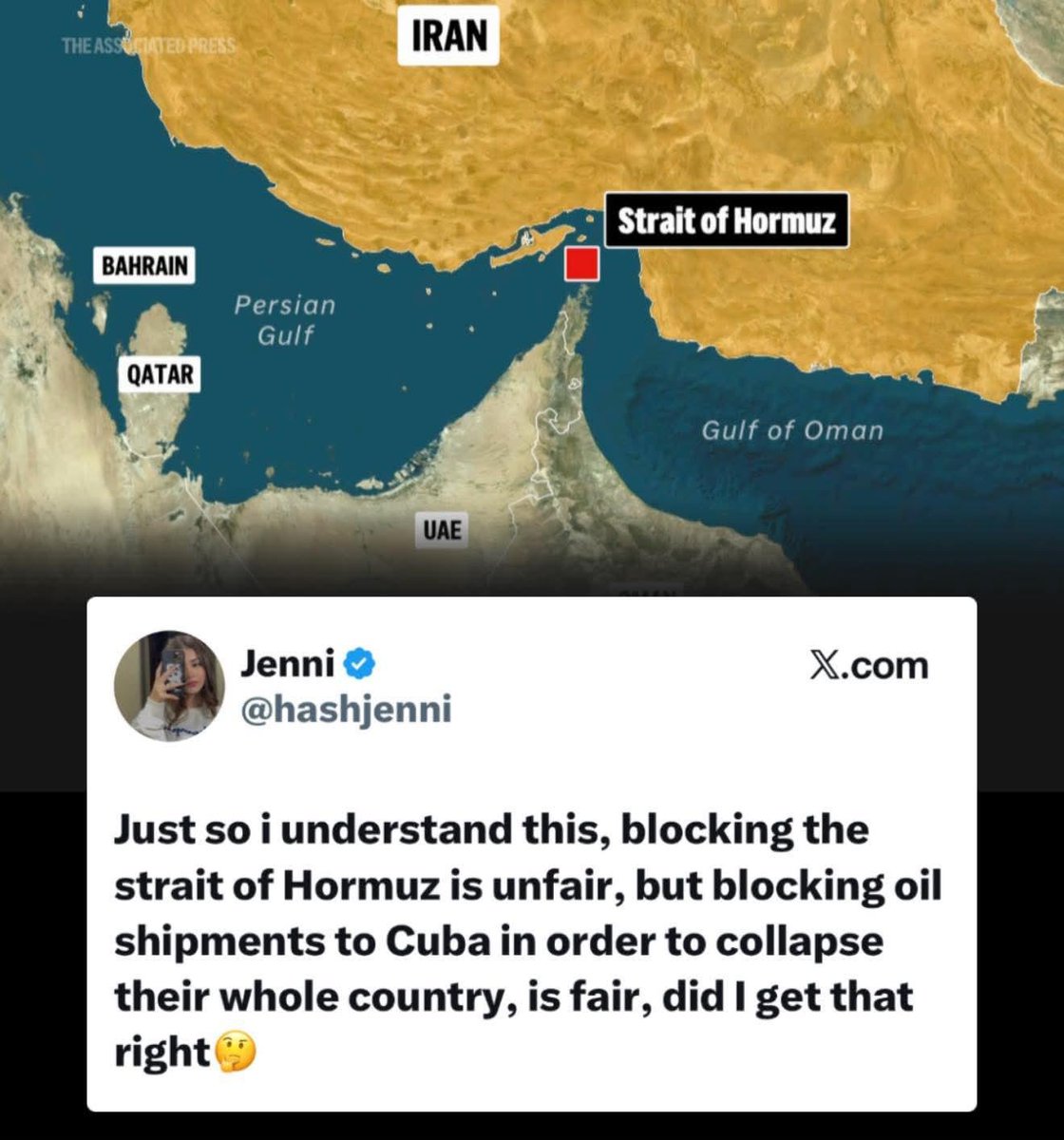
Cuba has received ZERO oil in 3 months.
That's not a shortage. That's a blockade.
The US blocked a Russian rescue mission — 730,000 barrels of oil heading to Cuba — turned it away.
Then the official story went: "We're sending $6 million in humanitarian aid."
$6 million in aid.
930,000 barrels of oil blocked.
You can't fix ventilators with $6 million when the grid is dark.
And Trump's own words from March 6, 2026:
"Cuba will fall. After 50 years, this is the cherry on top of the cake."
The people dying in hospitals tonight are his cherry on top.
I'll keep you updated. Turn on notifications. 🚨

English
stuffthatworks retweetledi
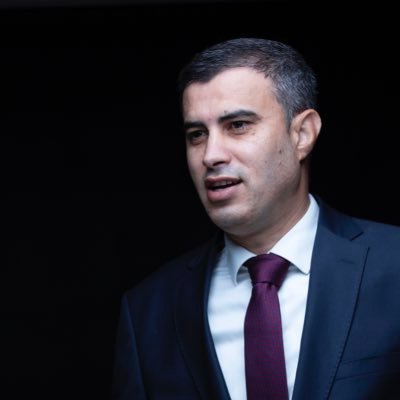
“They killed my mother — and before that, my brother. I urge everyone: do not go to the American aid distribution points soaked in blood. This bag only contains 2 empty flour sacks — nothing else — & yet they shot & killed my mother as she tried to get us something to eat today.”
English
stuffthatworks retweetledi

Footage reveals what's left of a Palestinian home after it was burned down last night, along with several other homes, by Israeli settlers in the village of Fandaqumiya, south of Jenin.
English
stuffthatworks retweetledi

stuffthatworks retweetledi

Our account is a living archive of Israel’s genocide in Gaza. We have documented nearly every crime committed since October 2023. As Israel’s war engulfs the region, we #RememberGaza to honor the victims and to recall how complicity in Gaza set the precedents we witness today.

English