Prashant Parashar

7.5K posts

Prashant Parashar banner
Prashant Parashar

Prashant Parashar

@sucoder

Techie at ██████████ Scale... Java...Tech....! ▓▓▓▓▓▓▓▓ 🍺....code... e-commerce🍕! ███████ Comes with High sensitivity bullshit sensor !

Delhi, India Katılım Ağustos 2009
1.7K Takip Edilen788 Takipçiler
Prashant Parashar
Prashant Parashar@sucoder·
While @thesouledstore collection may be good but they use such shitty delivery services that you keep on getting messages of delivery attempted three times a day without moving anything! Of late, worst experience from goblitz, elasticrun, etc.
English
2
0
0
124
Prashant Parashar retweetledi
Jason Bosco
Jason Bosco@jasonbosco·
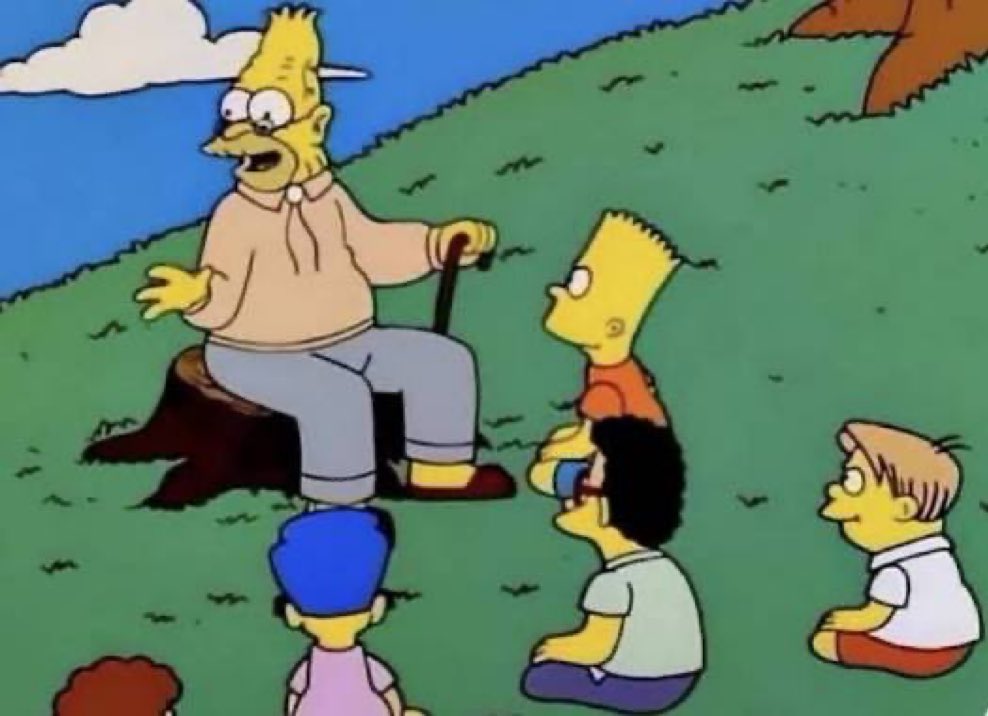
"We used to debate using tabs vs spaces in code we'd type out"
Jason Bosco tweet media
English
111
1.1K
12.1K
375.8K
Prashant Parashar
Prashant Parashar@sucoder·
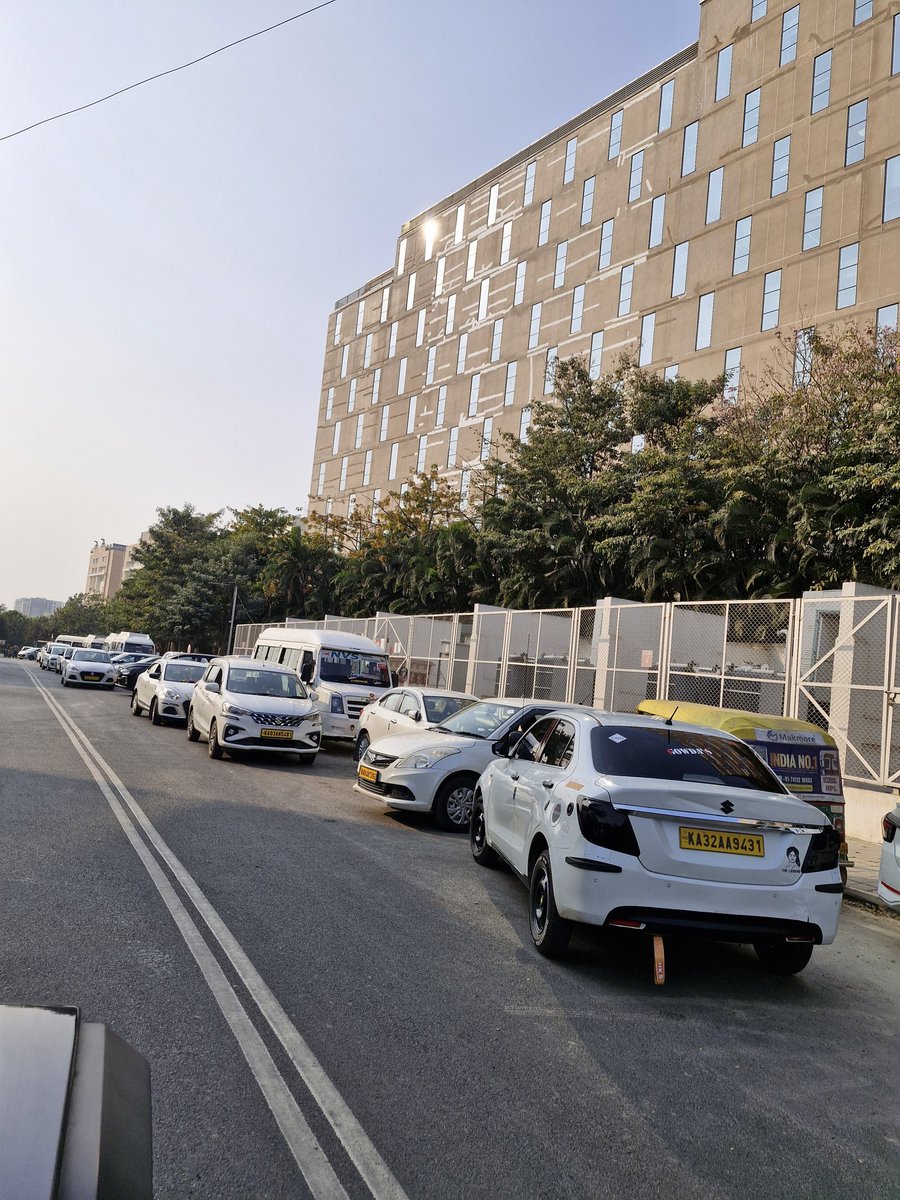
@blrcitytraffic @BlrCityPolice @bellandurutrfps This is now a daily situation in front of a residential apartment inside Ecoworld. Cabs parked and encroaching half the road causing huge inconvenience to School Buses and residents. Why can't the encroachment be removed?
Prashant Parashar tweet media
English
8
10
11
319
Prashant Parashar
Prashant Parashar@sucoder·
Dear @Healthkart , what's the fraud running with Gritzo delivery? I get a call everyday after 10PM to reschedule delivery! Every fking day! If your partner GoBlitz is defrauding you, you can say goodbye to your customers too!
English
0
0
1
72
Prashant Parashar retweetledi
Sanjeev Bikhchandani
Very well written @deepigoyal Every word is true. It beggars belief that a Champagne Socialist who married a film star and had a designer wedding in Udaipur and a first wedding anniversary in Maldives has the audacity to then shed crocodile tears around alleged exploitation of gig workers. Aam Aadmi my foot
Deepinder Goyal@deepigoyal

Last one on this topic, and I have been holding this in myself for a while. For centuries, class divides kept the labor of the poor invisible to the rich. Factory workers toiled behind walls, farmers in distant fields, domestic help in backrooms. The wealthy consumed the fruits of that labor without ever seeing the faces or the fatigue behind it. No direct encounter, no personal guilt. The gig economy shattered that invisibility, at unprecedented scale. Suddenly, the poor aren't hidden away. They're at your doorstep: the delivery partner handing over your ₹1000+ biryani, late-night groceries, or quick-commerce essentials. You see them in the rain, heat, traffic, often on borrowed bikes, working 8–10 hours for earnings that give them sustenance. You see their exhaustion, their polite smile masking frustration with life in general. This is the first time in history at this scale that the working class and consuming class interact face-to-face, transaction after transaction. And that discomfort with our own selves is why we are uncomfortable about the gig economy. We want these people to look our part, so that the guilt we feel while taking orders from them feels less. We aren't just debating economics. We are confronting guilt. That ₹800 order might equal their entire day's earnings after fuel, bike rent, and app cuts. We tip awkwardly, or avoid eye contact, because the inequality is no longer abstract. It's personal. Pre-gig era, the rich could enjoy luxury without moral discomfort. Labor was out of sight. Now, every doorbell ring is a reminder of systemic inequality. That's why debates explode. It's not just policy. It's emotional reckoning. Some defend the system (“they choose it”), others demand change (“this isn't progress, its exploitation”). And here’s the uncomfortable twist: the unsaid ask of clumsy ‘solutions’ isn’t dignity. It is about returning to invisibility. Ban gig work and you don’t solve inequality. You remove livelihoods. These jobs don’t magically reappear as formal, protected employment the next day. They disappear, or they get pushed back into the informal economy where there are even fewer protections and even less accountability. Over-regulate it until the model breaks, and you achieve the same outcome through paperwork instead of slogans: the work evaporates, prices rise, demand collapses, and the people we claim to protect are the first to lose income. And then what happens? The rich get their old comfort back. Convenience returns without faces. Guilt dissolves. We go back to clean abstractions and moral posturing from a distance. The poor don’t become safer, they become invisible again: back in cash economies, back in backrooms, back in shadows where regulation rarely reaches and dignity isn’t even debated. The gig economy just exposed the reality of inequality to the people who previously had the luxury of not seeing it. The doorbell is not the problem. The question is what we do after opening the door. Visibility is the price of progress. We can either use this discomfort to build something better (which we keep doing continuously as delivery partners are our backbone), or we can ban and over-regulate our way back into ignorance. One of those choices improves lives. The other simply helps the consuming class feel virtuous in the dark.

English
321
1.5K
7.3K
727.5K
Prashant Parashar retweetledi
Deepinder Goyal
Deepinder Goyal@deepigoyal·
Last one on this topic, and I have been holding this in myself for a while. For centuries, class divides kept the labor of the poor invisible to the rich. Factory workers toiled behind walls, farmers in distant fields, domestic help in backrooms. The wealthy consumed the fruits of that labor without ever seeing the faces or the fatigue behind it. No direct encounter, no personal guilt. The gig economy shattered that invisibility, at unprecedented scale. Suddenly, the poor aren't hidden away. They're at your doorstep: the delivery partner handing over your ₹1000+ biryani, late-night groceries, or quick-commerce essentials. You see them in the rain, heat, traffic, often on borrowed bikes, working 8–10 hours for earnings that give them sustenance. You see their exhaustion, their polite smile masking frustration with life in general. This is the first time in history at this scale that the working class and consuming class interact face-to-face, transaction after transaction. And that discomfort with our own selves is why we are uncomfortable about the gig economy. We want these people to look our part, so that the guilt we feel while taking orders from them feels less. We aren't just debating economics. We are confronting guilt. That ₹800 order might equal their entire day's earnings after fuel, bike rent, and app cuts. We tip awkwardly, or avoid eye contact, because the inequality is no longer abstract. It's personal. Pre-gig era, the rich could enjoy luxury without moral discomfort. Labor was out of sight. Now, every doorbell ring is a reminder of systemic inequality. That's why debates explode. It's not just policy. It's emotional reckoning. Some defend the system (“they choose it”), others demand change (“this isn't progress, its exploitation”). And here’s the uncomfortable twist: the unsaid ask of clumsy ‘solutions’ isn’t dignity. It is about returning to invisibility. Ban gig work and you don’t solve inequality. You remove livelihoods. These jobs don’t magically reappear as formal, protected employment the next day. They disappear, or they get pushed back into the informal economy where there are even fewer protections and even less accountability. Over-regulate it until the model breaks, and you achieve the same outcome through paperwork instead of slogans: the work evaporates, prices rise, demand collapses, and the people we claim to protect are the first to lose income. And then what happens? The rich get their old comfort back. Convenience returns without faces. Guilt dissolves. We go back to clean abstractions and moral posturing from a distance. The poor don’t become safer, they become invisible again: back in cash economies, back in backrooms, back in shadows where regulation rarely reaches and dignity isn’t even debated. The gig economy just exposed the reality of inequality to the people who previously had the luxury of not seeing it. The doorbell is not the problem. The question is what we do after opening the door. Visibility is the price of progress. We can either use this discomfort to build something better (which we keep doing continuously as delivery partners are our backbone), or we can ban and over-regulate our way back into ignorance. One of those choices improves lives. The other simply helps the consuming class feel virtuous in the dark.
English
2K
5.2K
25.5K
3.7M
Prashant Parashar
Prashant Parashar@sucoder·
Finally disabled RCS. What a rubbish spammy turn of events for a decent tech!
English
0
0
0
40
Prashant Parashar
Prashant Parashar@sucoder·
Is this kind of blinking flashing light allowed in vehicles? This is basically people using emergency vehicle lights. I now see it very frequently in office cabs and mini bhses @blrcitytraffic @BlrCityPolice
English
0
0
0
174
Prashant Parashar retweetledi
Paul Finney
Paul Finney@paulfinneyx·
The most awaited event of this season is here 🙌 Cafe Cursor is coming to namma ooru on 5th Dec at Sanctuary. Builders, vibe coders, founders, and Cursor fans, come experience Cafe Cursor and hang out with me, @sanjeed_i and baristas @KunalKSavita @mehulved Thanks @sucoder for the cameo! Registration link in comment 👇
English
15
24
226
34K
Prashant Parashar retweetledi
Anuj Rathi
Anuj Rathi@anujrathi·
For the 28th edition of The Secret Soirée, we are bridging two worlds that need each other the most right now but rarely intersect: cutting-edge AI research and hands-on product building. We're collaborating with Lossfunk to put together an inspiring gathering of India's leading AI researchers & Tech Operators to explore applied AI research in modern day products. ​About Lossfunk : Founded by Paras Chopra, Lossfunk is one of India's most exciting AI research labs - their researchers are exploring the frontiers of AI systems focusing on a variety of subjects like the future of Agents, AI4Science, conversational systems & many more. This is a free, curated, invite-only event for those who are curious about how cutting-edge AI research can unlock entirely new categories of applications in modern product development! Apply Here: luma.com/cx1xu2br @paraschopra @shivangi_sriv @MotwaniSuhas @dhruvtrehan9 @kandykuri
Anuj Rathi tweet media
English
5
11
98
16.5K