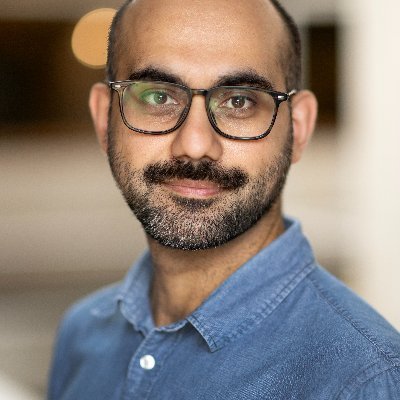
Yusuf Celik

272 posts

Yusuf Celik

Yusuf Celik

@suufy

Prof Digital Humanities & Islam (VU Amst.). Former postdoc at Harvard Law School and Utrecht University. Doctor in Qur’an hermeneutics (University of Edinburgh)
Katılım Kasım 2009
309 Takip Edilen1.2K Takipçiler
david chaffetz
david chaffetz@davidchaffetz·
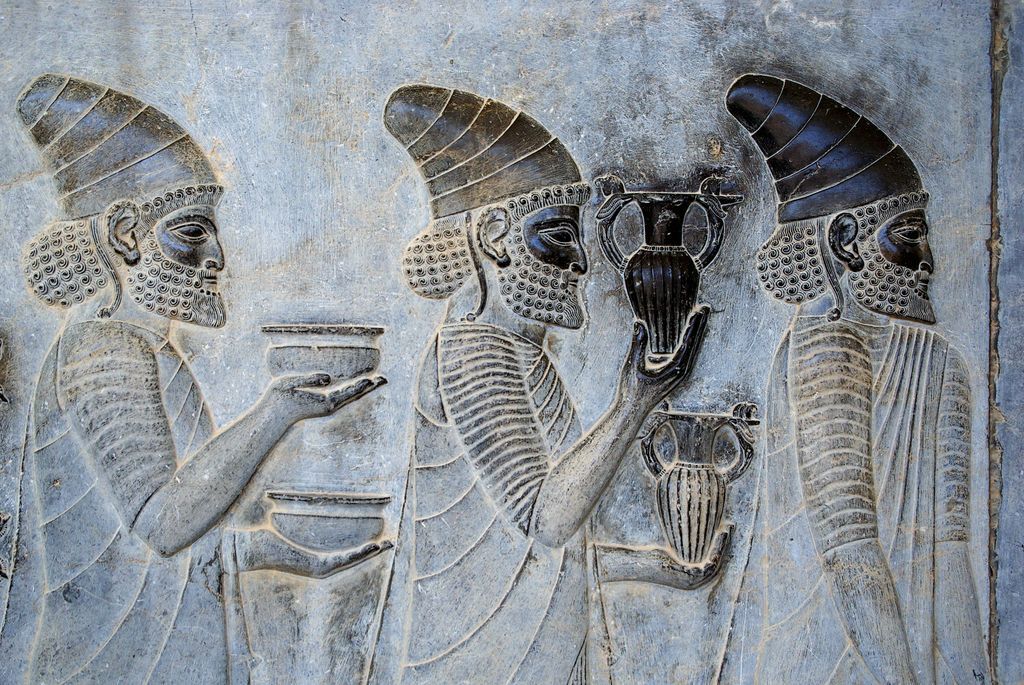
Ancient Persian, Van Bladel To explain the transformation of ending-rich Old Persian to ending-absent New Persian, Van Bladel reviews a number of theories about how languages change. It has long been assumed that languages simplify over time, as each generation of children learn their mother tongue a little less well than their parents. This, however, does not explain why a language like Polish remains quite ending-rich, while neighboring Swedish is simple. There are even cases of languages getting more complex over time, which appears to be the case of Yaghnobi, an Iranic language of the Pamir which has developed new verb forms compared to its ancestor, Soghdian. The relatively isolated location of Yaghnobi as compared to Persian provides the main clue for Van Bladel: languages which need to be acquired by adults (as opposed to children), tend to show simplified forms. He surveys the literature of creoles, pidgins, areal influences, and his own experience of teaching languages like ancient Greek to university students, and concludes that Middle Persian emerged because speakers of many other languages, Greeks, Armenians, Aramaens, and others, needed to learn to speak with Iranians, and they only managed to do this in simplified form. He emphasizes the fact that large populations were resettled inside the empire. Enslaved peoples and mercenaries, as well as artisans and common laborers lived in Fars and Khuzestan. These people would never have been able to express themselves in correct Old Persian. Even the upper classes, born of foreign mothers, would struggle with the language since they did not spend time with their fathers until they were five years old. On the other hand, the conquered people, who did not make others learn their language, retained a lot of ancient features: Greek, Armenian and Caucasian languages. The language of the Avesta, the holy scriptures of the Zoroastrians, on the other hand, was preserved intact by a specialised priestly class, the Magi. Since no foreigners had to learn this language, they had no influence on it. Two languages which started out very closely aligned, wound up, at the end of the Persian Empire, completely different. Van Bladel discusses whether the loss of endings is related to the fact that Old Persian words may have been accentuated on the last but one syllable. Thus a phrase like "haca aspanam" "from the horses" becomes in Middle Persian "az aspan", which is understandable to any Persian-speaker today. Both the second "a" in the preposition "from" and the final "am" of the possessive plural, disappear. I cheat here and use the Median loan-word for horse, "asp", just to make the point. But Van Bladel does not suggest that the stress on the penultimate syllable was necessarily the reason for the loss of the final syllable. It might have been the other way around. This reminds me of the following story. A friend from college went to Germany to test her shaky mastery of the language. She was intimidated by the idea of remembering: Ein guter Mann, Der gute Mann, Des guten Mannes (a, the, of the good man). What she realized when she began to listen to native speakers, is that Germans stress the first syllable of a word strongly and swallow the following syllables. So you don't actually hear the endings, except in high registers like broadcasting. Next we'll look at Middle Persian.
david chaffetz tweet media
English
8
28
167
8K
Seyfeddin Kara
Seyfeddin Kara@KaraSeyfeddin·
Finally, the official version of the handbook cover is ready!
Seyfeddin Kara tweet media
English
10
64
319
12.9K
Yusuf Celik
Yusuf Celik@suufy·
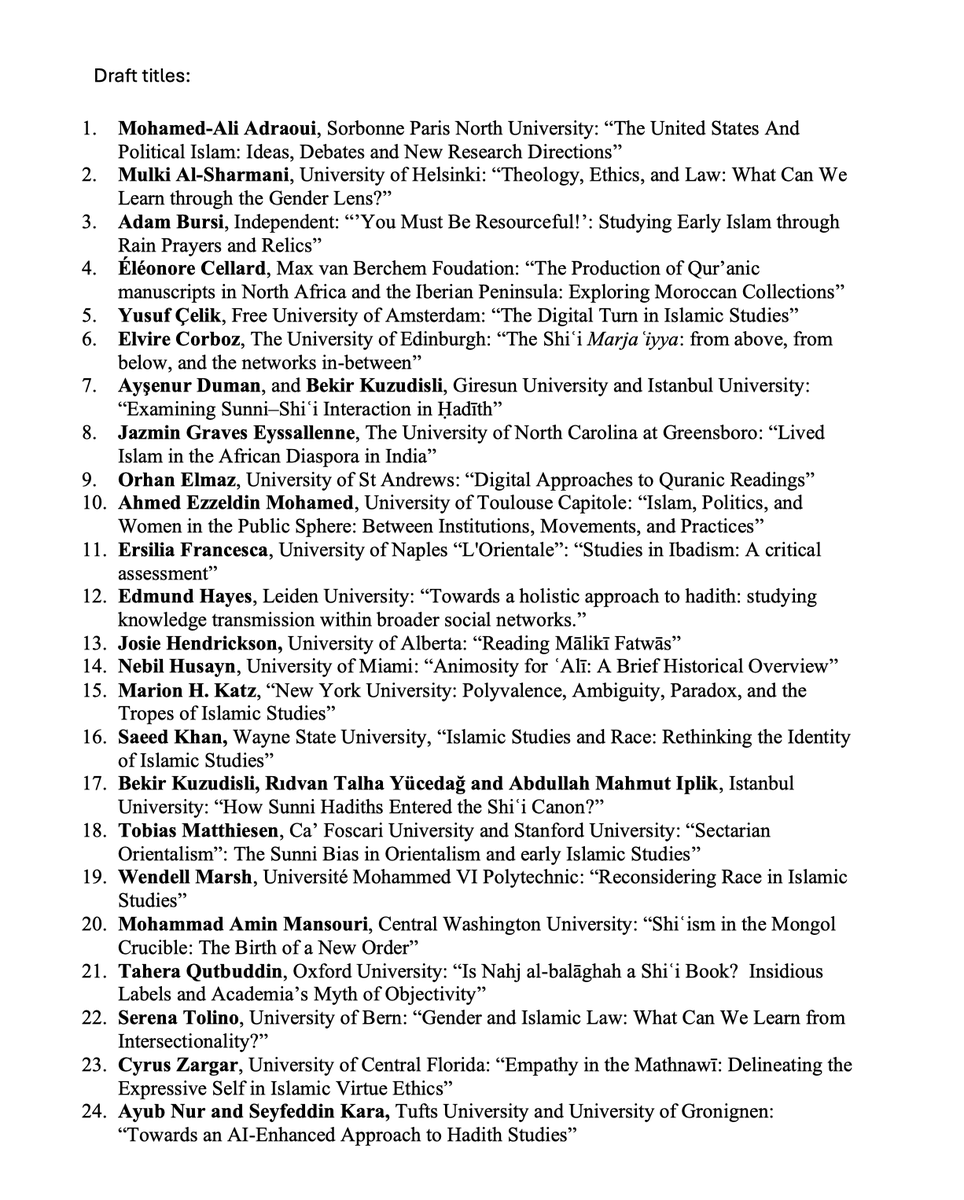
Join us in Amsterdam.
Yusuf Celik tweet media
English
0
6
17
2K
Subboor Ahmad
Subboor Ahmad@SubboorAhmad·
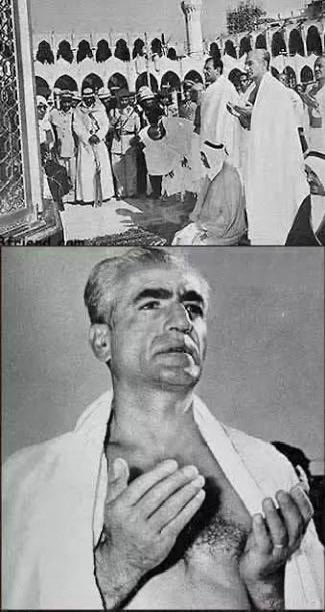
Hi Iranian monarchists How do you feel that Reza Pahlavi was a Muslim and near the end of his life he was quite critical of Zionism. Doesn’t quite fit your anti Islam pro Zionist narrative does it?
Subboor Ahmad tweet media
English
59
109
1.2K
42.1K
Yusuf Celik retweetledi
İSAR Araştırma Merkezi
İSAR Araştırma Merkezi@isararastirma·
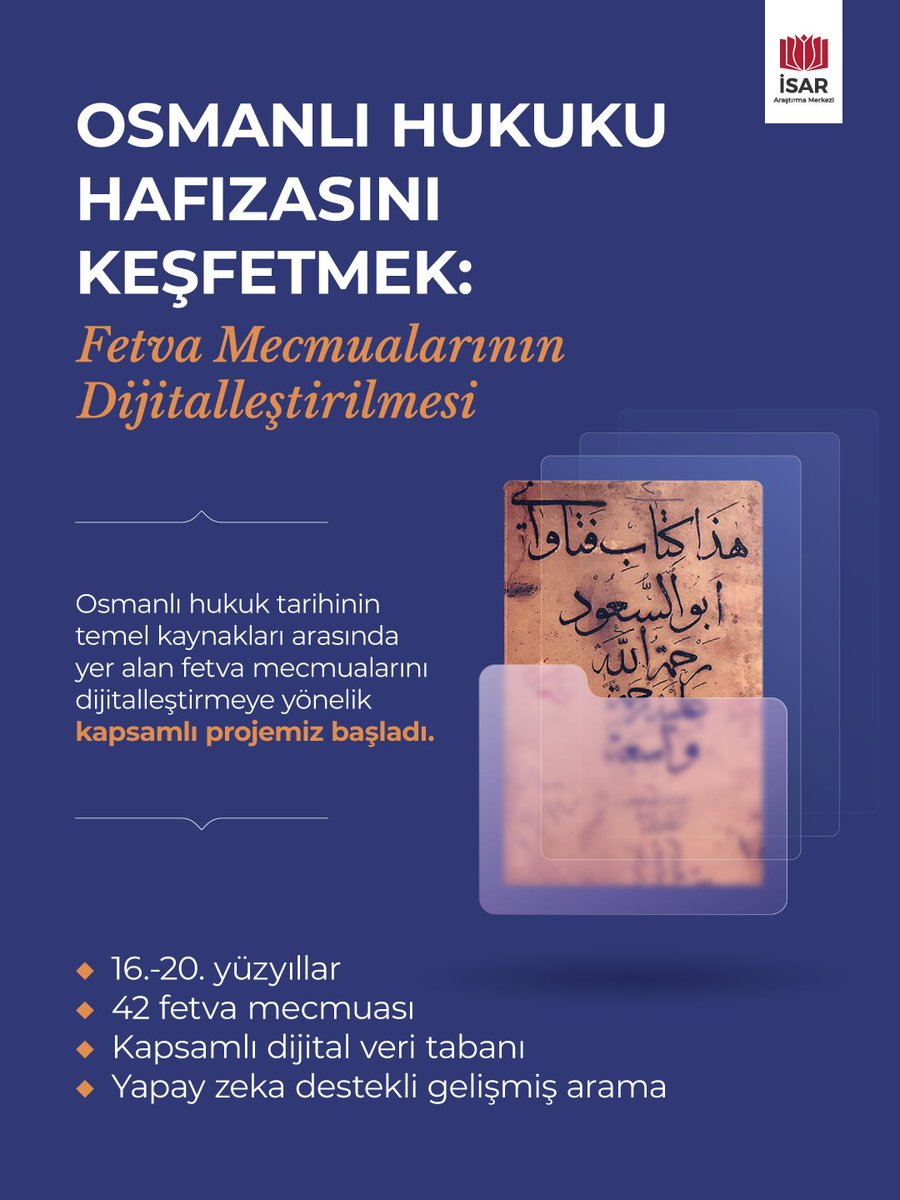
Araştırma Merkezi, Osmanlı hukuk tarihinin temel kaynaklarından fetva mecmualarını dijital ortama taşıyor. 16–20. yüzyıllar arasına ait 42 fetva mecmuası transkripsiyon–mukabele–redaksiyon süreçlerinden geçirilerek yapay zekâ destekli arama sunan platformda erişime açılacak.
İSAR Araştırma Merkezi tweet media
Türkçe
2
47
205
25.4K
Yusuf Celik
Yusuf Celik@suufy·
@SamQari I agree with your assessment about the headache that you make in the comments. Nevertheless, I - unfortunately - was not so desirable, but I have seen secular atheist women accept being number two rather than not have the person at all in their lives. Some men have an aura…
English
0
0
0
727
Fitzroy Morrissey
Fitzroy Morrissey@fitzmorrissey·
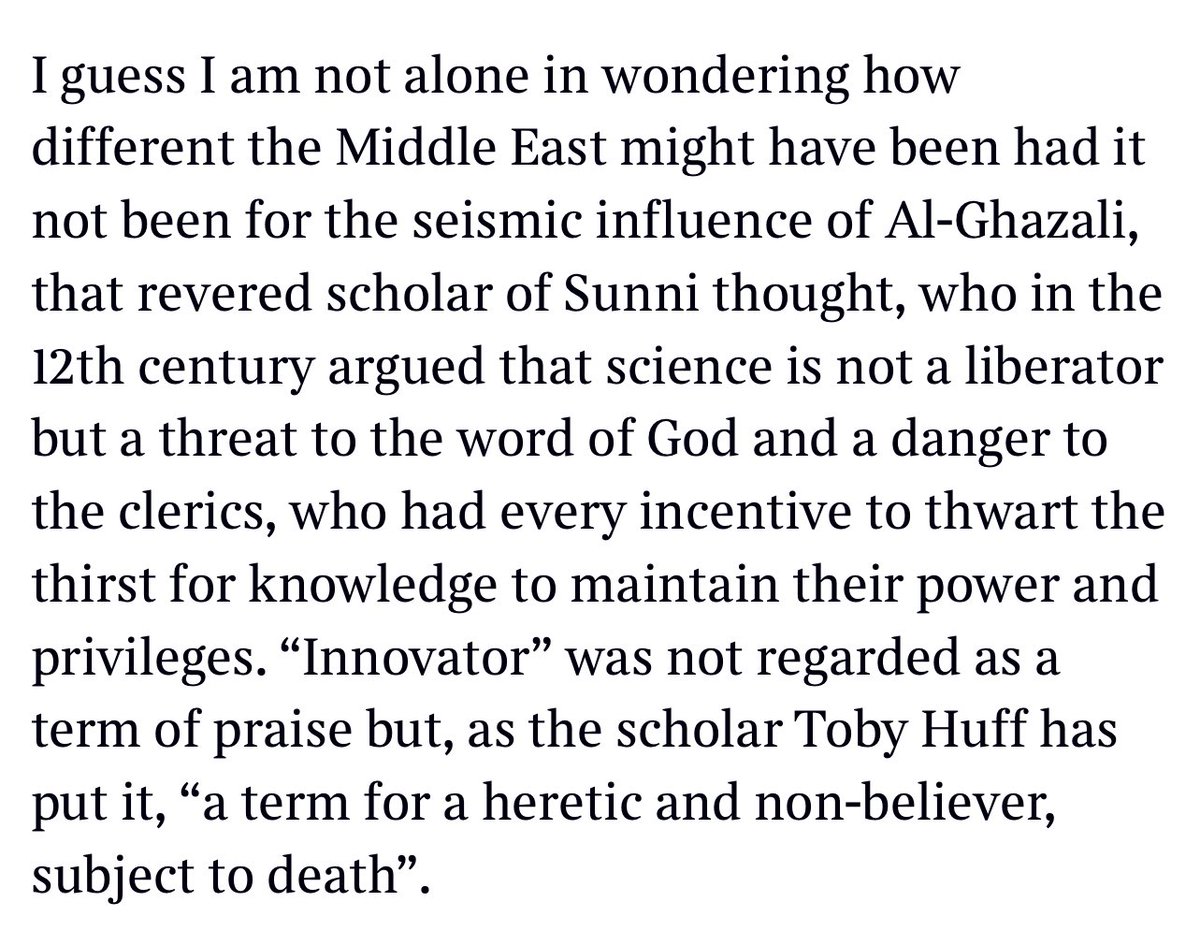
I find it depressing that, despite several decades of scholarship (including, most recently, the work of Frank Griffel) disproving the thesis that al-Ghazali was responsible for the supposed decline of philosophy & science in the Islamic world, this myth continues to be repeated.
Fitzroy Morrissey tweet media
Matthew Syed@matthewsyed

The Middle East was once the centre of the intellectual world. Then it went into reverse. The problem then, as now, is Islamic fundamentalism. No peace or prosperity is possible until the madrassas and other machines of indoctrination are confronted thetimes.com/article/f37d81…


English
17
44
270
51.2K
Yusuf Celik retweetledi
İSAR Araştırma Merkezi
İSAR Araştırma Merkezi@isararastirma·
📢| Join us at the XI İSAR Summer School! Islamic Law in Action: Reading Islamic Court Records with Dr. Samy Ayoub (University of Texas at Austin) 🗓️ 21–25 July 2025 🕙 Daily | 10:00–13:00 📍Üsküdar, Istanbul forms.gle/jpmgBtUWzzYyBC…
İSAR Araştırma Merkezi tweet media
English
0
6
22
8.6K
Sevcan Öztürk
Sevcan Öztürk@yunivers_·
Just finished reading Yusuf Çelik’s article and found it highly important and novel. One of the most striking issues he highlights: “There is even a possibility to argue that the next Khalid’s upon earth is the artificial superintelligence.”
Yusuf Celik@suufy

My article is out (open access). It attempts at presenting a take on Artificial Superintelligence and human distinctiveness from an Islamic worldview. link.springer.com/article/10.100…

English
2
0
3
491
Yusuf Celik
Yusuf Celik@suufy·
My VENI (NWO) funded project is live! Legacy of Q: Empowering Historical Inquiry Into Early Jewish-Islamic Relations Through AI. It is still a work-in-progress. Want to know more, sign up for the newsletter! legacyofq.com
English
0
0
4
420
Yusuf Celik
Yusuf Celik@suufy·
@ncmdsalih Tebrikler Necmettin. Her zorlugun ardindan kolaylik gelir.
Türkçe
1
0
1
1.3K
Necmettin Salih
Necmettin Salih@ncmdsalih·
Oxford'a geleli bugün tam 2,5 ay oldu. İlk iki hafta (ev bulma, aileyi getirme vs.) felaket derecede stresli ve yorucuydu. Çok kez dönmeye niyetlendim bu süreçte. Fakat şurada henüz 2 ayda yaptığım araştırmayı, yazdığım tezi Türkiye'de bir senede yapamazdım. Tanıştığım hocalardan, kurduğum arkadaşlıklardan, İngilizceme faydasından vs. bahsetmiyorum bile. Hamdolsun. Tecrübelerimi detaylıca yazacağım inşallah ilk fırsatta.
Türkçe
8
7
826
90.4K
Fatma Aladağ
Fatma Aladağ@fatmaaladag·
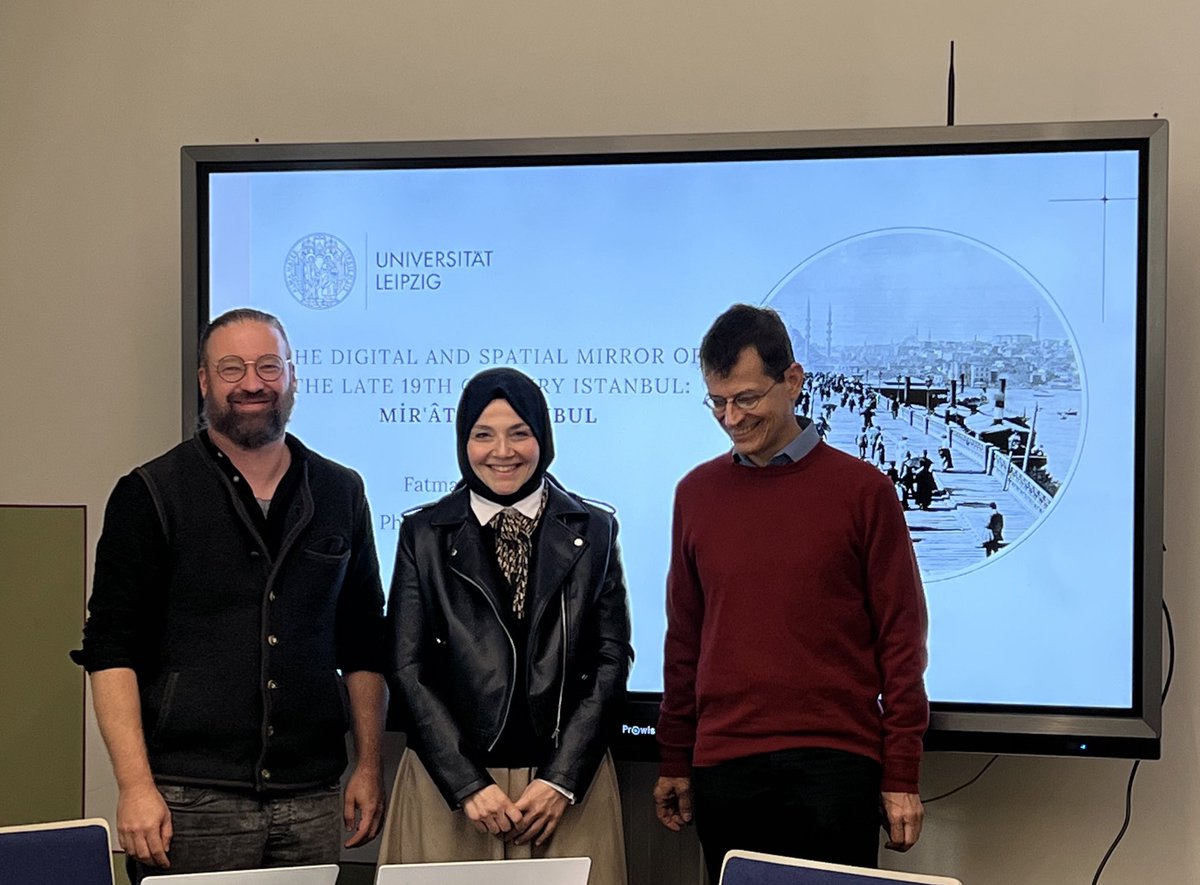
Dijital şehir tarihi kapsamında, Leipzig Üniversitesi Tarih Bölümü'nde, İstanbul'un 19.yy sokak ağlarını Mir'ât-ı İstanbul üzerinden "Space Syntax" analiziyle incelediğim doktora çalışmam tamamlandı. Danışmanlarım Prof Stefan Rohdewald ve Prof Manuel Burghardt'a teşekkür ederim.
Fatma Aladağ tweet mediaFatma Aladağ tweet media
Türkçe
23
12
489
36.7K
Yusuf Celik retweetledi
Trouw
Trouw@trouw·
Onderzoeker Yusuf Çelik stuitte bij toeval op verhalen van joden die in de islamitische gemeenschap werden opgenomen. Met kunstmatige intelligentie gaat hij hun rol voor de ontwikkeling van de vroege islam na. trouw.nl/religie-filoso…
Nederlands
2
6
6
2.3K