Sabitlenmiş Tweet

Why Tallow Balm Reigns as the Most Powerful Moisturiser in the world through the Ages?
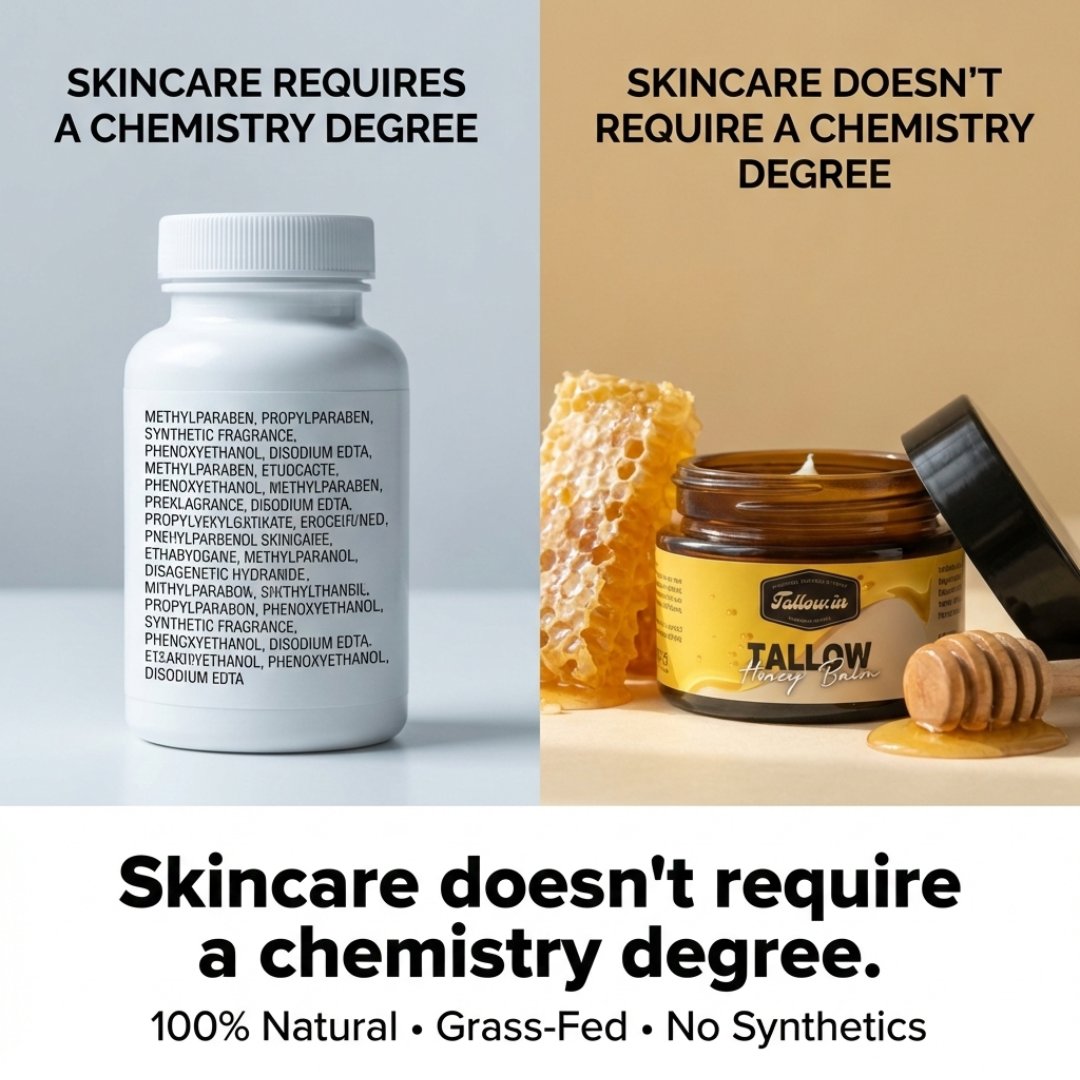
⭐️ All-in-One: Tallow balm does it all in one go, replacing the need for many different skincare products.
⭐️ Easy Hydration: It moisturizes your skin deeply without feeling heavy, unlike lots of different products that can be complicated.
⭐️ Natural Goodness: Tallow balm is full of important stuff that your skin needs, helping it stay healthy without needing lots of different things.
⭐️ For Everyone: No matter what type of skin you have, tallow balm works well, meaning you don't need lots of different products for different skin types.
⭐️ See the Change: Regularly using tallow balm makes your skin better, making it feel softer and smoother, without using lots of other products.
⭐️ Trusted Tradition: Tallow balm has been used for a long time because it works, making it a reliable choice in a world where skincare can be complicated.
⭐️ Simple is Best: While many skincare routines have lots of steps, tallow balm shows that keeping things simple can be just as good, or even better.
Why Tallow.in is the best balm in India
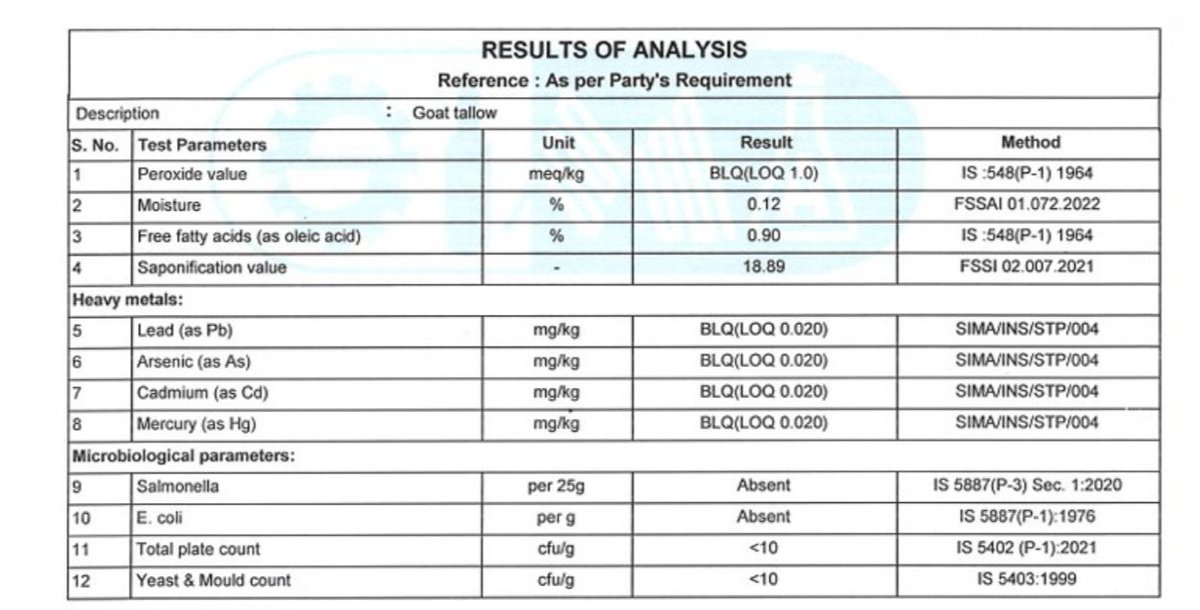
Where We Get Our Ingredients: We get our fat from goats that eat grass in the mountains of Jammu & Kashmir. This makes sure we have really good stuff to put in our balm.
Affordable Pricing: Even though we are the only one selling Tallow Balm in India, our prices are really good compared to other international Tallow Balm makers, but that doesn't mean we skimp on quality. You get the best without breaking the bank.
No Extra Charges: You don't pay anything extra for shipping. It's all included in the price, so you don't have to worry about extra costs.
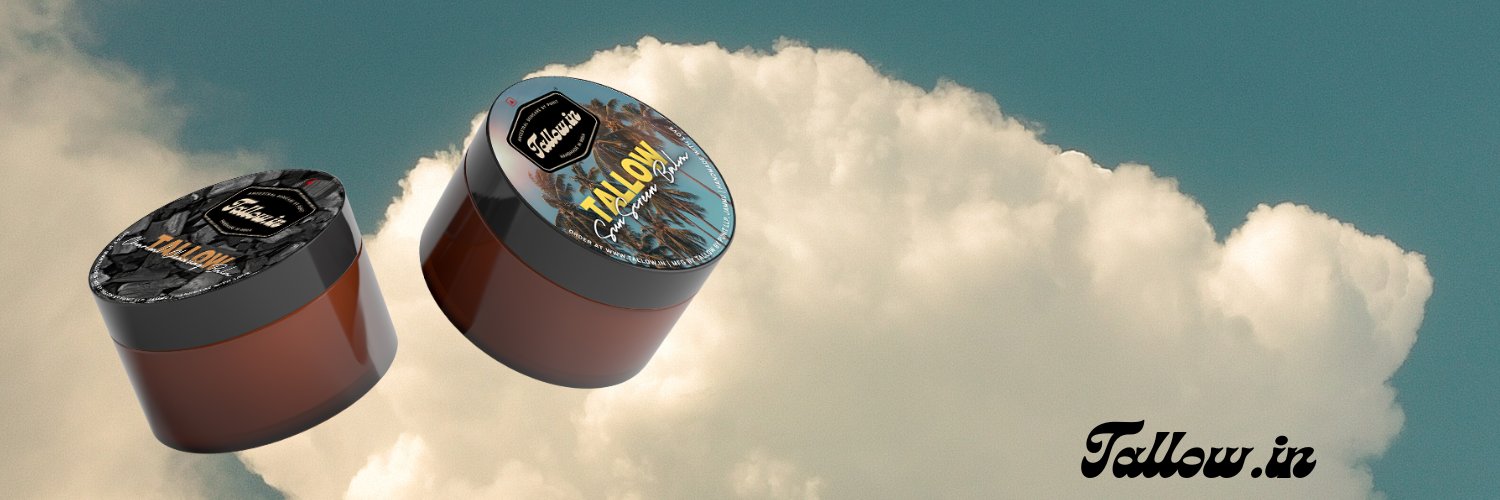
Premium Packaging: Our balm comes in a fancy amber jar. It looks nice and keeps the balm safe.
No Smelly Stuff: We make sure our balm doesn't smell bad. It goes through 3 step heating process to make sure it's just right.
Extra Goodness: We add really good things like extra virgin olive oil, organic honey, organic beeswax and pure essential oils to make our balm even better.
Order now at tallow.in (for quick delivery)
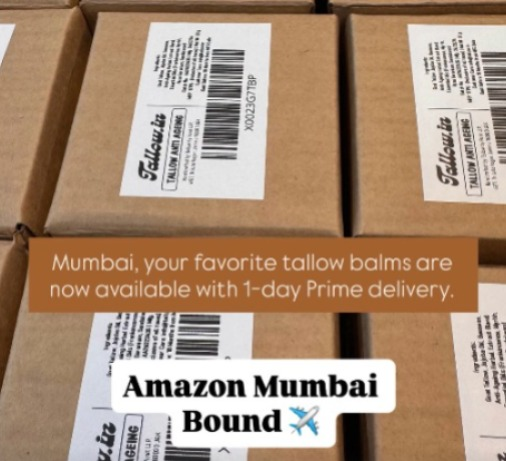
Amazon at t.ly/4x2NN

English