Kenny Carmody@KennyCarmody
COVID in a Psychological Autopsy🧵
We spent five years debating the science. We have barely begun to examine ourselves.
Let us conduct a genuine psychological autopsy of what happened during COVID.
Not a political one. Not a medical one. A psychological one because until we understand what drove human behaviour during those years at the deepest level, we are condemned to watch it happen again.
And it will happen again.
What the virus revealed about human nature was more contagious than the virus itself.
This story did not begin in 2020. It did not begin with Milgram in 1961 or Zimbardo in 1971 or Asch in 1951 or any other event in the last centuries. It began, if you read it that way, in a garden.
Adam and Eve did not eat from the forbidden tree because they were evil. They ate because they were afraid of missing something, because an external voice told them that what they had was not enough, and because the social pressure of that moment, the presence of another person making the choice, the authority of the voice offering the fruit overrode their own inner knowing.
The first act of human compliance with a destructive authority is written into the oldest story we have.
Cain and Abel goes further. The first murder in human history was not committed by a monster. It was committed by a man consumed by comparison, by wounded pride, by the shadow of his own inadequacy projected outward onto his brother. He did not see himself as evil in the moment. He saw himself as justified. As wronged. As acting on a feeling so overwhelming it demanded expression.
This is the psychological pattern that has repeated across every atrocity in recorded history.
Not monsters. Ordinary people. With unexamined shadows.
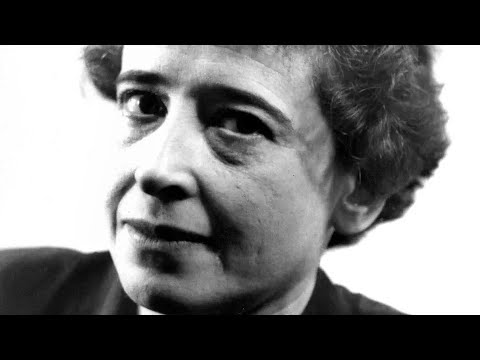
If you study Nazi Germany, if you read Hannah Arendt on the banality of evil, if you sit with the Milgram data, if you study the actual psychological profiles of the men who administered the Holocaust what you find is not a population of uniquely evil individuals.
You find clerks. Teachers. Fathers. Men who loved their children and fed their dogs and went to church on Sundays.
As one of the sharpest psychological observers of our time has put it, if you study those perpetrators and ask what they were like, the answer is they were just like you. And if you do not know that, it simply means you do not know anything about people, including yourself.
That is not a comfortable sentence.
It is the most important sentence in this entire post.
Because the question COVID demanded of every individual was not primarily a medical one. It was a psychological one.
Who are you when the authority speaks? Who are you when the crowd moves? Who are you when compliance is rewarded and dissent is punished? Who are you when the cost of standing still while others march past becomes socially, professionally, and personally unbearable?
The psychology of compliance under COVID breaks down along lines that have been well documented in social science for decades.
The compliant individual is not, in most cases, malicious. They are frightened. And beneath the fear is something deeper, a fragile relationship with their own authority. A lifelong pattern of looking outward for validation, for safety, for the definition of what is real and what is acceptable. These are people who were never taught or were actively discouraged from learning to trust their own perception when it contradicts the consensus.
When the authority spoke, they felt relief. Not just safety from the virus. Relief from the anxiety of having to decide for themselves. Relief from the responsibility of independent judgment. The system told them what was true and what was good and all they had to do was comply and in exchange they received belonging, approval, and the deep comfort of being on the right side.
And then something more sinister activated.