TerrApocalipse

2K posts

TerrApocalipse banner
TerrApocalipse

TerrApocalipse

@terrapocalipse

Indie space strategy with RPG elements and lots of action. Steam link: https://t.co/6EPo7BuIcO

Europe Katılım Nisan 2025
192 Takip Edilen161 Takipçiler
Sabitlenmiş Tweet
TerrApocalipse
TerrApocalipse@terrapocalipse·
Wishlist indie space action strategy with RPG-style progression, set in our solar system under siege by a overwhelming force. Develop your commander along unique path, forge your own hybrid playstyle, gather knowledge, build and customize ships, space stations and weapons. Fight and conquer, your decisions will shape fate of Terra and beyond. store.steampowered.com/app/4007500/Te…
English
1
3
15
2.1K
TerrApocalipse retweetledi
Erika 
Erika @ExploreCosmos_·
.@ESA_Euclid has captured the largest and most detailed visible-light image ever made of the Milky Way’s central region, revealing more than 60 million stars packed into the galactic bulge. Although Euclid was built mainly to study dark matter and dark energy by mapping billions of distant galaxies, this observation shows how powerful its wide-field visible camera is when turned toward our own Galaxy. In about 26 hours, on 23 March 2025, Euclid produced a mosaic from nine pointings, each covering an area of sky larger than the full Moon. The result is not just visually impressive; it is scientifically valuable because Euclid can separate individual stars in one of the most crowded regions of the sky without being overwhelmed by the brightness and density of the field. The main scientific value of this image is exoplanet research through gravitational microlensing. Microlensing occurs when one star passes in front of another from our line of sight and its gravity temporarily magnifies the light of the background star. If the foreground star has a planet, the planet can add a small distortion to that brightening. This is especially useful in the direction of the Galactic centre because the density of stars makes these chance alignments more likely. ESA notes that almost 300 exoplanets have already been found this way over the last 20 years, all with ground-based telescopes and all toward the centre of the Milky Way. Euclid’s new image includes 51 known planetary systems and will help scientists study many more. Euclid’s observation was too short to discover new microlensing events by itself, because such events require monitoring the same stars for more than 20 days. Its importance is different: it provides a very sharp reference image of the region before future alignments occur. When NASA’s Nancy Grace Roman Space Telescope detects microlensing events in the same area, astronomers will be able to compare Roman’s data with Euclid’s earlier image. That comparison can help separate the lensing star from the background star, measure their relative motion, confirm whether a planet is really present and estimate its mass. This is also a good example of how a mission designed for cosmology can produce high-impact Galactic science. Euclid was launched in 2023 and is intended to build a vast 3D map of the Universe over six years, tracing the influence of dark matter and dark energy through the shapes, distances and motions of galaxies. But here it has turned into a powerful tool for studying stars, dust, brown dwarfs, binary systems and cold exoplanets inside the Milky Way itself. In my view, the most interesting part is not only the scale of the image, but the fact that it becomes a time capsule: a precise record of how this crowded stellar field looked before future microlensing events happen. That makes it far more than a beautiful picture. It is a baseline dataset that future planet searches will return to repeatedly. 👉 esa.int/Science_Explor…
Erika  tweet media
English
13
49
273
6.3K
Scott Manley
Scott Manley@DJSnM·
I felt like building an air launched Pegasus rocket for my Swift Rescue video. Only as I got to takeoff did I remember I had the ultra realists Ferram Aerospace Research aerodynamic model installed which made this.... FAR harder.
English
43
18
719
47.2K
TerrApocalipse retweetledi
Chandra Observatory
Chandra Observatory@chandraxray·
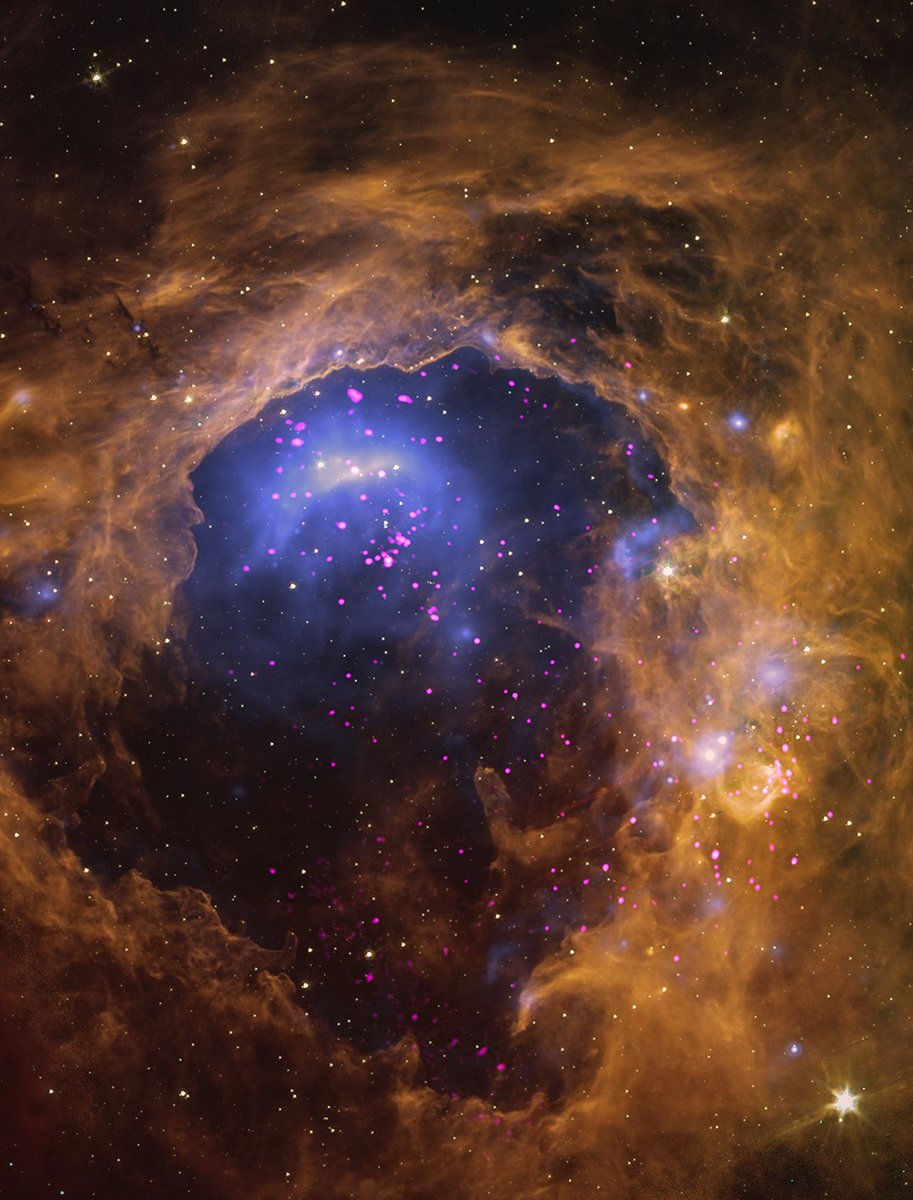
Some of our galaxy’s youngest, hottest, and most massive stars blaze to life in the nearby Carina Nebula. Winds from these powerful stars can carve out bubbles of hot gas, producing dramatic shapes in the surrounding clouds of colder gas and dust.✨
Chandra Observatory tweet media
English
16
251
1.2K
34K
x-kom.pl
x-kom.pl@xkom_pl·
Twoja pierwsza w życiu gra, to:👇
Polski
85
0
16
6.4K
TerrApocalipse
TerrApocalipse@terrapocalipse·
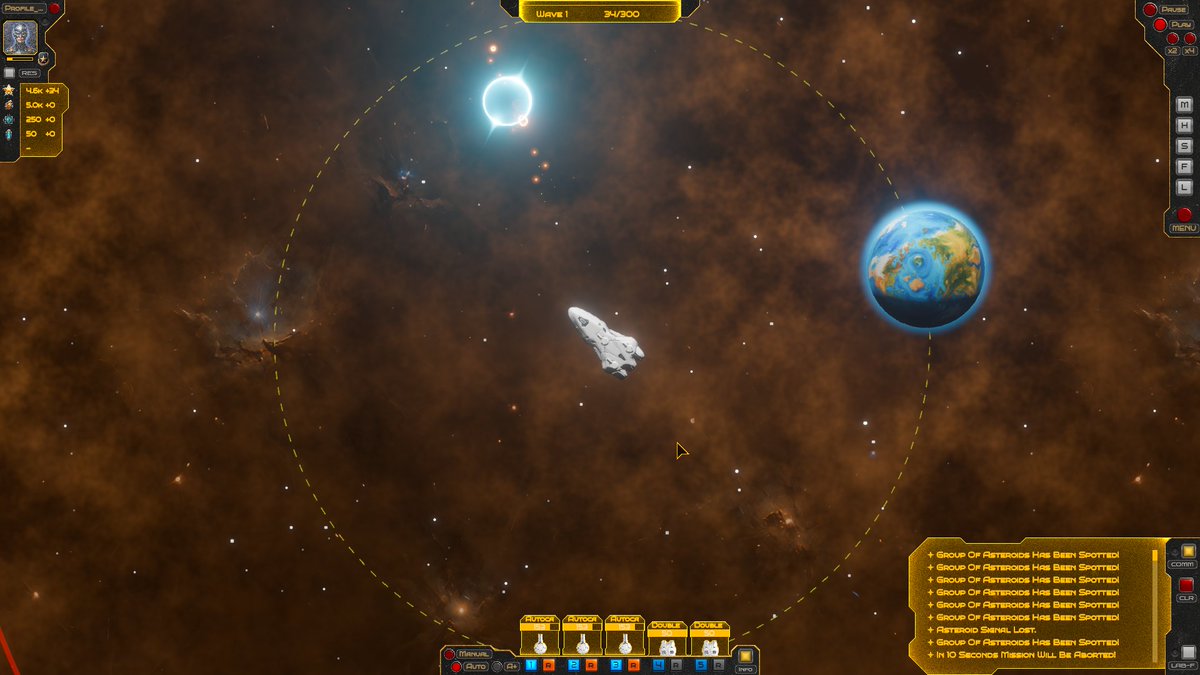
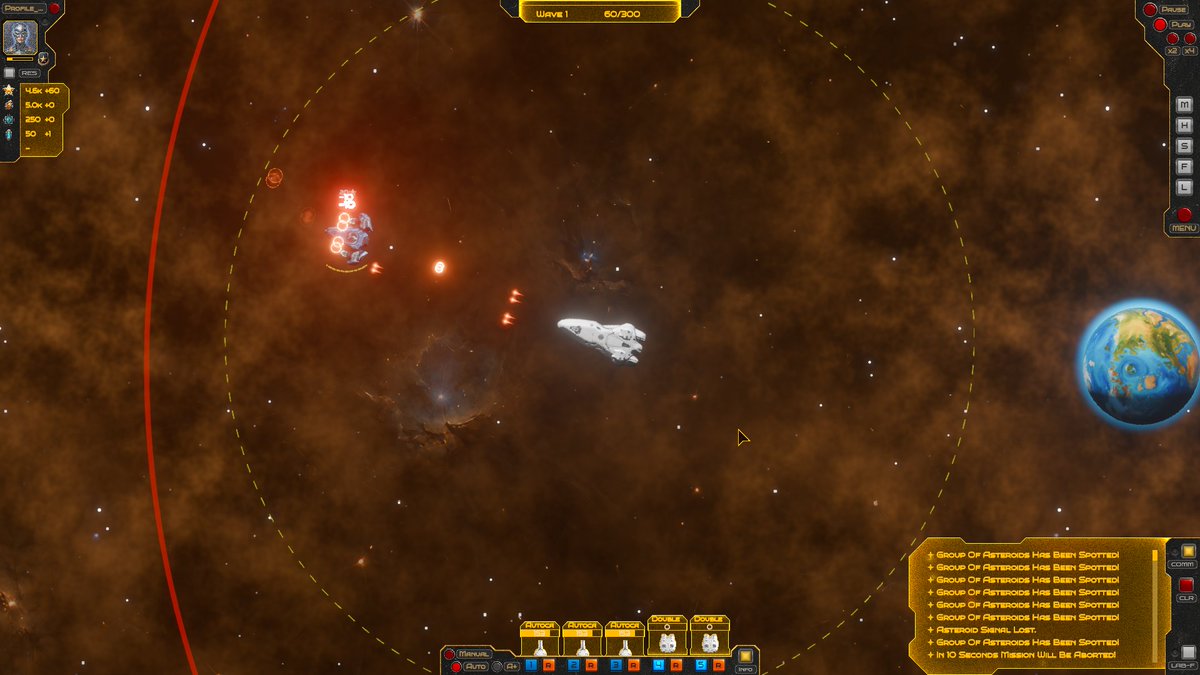
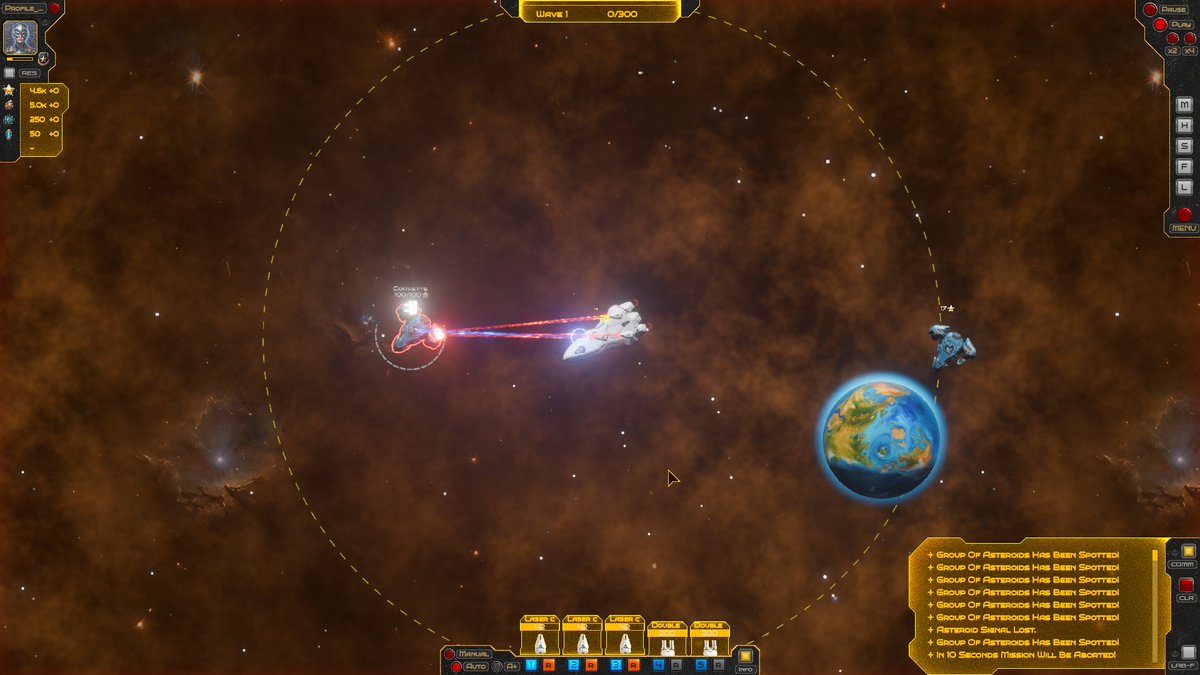
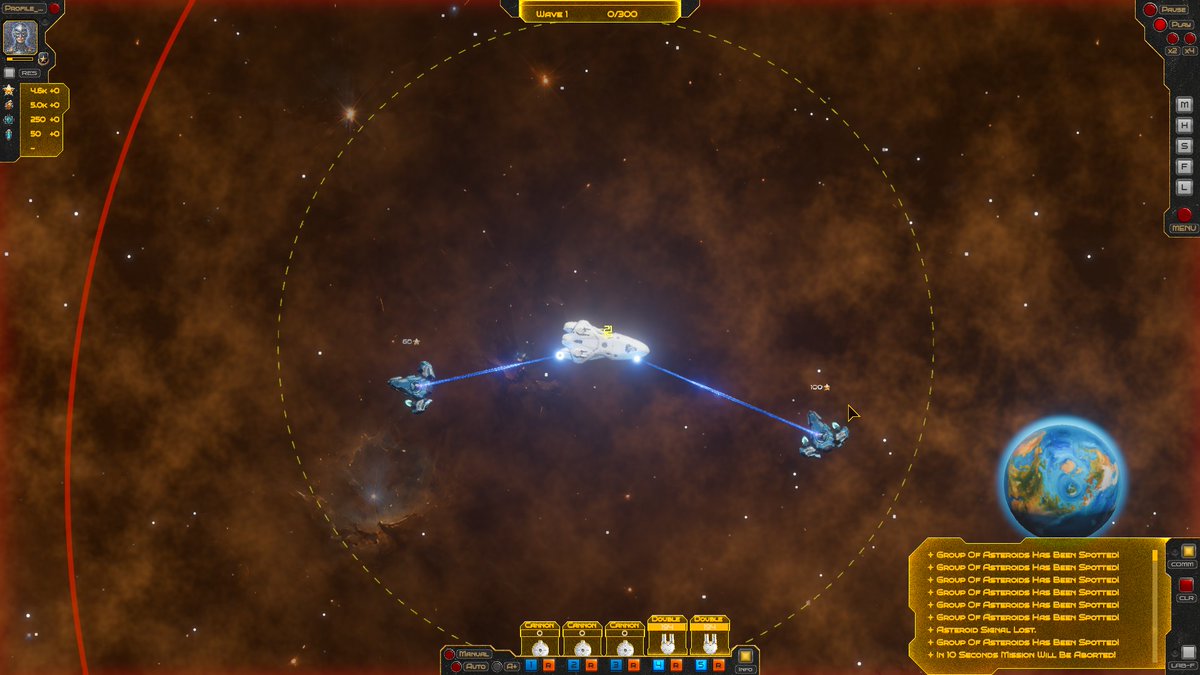
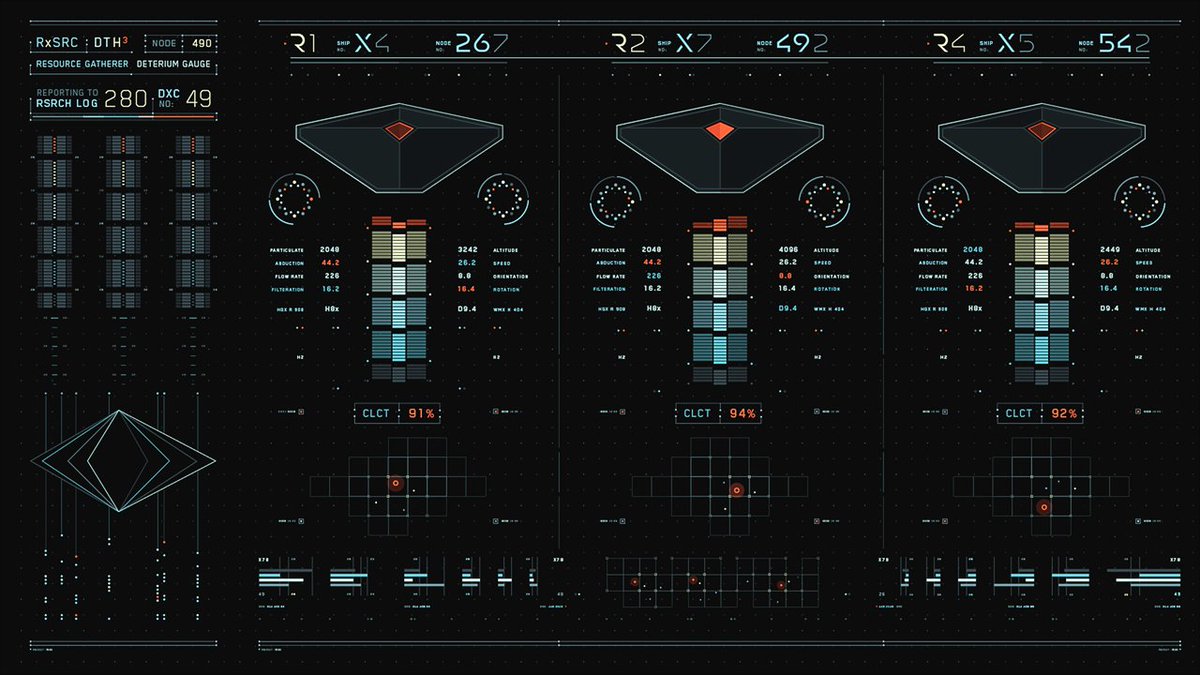
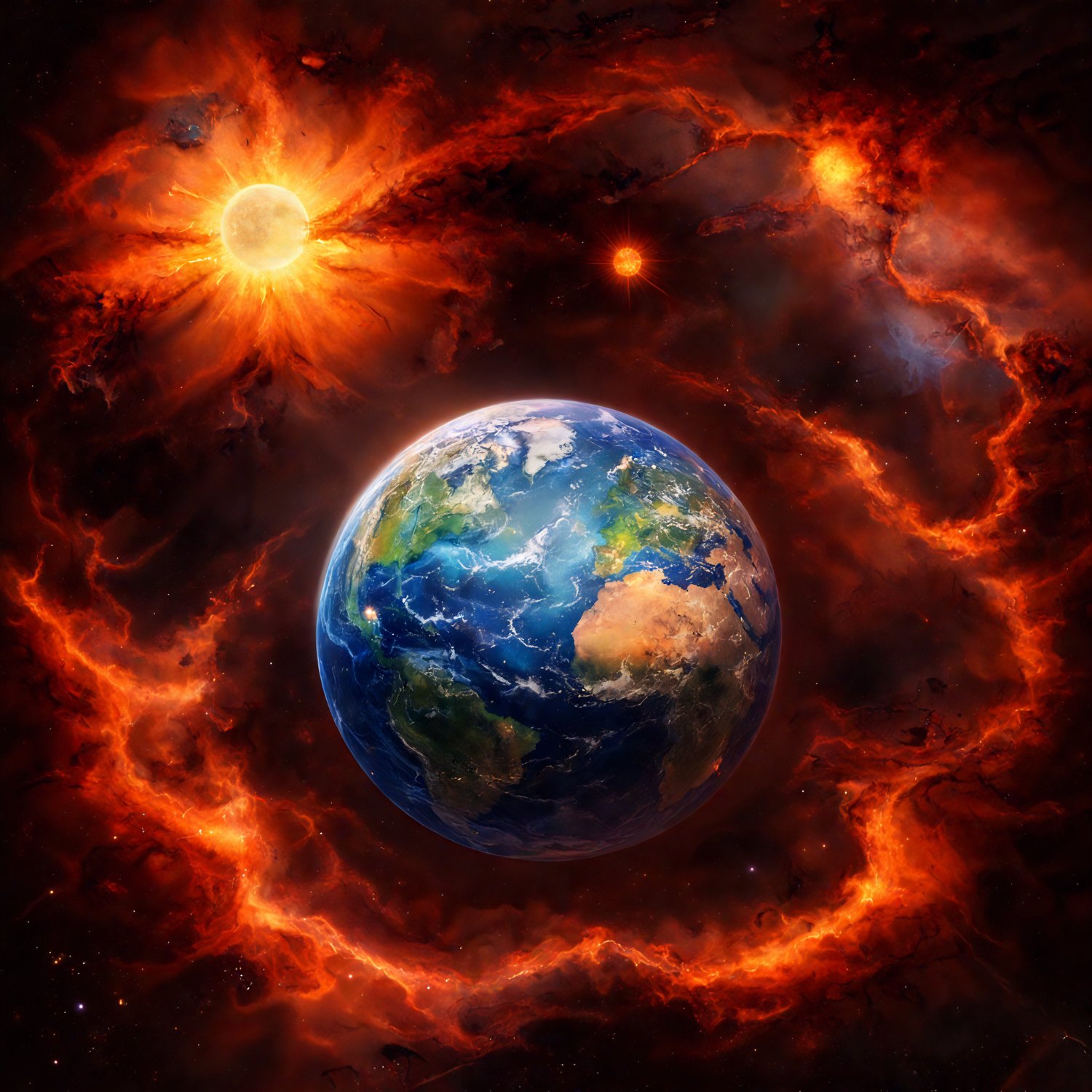
The laser, perhaps the most common weapon in sci-fi games, but in reality it is actually quite a challenge. It's difficult to cool cannon, difficult to supply enough energy (the farther from the sun, the more reliant you are on reactors which also require cooling), distance reduces beam strength/power, requiring the user to keep their target in their sights for extended periods. #terrapocalipse #indiegame #gamedev
TerrApocalipse tweet mediaTerrApocalipse tweet mediaTerrApocalipse tweet mediaTerrApocalipse tweet media
English
0
0
3
102
TerrApocalipse
TerrApocalipse@terrapocalipse·
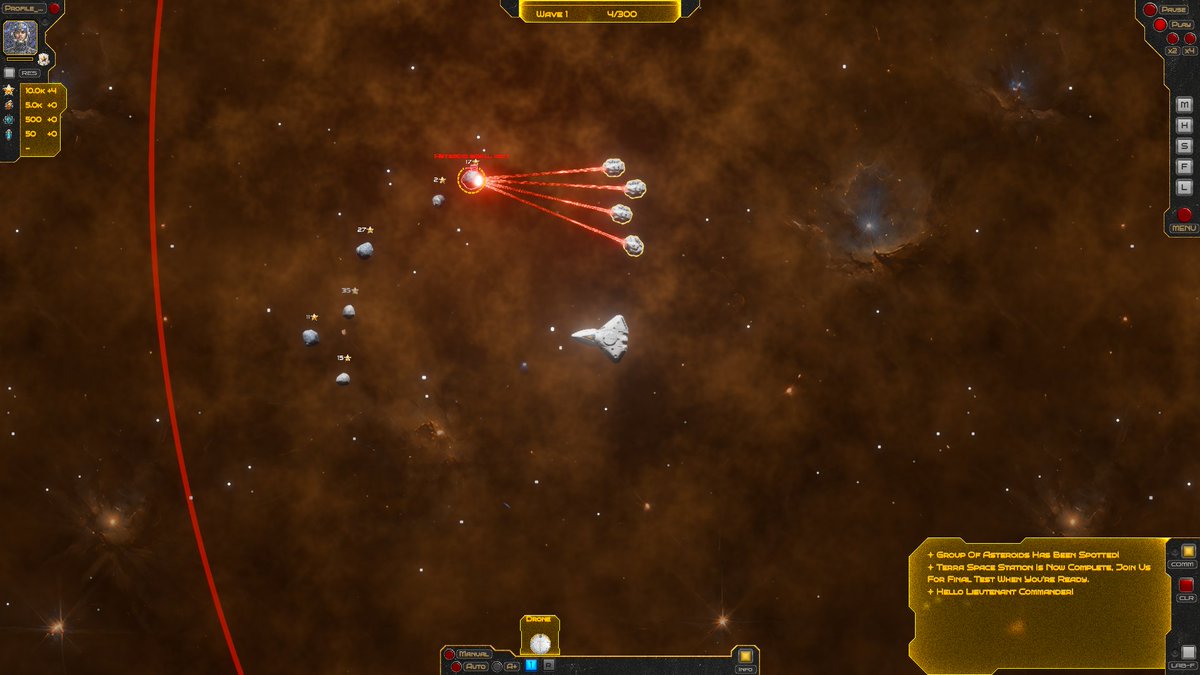
Drones can also be equipped with various types of weapons and some additional equipment, such as drills, which will allow them to obtain resources. #terrapocalipse #GameOn #gaming
TerrApocalipse tweet mediaTerrApocalipse tweet mediaTerrApocalipse tweet media
English
0
0
4
129
x-kom.pl
x-kom.pl@xkom_pl·
Która gra powinna otrzymać remake? 🎮
Polski
87
0
11
6.6K