


Gayan Lakmal Alwis, CFA
3.6K posts

@theGayan
I write about #investing and #PublicSpeaking to make you a better person than yesterday. https://t.co/vSoYUBv7Sc Personal views.NOT investment advice.RTs≠endorsements


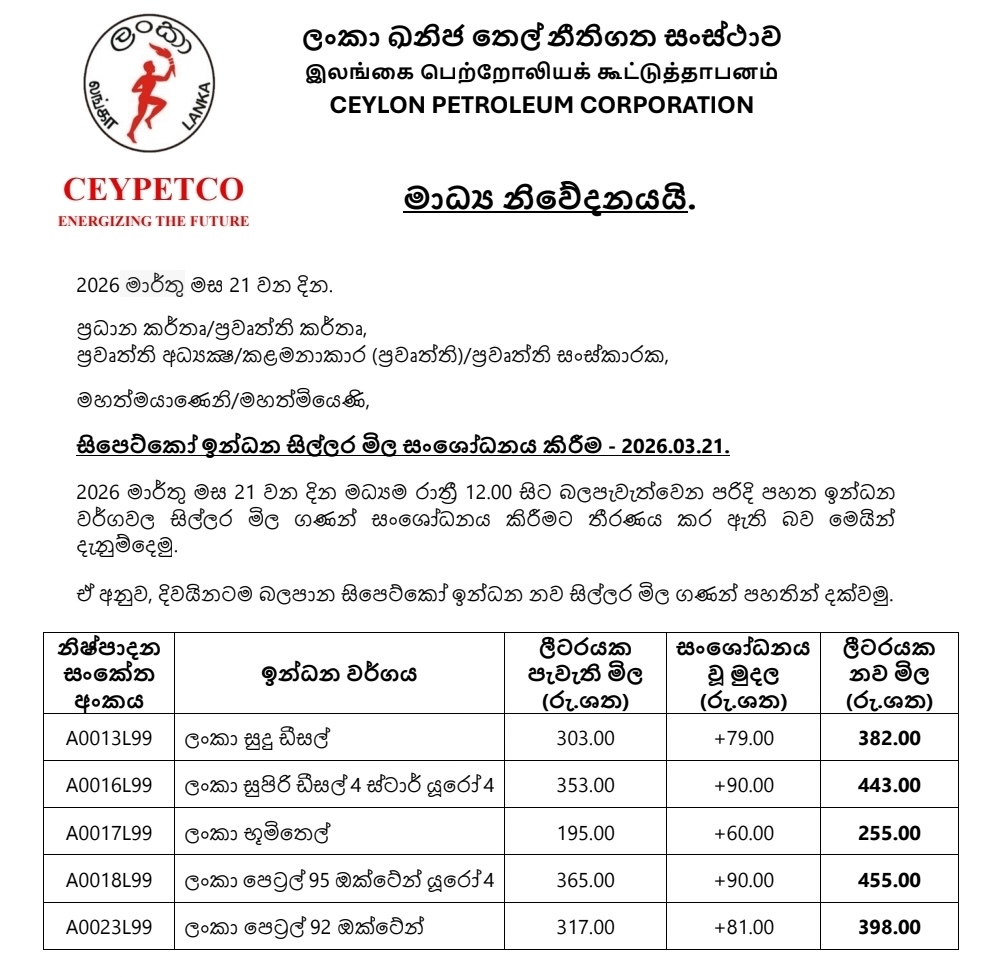
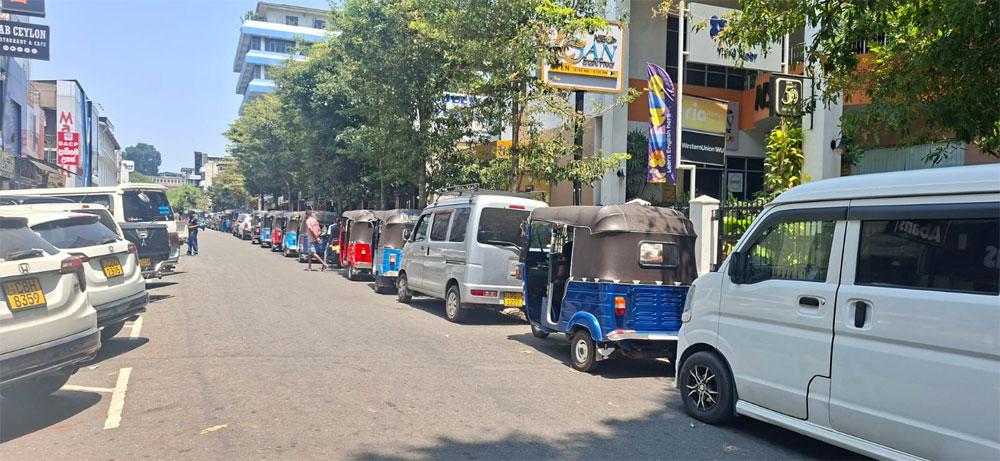
Fun Fact: For the folks in @CSE_Media, the biggest capital gain over the past few weeks have been the fuel left in our tanks (if any). 😀 On a serious note: Fuel prices are revised upwards by ~26%.


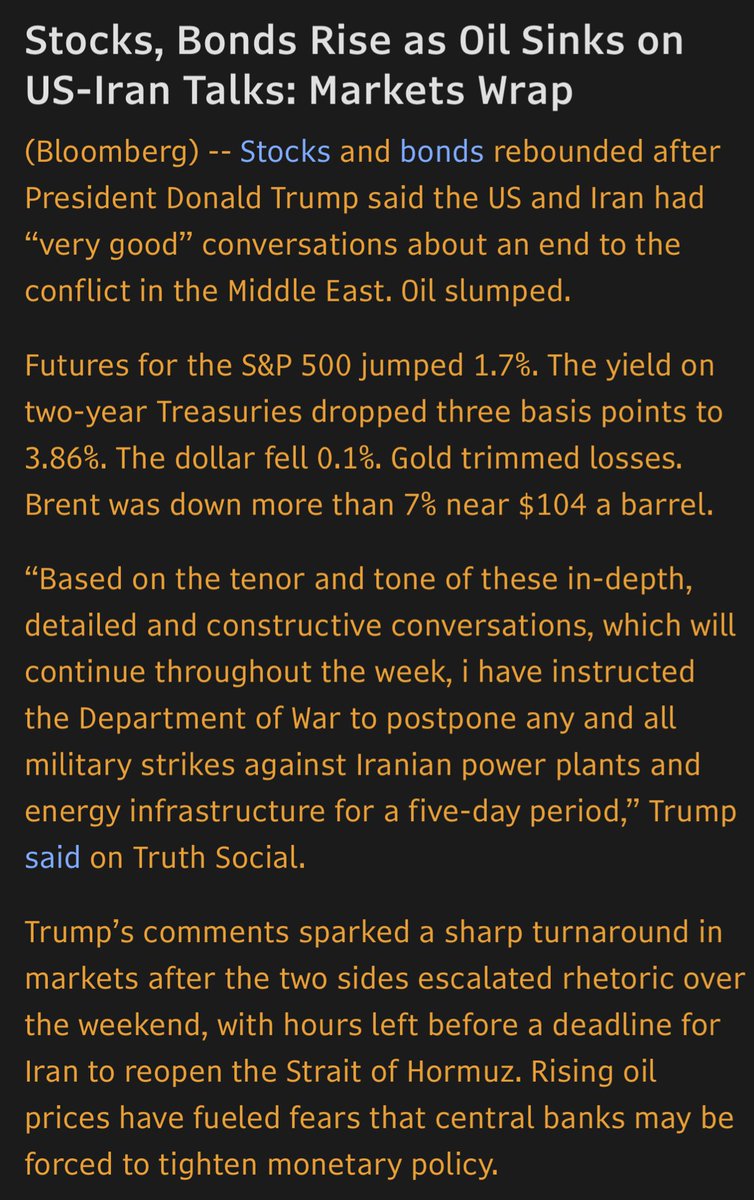
Looks like CSE is over reacting over 4% down is it for the war situation or QR? Asian markets it’s mixed some in Green and some down with maximum 0.7% US market futures pointing to Green opening, So what’s the panic here?🤷♂️


CBSL USD purchases off to a strong start! In Jan 2026, @CBSL purchased USD 210 Mn and sold 9.5 Mn. While this is lower vs. Dec 2025 (purchases USD 273 Mn; sales 19 Mn), a seasonal comparison with Jan 2025 (purchases USD 47 Mn; sales 29 Mn) shows an impressive start to the year.


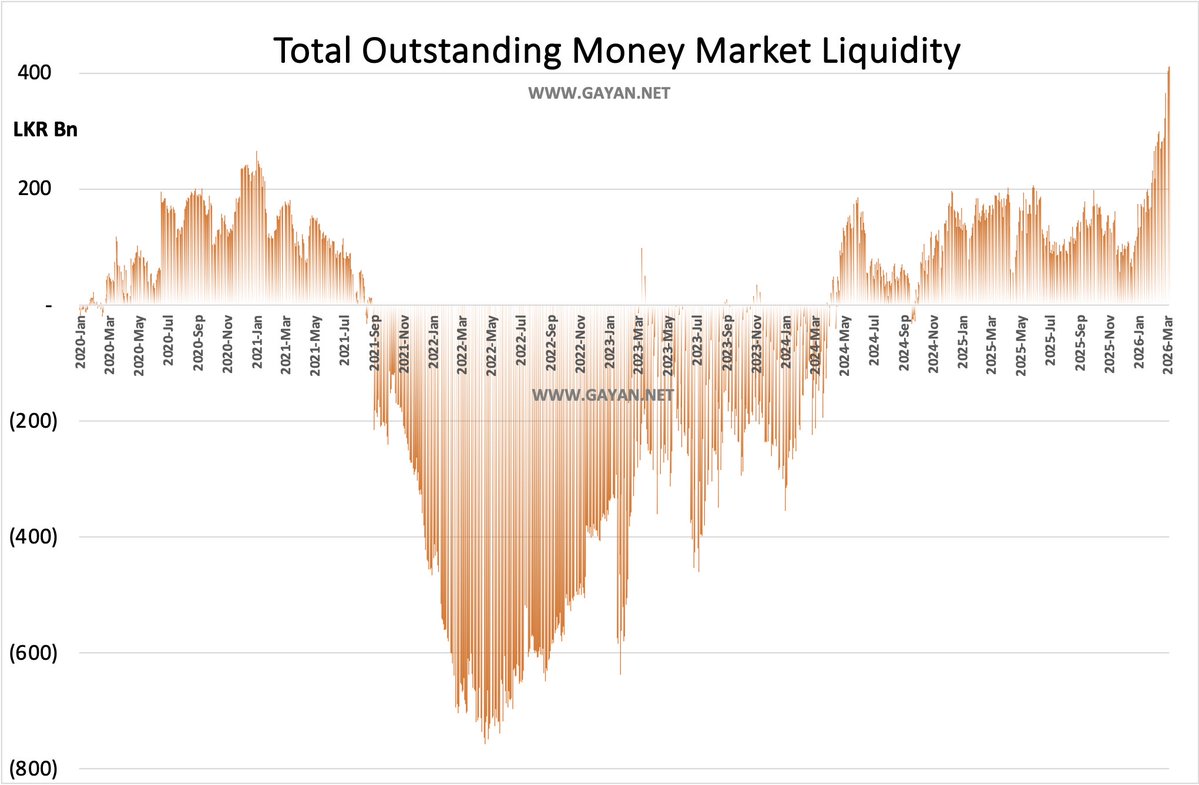
Money market just reached a level we have never seen before. On 6th Mar 2026, Total Outstanding Market Liquidity (TOML), i.e. @CBSL measure of net overall surplus liquidity in the banking system, reached LKR 413 Bn. An all-time high. Four years ago, TOML was at a massive deficit of LKR 757 Bn. The banking system was a net borrower from CBSL. That was April 2022, i.e. peak of the financial crisis. The reversal from that to now is LKR 1,170 Bn. When TOML rises, short-term rates usually face downward pressure and banks have greater capacity and incentive to disburse credit into the real economy. Given the current global uncertainty and the spillover effect of that on our domestic markets, such ample levels of liquidity provides cushion and comfort to absorb short-term shocks. What does this massive liquidity surplus tells you? • Further dip in T Bill rates? • Private sector credit to trend higher? • Reflation to accelerate? • Pressure on LKR? • Impact on @CSE_Media? Drop your views below. P.S. If you are publishing my analysis in your media, please be kind enough to attribute and give due credit. Thank you.


Impact of CBSL on the Money Market Liquidity How does @CBSL operations impact Money Market (MM) liquidity? • Money going into CBSL (denoted -) decreases market liquidity. • Money coming out of CBSL (denoted +) increases market liquidity. What was the impact during 2025? 1. T Bond Maturities LKR -7 Bn When CBSL collect maturity proceeds of their T Bonds, liquidity flows out of the market. 2. SRR and Other Absorptions -19 Bn Increase in money held under SRR (Statutory Reserve Ratio) (likely due to increase in Bank deposit base) leads to an absorption of liquidity. 3. Coupon Payments to CBSL -189 Bn When CBSL collect coupons on their T Bonds, liquidity flows out of the market. 4. Net Currency Withdrawals -210 Bn Market liquidity falls when Banks withdraw cash from their CBSL account. 5. Net Govt. Foreign Loan Repayments -356 Bn When Govt. buys USDs for repayments and settles corresponding LKR, market liquidity falls, as it’s a movement of money from MM to CBSL. 6. Net CBSL FX Swaps +259 Bn On net terms, CBSL has purchased FX and sold (injected) LKR. 7. Net USD Purchases +530 Bn On net terms, CBSL has purchased USDs from the market, injecting LKR as settlement of the said purchases. Note: Kudos to Central Bank of Sri Lanka for making this simple, by splitting previous years item “Net T Bill/Bond Transactions” into two, i.e., “T-bond Maturities” and “Coupon Payments to the Central Bank”. If you enjoyed this: • Like to show some love • Repost to share with others • Follow me @theGayan for more insights on investing.