MGBatzee
1.8K posts

Konstantin Kisin made a point that cuts to the heart of one of the most forbidden conversations in the West today.
He argued that much of our current cultural tension stems from an unspoken assumption: that all groups of people are not just equal in dignity and rights, but essentially the same in their aptitudes and outcomes. When reality shows persistent group differences — whether in sports, professions, or other fields — we’re left scrambling for explanations that avoid cultural or, God forbid, genetic factors.
Kisin referenced Thomas Sowell’s observation that different groups naturally excel in different areas: Germans dominating global brewing (including China’s Tsingtao), Latinos overrepresented in baseball, white people in hockey, Black people in the NBA. These patterns, he says, are the normal human condition, not evidence of systemic failure.
The problem arises, he suggests, when a society insists that any deviation from perfect uniformity must be explained by oppression or discrimination, rather than accepting that people and groups simply differ in strengths and interests.
It’s a provocative take on why honest discussion about group differences has become so difficult.
What do you think — are group differences in outcomes mostly cultural and environmental, or do we need to be more open to the possibility that biology and natural aptitudes also play a role?
English
MGBatzee retweetledi

Piers Morgan asked why Iranians aren’t back on the streets for regime change.
I told him: this is not a moral question when people face guns and military force.
Ask Europeans protesting safely why not chant “Free Iran”?
Ask UK Prime Minister Keir Starmer why his government attended a celebration at the Islamic Republic’s embassy right after the massacre of over 32,000 people.
And I invite Piers Morgan to let his audience hear from the women of Iran, women who lost their eyes for showing their hair, instead of hosting angry men shouting over our stories.
English
MGBatzee retweetledi

If your main takeaway on aliens is:
"Space is too big, they'd never reach us, it's impossible"
You're too dumb to be giving an opinion on this.
English

@nettermike Where did he gave this interview from?
Heaven?
English

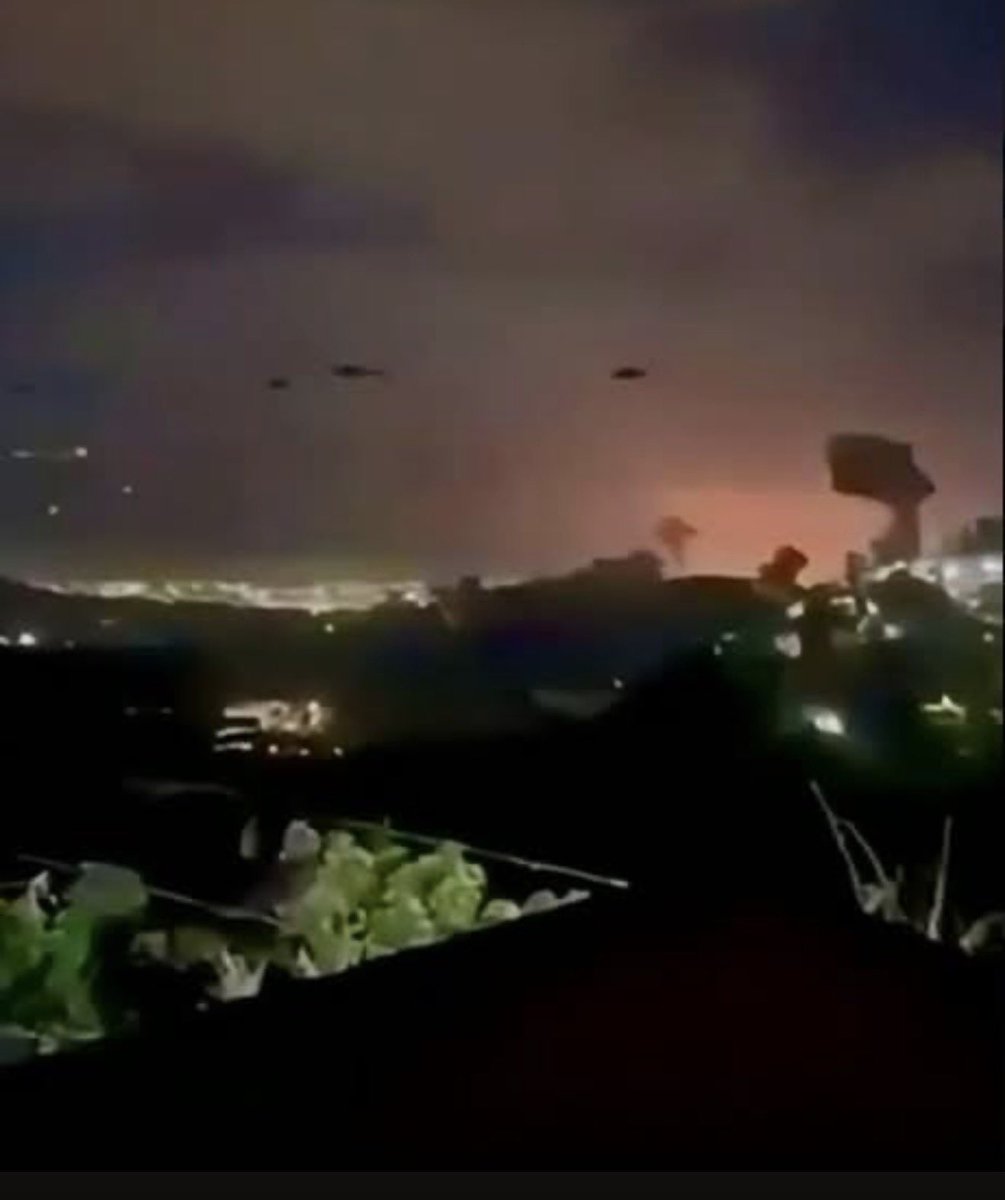
🚨This account from a Venezuelan security guard loyal to Nicolás Maduro is absolutely chilling—and it explains a lot about why the tone across Latin America suddenly changed.
Security Guard: On the day of the operation, we didn't hear anything coming. We were on guard, but suddenly all our radar systems shut down without any explanation. The next thing we saw were drones, a lot of drones, flying over our positions. We didn't know how to react.
Interviewer: So what happened next? How was the main attack?
Security Guard: After those drones appeared, some helicopters arrived, but there were very few. I think barely eight helicopters. From those helicopters, soldiers came down, but a very small number. Maybe twenty men. But those men were technologically very advanced. They didn't look like anything we've fought against before.
Interviewer: And then the battle began?
Security Guard: Yes, but it was a massacre. We were hundreds, but we had no chance. They were shooting with such precision and speed... it seemed like each soldier was firing 300 rounds per minute. We couldn't do anything.
Interviewer: And your own weapons? Didn't they help?
Security Guard: No help at all. Because it wasn't just the weapons. At one point, they launched something—I don't know how to describe it... it was like a very intense sound wave. Suddenly I felt like my head was exploding from the inside. We all started bleeding from the nose. Some were vomiting blood. We fell to the ground, unable to move.
Interviewer: And your comrades? Did they manage to resist?
Security Guard: No, not at all. Those twenty men, without a single casualty, killed hundreds of us. We had no way to compete with their technology, with their weapons. I swear, I've never seen anything like it. We couldn't even stand up after that sonic weapon or whatever it was.
Interviewer: So do you think the rest of the region should think twice before confronting the Americans?
Security Guard: Without a doubt. I'm sending a warning to anyone who thinks they can fight the United States. They have no idea what they're capable of. After what I saw, I never want to be on the other side of that again. They're not to be messed with.
Interviewer: And now that Trump has said Mexico is on the list, do you think the situation will change in Latin America?
Security Guard: Definitely. Everyone is already talking about this. No one wants to go through what we went through. Now everyone thinks twice. What happened here is going to change a lot of things, not just in Venezuela but throughout the region.
English
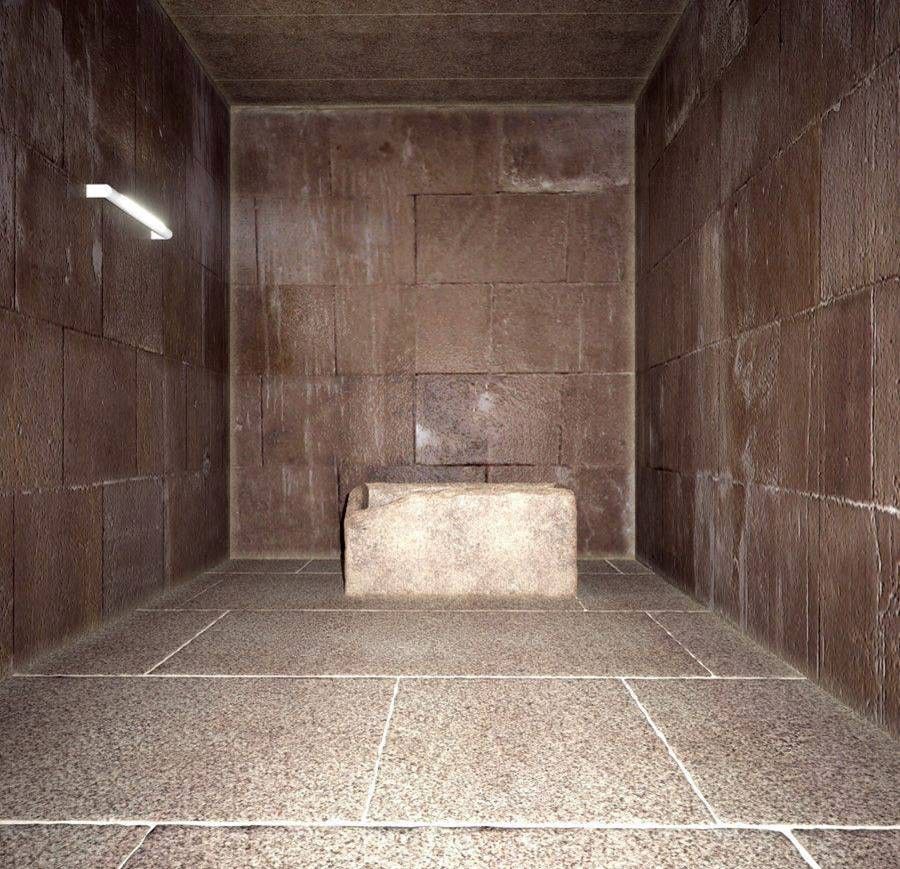


Tucker Carlson: “If I were Putin, I would offer free first class trips to Moscow so they could see that Moscow was so much nicer than any place in Great Britain. It's like not even close…It's just weird that they're mad at Putin. Why aren't they mad at Keir Starmer?”
English
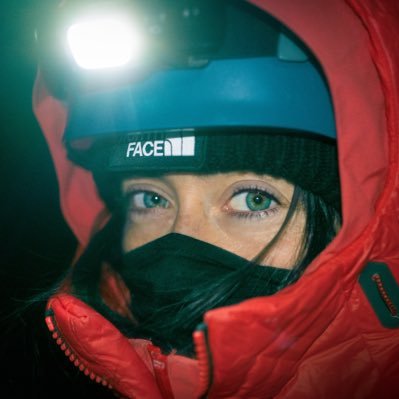
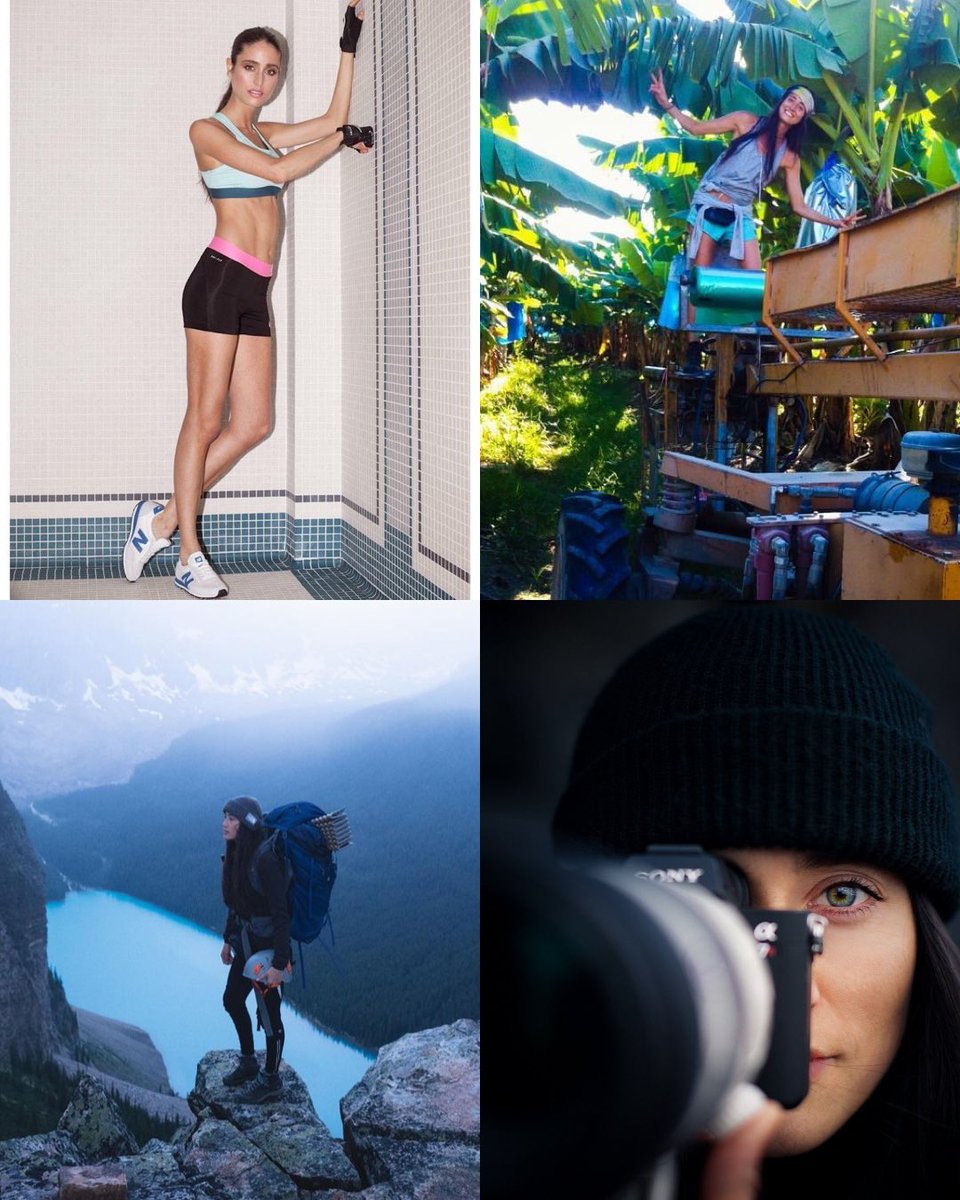
I left the fashion industry 9 years ago because I didn’t feel fulfilled, I was depressed, and I didn’t align with the values of the industry. I was not happy making a living off my physical appearance.
I was also severely underweight to fit the industry standards back then (about 98 pounds for 5’7, lost my period for a few years) and knew I had to get back to a healthy place.
So, I sold all my designer clothing, broke the lease of my apartment, and bought a one-way ticket to Australia. Over there, I worked at a cherry farm then a banana farm. The job was very physical, my health improved a little bit, I had a routine, a job to do every day, I had no pressure to look a certain way and I could escape in my mind for hours while working. It was, in a sense, peaceful with very little stress, but I still felt a deep emptiness.
Once my farm work was done, I took a 2-month solo trip to Indonesia, Hawaii and the Canadian Rockies. The Canadian Rockies were where I found my passion for hiking, backpacking and landscape photography. For 3 weeks, I slept on the passenger’s seat of my rental car and photographed the area at the best of my ability. (I had only started photography a few months before). Little did I know that this would be the start of my carreer.
Over the next few years, as my passion for landscape photography grew, my physical and mental health got better. I learned to treat my body with respect and be thankful for it. The emptiness was still there, but would disappear when I would spend time in the mountains and create.
Climbing up a mountain gives you the ‘’illusion’’ to fight for something that’s worth fighting for. When you do it enough times, this illusion becomes a reality and you heal. Creating art gives you the ability to express your deepest emotions and process them. Together, they healed me and still are. (A forever work in progress)
For many of us artists, art is our therapy. It is sacred.
This is why, at least for me, web3 can be hard to navigate at times. Floor prices, supply, selling out, 1/1s, editions, ROI, utility, airdrops … All of this can sometimes feel a little bit soulless however important to consider if you want to make a living in web3. It is a harsh and conflicting reality.
That’s why empathy towards each other is important. You never know what art can mean to someone. It can range from a fun hobby to an absolute survival mechanism. Photography and hiking personally saved my life and I’m sure art saved many lives.
Hope you enjoyed this read.
English