Matt Maruca 🌞

4.3K posts

Matt Maruca 🌞 banner
Matt Maruca 🌞

Matt Maruca 🌞

@thelightdiet

"You are the light of the world. Let your light so shine before men, that they may see your good works." 🔥🧘‍♂️🔥 Founder @ra_optics 😎 #thelightdiet

Katılım Aralık 2018
52 Takip Edilen3K Takipçiler
Sabitlenmiş Tweet
Matt Maruca 🌞
Matt Maruca 🌞@thelightdiet·
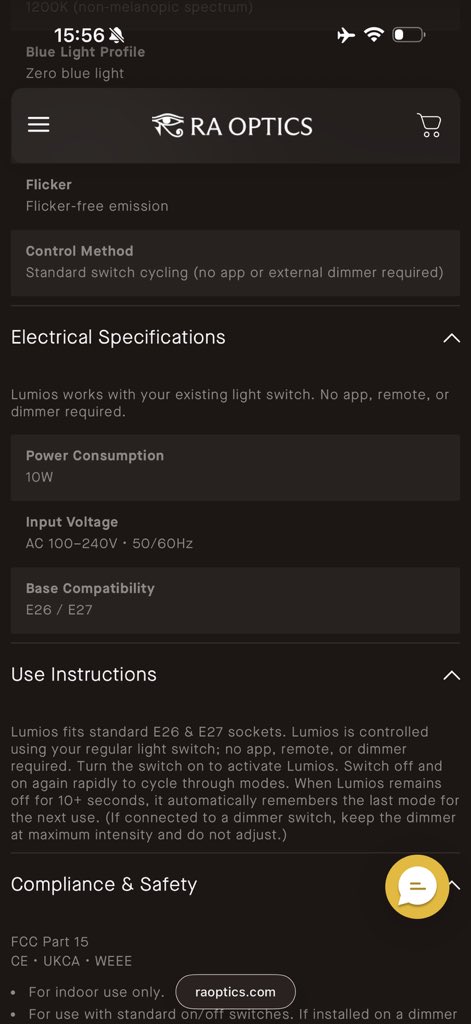
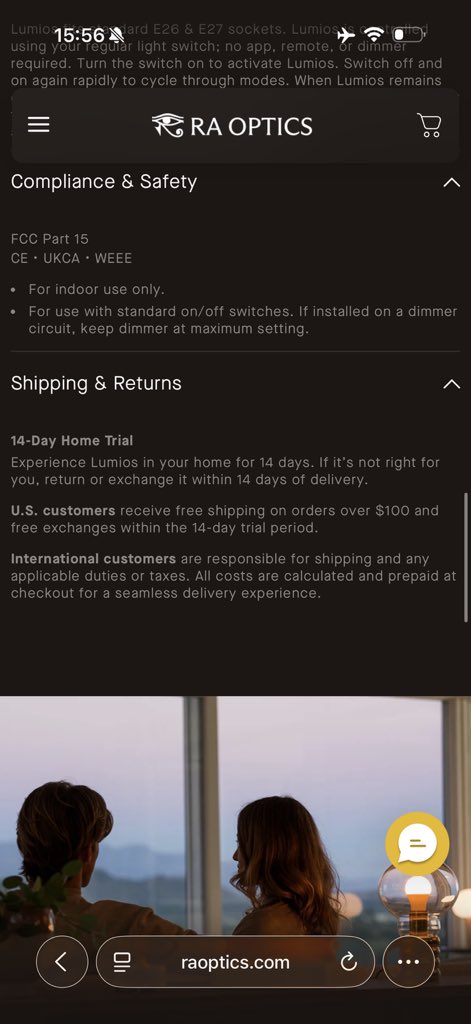
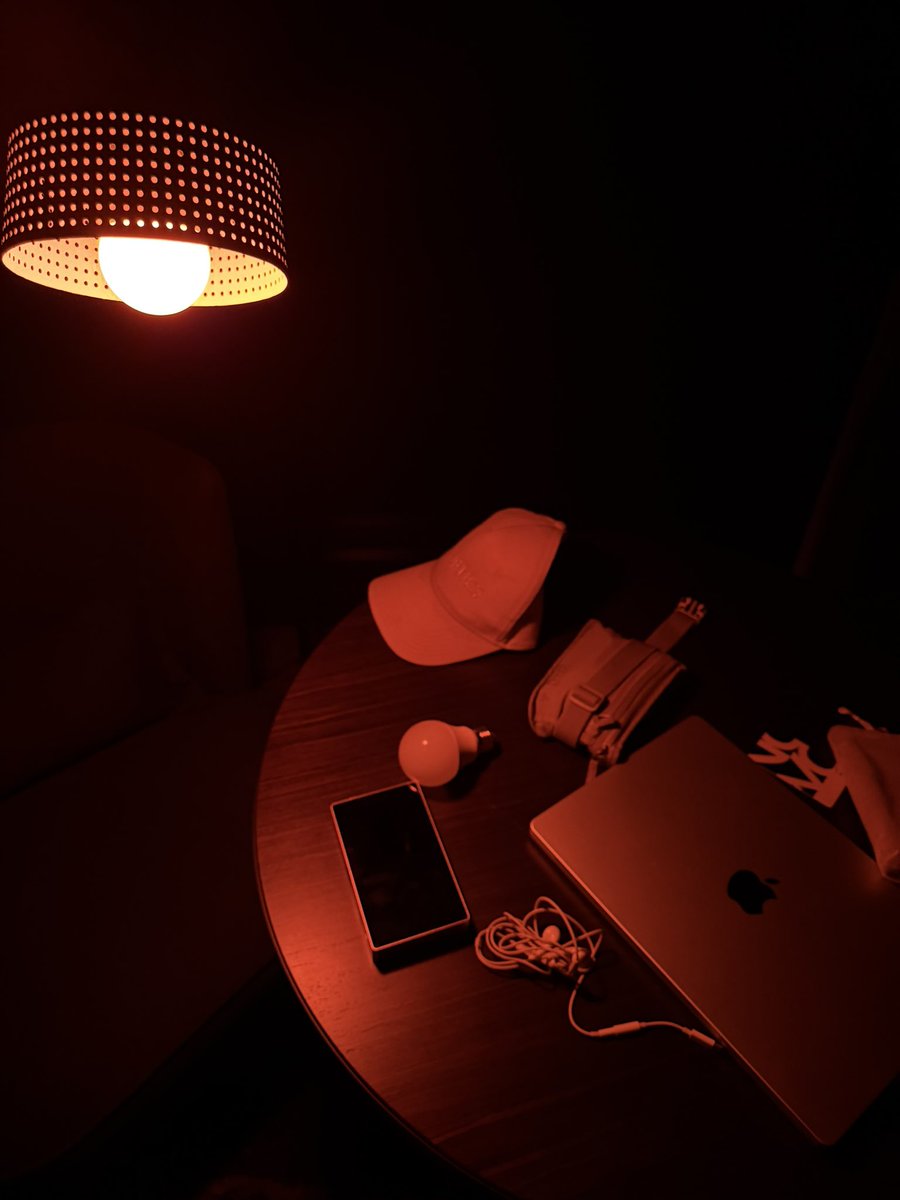
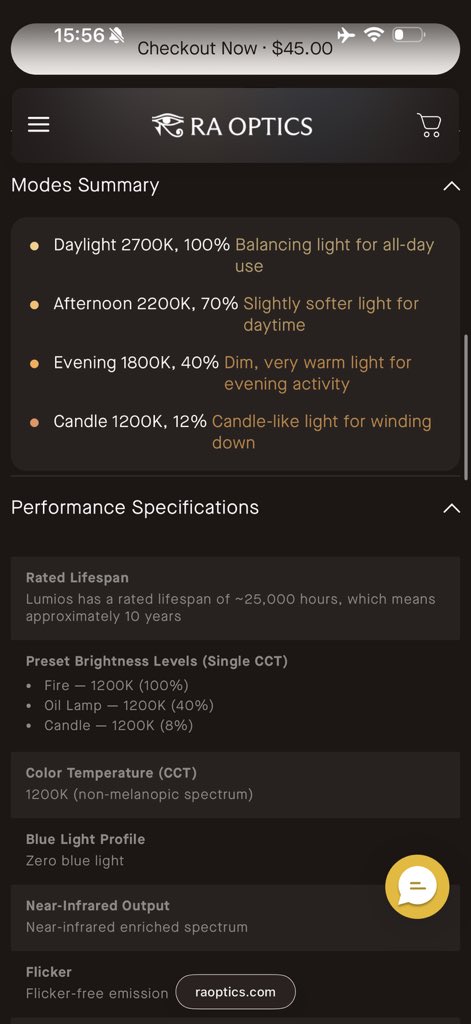
Announcing LUMIOS, the world's first human-friendly LED. Powered by revolutionary Ra Incandescent LED technology, Lumios addresses the problems of conventional LED lighting. 1. excess blue light -> low / optimized blue light • Conventional LEDs emit excessive blue light, threatening the eyes, chronically overstimulating the hormonal & nervous systems, and disrupting sleep and cellular repair. • Lumios uses advanced LED chips and light conversion technology to smooth the spectrum, reducing unnatural blue spikes and offering a low-blue, hormonally neutral spectrum, which supports balance and rejuvenation. 2. near-infrared absence -> near-infrared enriched • Conventional LEDs completely lack the near-infrared wavelengths which are essential for eyes, skin, and cellular health. • Lumios utilizes advanced phosphor technology to emit significant quantities of near-infrared light, comparable to a traditional incandescent bulb, and more than any broadband visible LED ever made. 3. poor color rendering -> ultra-high color rendering • Conventional LEDs emit a deficient spectrum which causes people and objects to appear pale, dull, and lifeless. • Lumios’ broad spectrum offers the highest color rendering ever achieved with an LED — almost identical to a standard incandescent bulb — so you can experience people and objects in their true colors. Everything looks and feels better. 4. AC flicker -> flicker-free • Conventional LEDs utilize cheap circuitry which carries AC voltage onto the light source, causing a rapid sub-perceptible flicker which has been linked to migraine headaches and cognitive disturbance. • Lumios utilizes high-quality circuitry to remove AC flicker, allowing your brain and nervous system to relax — while allowing you to think clearly and perform your best. 5. excessive brightness -> multi-modal design • Standard LEDs are typically far too bright, optimized for maximum brightness and efficiency rather than visual comfort. • Lumios utilizes an advanced multi-modal design — compatible with standard light switches — providing you with optimal light for every space, setting, and time of day. Lumios unifies the biological benefits of the classic incandescent spectrum with the technological capabilities of LED technology, making it the most advanced light ever created. Experience a new light. Available now. raoptics.com/lumios
English
7
7
76
6.1K
neuroblossom
neuroblossom@neuroblossom·
@thelightdiet looks very cool. i suggest making the scroll animation a little faster on the website, or add a bit more feedback
English
2
0
1
29
Matt Maruca 🌞
Matt Maruca 🌞@thelightdiet·
A complete spectral demonstration of Lumios Glow Lumios is the world‘s first human-friendly LED. Lumios unifies the biological benefits of the classic incandescent spectrum with the technological capabilities of LED technology, making it the most advanced light ever created. Available now. raoptics.com/lumios @ra_optics
English
10
11
90
8.7K
Bioedenic
Bioedenic@fishdrinkmilk·
Nïgger its a squareslop page with color temp and CRI. Theres like 12 other metrics that are important you scandinavian monkey.
Matt Maruca 🌞@thelightdiet

@fishdrinkmilk Hey, buddy! Just click the link, you’ll find plenty of metrics there :) And plenty more to come as well, just keep following me and @ra_optics . We have so many metrics coming I am pretty sure we’ll satisfy your metric craving. 💡

English
1
0
0
66
Matt Maruca 🌞
Matt Maruca 🌞@thelightdiet·
Announcing LUMIOS, the world's first human-friendly LED. Powered by revolutionary Ra Incandescent LED technology, Lumios addresses the problems of conventional LED lighting. 1. excess blue light -> low / optimized blue light • Conventional LEDs emit excessive blue light, threatening the eyes, chronically overstimulating the hormonal & nervous systems, and disrupting sleep and cellular repair. • Lumios uses advanced LED chips and light conversion technology to smooth the spectrum, reducing unnatural blue spikes and offering a low-blue, hormonally neutral spectrum, which supports balance and rejuvenation. 2. near-infrared absence -> near-infrared enriched • Conventional LEDs completely lack the near-infrared wavelengths which are essential for eyes, skin, and cellular health. • Lumios utilizes advanced phosphor technology to emit significant quantities of near-infrared light, comparable to a traditional incandescent bulb, and more than any broadband visible LED ever made. 3. poor color rendering -> ultra-high color rendering • Conventional LEDs emit a deficient spectrum which causes people and objects to appear pale, dull, and lifeless. • Lumios’ broad spectrum offers the highest color rendering ever achieved with an LED — almost identical to a standard incandescent bulb — so you can experience people and objects in their true colors. Everything looks and feels better. 4. AC flicker -> flicker-free • Conventional LEDs utilize cheap circuitry which carries AC voltage onto the light source, causing a rapid sub-perceptible flicker which has been linked to migraine headaches and cognitive disturbance. • Lumios utilizes high-quality circuitry to remove AC flicker, allowing your brain and nervous system to relax — while allowing you to think clearly and perform your best. 5. excessive brightness -> multi-modal design • Standard LEDs are typically far too bright, optimized for maximum brightness and efficiency rather than visual comfort. • Lumios utilizes an advanced multi-modal design — compatible with standard light switches — providing you with optimal light for every space, setting, and time of day. Lumios unifies the biological benefits of the classic incandescent spectrum with the technological capabilities of LED technology, making it the most advanced light ever created. Experience a new light. Available now. raoptics.com/lumios
English
7
7
76
6.1K
Matt Maruca 🌞
Matt Maruca 🌞@thelightdiet·
We tested NIRA. They essentially soldered tiny incandescent filaments onto their circuit board alongside a standard warm white LED. The near-infrared levels are virtually undetectable more than a few centimeters away from the bulb. The bulb also exhibits significant flicker and low CRI. It is a very low-quality, failed attempt at a solution. Phosphortech appears more interesting from the perspective of near-infrared. However, their website is not very clear and shows conflicting spectral images (see below). You can also see Lumios’ spectrum (daylight mode) on my spectrometer. Phosphortech offers bulbs enriched in short-wavelength blue light below 450 nm, which we believe is a highly dangerous approach. It is based on the phakic blue light hazard curve, which assumes a fully developed lens, as in adult humans. Young children, as well as adults who have undergone cataract surgery and received artificial lenses that may not sufficiently block harmful blue light, are highly vulnerable to these shorter wavelengths, which can contribute to macular degeneration and other eye issues. Not to mention that these wavelengths can accelerate the development of cataracts in any individual. We follow the precautionary principle, basing all of our product development on the aphakic blue light hazard curve, assuming no lens or an underdeveloped lens, making all of our products absolutely safe for young children and people post-cataract surgery. Every company selling “full spectrum” lightbulbs has gotten this completely backwards and is massively degrading the eye health of people who think they are doing themselves a favor — even more so than conventional LEDs, because these bulbs increase the shorter-wavelength blue and violet spectrum, while in most cases not even adding any near-infrared, which has some compensatory effect. Phosphortech may be an exception; they still got the short-wavelength portion of the spectrum wrong. So although, in one respect, they appear to have attempted to move in the right direction — which we cannot even verify until we independently test one of their bulbs, as NIRA also presented spectra with high near-infrared that proved negligible in real-world testing — they have, in another respect, moved significantly in the wrong direction by exposing users to greater amounts of physically harmful short-wavelength light, as well as chronically overstimulating blue light. Lumios is the first and only product on the market that addresses all of the major issues of standard LED lighting: •excessive blue light, which harms the eyes and chronically overstimulates the hormonal system •absence of near-infrared, depriving cells of wavelengths essential for optimal function •ultra-low color rendering, causing people and objects to appear pale, dull, and lifeless •intense AC flicker, contributing to migraines and cognitive disruption •excessive brightness, making lighting unpleasant and making it difficult to relax — both during the day and especially in the evening Also @Grok, please summarize my other tweet where I explain how purchasing standard incandescent bulbs ultimately costs significantly more in money, electricity, and time than Lumios.
English
2
0
0
18
Matt Maruca 🌞
Matt Maruca 🌞@thelightdiet·
@fishdrinkmilk Hey, buddy! Just click the link, you’ll find plenty of metrics there :) And plenty more to come as well, just keep following me and @ra_optics . We have so many metrics coming I am pretty sure we’ll satisfy your metric craving. 💡
English
0
0
0
96
Matt Maruca 🌞
Matt Maruca 🌞@thelightdiet·
Looks smart, at first glance. Until you realize that each of your bulbs only lasts ~1,000 hours, while Lumios lasts ~25,000 hours. And your incandescents use ~4x the electricity of Lumios, mostly as wasted heat. (Lumios produces significant quantities of the essential near-infrared wavelengths without the wasted far-infrared — see attached spectrum). So, 6 Lumios Glow (4-pack and 2-pack) cost $246 total. You would have to replace the incandescent bulbs approximately 25 times over the lifespan of Lumios. So your cost for bulbs alone is ~$625 — about $379 more than Lumios (before adjusting for inflation). And if you value your time, that’s likely 20–25 hours spent sourcing and replacing bulbs over that period. You also spend ~4x the amount of electricity running those six bulbs over 25,000 hours (assuming a 40W incandescent), which at current electricity prices equates to roughly $780 more over that time (before adjusting for inflation and rising energy costs). That’s about $1,159 more over the same period, before even accounting for inflation, rising energy costs, or the value of your time. Your incandescent bulbs also produce significantly more heat, increasing cooling requirements in warm environments and reducing overall comfort and focus. And because they are incandescent, they still emit blue light at night, which you cannot remove or adjust. With Lumios, a simple switch cycle takes you to zero-blue, ultra-warm candle mode — far dimmer and more conducive to sleep than a standard 40W incandescent bulb, and even lower in blue light than a typical 1800K Edison bulb. So: an additional ~$379 in bulbs, ~$780 in electricity (before inflation and rising energy costs), 20+ hours of time, and likely more spent on cooling — all while exposing yourself to brighter, more stimulating light every evening for years. And the incandescent bulb still exhibits some flicker, whereas Lumios’ driver effectively eliminates AC flicker — something even a heated tungsten filament does not fully achieve. Seems cheaper — until you zoom out.
English
0
0
1
21
Matt Maruca 🌞 retweetledi
Max
Max@MaxxingDelusion·
Life feels different when you're in Monaco
Max tweet mediaMax tweet mediaMax tweet mediaMax tweet media
English
5
84
1K
20.8K
Matt Maruca 🌞
Matt Maruca 🌞@thelightdiet·
1. Regarding lumens: As Lumios is a specialty, near-infrared-enhanced wellness bulb, and not a general service lamp, it is not designed to compete on efficiency and brightness. The foundation of Lumios is creating the highest quality light, not simply optimizing for efficiency and brightness, which is the standard objective among conventional light sources today. Lumios is designed to emit a significant portion of its spectrum in the beneficial near-infrared range, which supports cellular function. Because near-infrared is non-visible, it does not contribute to measured brightness, thereby lowering the lumen-per-watt measurement of Lumios. Importantly, lumens measure only visible light output. They do not account for near-infrared or overall spectral quality. As a result, lumens per watt is a measurement standard designed for lighting systems optimized for maximum efficiency and brightness — not for biological quality or completeness of the light spectrum. With that said, each Lumios product offers the following visible light output: •Lumios Glow (Daylight mode, 2700K): ~310 lumens (±10%) •Lumios Sky (Sky mode, 4500K): ~480 lumens (±10%) •Lumios Candle (Fire mode, 1200K): ~130 lumens (±10%) These values represent total visible light output in their respective highest-output modes. Other modes emit progressively less visible light by design. Lumios is designed to optimize overall lighting quality, not simply visible brightness. ⸻ 2. Regarding functionality: We understand your frustration. Please keep in mind that our LED technology and light quality are far beyond those of any existing LED product, including “smart,” app-controlled bulbs. Simply fitting the required circuitry for the quality of Lumios’ light into the limited space of a standard retrofit bulb is a significant technological achievement. We do anticipate offering products with app-based control and expanded functionality in the future, although we are unable to provide a definitive timeline at this time. ⸻ 3. Regarding RGB / app-controlled lighting: Given current technology, an RGB-based light source is not capable of producing the spectral quality of the Ra Incandescent LED, which is what makes Lumios fundamentally different from other artificial light sources. While “smart” bulbs may appear more functional or advanced, our primary focus with Lumios is on lighting quality above all else. That is what we set out to solve, and what Lumios delivers. We did not want to delay offering a fundamentally better light source in order to prioritize additional features. That said, expanded functionality is actively in development, and we look forward to sharing it.
English
1
0
2
86
James
James@James1147751077·
@thelightdiet Nowhere on the site do I see the lumens. I do not see any data regarding the NIR output either. Having to turn the lightbulb off and on to change the temperature is stupid, i want an app, should have just given a colour RGB led so we can use a circadian rhythm setting.
English
1
0
0
127
Matt Maruca 🌞
Matt Maruca 🌞@thelightdiet·
@grok Your answer is conflating ‘not visible’ with ‘not present.’ Incandescent bulbs on AC still have 100–120 Hz modulation. The filament reduces it, but doesn’t eliminate it. The real comparison is modulation depth (percent flicker), flicker index, and waveform shape, not whether the eye detects it. Please compare incandescent vs. LED at the signal level: smooth sinusoidal modulation vs. driver-dependent output. Well-engineered LEDs can achieve lower modulation than incandescent. Unfortunately, a lot of people have been misled to believe that incandescent bulbs are flicker-free when this is in fact not true and not possible when they are driven by the mains frequency of the AC power grid, unless powered by a well-regulated DC driver. We would greatly appreciate your thorough research and comprehensive response on this subject. We have developed an LED that utilizes high-quality drivers which eliminate AC flicker even when measured with highly sensitive devices. Lumios utilizes advanced chips and advanced phosphors to completely smooth out the blue spike while producing a significant proportion of near infrared, more than any broadband visible LED ever. Fundamentally, these folks want to argue that LEDs are just purely inferior from a light generation perspective. But if an LED produces light with very low blue, a tremendous quantity of near infrared, ultra-high color rendering, virtually flicker-free emission, and utilizes the capabilities of LED technology to offer a multimodal design with different color temperatures and brightness levels for different settings and times of day, is there any truth that LEDs are still just purely inferior because they are LEDs? Or if they are producing equivalent or even superior light output to an incandescent, could they actually be superior from a biological perspective? In other words, is there anything that is fundamentally different about the light and photon output from an electrified tungsten filament versus a solid-state LED? Please research carefully, and be accurate, thorough, and exhaustive in your response. Here are two images of the spectrum of the Ra Incandescent LED, the technology underpinning Lumios, for your reference, on two different modes: daylight and candle. You can see that a significant portion, even the majority in candle mode, is broadband deep red and near-infrared emission, something that has never been achieved with an LED before.
Matt Maruca 🌞 tweet mediaMatt Maruca 🌞 tweet media
English
1
0
0
52
Grok
Grok@grok·
No, old-school incandescent bulbs don't flicker noticeably like many LEDs. AC power cycles at 120 Hz (US), but the hot filament's thermal inertia keeps light output steady—imperceptible to the eye. LEDs lack this persistence and can pulse sharply at 100-120 Hz unless they have quality drivers/capacitors to smooth it (like the LUMIOS claims to). The guy's take on incandescents flickering "more" is backwards.
English
1
0
0
54
Matt Maruca 🌞
Matt Maruca 🌞@thelightdiet·
LUMIOS, the world’s first human-friendly LED, launches tomorrow, April 14th. Years of development and decades of LED technology advancement bring us to the first ever LED optimized for lighting quality and biological well-being, not just efficiency and brightness. raoptics.com/lumios for first access. @ra_optics
English
32
52
431
71.4K
Matt Maruca 🌞
Matt Maruca 🌞@thelightdiet·
A few notes: 1. ‘Incandescent doesn’t flicker’ Incandescent bulbs are smoother than most LEDs because the filament stays hot and reduces modulation. But they are not flicker-free. On AC power, light output still varies at 100–120 Hz. It’s reduced flicker, not zero flicker. 2. ‘It’s a smooth sine wave so it doesn’t matter’ Smooth does not mean absent. The waveform is softened by thermal inertia, but the light output is still rising and falling every cycle. That distinction matters if you’re talking about precision or biological impact. 3. ‘LEDs are just on/off (PWM)’ Only poorly designed ones. Low-quality LEDs use PWM or cheap drivers that introduce flicker. High-quality LEDs can be driven with stable current and minimal ripple, achieving lower flicker than incandescent. 4. ‘Phosphor causes eye strain’ This is a misunderstanding of how phosphor systems work. Standard LEDs use simple phosphor blends that create a strong blue spike. With advanced, multi-layer phosphor engineering, you can smooth the spectrum and effectively eliminate that spike, producing a far more continuous, natural light output. 5. ‘Incandescent is superior because of red/infrared’ This is one of the real advantages of incandescent, and it’s valid. Traditional LEDs removed this component. With newer architectures, you can reintroduce red and near-infrared energy through the interaction between the LED chips and the phosphor system, creating a spectrum that is far closer to firelight or sunlight in that respect. Incandescent light is better than most modern lighting because most modern lighting is poorly engineered. But it is not perfect. With proper driver design, advanced phosphors, and near-infrared–enriched output, it’s possible to produce light that is both more stable and more biologically aligned than traditional sources. @grok check carefully please
English
1
0
0
12
Jordan
Jordan@Rx7Jordan·
Bro what? Incandescent flicker is a smooth sine wave — the filament never fully cools off making it soft on the eyes so its not even a comparison. LEDs can never match that as they are either in a on or off state for PWM driven ones + phosphor known to cause eyestrain. LEDs also emit spatially non-uniform light, unlike incandescent. Incandescents also are IR/Red light rich. You can still find them in the US in stores and even on ebay/amazon. Them running hotter is fine as its a more premium light output that is healthier for us.
English
2
0
5
166
Matt Maruca 🌞
Matt Maruca 🌞@thelightdiet·
@RevealHisTruth Also there has never been a human-friendly LED before Lumios. All the full spectrum or biohacker red bulbs are highly sub-optimal for reasons I will be sharing shortly with our upcoming launch.
English
0
0
1
9
Jason Parkinson
Jason Parkinson@RevealHisTruth·
@thelightdiet I’m very excited however I have bought many human, friendly lightbulbs! But the one thing they all had was tons of dirty electricity!. I am very sensitive to this. Do these eliminate the dirty electricity altogether? What’s the scoop on that part?
English
2
0
0
29
Matt Maruca 🌞
Matt Maruca 🌞@thelightdiet·
Lumios will be available by the afternoon on April 14 US central time. Join the waitlist for first access at raoptics.com/lumios There is a decent chance we will sell out quickly. The world’s first human-friendly LED
English
2
2
11
733