Thomas Mather

782 posts

Thomas Mather

Thomas Mather

@thetickguy

URI Professor || Public Health Entomology || SciComm || Appreciates citizen-science || Director, TickEncounter

URI, Kingston, RI Katılım Şubat 2010
75 Takip Edilen1K Takipçiler
Thomas Mather
Thomas Mather@thetickguy·
Moving on from X. The TickGuy will now be posting on BlueSky. It's easy. Come and check out a tick just encountered on a trail run in Santa Rosa CA. And it's not a western blacklegged tick! @thetickguy.bsky.social
English
1
0
1
176
Thomas Mather
Thomas Mather@thetickguy·
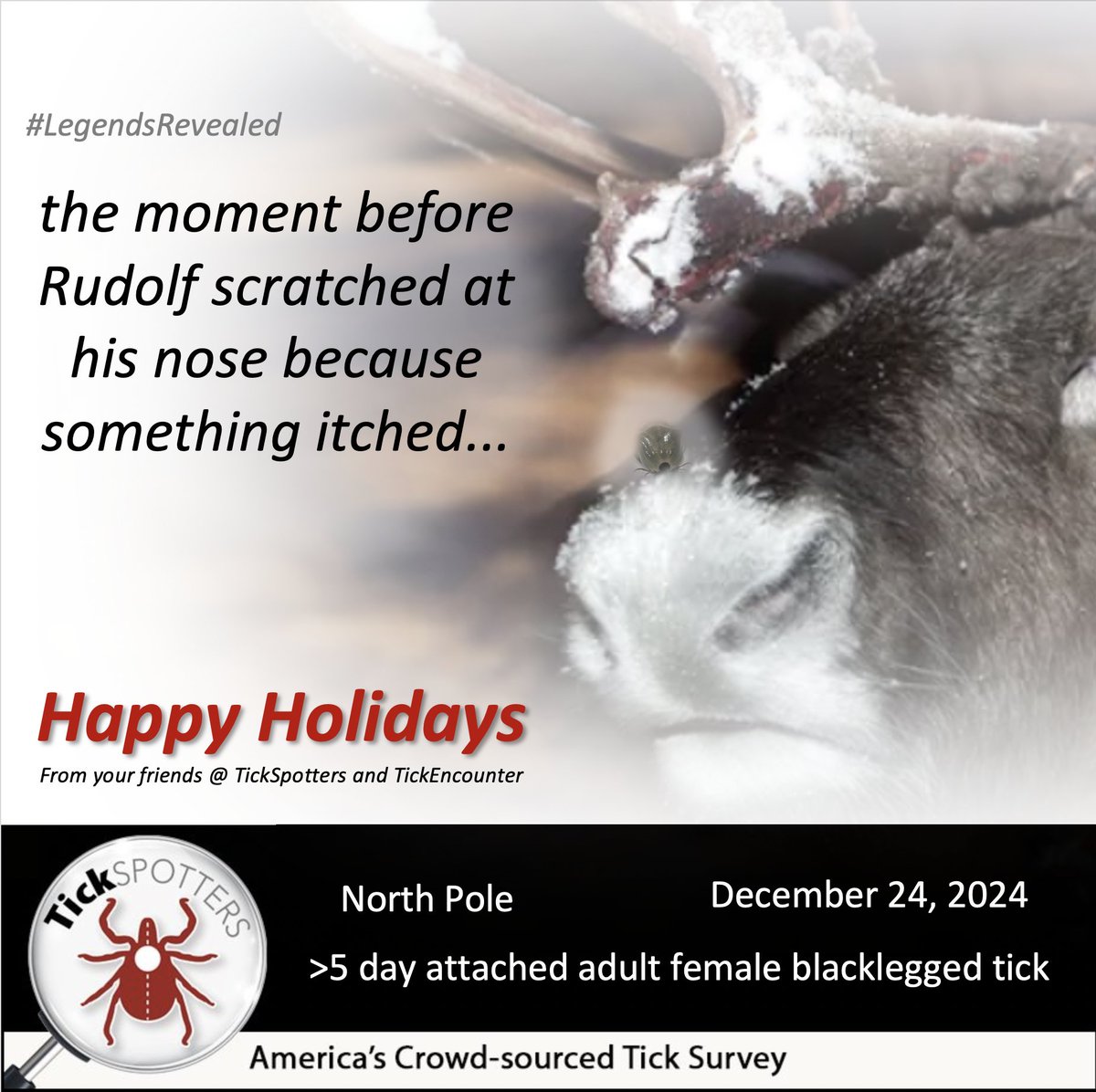
Reindeer have a dense network of blood vessels inside their noses. So, of course, it’s where ticks would be adapted to attach and feed. And, you can’t fault an animal scratching an itchy tick--then it ruptures and blood oozes, painting the nose red. Hey, it could happen!
Thomas Mather tweet media
English
0
0
3
156
Thomas Mather
Thomas Mather@thetickguy·
It’s common to think ticks die in winter. Just because “bugs” are less active when temperatures get cold, doesn’t mean they're dead. They’re cold blooded and go into a torpor state. And blacklegged ticks can become active whenever temps warm up a bit. bit.ly/tickcheck1
Thomas Mather tweet media
English
0
3
8
349
Thomas Mather
Thomas Mather@thetickguy·
It’s a ticky world out there...so, it’s important to know how to remove ticks safely. Using pointy tweezers, and grasp the tick head close to the skin without squeezing the back end of the tick, is most effective for ALL types of ticks. Check this out... bit.ly/pointytweezers
Thomas Mather tweet media
English
1
2
4
293
Thomas Mather
Thomas Mather@thetickguy·
@tom_r1111 we start with blood-fed adult ticks that lay eggs; when eggs hatch, we bloodfeed the larvae that become nymphs. We use nymphs for various experiments but mainly will be evaluating natural product tick repellents. By raising the ticks we control for experimental variability.
English
2
0
1
36
Tom
Tom@tom_r1111·
@thetickguy And what exactly is the purpose of this?
English
1
0
0
26
Thomas Mather
Thomas Mather@thetickguy·
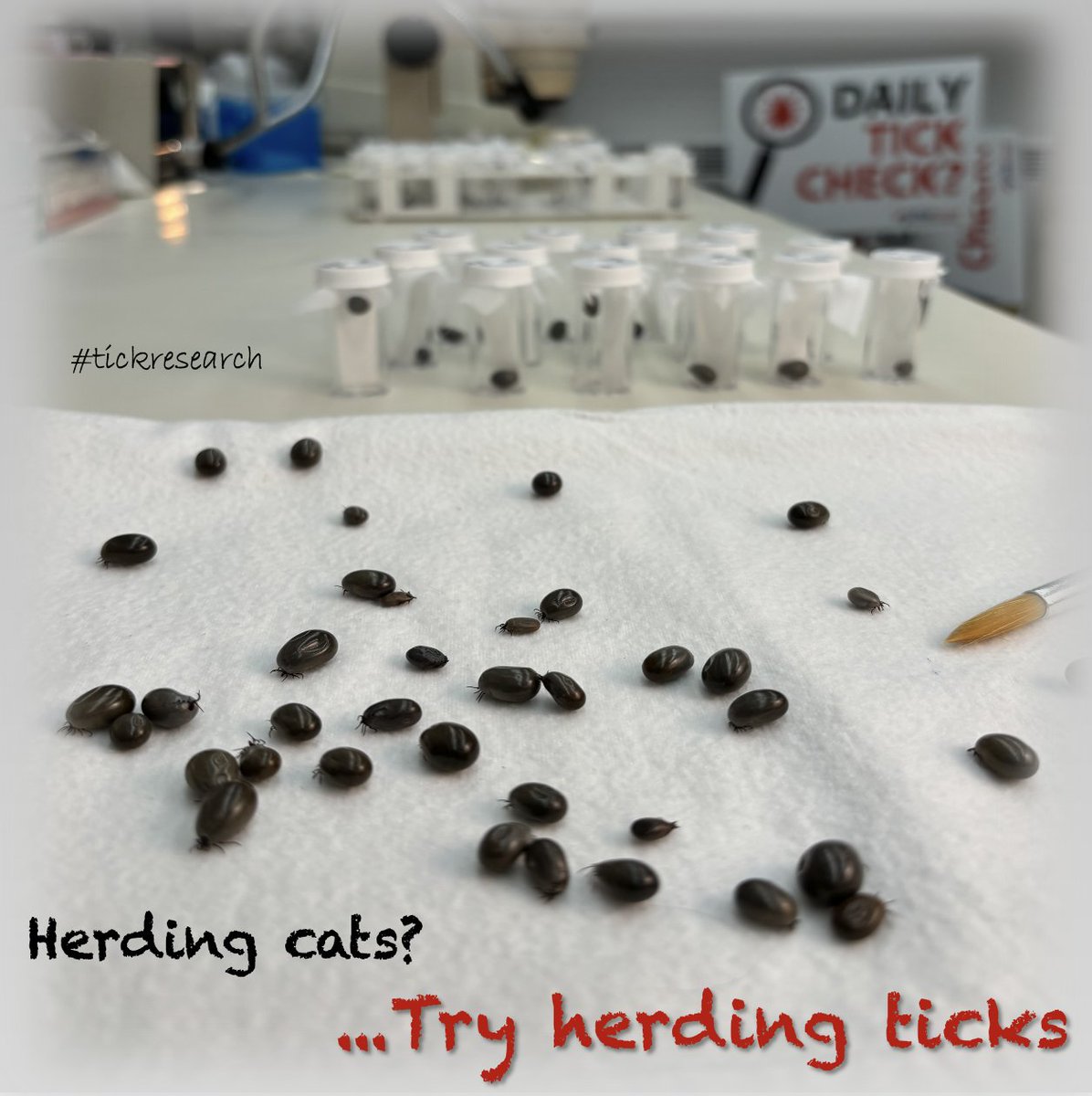
#tickresearch Today we harvested a hundred blood-engorged blacklegged ticks. After a bath, we’re drying them off and rounding them up to put in the incubator and await egg laying. If all goes well, this round-up could result in 200,000 new larval ticks. bit.ly/newTERChome
Thomas Mather tweet media
English
1
1
19
725
Thomas Mather
Thomas Mather@thetickguy·
Found the tick loose and wandering at the spot where the dog was laying down. Ticks detach themselves once fully engorged. In the house, this tick WON’T survive to lay eggs, but out in nature it WILL lay over 2,000 eggs. See how ticks change appearance bit.ly/tick_growth
Thomas Mather tweet media
English
0
0
2
163
Thomas Mather
Thomas Mather@thetickguy·
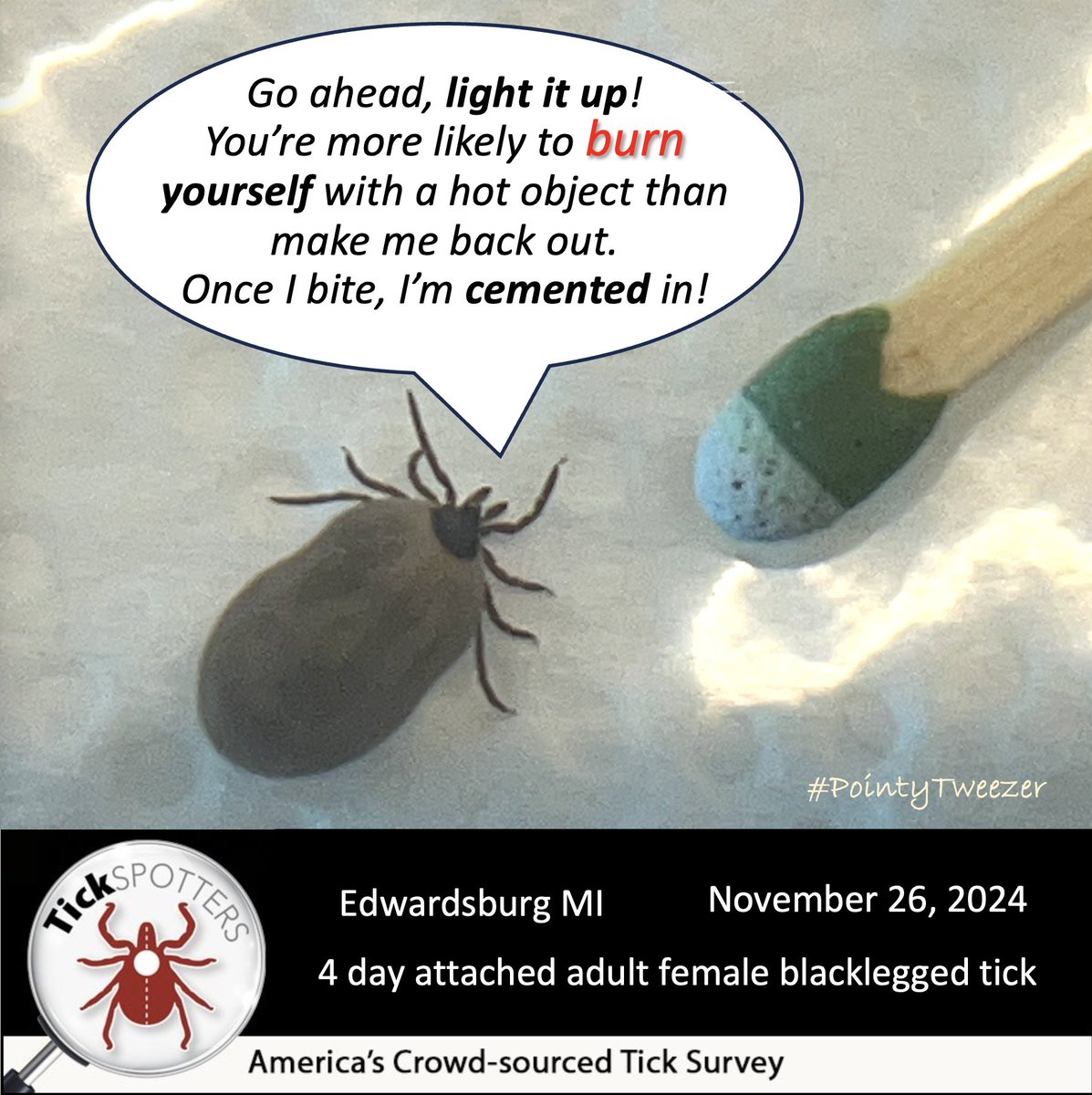
These ticks glue themselves into the skin while feeding, so it can be hard not to break off the mouth. The good news: there is no greater risk for disease transmission if the mouth gets left in the skin. We recommend grabbing the tick with pointy tweezers bit.ly/pointytweezers
Thomas Mather tweet media
English
1
2
10
418
Thomas Mather
Thomas Mather@thetickguy·
Most submissions to #TickSpotters come either after dinner OR first thing in the morning!! Morning ticks ...probably slept with you all night (yuck). Before climbing into bed tonight, do a full body tick check. If you find a tick, take a photo and submit it to TickSpotters.
Thomas Mather tweet media
English
0
1
7
379
Thomas Mather
Thomas Mather@thetickguy·
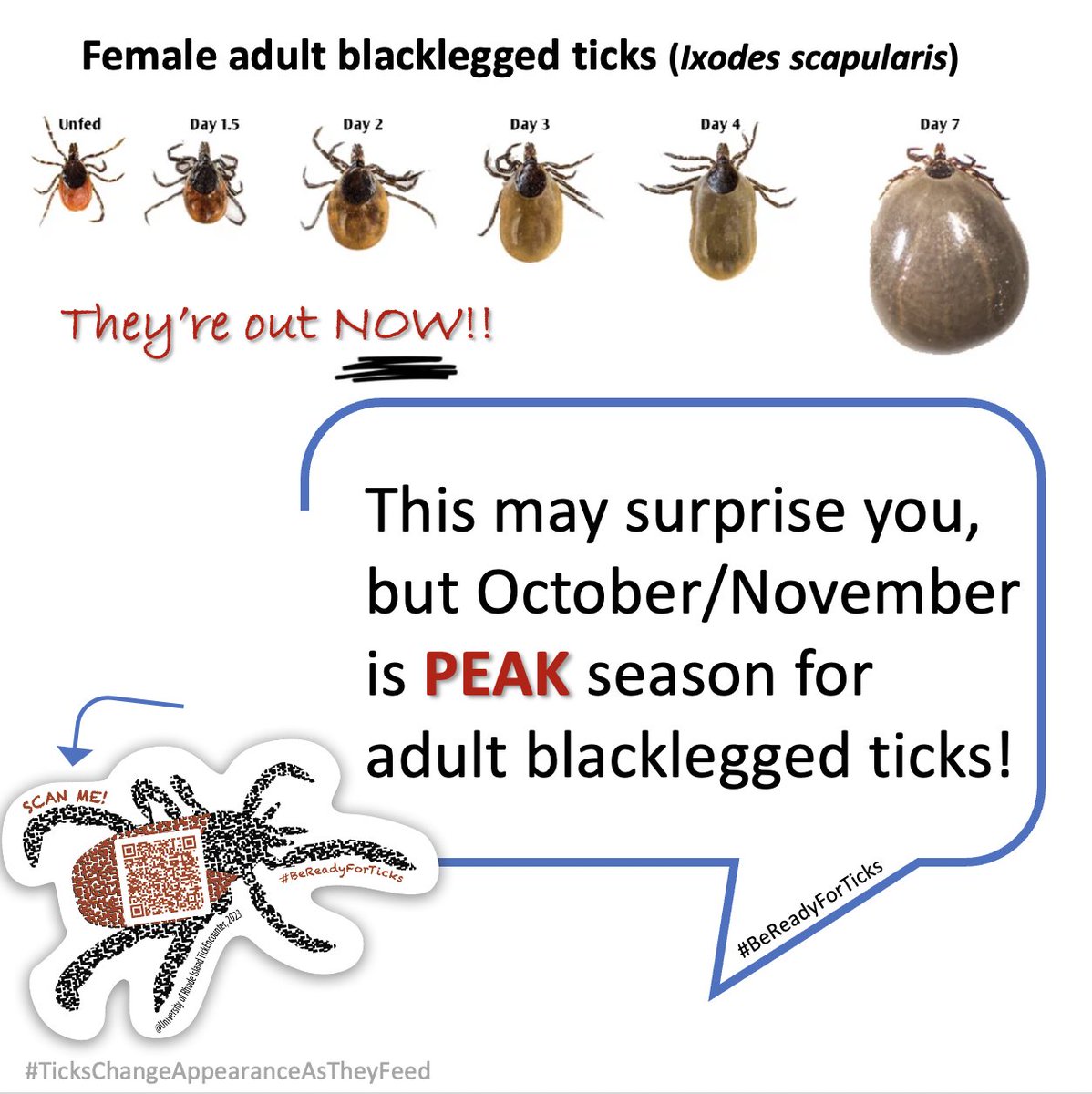
“Why won’t the ticks just go away?” “No ticks since July!” “I thought tick “season” was over?” Just a few of the comments we hear this time of year. BeReadyForFallTicks—more info @ web.uri.edu/tickencounter/…
Thomas Mather tweet media
English
1
0
4
141
Thomas Mather
Thomas Mather@thetickguy·
To learn more about adult blacklegged ticks and the risk they pose to you and your family, open this link (bit.ly/aboutBLTs), then click your region on the map and scroll down to see when these ticks are active in your area.
Thomas Mather tweet media
English
0
14
29
2.6K
Thomas Mather
Thomas Mather@thetickguy·
here's the answer if you haven't guessed--male Gulf Coast tick (Amblyomma maculatum)
English
0
0
1
104
Thomas Mather
Thomas Mather@thetickguy·
Have you ever seen this tick? We’ve gotten photos of these from Rochester NY to Patagonia AZ, GA, TN, and even NY City. Here’s a clue...bit.ly/tickspecies. Always submit your tick pics to TickSpotters bit.ly/TickSpotters_S…
Thomas Mather tweet media
English
1
1
9
562
Thomas Mather
Thomas Mather@thetickguy·
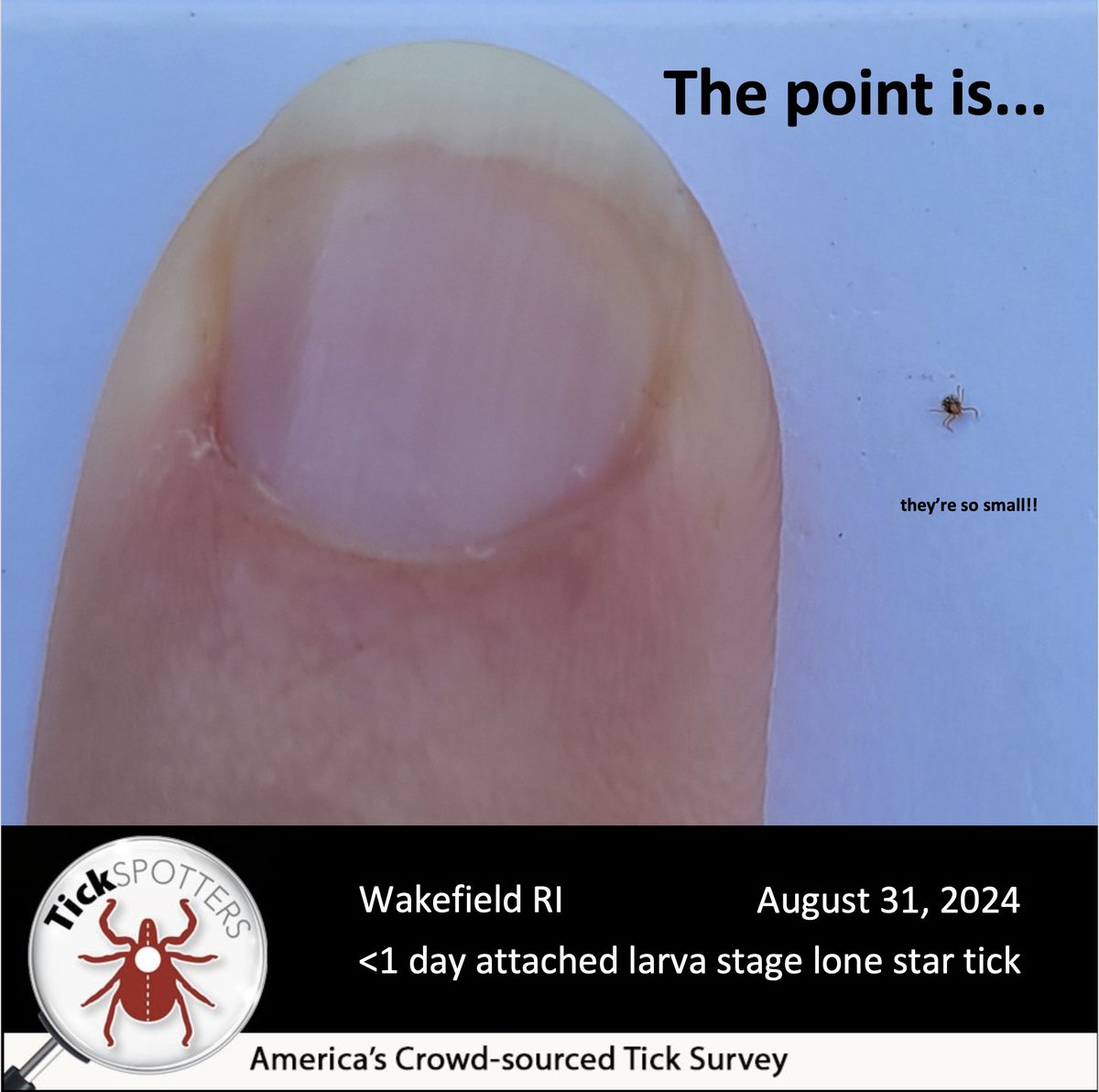
All types of ticks come in small, medium and large life stages. But this photo really puts into perspective the meaning of small. You really do have to look to find them. bit.ly/ticks_so_small1
Thomas Mather tweet media
English
1
6
12
835
Thomas Mather
Thomas Mather@thetickguy·
These ticks are still biting, late into their season this year, so continue being vigilant with wearing permethrin-treated clothing and tucking in pants and shirttails. And doing a quick scan of common attachment points every day. Check this out-bit.ly/tickcheck1
Thomas Mather tweet media
English
0
2
11
377
Nicole Malachowski
Nicole Malachowski@RealMalachowski·
Today we lost the cornerstone of the Lyme Disease community. Our matriarch if you will, Pat Smith. The vanguard & pillar of Lyme advocacy. She taught me so much about the #Lyme space, the science, the policy. Rest in peace, friend. We will relentlessly continue your work
LymeDisease.org@Lymenews

Pat Smith, indefatigable Lyme advocate, has passed away. To say she was a powerful force for good in the Lyme disease community is an understatement. 💔 lymedisease.org/pat-smith-inde… @LymeDiseaseLDA

English
3
6
28
1.8K
Thomas Mather
Thomas Mather@thetickguy·
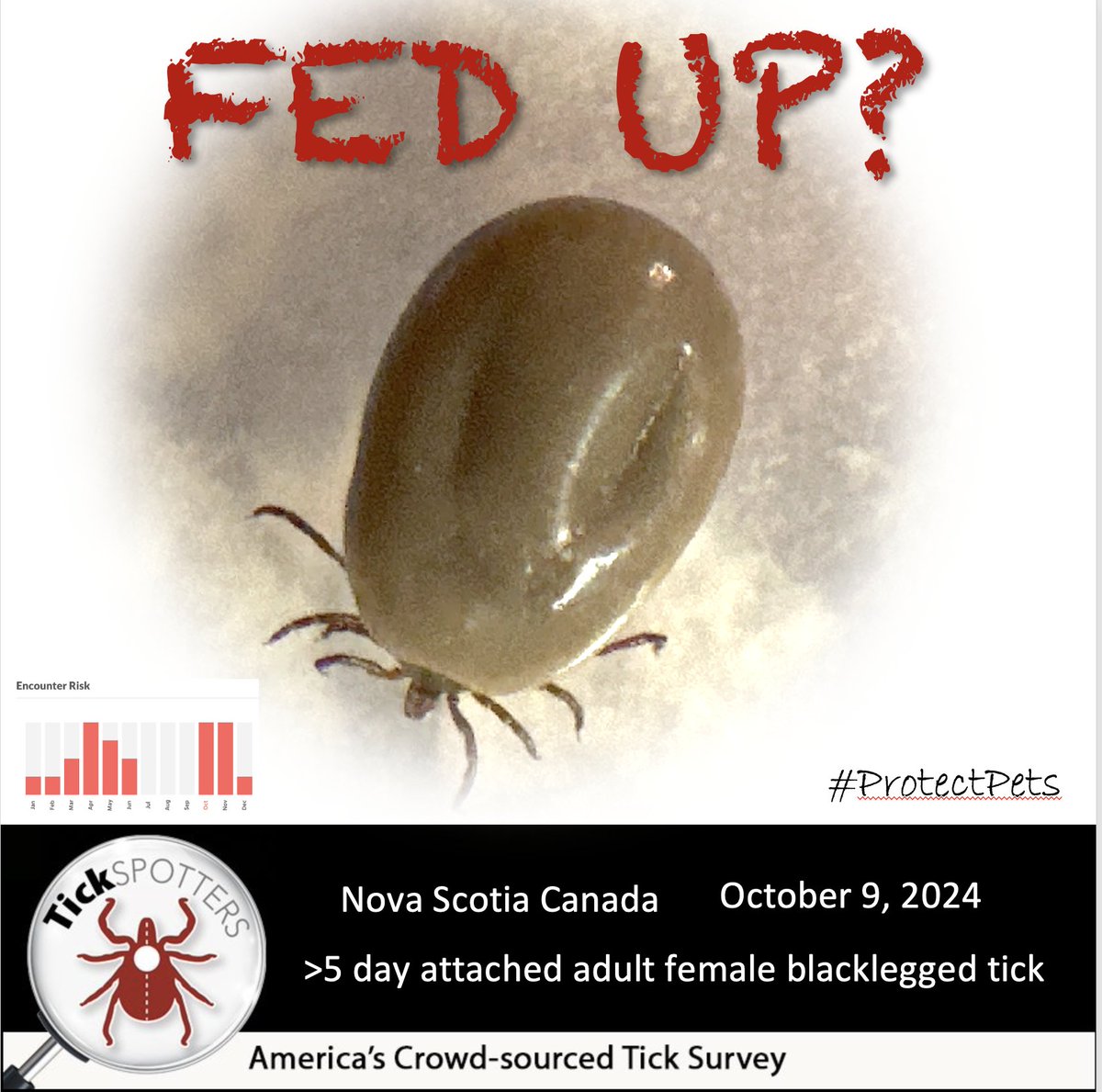
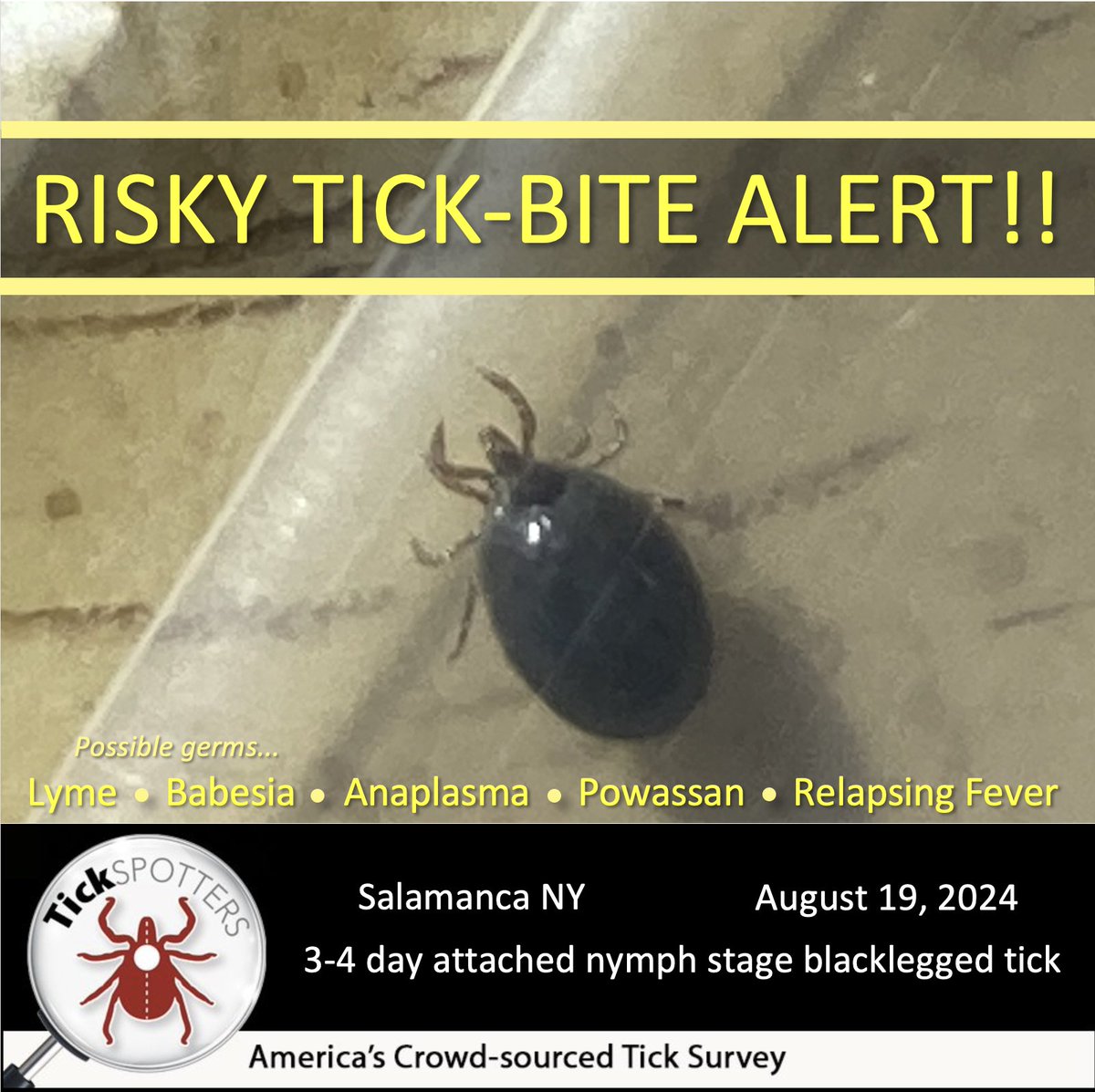
First Good News: tick activity is dropping off. Dropping off but not disappearing... keep doing tick checks so you don’t end up with a tick like this one! Also, help us track tick activity by submitting any ticks you find to TickSpotters_free, fast reply! bit.ly/TickSpotters_S…
Thomas Mather tweet media
English
0
0
2
133
Thomas Mather
Thomas Mather@thetickguy·
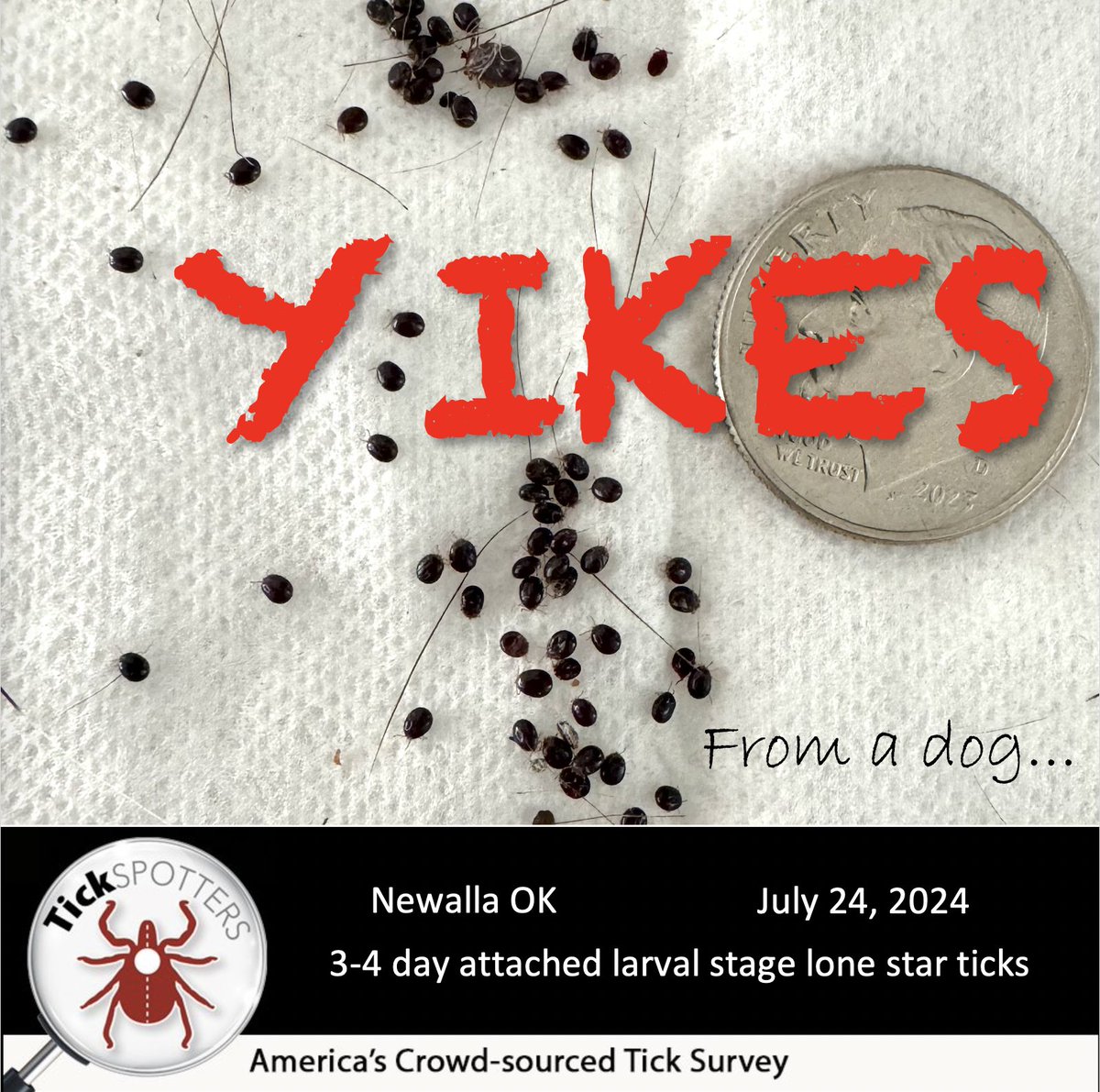
It’s that time of year when LARVAL TICKS become active. They hatch from egg clusters—mostly disease-free—but it’s very common to encounter many. They can be hard to notice until they’re full of blood, 3-4 days after attaching. How to prevent LARVAE bit.ly/ticks_so_small1
Thomas Mather tweet media
English
0
7
9
804