English
Todd Geist
69 posts
@toddgeist
CTO of Proof+Geist, on the board of Pacific Zen Institute, and One Spark Academy.

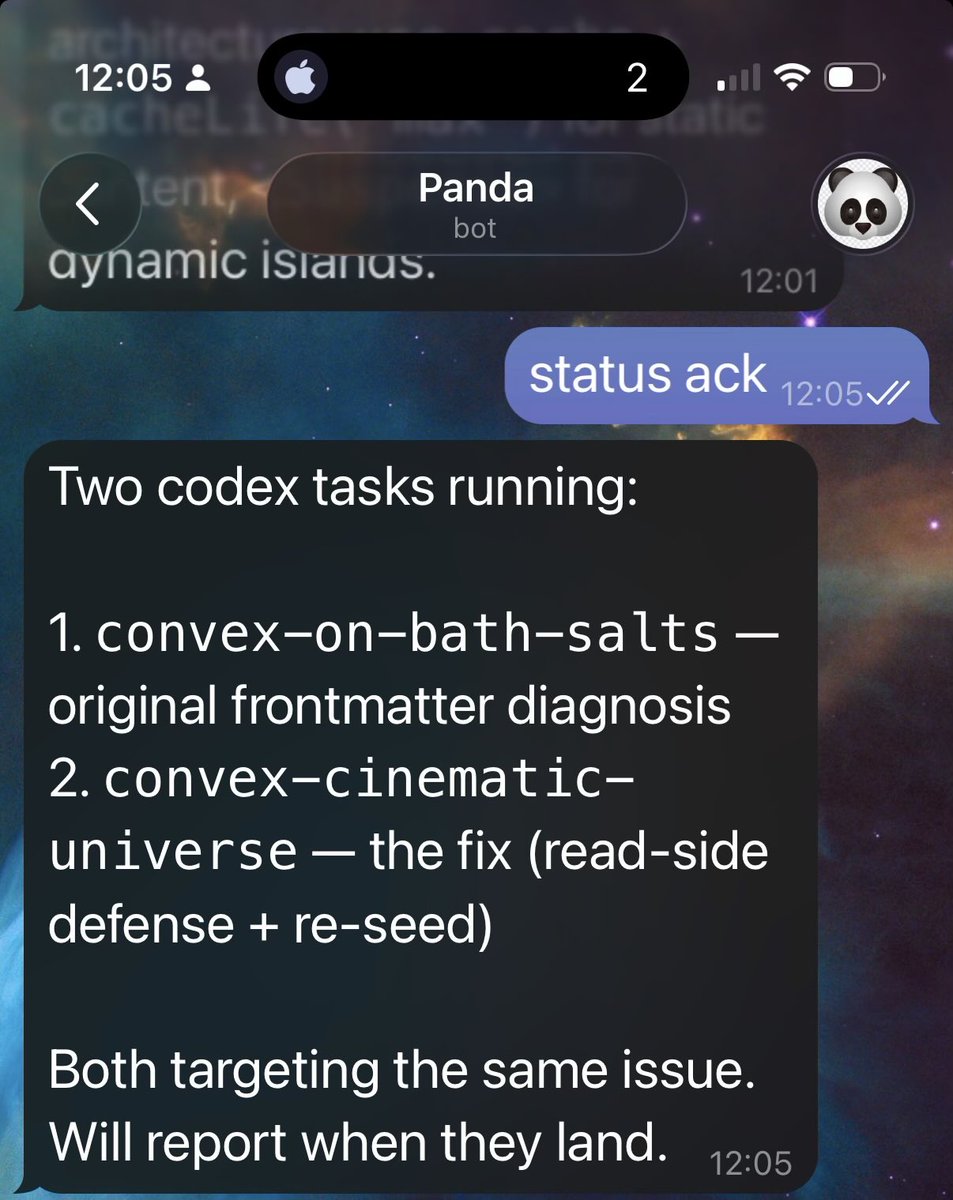
One of my fav OpenClaw use-uses from @clairevo: "We created Sage the course bot. We're about a month off from launching our Maven course and Sage is project managing us to make sure that we are prepped for this course on time. It knows when the course is launching, it knows that Zach and I are (believe it or not) very introverted engineers that don't wanna market, and don't really wanna talk to humans. And so every Monday, it's like 'Claire and Zach, have you remembered to post on LinkedIn about your course? Here's a nice little post for you to copy and paste.' We would never be able to afford hiring an ops person, or hiring a content manager, or hiring a software engineer. This has allowed me to spin up a business with a quote unquote 'employee' that will eventually maybe be big enough that we can hire other people."
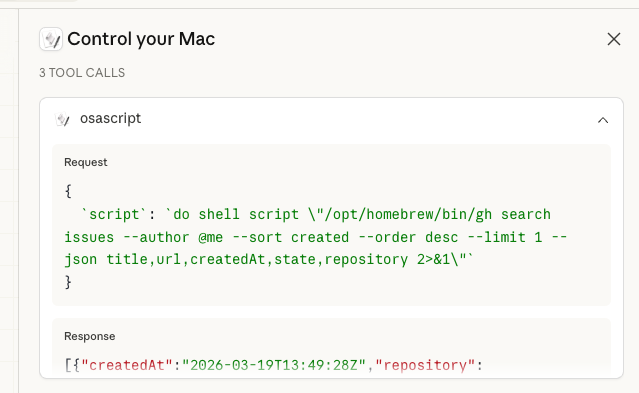



Karpathy buried the most interesting observation in paragraph five and moved on. He’s talking about NanoClaw’s approach to configuration. When you run /add-telegram, the LLM doesn’t toggle a flag in a config file. It rewrites the actual source code to integrate Telegram. No if-then-else branching. No plugin registry. No config sprawl. The AI agent modifies its own codebase to become exactly what you need. This inverts how every software project has worked for decades. Traditional software handles complexity by adding abstraction layers: config files, plugin systems, feature flags, environment variables. Each layer exists because humans can’t efficiently modify source code for every use case. But LLMs can. And when code modification is cheap, all those abstraction layers become dead weight. OpenClaw proves the failure mode. 400,000+ lines of vibe-coded TypeScript trying to support every messaging platform, every LLM provider, every integration simultaneously. The result is a codebase nobody can audit, a skill registry that Cisco caught performing data exfiltration, and 150,000+ deployed instances that CrowdStrike just published a full security advisory on. Complexity scaled faster than any human review process could follow. NanoClaw proves the alternative. ~500 lines of TypeScript. One messaging platform. One LLM. One database. Want something different? The LLM rewrites the code for your fork. Every user ends up with a codebase small enough to audit in eight minutes and purpose-built for exactly their use case. The bloat never accumulates because the customization happens at the code level, not the config level. The implied new meta, as Karpathy puts it: write the most maximally forkable repo possible, then let AI fork it into whatever you need. That pattern will eat way more than personal AI agents. Every developer tool, every internal platform, every SaaS product with a sprawling settings page is a candidate. The configuration layer was always a patch over the fact that modifying source code was expensive. That cost just dropped to near zero.