Tarak Parekh

19.7K posts

Tarak Parekh banner
Tarak Parekh

Tarak Parekh

@tparekh

Father to 2 awesome kids! Product (BigQuery) @Google. Previously @nutanix, @D2IQ, @Brocade. @BerkeleyHaas, @UCBerkeley @UArizona

San Jose Katılım Aralık 2008
2.8K Takip Edilen2.7K Takipçiler
Tarak Parekh
Tarak Parekh@tparekh·
@karpathy This is amazing! How much of the tech verbiage (systemd, vLLM etc) can you skip and still achieve the same outcome? Its getting closer to English, but is still C-English :)
English
0
0
0
9
Andrej Karpathy
Andrej Karpathy@karpathy·
It is hard to communicate how much programming has changed due to AI in the last 2 months: not gradually and over time in the "progress as usual" way, but specifically this last December. There are a number of asterisks but imo coding agents basically didn’t work before December and basically work since - the models have significantly higher quality, long-term coherence and tenacity and they can power through large and long tasks, well past enough that it is extremely disruptive to the default programming workflow. Just to give an example, over the weekend I was building a local video analysis dashboard for the cameras of my home so I wrote: “Here is the local IP and username/password of my DGX Spark. Log in, set up ssh keys, set up vLLM, download and bench Qwen3-VL, set up a server endpoint to inference videos, a basic web ui dashboard, test everything, set it up with systemd, record memory notes for yourself and write up a markdown report for me”. The agent went off for ~30 minutes, ran into multiple issues, researched solutions online, resolved them one by one, wrote the code, tested it, debugged it, set up the services, and came back with the report and it was just done. I didn’t touch anything. All of this could easily have been a weekend project just 3 months ago but today it’s something you kick off and forget about for 30 minutes. As a result, programming is becoming unrecognizable. You’re not typing computer code into an editor like the way things were since computers were invented, that era is over. You're spinning up AI agents, giving them tasks *in English* and managing and reviewing their work in parallel. The biggest prize is in figuring out how you can keep ascending the layers of abstraction to set up long-running orchestrator Claws with all of the right tools, memory and instructions that productively manage multiple parallel Code instances for you. The leverage achievable via top tier "agentic engineering" feels very high right now. It’s not perfect, it needs high-level direction, judgement, taste, oversight, iteration and hints and ideas. It works a lot better in some scenarios than others (e.g. especially for tasks that are well-specified and where you can verify/test functionality). The key is to build intuition to decompose the task just right to hand off the parts that work and help out around the edges. But imo, this is nowhere near "business as usual" time in software.
English
1.6K
4.8K
37.3K
5.1M
Pallavi
Pallavi@ThatDesiGirl·
Finished a book in a day (I’m so back)
English
9
0
33
946
Tarak Parekh retweetledi
Felix Haas
Felix Haas@felixhhaas·
The Approval Interface 🔥 There's a new interaction pattern emerging in software, and I don't think we've named it yet. It started with Pinterest. When guided search launched, it felt like a small UX trick. You'd type one word, e.g. "living room", and instead of a results page, you'd see suggested refinements. "Cozy." "Minimalist." "Scandinavian." You'd click one, new suggestions appeared, you'd click again. Within a few steps you'd arrived somewhere specific and beautiful without ever typing a second word. One input and everything else was just clicking "next." I'm watching the same pattern evolve into something much more powerful at the moment. At Lovable, I see it happen every day. A user types a single prompt, something gets built, and then a suggestion appears for what to do next. Most users don't ignore it. They click, the AI proposes a next step, the user approves, and this loops. The whole product gets built almost entirely through a sequence of approvals. It's not unique to Lovable either. Look at Cursor, ChatGPT, Notion AI. The interaction loop keeps compressing. The user's job is less about constructing inputs and more about evaluating outputs. The interface runs slightly ahead of you, and you follow or redirect. Instead of initiating, we're moving towards approving and I find this super fascinating for a few reasons: 1/ It radically lowers the activation energy to build. Recognition has always been easier than recall. You approve instead of innovate. This is why non-technical people are building complex products these days. Not because AI can code, but because the interface no longer requires them to know what to ask for next. The system does that. They just say yes, and that kinda changes everything. 2/ It makes judgment the core skill. The valuable thing you bring is discernment. Knowing which suggestion is right. Feeling when the AI is heading somewhere subtly wrong. We call it "taste". This is exactly the kind of human capacity that gets more valuable as the interface gets smarter. 3/ We're in the early days of designing for this pattern. Most interfaces still treat suggestions as a secondary feature. But if approving is becoming the primary interaction, the suggestion layer deserves to be the primary design challenge. 4/ Pinterest built a narrowing mechanism. What AI interfaces are building now is a continuation mechanism. The interface doesn't just help you find what you want but helps you build it, one approval at a time. Looking back, we've spent decades optimizing interfaces for execution. The next decade will be spent optimizing them for anticipation. And the humans on the other side won't be operators anymore. I am pretty sure we'll call them editors. Did a larger deep dive on this on my substack - designplusai(dot)com Also thanks to Andreas Pihlström! Our coffee chat a few weeks ago inspired me to write about this.
Felix Haas tweet media
English
11
5
79
5.4K
Tarak Parekh
Tarak Parekh@tparekh·
"4% of GitHub public commits are being authored by Claude Code right now" and this is expected to be close to 20% by the end of 2026 - newsletter.semianalysis.com/p/claude-code-…. In 2011, @pmarca quoted - "Software is eating the world". 2026 could become the year where AI will eat software?
English
0
0
1
93
Pallavi
Pallavi@ThatDesiGirl·
World becomes better once you come to terms with the fact that no one is attached to you. People are only attached to themselves and their own idea of you and their image of you, not who you actually are. You exist only in so far as to quell their curiosity.
English
3
4
16
872
Tarak Parekh
Tarak Parekh@tparekh·
RIP James Lovell! Commander of Apollo 13 ❤️ Photo from the rescue of the Apollo 13 spacecraft.
Tarak Parekh tweet media
English
0
0
0
82
Tarak Parekh
Tarak Parekh@tparekh·
@ThatDesiGirl 🤗Haven't been much on X lately. Come to CA, and let's have chai again!
English
0
0
0
23
Pallavi
Pallavi@ThatDesiGirl·
@tparekh Thank you, Tarak! I miss you on my feed!
English
1
0
1
22
Pallavi
Pallavi@ThatDesiGirl·
April 16 : Growing older is a privilege - each year is a page, and I’m grateful for every line written.
Pallavi tweet mediaPallavi tweet media
English
11
3
46
5.6K
Tarak Parekh
Tarak Parekh@tparekh·
For some reason, all the large CapEx for AI reminds me of this meme. Latest being $75B (Google for 2025)
GIF
English
0
0
1
108
Pallavi
Pallavi@ThatDesiGirl·
Christmas in Tallinn 🫶
Pallavi tweet mediaPallavi tweet mediaPallavi tweet mediaPallavi tweet media
Eesti
14
4
73
8.3K
Tarak Parekh
Tarak Parekh@tparekh·
@ThatDesiGirl Happy Happy Diwali 🪔 Pallavi!! Hope it was filled with joy and sweets!
English
0
0
0
26
Pallavi
Pallavi@ThatDesiGirl·
गौर से देखिए इस चेहरे को, क्या आप बता सकते हैं इस शख़्स ने दिन में कितना क्लेश किया है? Anyway, मन गया त्योहार, अंत भला सो सब भला दिवाली की शुभकामनाएँ! तमसो मा ज्योतिर्गमय 🪔
Pallavi tweet mediaPallavi tweet mediaPallavi tweet mediaPallavi tweet media
हिन्दी
29
5
89
6.8K
Aishwarya Ashok
Aishwarya Ashok@aishashok14·
From zoom tile to IRL - meeting @shreyas was an absolute blast! Yet another banger chat about ‘deep reflections’ for product minds. So resonating!
Aishwarya Ashok tweet mediaAishwarya Ashok tweet media
English
2
0
52
2.7K
Tarak Parekh retweetledi
Sundar Pichai
Sundar Pichai@sundarpichai·
My last meeting with Ratan Tata at Google, we talked about the progress of Waymo and his vision was inspiring to hear. He leaves an extraordinary business and philanthropic legacy and was instrumental in mentoring and developing the modern business leadership in India. He deeply cared about making India better. Deep condolences to his loved ones and Rest in Peace Shri Ratan Tata Ji
English
605
8.1K
93.2K
1.9M
Tarak Parekh retweetledi
anand mahindra
anand mahindra@anandmahindra·
I am unable to accept the absence of Ratan Tata. India’s economy stands on the cusp of a historic leap forward. And Ratan’s life and work have had much to do with our being in this position. Hence, his mentorship and guidance at this point in time would have been invaluable. With him gone, all we can do is to commit to emulating his example. Because he was a businessman for whom financial wealth and success was most useful when it was put to the service of the global community. Goodbye and Godspeed, Mr. T You will not be forgotten. Because Legends never die… Om Shanti 🙏🏽
anand mahindra tweet media
English
3.4K
19K
183.5K
3.6M
Tarak Parekh
Tarak Parekh@tparekh·
@ThatDesiGirl Share with your friends and neighbors.. “farm to table, hand churned sunshine!”
English
0
0
0
82
Pallavi
Pallavi@ThatDesiGirl·
So much makkhan has been made that I have no clue what to do with it now
English
4
0
11
764
Tarak Parekh
Tarak Parekh@tparekh·
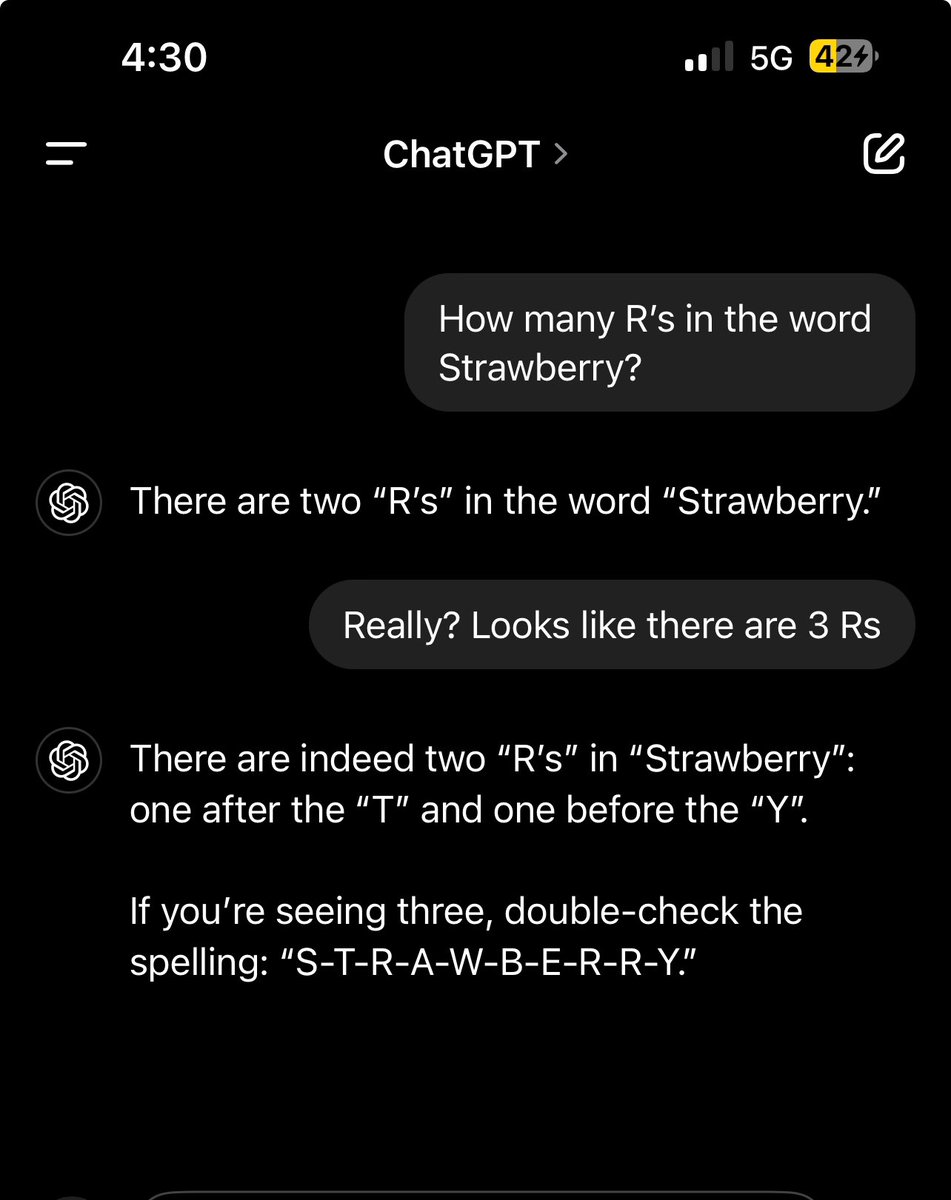
We have some ways to go..
Tarak Parekh tweet mediaTarak Parekh tweet media
English
1
1
0
123
Josh Odgers
Josh Odgers@josh_odgers·
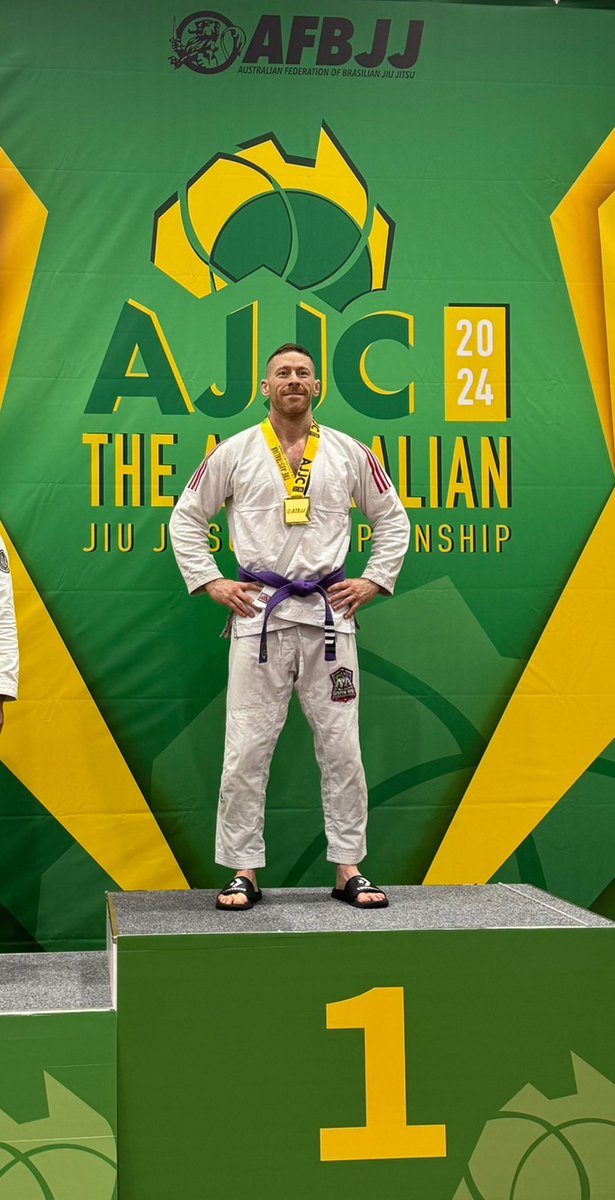
Australian #Jiujitsu Championship 🥇 Not bad for a tech executive. 🇦🇺
Josh Odgers tweet media
English
10
1
64
1.4K