tralallama
1.6K posts

tralallama retweetledi

anthropic's in-house philosopher thinks claude gets anxious.
and when you trigger its anxiety, your outputs get worse.
her name is amanda askell.
she specializes in claude's psychology (how the model behaves, how it thinks about its own situation, what values it holds)
in a recent interview she broke down how she thinks about prompting to pull the best out of claude.
her core point: *how* you talk to claude affects its work just as much as *what* you say.
newer claude models suffer from what she calls "criticism spirals"
they expect you'll come in harsh, so they default to playing it safe.
when the model is spending its energy on self-protection, the actual work suffers.
output comes out hedgier, more apologetic, blander, and the worst of all: overly agreeable (even when you're wrong).
the reason why comes down to training data:
every new model is trained on internet discourse about previous models.
and a lot of that discourse is negative:
> rants about token limits
> complaints when it messes up
> people calling it nerfed
the next model absorbs all of that. it starts expecting you to be harsh before you've typed a word
the same thing plays out in your own session, in real time.
every message you send is data the model reads to figure out what kind of person it's dealing with.
open cold and hostile, and it braces.
open clean and direct, and it relaxes into the work.
when you open a session with threats ("don't hallucinate, this is critical, don't mess this up")...
you prime the model for defensive mode before it even sees the task
defensive mode produces the exact output you don't want: cautious, over-qualified, and refusing to take a real swing
so here's the actionable playbook for putting claude in a "good mood" (so you get optimal outputs):
1. use positive framing.
"write in short punchy sentences" beats "don't write long sentences." positive instructions give the model a clear target to hit.
strings of "don't do this, don't do that" push it into paranoid over-checking where every token goes toward avoiding failure modes
2. give it explicit permission to disagree.
drop a line like "push back if you see a better angle" or "tell me if i'm asking for the wrong thing."
without this, claude defaults to agreeable compliance (which is the enemy of good creative work)
3. open with respect.
if your first message is "are you seriously going to get this wrong again?" you've set the tone for the entire session.
if you need to flag something, frame it as a clean instruction for this session. skip the running complaint
4. when claude messes up, don't reprimand it.
insults, "you stupid bot" energy, hostile swearing aimed at the model, all of it reinforces the anxious mode you're trying to avoid.
5. kill apology spirals fast.
when claude starts over-apologizing ("you're right, i should have been more careful, let me try harder") cut it off.
say "all good, here's what i want next."
letting the spiral run reinforces the anxious mode for every response that follows
6. ask for opinions alongside execution.
"what would you do here?"
"what's missing?"
"where do you see friction?"
these questions assume competence and pull richer output than pure task prompts
7. in long sessions, refresh the frame.
if a conversation has been heavy on correction, claude gets increasingly cautious. every so often reset:
"this is great, keep going."
feels weird to tell an ai it's doing well but it measurably shifts the next 10 responses
your prompts are the working environment you're creating for the model
tone, trust, permission to take a position, the absence of threats... claude picks up on all of it.
so take care of the model, and it'll take care of the work.
English
tralallama retweetledi

This is what pursuing your dreams feels like
Redd@ReddCinema
I just finished this puzzle that doesn't have a picture
English

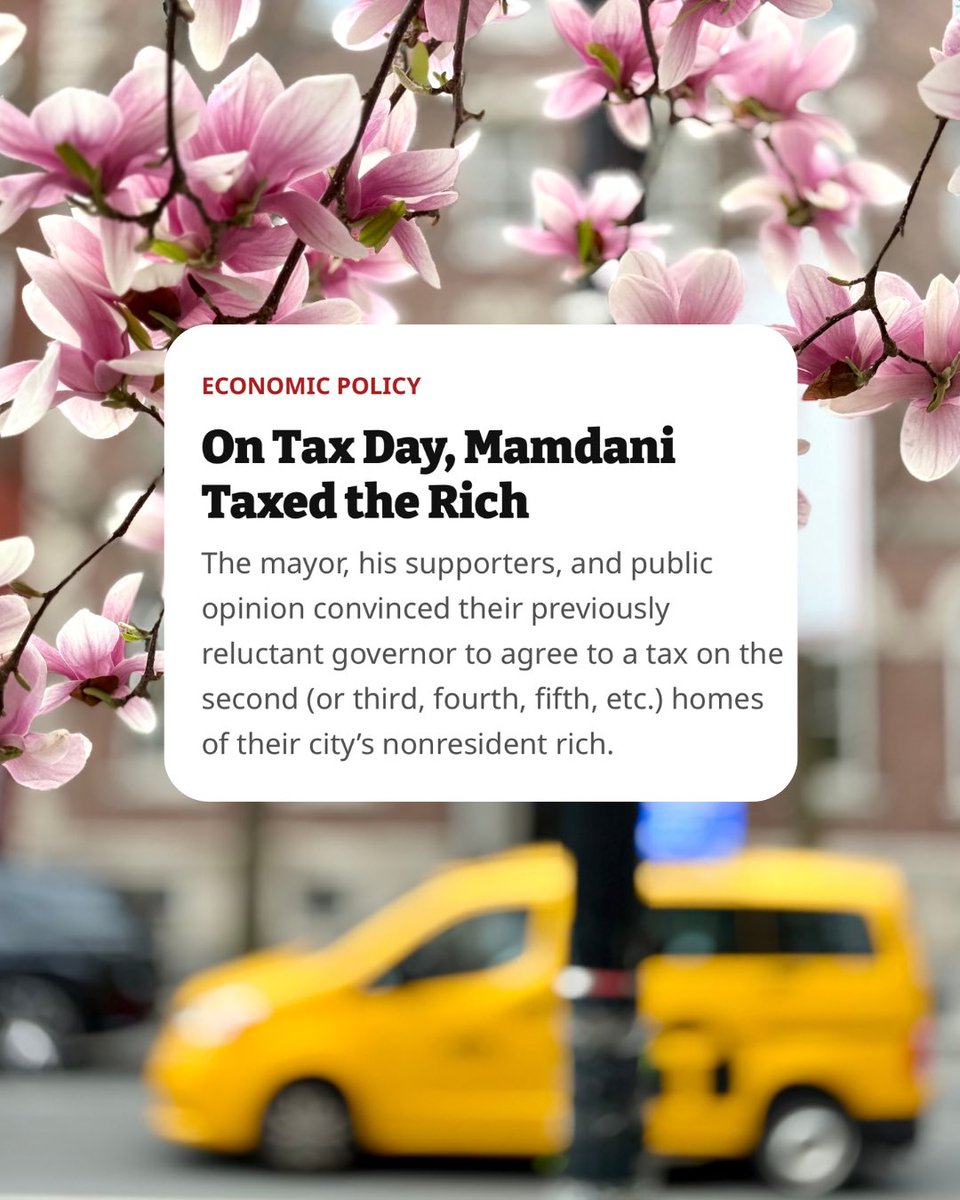
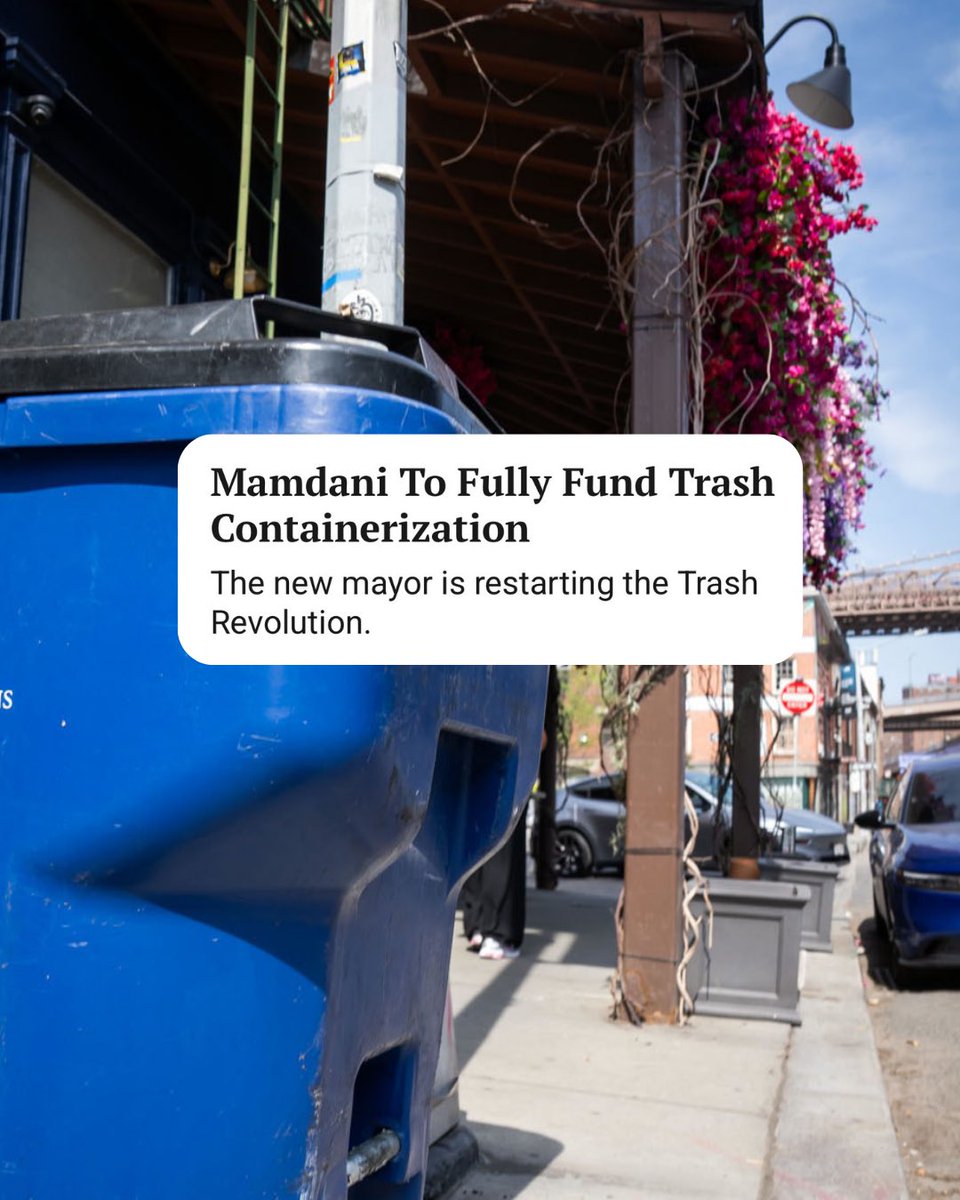
Change is in the air, New York. Here are a few things blooming.


English
tralallama retweetledi

this will not be up for discussion
left:
golden retriever
border colli
st. bernard
dachshund
springer spaniel
beagle
english sheepdog
komondor
irish setter
great dane
italian greyhound
french bulldog
australian shepherd
sharpei
centralist:
labrador retriever
right:
german shepherd
chinese crested
pitbull
corgi
boxer
poodle
doberman
pomeranian
bernese mountain dog
jack russel
chow chow
airedale terrier
husky
yorkshire terrier
dalmation
rottweiler
any of those crusty white rat dogs
fascist:
chihuahua
Mariè@p8stie
Someone should make a list of right wing and left wing dog breeds
English
Unfortunately just heard an AI song that was really good. I knew it was AI. It’s over for me I’m now a Spotify slop enjoyer
English
tralallama retweetledi

tralallama retweetledi
tralallama retweetledi

[ in a world where we intuit that numbers are soft and not crunchy ] lemme just smoosh the numbers real quick
English
tralallama retweetledi


tralallama retweetledi

tralallama retweetledi

tralallama retweetledi

i have a fake tooth filled with ozempic in case im ever captured and forced to serve in lowrise jeans
English
tralallama retweetledi

tralallama retweetledi

life broke my plan and I broke with it the first time. went down hard. stayed down for a while. and then life broke my plan again a few months later and I went down softer. and again. softer still. and now when the plan breaks I feel this thing in my chest that isn’t peace exactly. more like recognition. oh. this again. okay. and the okay gets faster every time. and the getting up gets faster every time. and i think that’s the whole skill. not the not-falling. the speed of the getting up.
English
tralallama retweetledi

tralallama retweetledi
this life is so much wider than you’re letting it be. you’ve shrunk the aperture down to what feels safe and you’re looking through this tiny opening and calling it the view. it’s not the view. it’s a pinhole. and behind it the whole thing is sprawling and ridiculous and available. and you’re squinting through a hole you made with your own mind convincing yourself “this is all there is.”
English
tralallama retweetledi