
🖇 retweetledi
🖇
5.9K posts





🖇 retweetledi



🖇 retweetledi

🖇 retweetledi

@Worsethanever_ @elaisonfire “No por sí mismo” ¿Acaso te viste breaking bad o solo te viste el primer capítulo?
Español

@elaisonfire Obviamente si.
Porque todos vimos Braking bad Y sabemos que el hizo todo eso para dejar algo a su familia, no por si mismo.
Mientras ella lo hace, solo porque es reputa y no vale nada.
Español

en la lógica incel divorciarte para vivir tu sexualidad es peor que volverte un narco y mierda de persona
Un Hombre Basado@HombreBasado
Me recordó a la mujer con cáncer terminal que le pedía a su esposo dejar que la dejará conger con otro
Español
🖇 retweetledi

Abduction of Helena (1879), by Rudolf Friedrich von Deutsch
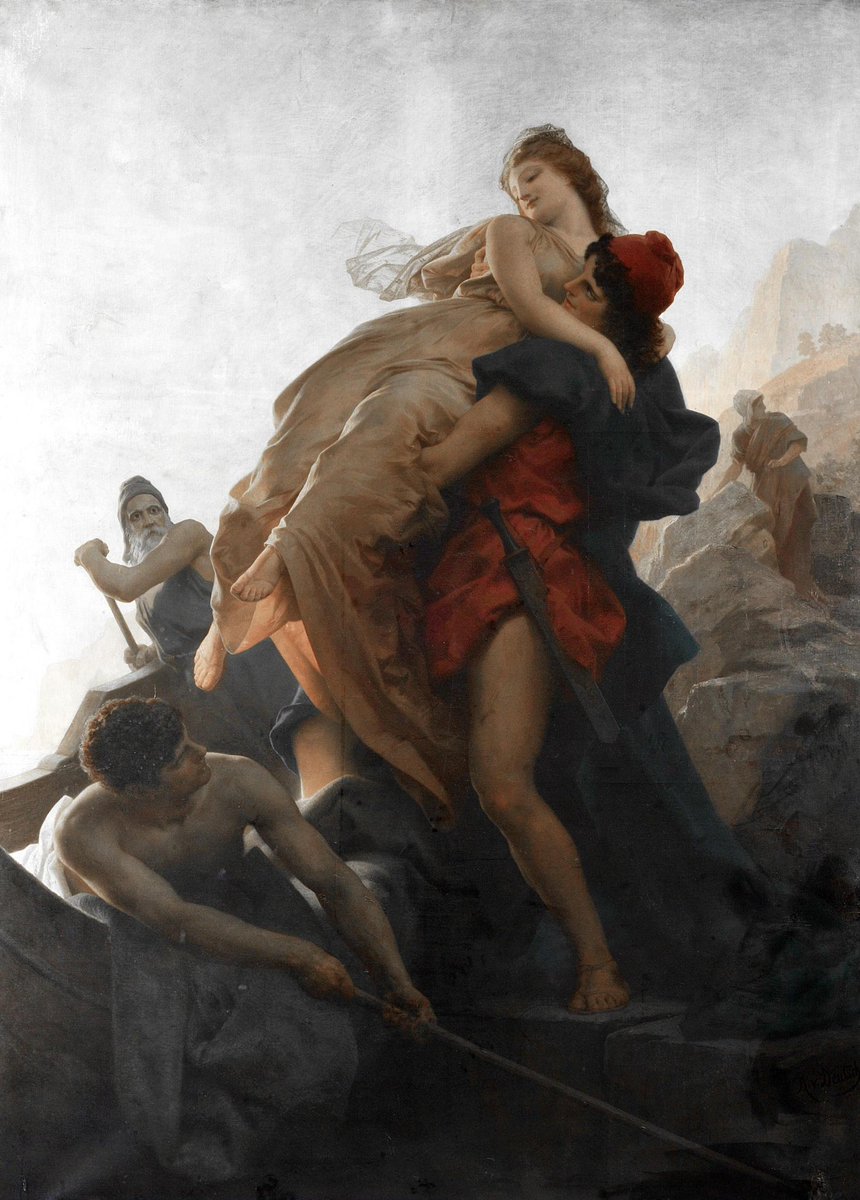
Deutsch
🖇 retweetledi



🖇 retweetledi

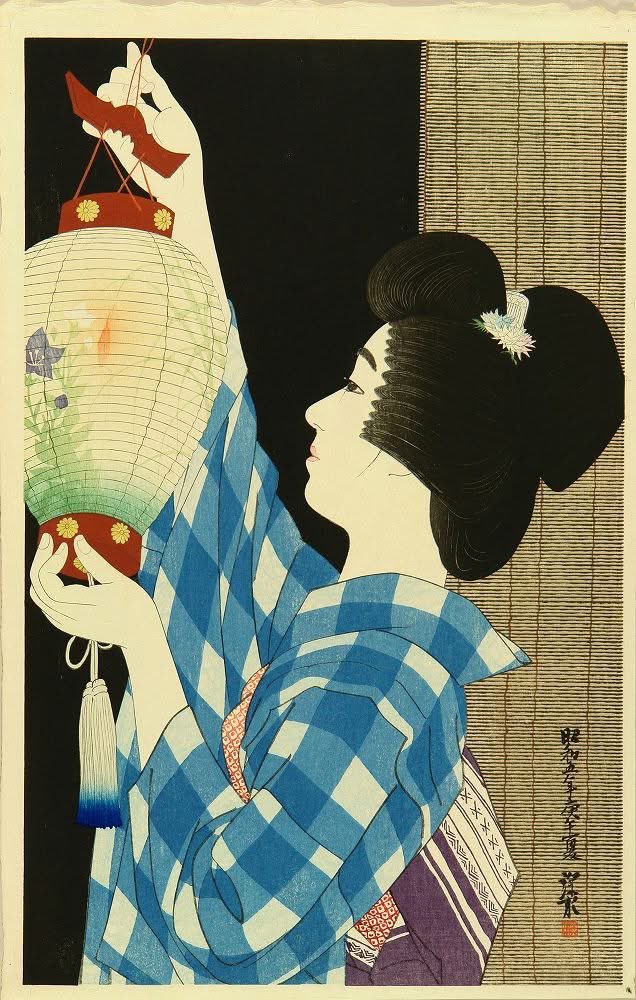
"Antorcha de papel Gifu Chochin Gifu"
Ito Shinsui ~ 1930
English
🖇 retweetledi
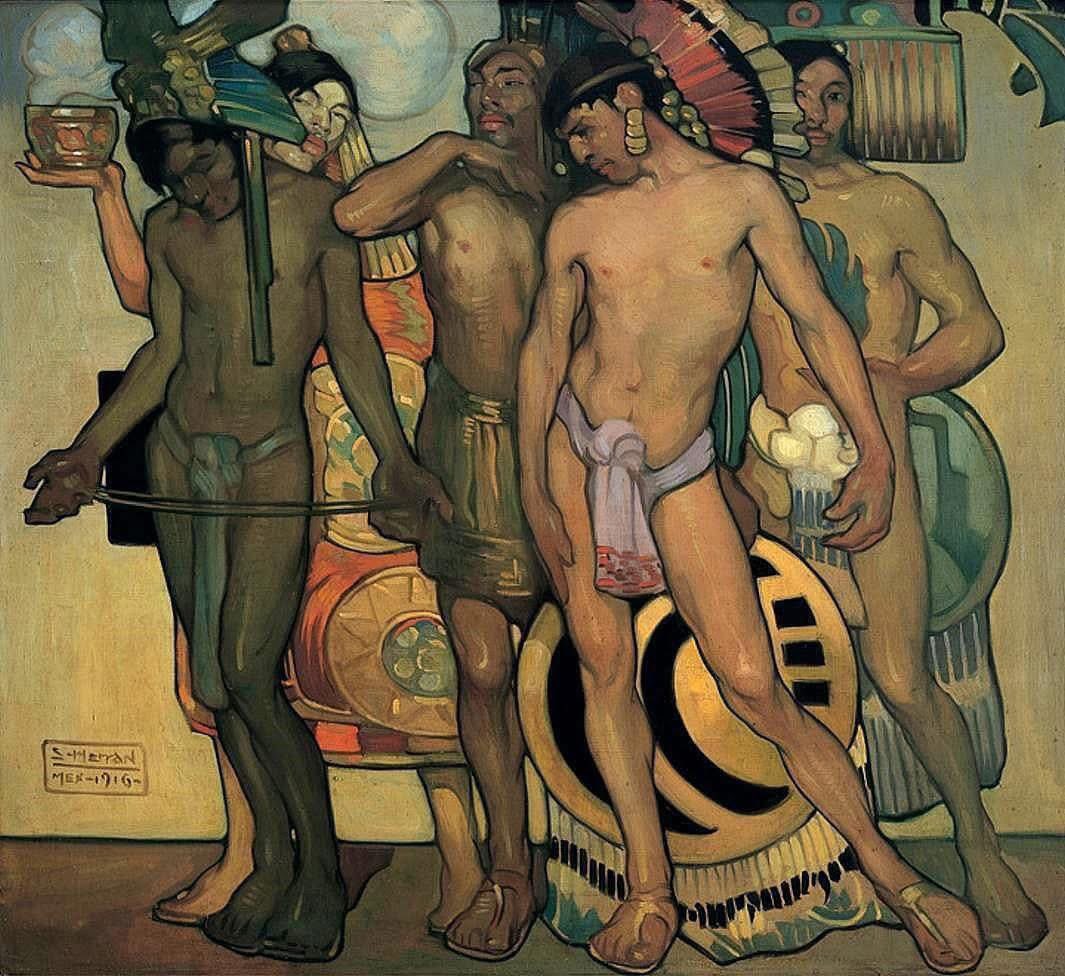
Saturnino Herrán (Mexicano, 1887-1918) - Nuestros Dioses Antiguos, 1916
Óleo sobre lienzo, 101 x 111.8 cm
Museo Meadows en la Universidad Metodista del Sur, Dallas, Texas.
Español
🖇 retweetledi

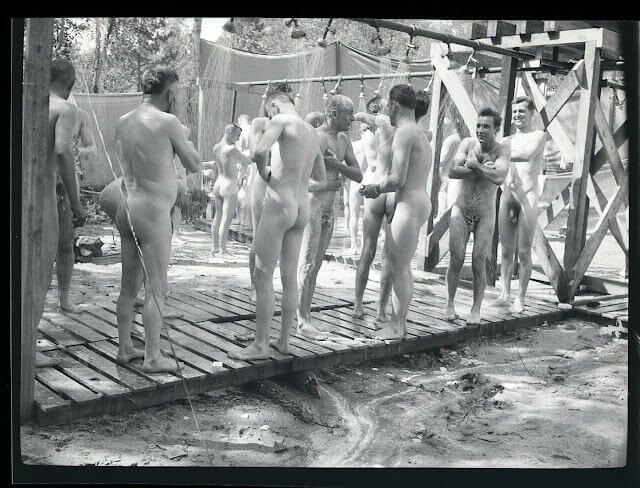
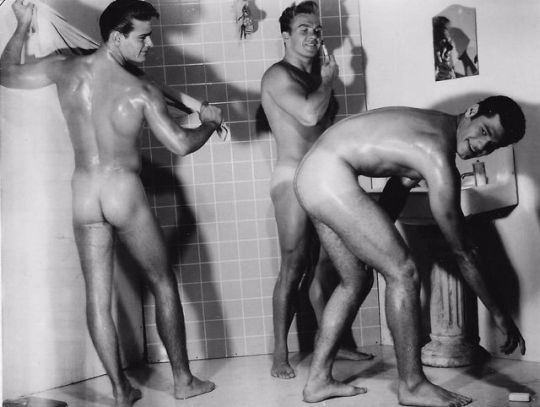
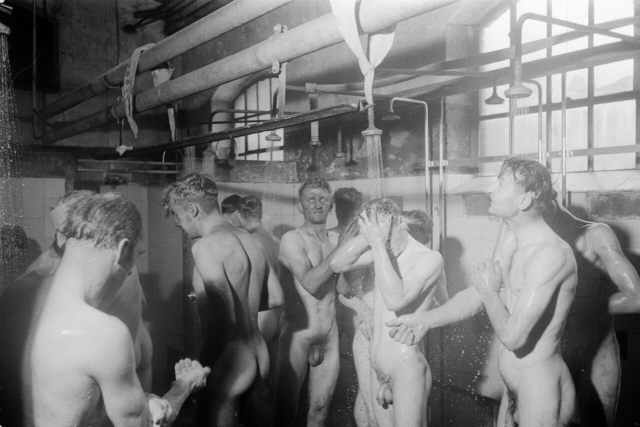
A l’armée, au travail, au sport, le passage par les douches collectives reste un symbole fort de la vie en communauté & reste un lien de fraternité brute. Un rituel de discipline et de partage que beaucoup ont connu.
Et vous, une anecdote à raconter ? +📷⤵️
#FineArtPhotography

Français
🖇 retweetledi

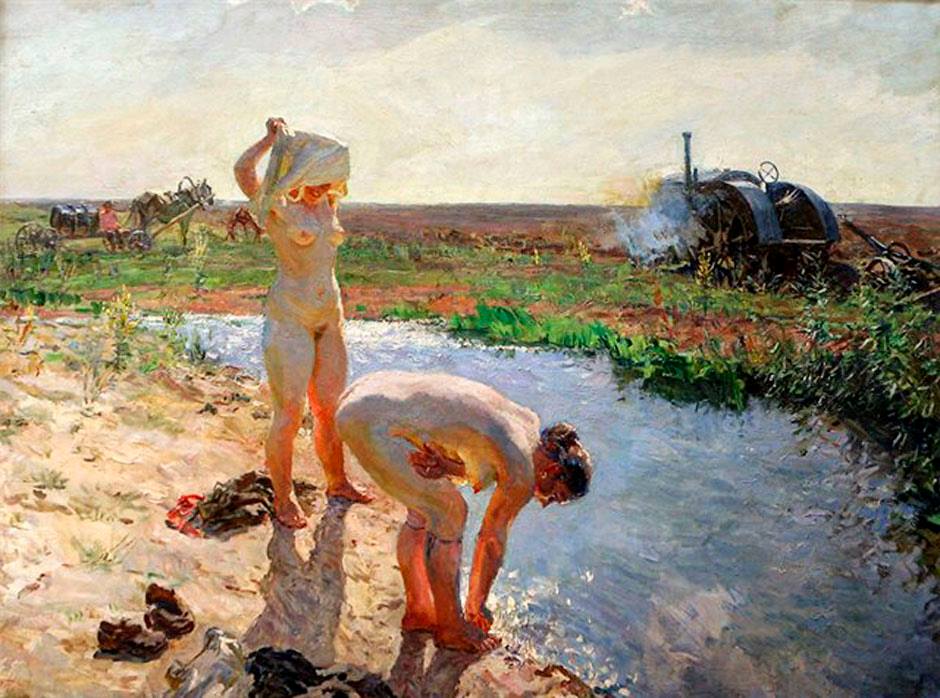
Tractor Women (1943-1944) by the Soviet artist Arkady Plastov (1893–1972). It measures 129.5 × 175.5cm and is an oil on canvas...
The work depicts two young women (tractor drivers during the WWII era on the Soviet home front) taking a refreshing wash in a shallow stream or river after a long day of work. One stands and lifts a cloth (likely a towel or garment) over her head, while the other bends forward, washing or cooling off in the water. Their discarded clothes and shoes lie scattered on the sandy bank in the foreground. In the background, a large steam-powered agricultural machine (a tractor or thresher) emits smoke across the expansive rural field, with carts, horses, and open landscape stretching to the horizon. The lighting is warm and naturalistic, with strong sunlight casting reflections and emphasizing the women's forms against the earthy tones of the countryside.
Plastov painted this during the Great Patriotic War, when many women took on traditionally male roles like operating tractors and farm machinery to support the war effort. The painting blends Socialist Realism with a bold, almost Impressionist handling of light and color—celebrating everyday labor, resilience, and the human body in a natural setting. Nudity here feels unidealized and matter-of-fact, tied to the practical reality of rural life rather than classical mythology or eroticism.
Arkady Plastov, one of the most famous Russian painters of the 20th century, was a classic of socialist realism. He was a leading Soviet painter known for his vibrant, life-affirming depictions of Russian village life, collective farm work, seasons, and ordinary people. He often worked from life in the countryside around his native village of Prislonikha (Ulyanovsk region). Other notable works include Spring (1954, showing a woman and child after the banya), Haymaking (1945), Harvest (1945), and Dinner of the Tractor Drivers (1951). His style emphasizes light, atmosphere, and a deep connection between humans and nature/ labor.
This painting " was somewhat daring for its time in official Soviet art, as full nudity was rare and often controversial. It relates thematically to Plastov's other wartime and postwar pieces exploring women's roles on the home front. The steam machine in the background symbolizes industrialization and mechanized agriculture under the Soviet system, contrasting with the timeless, intimate act of bathing.
© Timeless Art
#drthehistories
English
🖇 retweetledi


🖇 retweetledi

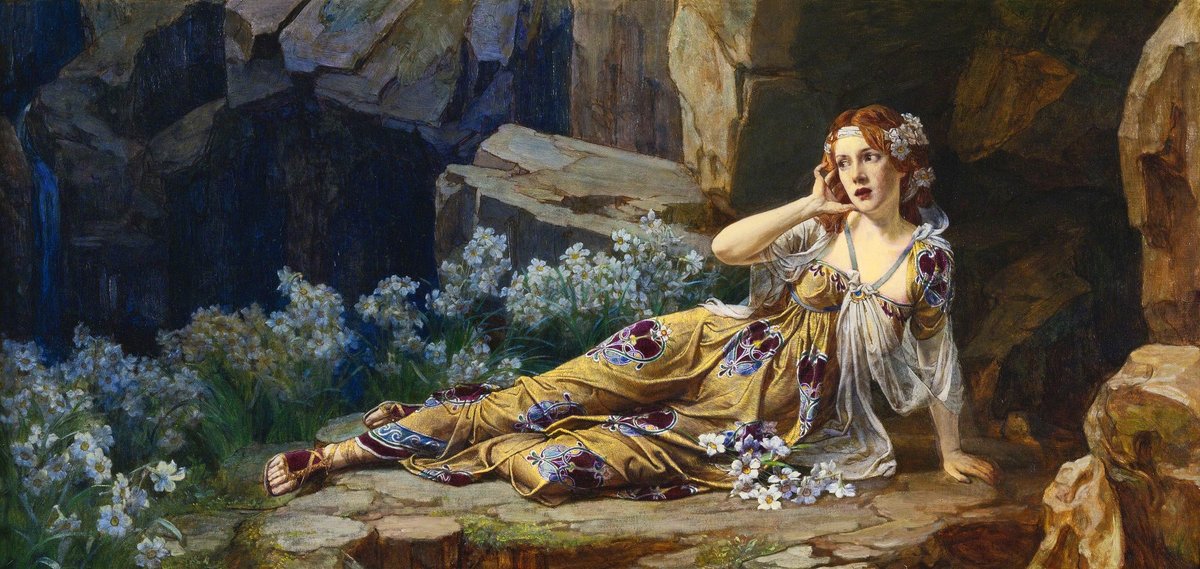
Talbot Hughes (1869-1942 British history, landscape and genre painter, collector and writer)
"Echo"
English
🖇 retweetledi


🖇 retweetledi

🖇 retweetledi

🖇 retweetledi

According to them graphic scenes of women being raped, beaten or brutally murdered are "art" or intended to reflect real life but they wouldn't want to show a woman with even a single hair on her arm. The idea of a hairy woman obviously doesn't fit their perception of reality
BlackSword@Blacksword011
LMAO
English
🖇 retweetledi

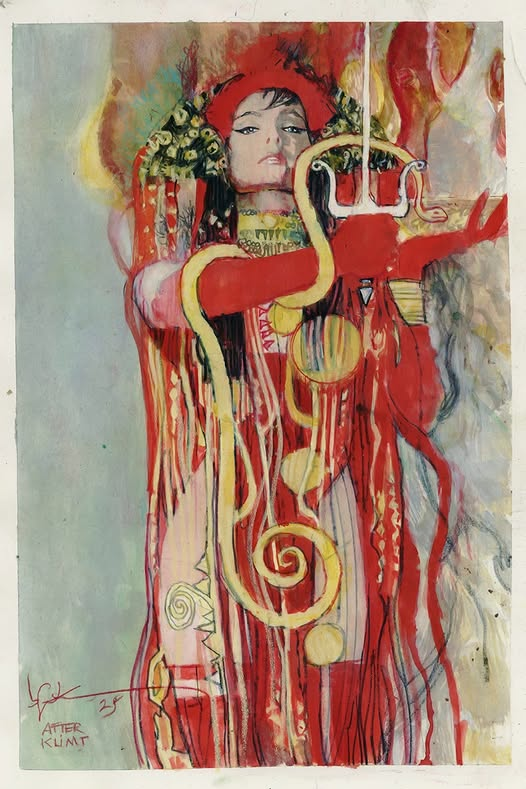
Elektra, by Bill Sienkiewicz (after Gustav Klimt's "Hygieia").
Norsk
🖇 retweetledi

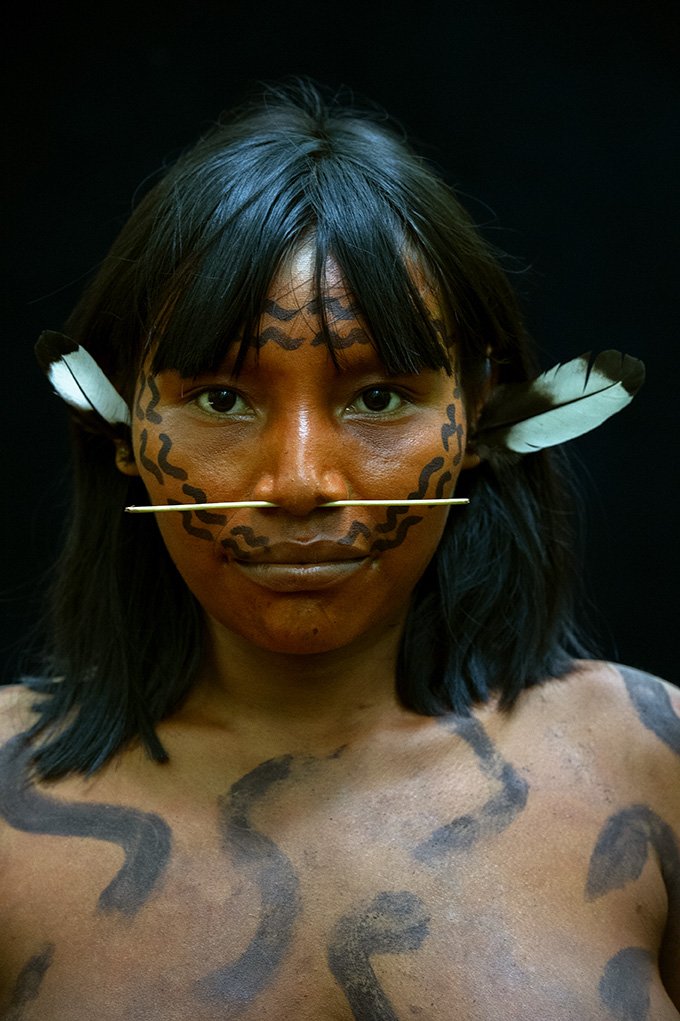
❁ Créditos: Povo Yanomami pelas lentes do fotógrafo holandês Henk Bothof.
Os xamãs utilizam o yãkoana (feito da resina da casca da Virola elongata) através de um horama (instrumento).
O yãkoana é usado para curar doenças e fazer contato com os xapiripë (espíritos da floresta).



Português

El dia que vi un twit en japonés y era de una mujer insultando a hombres blancos y los de su propio pais por ser unos malditos que venderían a las mujeres de su propio pais para que gringos las abusen nunca lo olvidaré,es que los insulto de tal manera que no lo olvido
Hermes@chaotichermes
This is what Adolf Hitler saw before giving the Japanese honorary Aryan status:
Español