aeron_warner

306 posts

aeron_warner

aeron_warner

@travis_madox

Paris, France Katılım Ağustos 2014
284 Takip Edilen14 Takipçiler
aeron_warner
aeron_warner@travis_madox·
@Maqitzara care to elaborate on this ''As for the central sahara the horse and camel riders were of the same ethnicity,perhaps different tribal affiliations''
English
1
0
1
56
Maqzara
Maqzara@Maqitzara·
The arrival of the Camel in the western boundaries of the Sahara marks the arrival of Amazigh groups compared to the older pastoral inhabitants As for the central sahara the horse and camel riders were of the same ethnicity,perhaps different tribal affiliations
isaac Samuel@rhaplord

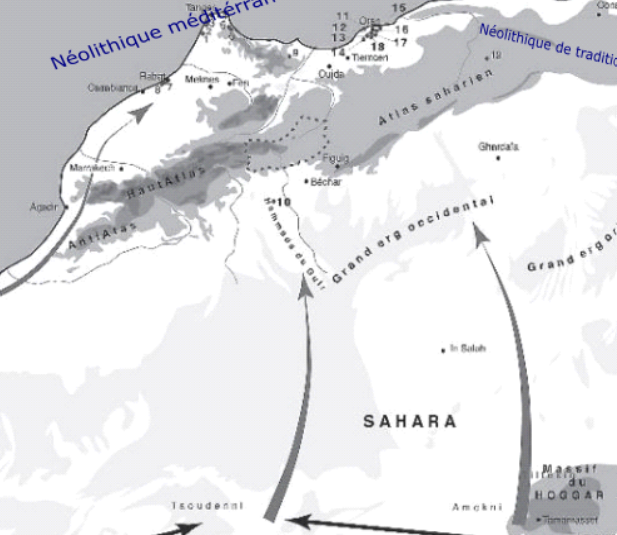
southernmost range of horse-drawn wheeled vehicles in the ancient Sahara Images of horse-drawn chariots from the Central and Western Sahara are almost never associated with images of Camels and Camel-riders africanhistoryextra.com/p/the-camel-in…

English
1
3
18
3K
aeron_warner
aeron_warner@travis_madox·
@Maqitzara nah, there is dumb, and there is this boy. he is a in a different level of craziness
English
0
0
1
63
Maqzara
Maqzara@Maqitzara·
@travis_madox no,i only referred to levantine pastoralists as the first,Skhirat
English
1
0
0
36
aeron_warner
aeron_warner@travis_madox·
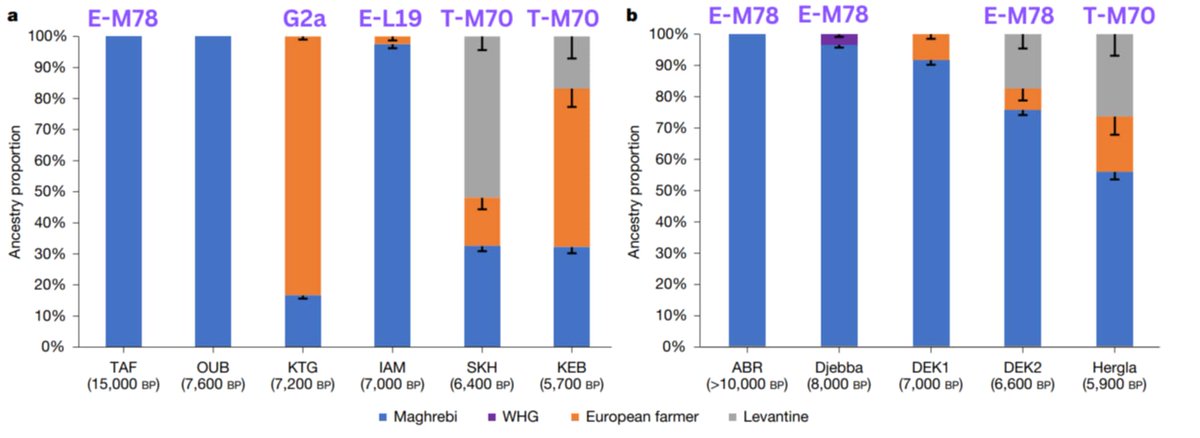
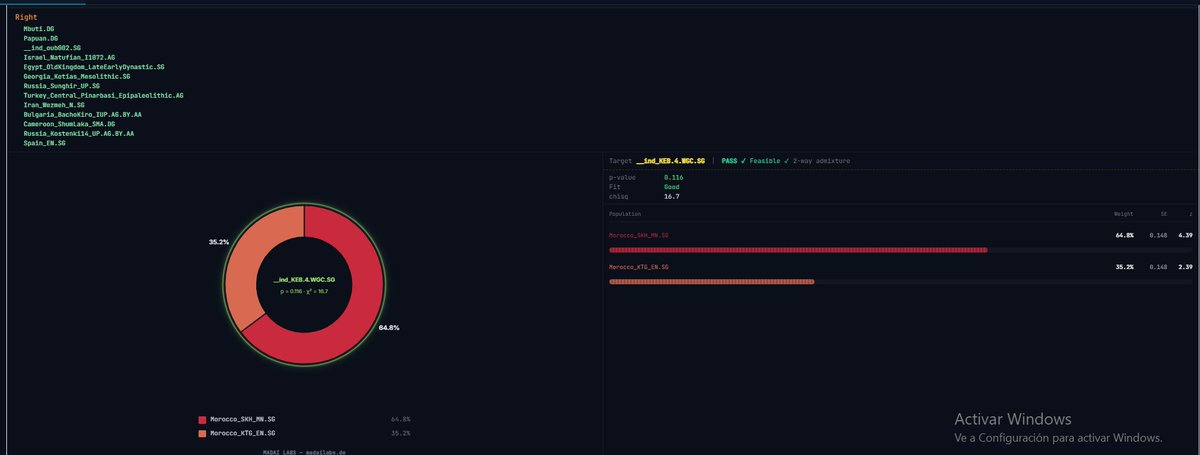
@Maqitzara YES, you said levantine patoralists come through 2 waves, the figure is clear
English
1
0
0
19
NVIDIA GeForce UK
NVIDIA GeForce UK@NVIDIAGeForceUK·
PRAGMATA has launched with #RTXON, featuring path tracing and DLSS 4! To celebrate, we are giving away this custom wrapped GeForce RTX 5090 featuring Hugh and Diana, perfect for the adventure that awaits on the moon. Want it? Comment "PRAGMATA RTX" to enter!
NVIDIA GeForce UK tweet media
English
6.8K
740
4.6K
301.8K
aeron_warner
aeron_warner@travis_madox·
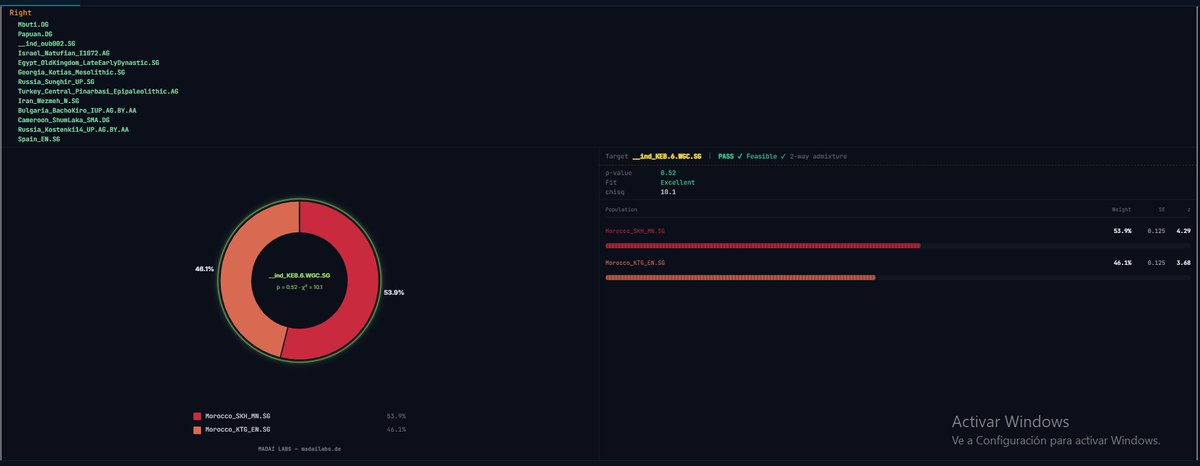
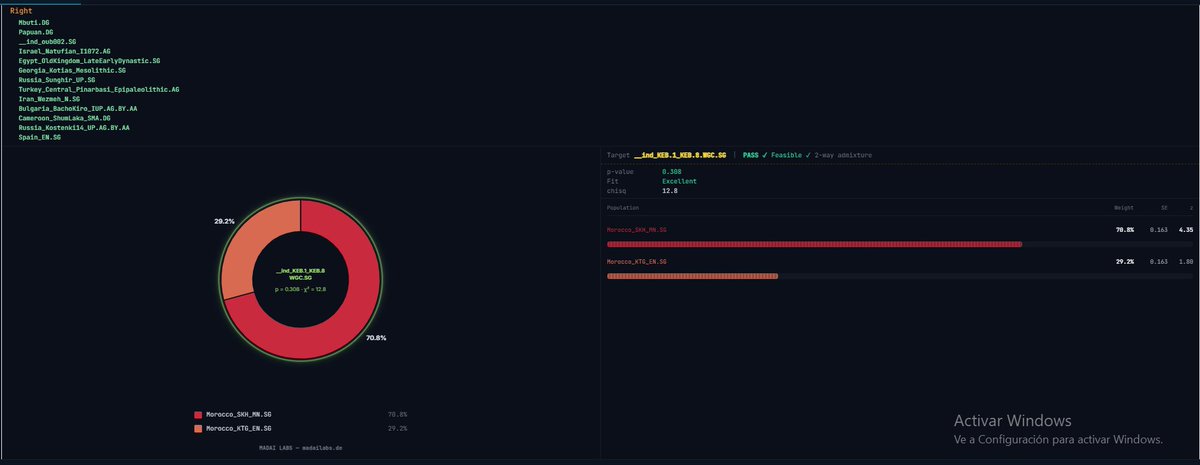
@Maqitzara @justtoknow010 while i agree with you on the fact that SK come from Egypt 100% but, execuse me, you and modeling shouldn't be in the same sentence, most your modeling are Bogus. here is the modeling done by Harald Ringbauer where he stressed that the model of previous studies were less precise
aeron_warner tweet media
English
1
0
0
23
aeron_warner
aeron_warner@travis_madox·
@IlA30032 Is it true that it is now impossible to get y dna from my heritage?
English
1
0
0
74
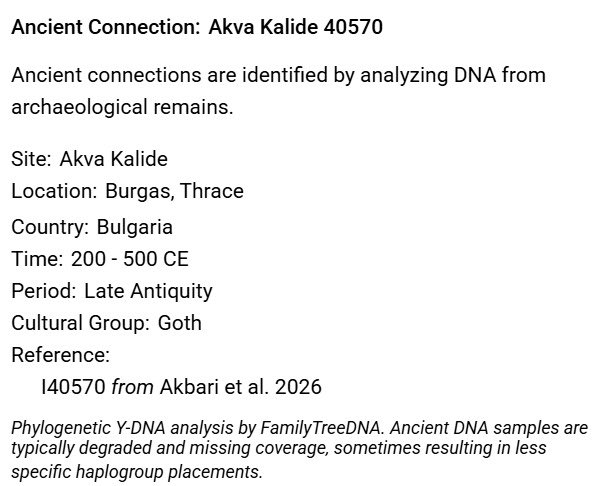
E-PF2431
E-PF2431@IlA30032·
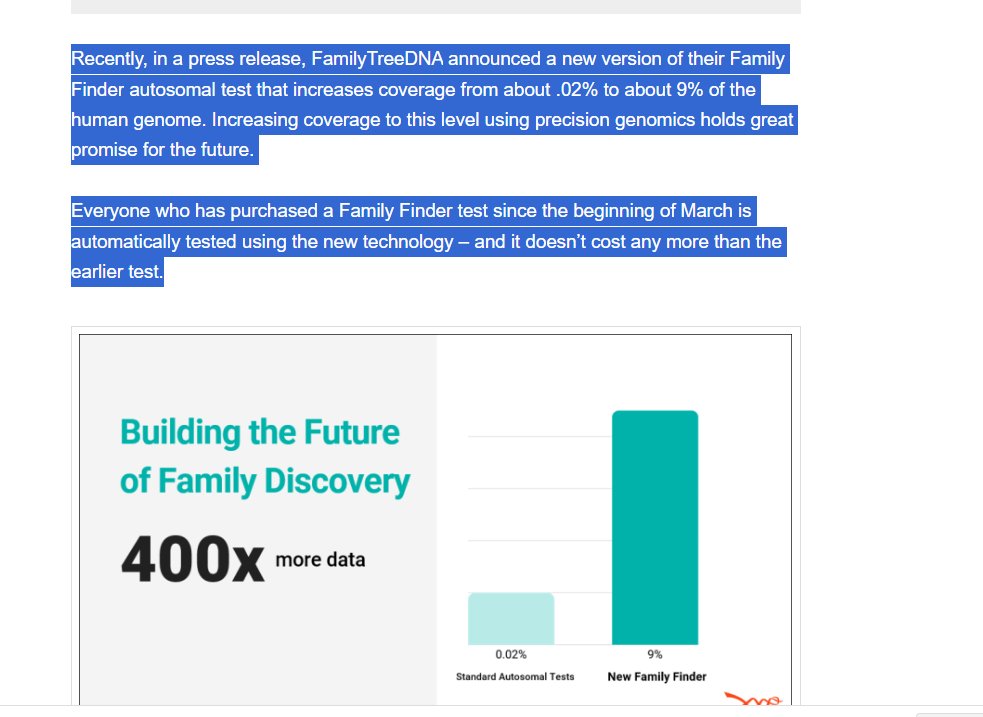
dna-explained.com/2026/03/30/the… منشور للخبيرة Roberta Estes في مدونتها يوم 30 مارس 2026 حول ان شركة FTDNA اعلنت الانتقال الى تقنية NGS بدلا من تقنية Microarray القديمة اما من ناحية سعر سيكون كما هو ثمن Family Finder حيث سيتم تسحين من التغطية حيت كان في Microarray 0.02 بالمئة اما تقنية NGS سيكون افضل 9 بالمئة بفضل انتقال تقنية NGS من تغطية محدودة تبلغ 700 ألف (SNP) إلى مسح شامل يصل لـ 280 مليون موقع ، سيصبح بإمكان المختبرين تحديد فروعهم على السلالات الذكرية والأنثوية (Y-DNA & mtDNA) طبعا لن تكون عميقة مثل اختبار Y-big700 و mtfull sequence قبل مدة سئلت احد اعضاء الادارة شركة FTDNA هل الاعضاء الفاحصين Family Finder الذين فحصوا قبل الاعلان هذا و لم يرقوا نتائجهم هل سوف يحصلون على نتائج mtDNA ف قال ان الاصدار القديم والحديث سيحصلون على نتائج للنتظر
E-PF2431 tweet mediaE-PF2431 tweet mediaE-PF2431 tweet media
العربية
1
1
4
456
حمزة
حمزة@hamza_bdi·
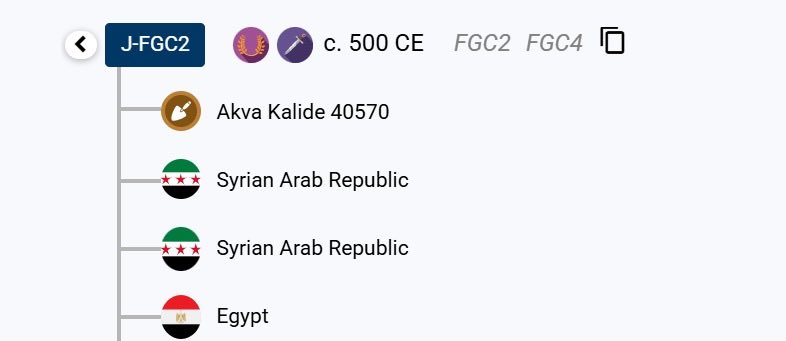
@tmooofi لابد من دراسة هذه العينة لأنها مهمة لأن ممكن تواجد العرب أقدم من الفتوحات في شمال افريقيا
العربية
2
0
0
454
aeron_warner
aeron_warner@travis_madox·
@MiroCyo Yes possibly. Or simply some slave from Rome?
English
0
0
0
175
Miro C
Miro C@MiroCyo·
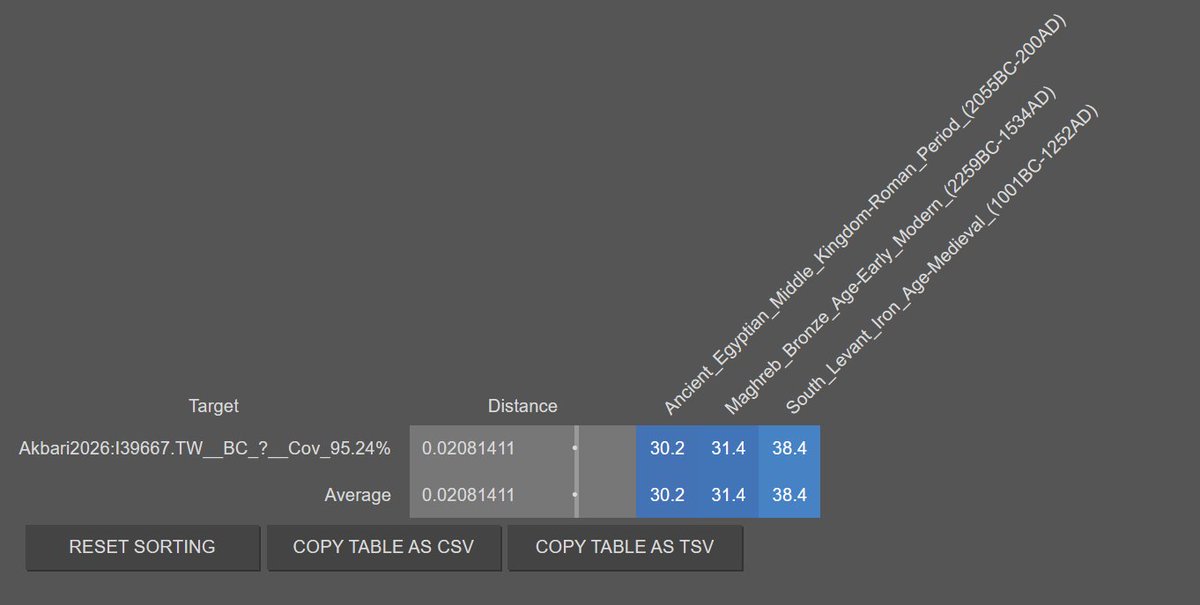
The same strange genetic profile keeps showing up: roughly 1/3 South Levantine, 1/3 Berber, 1/3 Ancient Egyptian This individual sits on a clade parallel to the Cohen one Ethnically, probably Jews?
Miro C tweet mediaMiro C tweet media
English
17
2
72
8.8K
aeron_warner
aeron_warner@travis_madox·
@MiroCyo Is Maghreb bronze age-to early modern homogeneous, what's it's admixture ?
English
0
0
0
528
aeron_warner
aeron_warner@travis_madox·
@punicist Hopefully we will get the study soon. Any idea on the samples haplogroups, or their ids?
English
1
0
1
753
Magon
Magon@punicist·
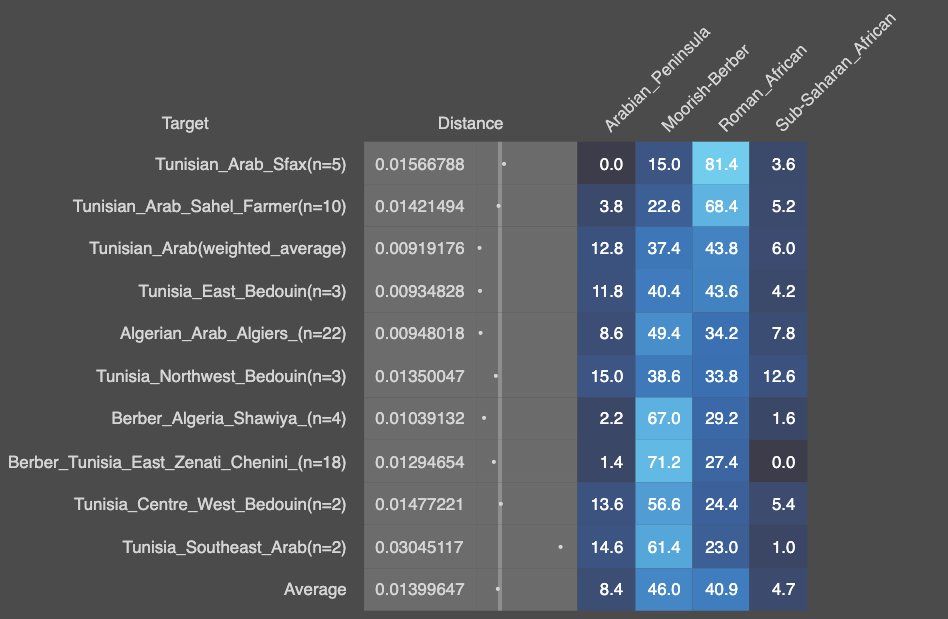
We finally know the genetic makeup of Roman Africans, and it's VERY surprising: First, who were they? Roman Africans were the Roman-era inhabitants of the province of Roman Africa, which includes Eastern Algeria, Tunisia, and West Libya. Famous Roman Africans include: Septimus Severus, Tertullian, Saint Augustine of Hippo, Saint Cyprian of Carthage, Apuleius, Terence.. The Roman African profile was spotted in a database of thousands of coordinate samples. The profile is a very stable one, and it shows little internal variation across multiple samples, suggesting it was a well-established population profile rather than the result of individual recent admixture which would count as outliers. This profile is also very similar to a coordinate we already have, which is a Roman-era East Algerian (ID: R10766). Surprisingly, these Roman Africans were most similar to modern-day North African Jews, Levantine Sephardic Jews, Egyptian Jews, Maltese, Italians, Aegean Greeks, Levantine Christians, and North African Arabs with substantial Jewish or Roman ancestry (Moroccan Urbanite Arabs from Fes, who have a lot of Jewish ancestry, and sedentary Eastern Tunisians). The reason is that these Roman Africans derive their ancestry from the following groups: 1. Antique Western Anatolians (from 30-50%) 2. Iron Age Italians (20-25%) 3. Iron Age Levantines (15-22%), and 4. Iron Age North African Berbers (15-20%) A (more speculative) Western Roman African profile was also spotted, also similar to a coordinate we already have (ID: I33810), which may be similar to the Eastern one, with just a little North African shift (possibly around 30% Berber), which would make it also similar to North African and Mediterranean Jews, North African Arabs with substantial Jewish or Roman ancestry (Again, Moroccan Urbanite Arabs from Fes and sedentary Eastern Tunisians), as well as other Sephardic Jews, South Italians, and Christian/Alawite Levantines. So the predominant Roman African profile, across the province, was likely this similar. This is not to say that Roman Africans who were pure Berber, or pure Eastern Mediterranean did not exist. But it certainly does not seem like either were a predominant profile in Roman Africa stricto sensu. Surprisingly, Roman Africans are not particularly close to the majority of modern-day Maghrebis, except those listed above. Namely Urbanite Moroccans from the city of Fez, Moriscos (who are the descendants of Iberian Muslims), who are a minority of Moroccans, and sedentary Eastern Tunisians, who comprise around 40-45% of the country's population. With that said, we know that distance is not the same as ancestry. Modern Egyptian Muslims, for example, are not the closest match to Ancient Egyptians, but a significant part of their ancestry is still from Ancient Egyptians. So, despite being distant, do modern Maghrebis still derive their ancestry from Roman Africans? The answer is yes, to a considerable (but not predominant) extent. Even though most modern North Africans are not similar to Roman Africans, practically all of them still have notable Roman African ancestry. Let's start with the upper range: Sedentary Eastern Tunisians have 65%-80% Roman African ancestry. Interestingly, this was already noted by some anthropologists in the 20th century. Berber groups (For example: Chaoui Berbers in Algeria, Southeastern Tunisian Zenata Berbers) would have around 30% Roman African ancestry. Rural Arabs (including "Arabized Berbers") are more diverse: Many Eastern Tunisian Bedouins have around 43% Roman African ancestry, meanwhile, Algerian Arabs in Algiers (of various backgrounds) on average seem to score around 35% Roman African ancestry. Arabized Berbers around the Aures and in the rural central plains of Tunisia have around 25% Roman African ancestry. The reason why most modern North Africans cluster away from Roman Africans is mainly due to modern Maghrebis having substantial Moorish-Berber ancestry, which is very distinct. This Moorish-Berber ancestry increased substantially during the Moorish-Vandal and Moorish-Byzantine conflicts of the 6th and 7th centuries A.D. A study on Byzantine Africa is due to be published, hopefully shortly, which may confirm and explain these conclusions in greater detail. But unless there is a huge surprise in this study, I can say with the utmost certainty that the puzzle of Roman African demographics has been solved, at least in the eastern and northern regions of the Roman province of Africa (which constitute the bulk of the province in demographic terms). Note 1: Roman Africa, in my model, is a combination of both the Eastern and Western profiles of Roman Africans. Note 2: Moorish-Berber, in my model, is a combination of Iron Age Berbers and modern Berbers belonging to the Ait Atta tribe of the Chleuh Berbers, from Morocco. Note 3: All of this is only applicable to Roman Africa stricto sensu, which is the region that includes Eastern Algeria, Tunisia, and Western Libya. Both Morocco and Eastern Libya may have very different ancestral patterns, and different "Roman" profiles altogether.
Magon tweet mediaMagon tweet media
English
35
76
414
42.5K
aeron_warner
aeron_warner@travis_madox·
@MiroCyo is Maghreb MBA, include the samples from Iberia or it's new samples?
English
0
0
0
101
Miro C
Miro C@MiroCyo·
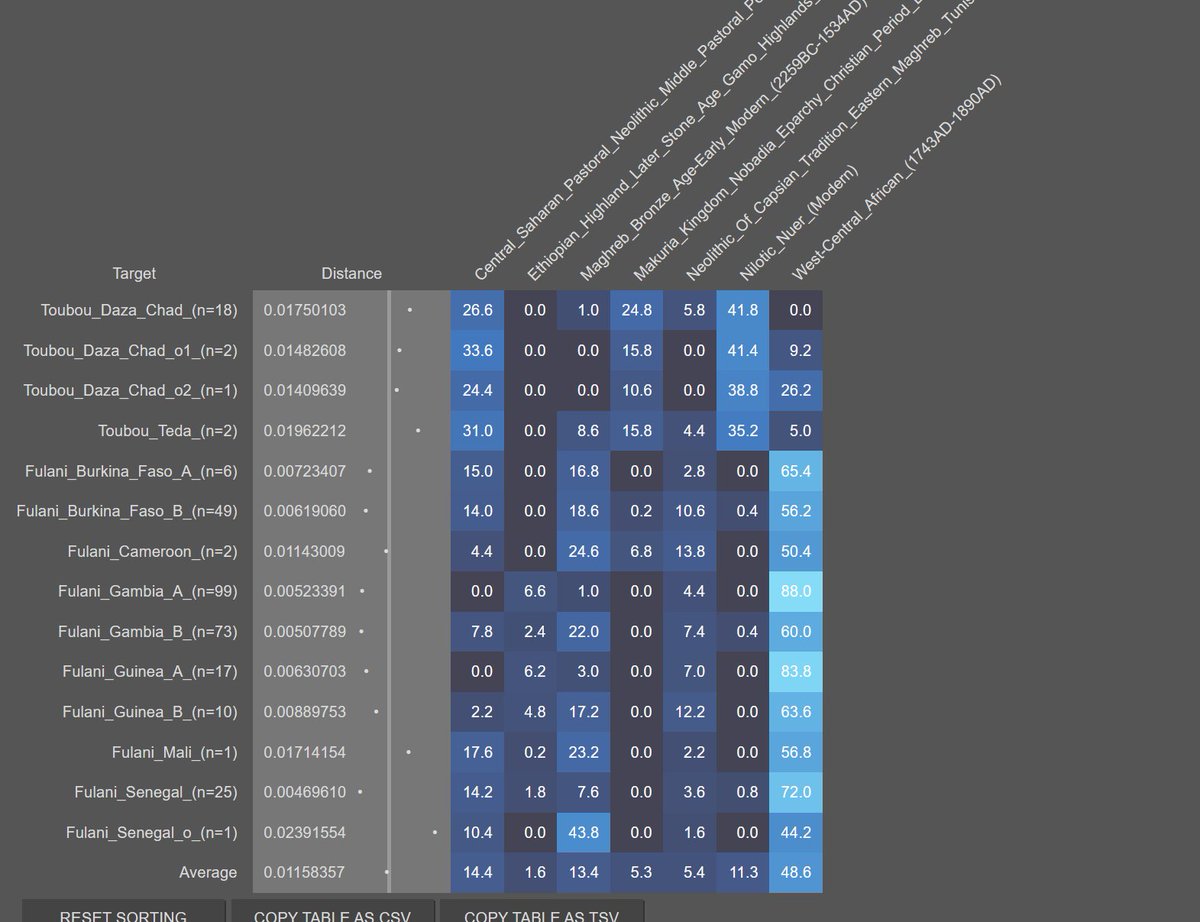
Toubou and Fulani ancestry model on my well-curated proximal calc Quoted post applies here as well, with the exception of Neolithic of Caspian Tradition (Tunisia N) and Ethiopian LSA (Mota), which do kick in
Miro C tweet media
Miro C@MiroCyo

No WHG, Iberia HG, South Levant N, Epip Maghreb, Ashakar Ware (Skhirat, Egypt N rich), Cardial Ware, Neolithic of Caspian Tradition (Tunisia N), Maghreb EBA - EMA ('Berber'), Egyptian profiles (neither ED-OK or MK-Roman), West African LSA (Shum Laka), Ethiopian LSA (Mota) that isn't already captured by these more proximal groups

English
5
1
23
4.1K
aeron_warner
aeron_warner@travis_madox·
@MiroCyo @ShamshiAdad1700 It's out of context, but does the Jewish stories of expelling Canaanites to north west africa, hold any merit?
English
1
0
0
59
Miro C
Miro C@MiroCyo·
nah far too early to be relevant. best case is that the tribe of joseph (assuming its even real and not just larp by 'proto' ephraim and manasseh tribes held in captivity in egypt) contains a kernel of truth from them, but i doubt it tbh. i think habiru coming in and out of egypt over time connected themselves to those early hyksos as a source of provide for a time when their distant kin ruled their oppressors
English
2
0
0
330
Shamshi Adad
Shamshi Adad@ShamshiAdad1700·
The Habiru were a broad group of Levantine bandits/raiders that harassed Canaanite city states during the late Bronze Age. They were not connected to the Israelites. I also noticed how the previous waves of highland Canaanite settlement were not included in this.
Miro C@MiroCyo

The groups contributing to the formation of the Israelites and related peoples (a small snippet of a much larger tree encompassing hundreds of groups). Integrates evidence from nearly all disciplines that study the past. In a future spaces or thread, can dive into the nuances

English
2
0
0
1.2K
Miro C
Miro C@MiroCyo·
All West Eurasians have ANA (an African related population genetically), even all the way into Scandinavia. It's tiny in Europe (<1% of ancestry in most), but it's there. Quickly on how it happened: Kebaran-related groups go into Egypt during the LGM, mix with ANA Wild Nile Phase pushes these groups west, they become IBM. They also escape to the east, become Mushabian Mushabian mixes with Kebaran to create Natufian Natufian punches up into the north Levant (Khiamian) and mixes to create Upper Meso - North Levant PPNA These groups go west (two waves) into Anatolia, creating the Central Anatolia N Aceramic profile, Central Anatolia N Ceramic profile, and West Anatolia N Ceramic profile One of these West Anatolia N Ceramic profiles, archaeologically known as the Fikirtepe Culture, has a massive expansion all over Europe.
Atlas@pqapka

@MiroCyo @feanor_curufinw @DavidePiffer @FoolingJust52 what is the % in each of them? do you mean basal eurasian is just ANA ?
English
9
9
73
10K