

Laura
11.7K posts
Laura
@trippy41
Scary high school English teacher and insane writer. Only chocolate keeps me sane.
ÜT: 43.896938,-79.00885 Katılım Aralık 2008
649 Takip Edilen219 Takipçiler

okay but can someone correct me if i’m wrong on this?
sperm donor baby was born at end of s6,
so the baby would be 3 at most??
a 3 year old isn’t climbing an electricity tower.
unless there’s been some time jump i’ve forgotten?
English
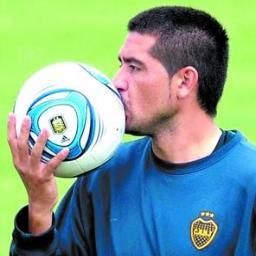




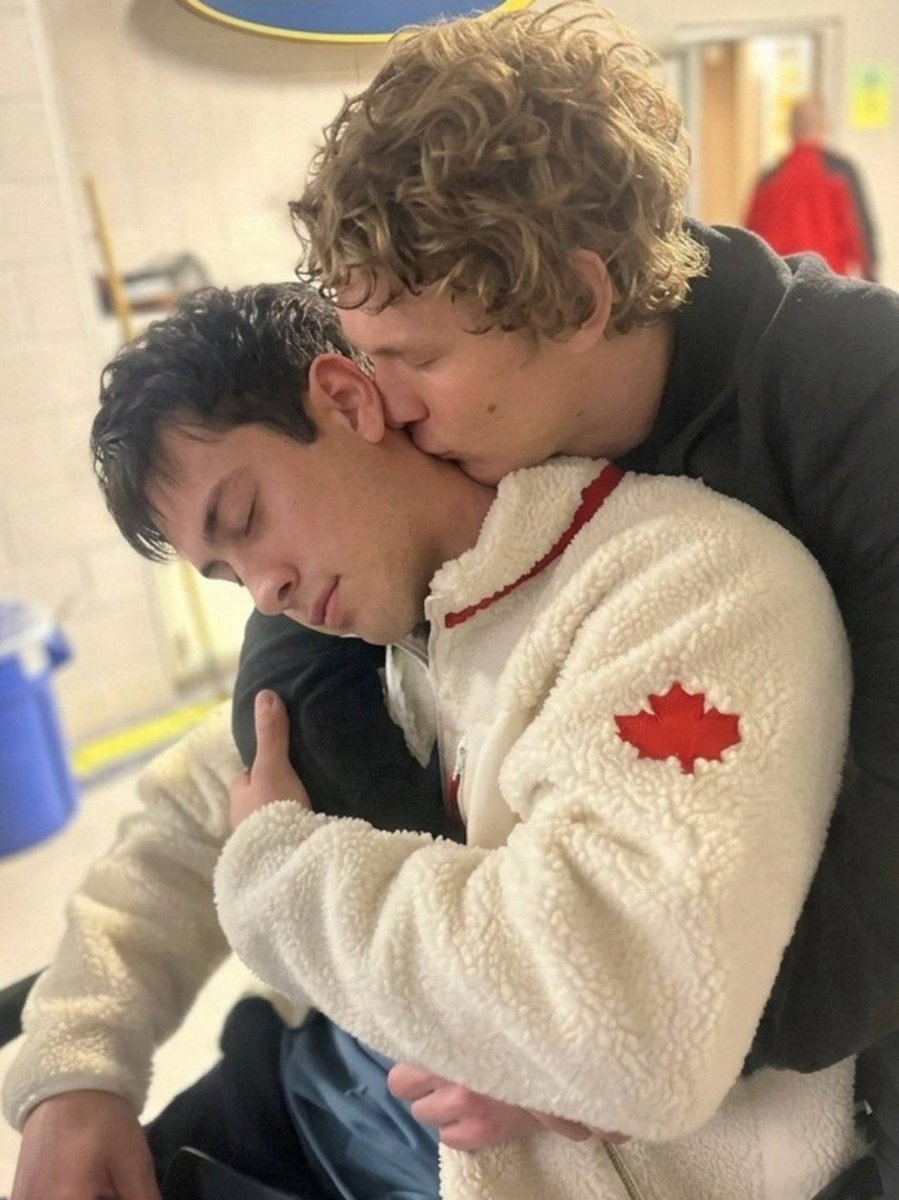
Si por esta escena Hudson y Connor quedaron tan mal como para tener que tomarse un rato y abrazarse, no puedo imaginarme lo fuerte que va a ser la 2da temporada.

Español

Hudson Williams and Connor Storrie’s original Quinn audio “Ember & Ice” is officially the #1 most-listened to series on the @tryquinn app ever and has garnered 39 Million minutes in listen time!
Founder Caroline Spiegler booked the duo before Heated Rivalry even secured its U.S. distribution deal.
(via @Variety)
Read more 🔗 variety.com/2026/tv/news/q…

English
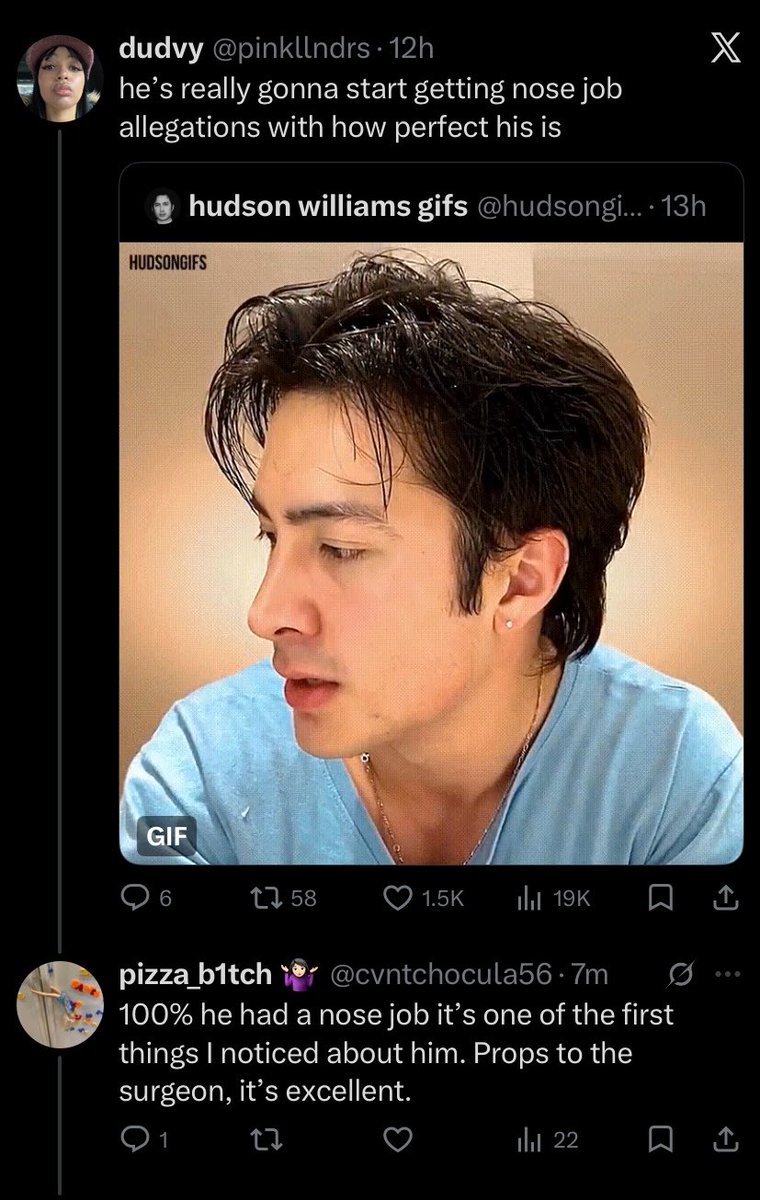
That is hus father's nose. His mother has an adorable button nose. He gets his Korean looks from her. But tall and that nose, that has to be his Dad's (having never seen him, but mom is tiny with a tiny nose. Hudson's aquiline nose is definitely Dad's, who is of, I think, of Scandinavian ancestry.
English

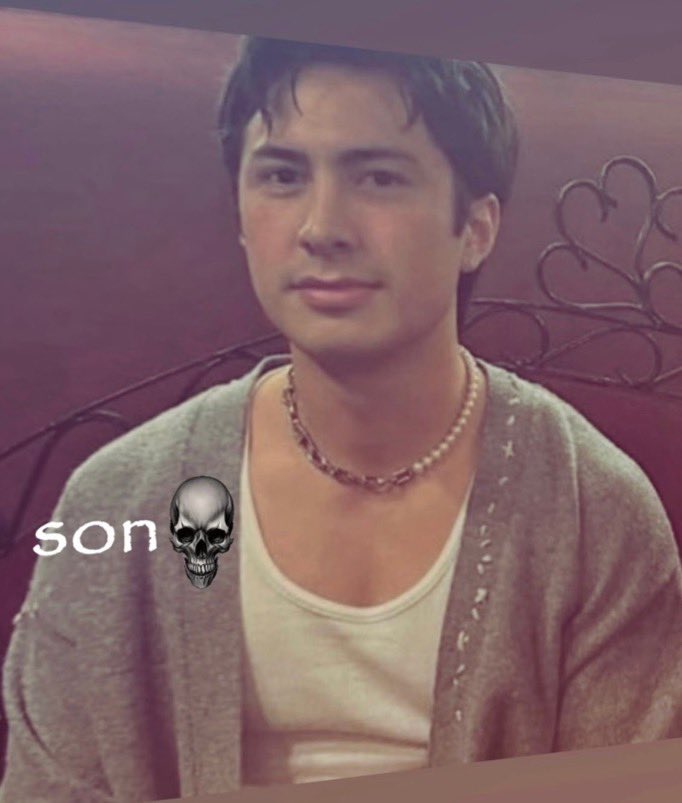



@bingenerd4812 😂
Hit gay boxers with a Svetlana character too!
Where is this from?
English

You know with these vertical dramas trying to mimic #HeatedRivalry this is as CLOSE as best they have done. I’m addicted to #ShaneAndIlya but also addicted to #ShaneAndRoman. Just look at all the similarities w/ boxing. Spoiler alert: they have a kid at the end of this one.
English
@lehollanovs I think he's supposed to be scruffy for his role for Apparatus.
English

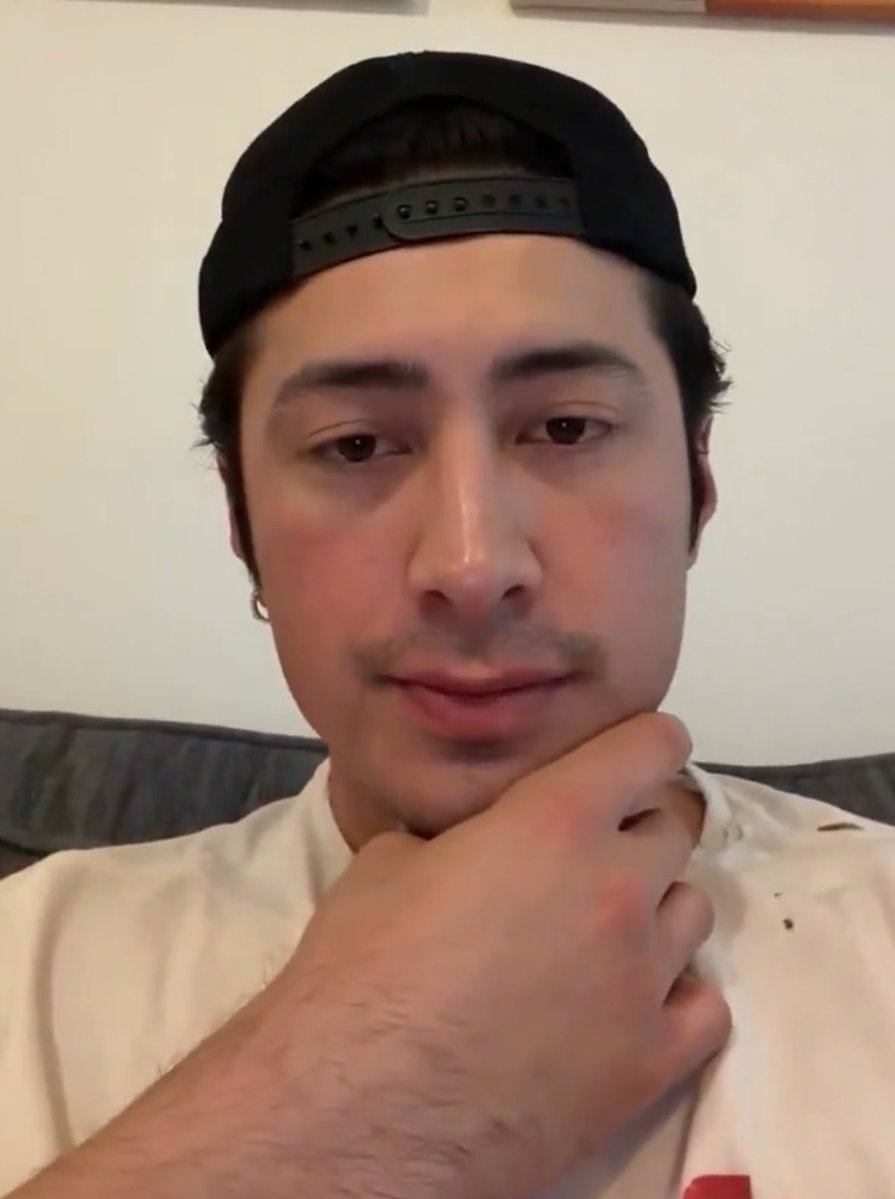

And why Connor is glorified. A white man will garner more magazine covers and not be a part of the same discourse. Even Rachel and Jacob glorify Connor, and give Hudson shit. At the recent bookcon they even said that Connor was "eloquent and lovely" and reduced Hudson to "Who?" and needed to "interpret" Hudson's question" and Rachel reduced Hudson basically to "Duh" and "chaos." From the WRITER and the SHOWRUNNER.
Listen, I don't deny Connor's talent, but egads, don't reduced Hudson's. Just because his lines weren't in Russian (and FYI, Connor didn't learn Russian, he copied what he was taught for his lines only. (though Shane is supposed to learn Russian in TLG, who wants to bet they'll leave that part out?)
Sighs.
English

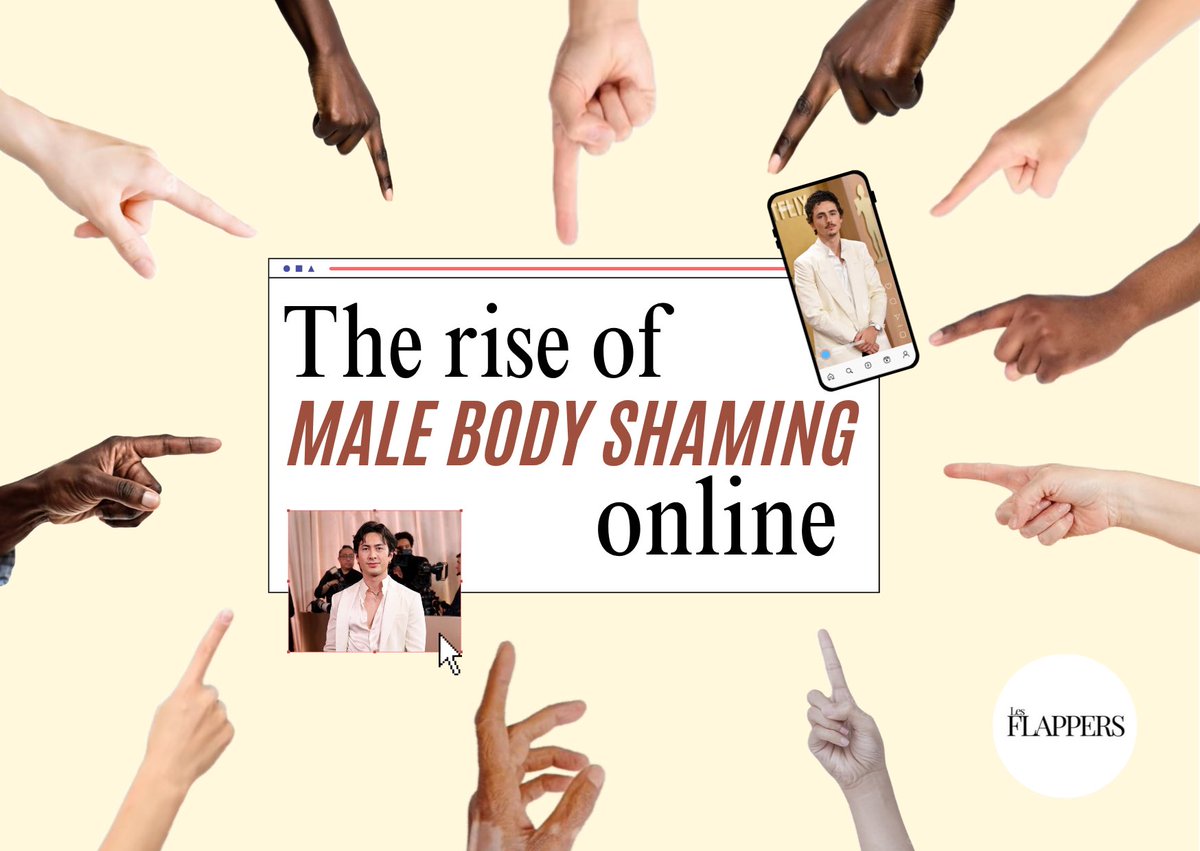
"Hudson forma parte de una nueva generación de actores que son de minorías (...) Acusaciones de todo tipo, dudas sobre su talento. Surgen comparaciones y jerarquías, como si su apariencia necesitara ser validada para justificar su lugar." Hollywood y el nuevo objetivo: cuando los cuerpos de los actores se convierten en espectáculo. Artículo por Les Flappers.
Traducción:
En los últimos días, ha surgido un fenómeno imposible de ignorar: la forma en que ciertos actores se han convertido en objetivos en internet, no por sus interpretaciones, ni por sus decisiones de carrera. Sino por sus rostros, sus cuerpos y lo que se percibe que representan.
El caso de Hudson Williams resulta revelador (...) El rápido ascenso en popularidad lo llevó al centro de atención, pero también, muy pronto, a una ola de críticas que va mucho más allá de la evaluación artística.
Lo que está ocurriendo aquí va incluso más lejos. Hudson forma parte de una nueva generación de actores provenientes de minorías que ya no están confinados a papeles secundarios o estereotipados. Encarna un tipo de presencia distinta: visible, central, que cruza ciertos límites, ya sean culturales, estéticos o geográficos. Y esta mayor visibilidad, más global en alcance, también parece provocar reacciones más intensas.
Esto resulta aún más significativo porque este tipo de representación sigue contrastando con estándares establecidos desde hace mucho tiempo. Durante años, las figuras situadas en el centro de atención han tendido a cumplir expectativas muy específicas, a menudo homogéneas, predominantemente blancas y moldeadas por una norma restringida. Aquí confluyen varios elementos: un romance queer, una identidad cultural marcada, un origen distinto que irrumpe en un espacio mediático global. Esta combinación refuerza la visibilidad, pero también, evidentemente, la expone más a la crítica.
Acusaciones de todo tipo, dudas sobre su talento, pero sobre todo, una fijación en su apariencia. En redes sociales, publicaciones que reúnen miles de “me gusta” se centran en su rostro, sus rasgos, su aspecto general. Algunas van más allá, derivando en ataques vinculados a sus orígenes, incluyendo el uso de insultos en la lengua materna de su madre, el coreano. Lo que está en juego aquí supera la simple crítica: es una forma de reducirlo, de situarlo en la alteridad, como si esta visibilidad resultara perturbadora precisamente porque se aparta de lo esperado.
Más recientemente, Hudson Williams también apareció en una campaña publicitaria de la marca de equipos de fitness Peloton. Esta aparición desencadenó igualmente una ola de reacciones particularmente duras en línea. Las críticas no se limitaron a la campaña en sí, sino que rápidamente derivaron en comentarios marcados por un alto grado de crueldad, e incluso vulgaridad, dirigidos directamente a su apariencia y a su imagen pública.
Pero, una vez más, no es su trabajo lo que se discute. Su cuerpo es diseccionado, descrito como demasiado delgado, como algo que no se ajusta a cierta idea de cómo se supone que debe lucir un actor, o incluso un hombre. Surgen comparaciones, se establecen jerarquías implícitas, como si su apariencia necesitara ser validada para justificar su lugar.
Lo que ocurre aquí no es insignificante. Hollywood siempre ha moldeado imágenes, impuesto estándares y construido figuras idealizadas, pero hoy ese control ya no proviene únicamente de los estudios o las revistas. Se ejerce a gran escala en las redes sociales, por un público que comenta, juzga y amplifica.
(...)
No se trata simplemente de admirar o criticar una actuación. Se trata de decidir si un rostro es aceptable, si un cuerpo encaja en una expectativa, si una presencia en pantalla es digna. En este contexto, ciertos perfiles se convierten en objetivos evidentes: quienes no encajan en una norma rígida, quienes no se alinean con una visión tradicional o quienes encarnan algo distinto.
El problema no es solo la existencia de estas críticas, sino su normalización. Circulan libremente, reciben aprobación, se comparten, se repiten. Adoptan la forma de un discurso aceptable y poco a poco, redefinen lo que el público cree que está permitido decir. Lo que se está desarrollando hoy supera el caso individual de unos pocos actores: es un cambio en la forma en que se perciben las figuras masculinas en Hollywood.
Al mismo tiempo, esta dinámica se cruza con cuestiones más profundas de representación, especialmente cuando se trata de personas de orígenes minoritarios que acceden a espacios donde históricamente han estado subrepresentadas. En ambos casos, ya sea que el detonante sea trivial o estructural, la respuesta suele revelar el mismo mecanismo: la visibilidad pública transformándose en escrutinio público. Una mirada más dura, más intrusiva. Y, sobre todo, cada vez más legitimada.
🔗lesflappers.substack.com/p/hollywood-an…

Español


@perfectlyfine89 You know, I know Madonna had surgery on her face, though I think she lightened on the fillers, but the rocking body she's worked on her whole professional career, though maybe she had knee surgery as she used to have problems with it. She looks great and I was glad to see her!
English

I can’t get over how insane Sabrina’s live vocals are. This performance is going down in history x.com/MadonnaRecords…
English
@WorkElizab Opening exercises: The Lord's Prayer (I went to a public school). Singing God Save the Queen (while turned to the back of the room where we had a portrait of her). Finally, (facing the front to where we had a stand with the Canadian flag on it) singing Oh Canada.
English


@WorkElizab I was young, yet I watched it because my mom did and we had only one TV upstairs, and I wasn't allowed to use my dad's TV downstairs.
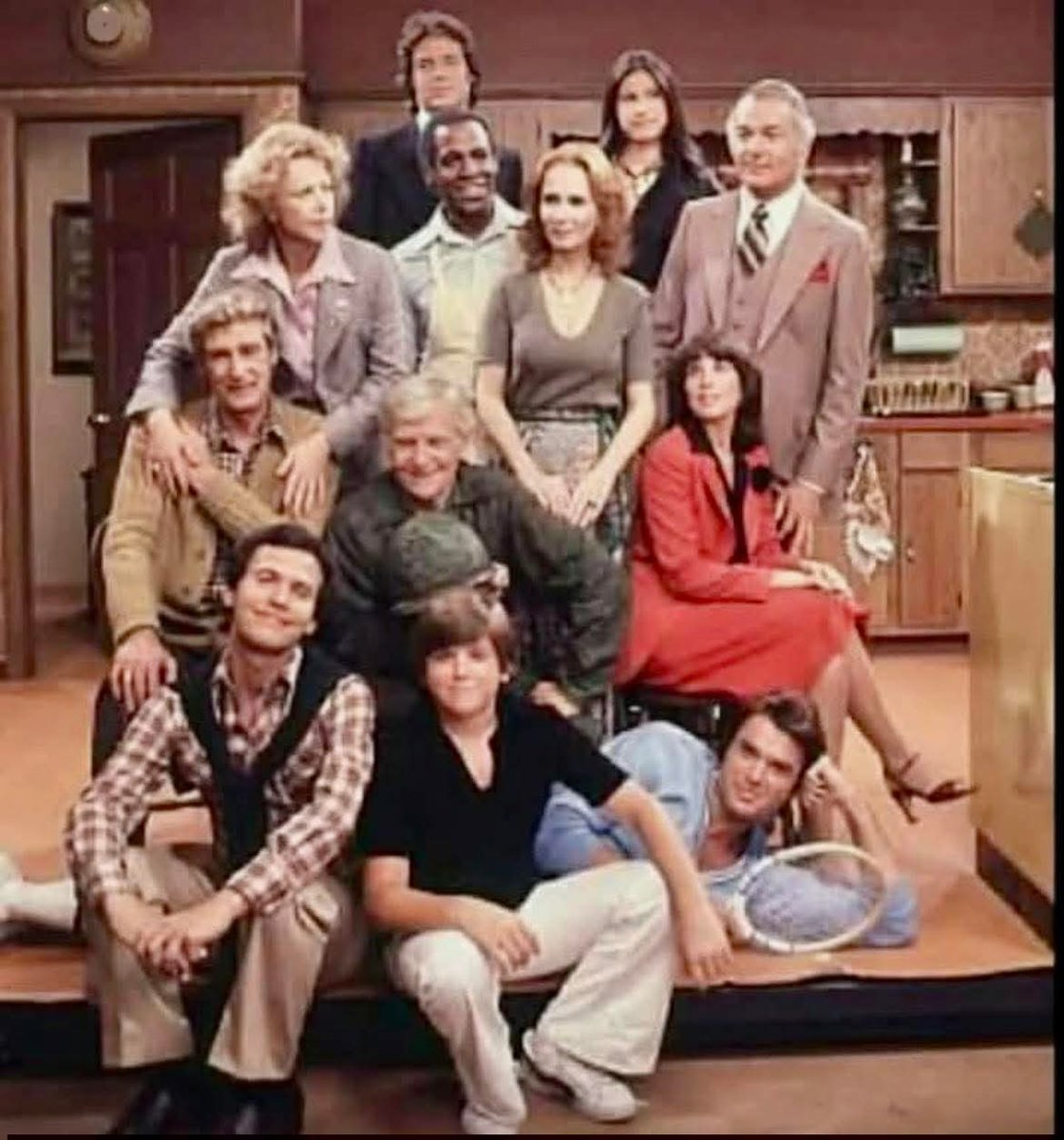
Billy Crystal was so good, I thought the actor was gay.
English
@Auserasenturix @SusanneAydinlik @DoctorLemma Also, they were in abject poverty in India. Their mother worked sunup to sundown breaking big rocks to smaller rocks for building more expensive housing and businesses, something her and her children would never see. They lived in a hut with no door and barely a roof.
English

@SusanneAydinlik @trippy41 @DoctorLemma You were very lucky that nothing happened to you. In the culture I grew up in, if you didn't want anything to happen to your children, you could let them play outside—but you were always keeping an eye on them.
English

In 1986, a five-year-old boy in India fell asleep on a bench at a train station while waiting for his older brother to come back. His brother never returned.
The boy wandered onto an empty train carriage, thinking his brother might be inside. He fell asleep again. When he woke up, the doors were locked and the train was moving. It didn’t stop for nearly two days. When it finally did, he was in Kolkata, nearly 1,500 kilometres from home. He was too young to know his surname, couldn’t read, and had no idea what his hometown was called.
He survived alone on the streets for weeks, sleeping under station benches and scavenging scraps of food, before eventually being taken to an orphanage and declared a lost child. No one could trace where he came from.
He was adopted by a couple from Tasmania, Australia, who gave him a loving home and a new life. His name became Saroo Brierley. He grew up on the other side of the world.
But he never forgot. He held onto fragments: the image of a bridge near a train station, a water tower, a neighbourhood layout, the faces of his family.
In his mid-twenties, he discovered Google Earth. He calculated the rough distance the train could have covered based on how long he remembered being on it, drew a circle on a map around Kolkata, and began searching along every railway line within that radius. Some weeks he spent 30 hours scanning satellite images of towns across central India, looking for landmarks that matched his childhood memories. His family in Australia didn’t even know. They thought he was just browsing the internet.
In 2011, after years of searching, he found it. A water tower. A bridge. A ravine past a station. It was a neighbourhood called Ganesh Talai in the city of Khandwa. He zoomed in and recognised the streets he had walked as a small boy.
He flew to India and walked through the town until he found his family’s home. The door was chained shut and he feared the worst. Then people came out. One of them led him to a woman down the road.
It was his mother. She had never stopped looking for him. After 25 years, they were standing in front of each other.
What he didn’t know until that moment was that his brother Guddu, the one he’d been waiting for at the station that night, had been struck and killed by a train. His mother had spent 25 years searching for both sons. She learned what happened to one. She never stopped praying for the other.
His story became the book “A Long Way Home” and was adapted into the film “Lion,” which received six Academy Award nominations.

English
@Auserasenturix @SusanneAydinlik @DoctorLemma Saroo's book led to a film called Lion, starring Dev Patel as adult Saroo, and Nicole Kidman as Saroo's adoptive mother.
English
This isn't my story, it's from a book by Saroo Brinderly and how he was lost, eventually adopted and loved, but he always felt lost, especially as he grew to adulthood. He began to search for where he came from to find his family (He didn't know that Guddu died that night) using Google Earth. Eventually he found his mother and his sister, and learned that Guddu died, hit by a train.
English
His brother did. Plus, Guddu would sneak out at night, and Saroo begged to go with him, but he got sleepy, so Guddo left him on a bench and would return for him after he tried to get as much as he could from the trains. Guddu was hit by a train and died, so he never made it back for Saroo. Saroo woke up, and went looking on the trains for him, but he stayed on the train too long and it started to leave. The train he was stuck on was a direct train with no stops going to Calcutta. No one spoke his dialect .
English
@trippy41 @DoctorLemma Thanks for responding. I understand that they were very poor, but that doesn't explain why his mother wasn't with him; you don't leave a five-year-old child alone.
English
@Auserasenturix @DoctorLemma He wanted to be at the trains with Guddu, his older brother. They were in abject poverty, so Guddo would work the trains when they parked at the station. He'd sneak in and see if some had left food or coins behind.
English
@DoctorLemma Did he escape from home? Why a 5 years old was waiting alone at the train station?
English