

Run
228 posts
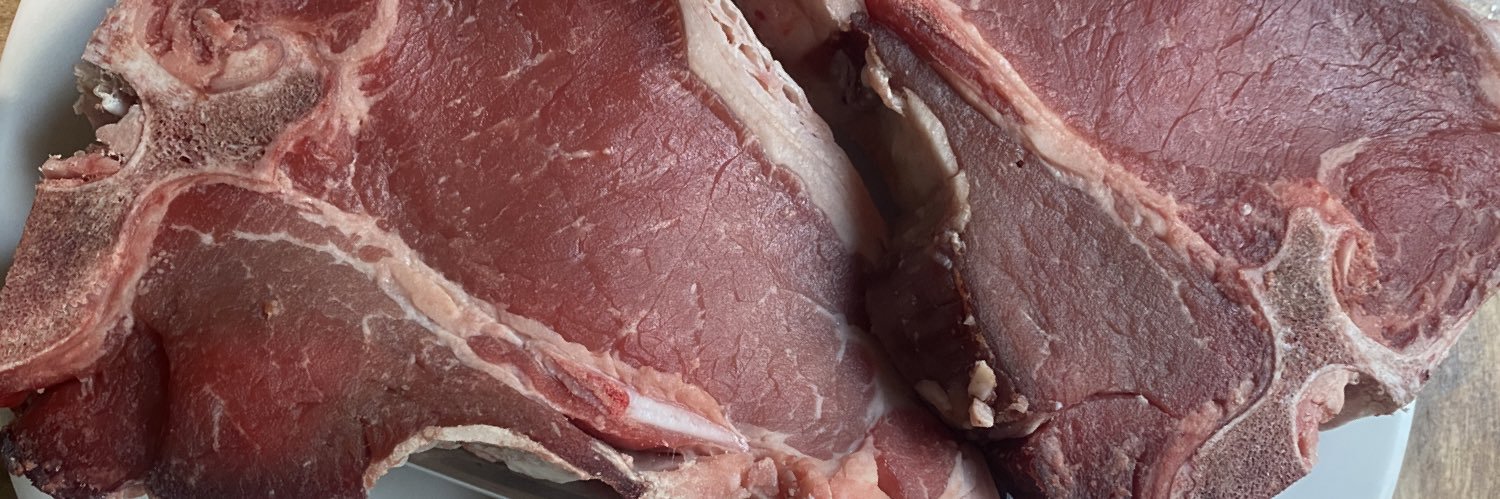

Thanks @tryintotrayd 🙏
Maybe this one from Alex. where he coined the "Couzens Immortality Quotient" - which I still kinda love 😊
outsideonline.com/health/trainin…
An extra 1 hour... per month, per year.
That's all it takes to mitigate age decline.
A simple mission that helps me keep all of the other "fancy stuff" in perspective.
Run@tryintotrayd
@Alan_Couzens Aaaah at 49 need, it’s not what I needed to hear (but it is actually). Alan this reminds of an old post where you (I think?) explained the need for increased 🚂ing time as the years go. Not the same subject here but related I suppose. Thanks for sharing so much knowledge.
English
@Alan_Couzens Aaaah at 49 need, it’s not what I needed to hear (but it is actually). Alan this reminds of an old post where you (I think?) explained the need for increased 🚂ing time as the years go. Not the same subject here but related I suppose. Thanks for sharing so much knowledge.
English
Great question from Andrew...
"Do we just respond less to training of any type as we age?"
Sadly, yes...
A 50yo athlete can expect 25-30% less fitness return on a given training load compared to a 25yo.
Interestingly, there is some thought that this is due to lower levels of molecular signaling to a given stimulus over time due to chronic stress - too much "noise"
More on the relationship between training response & age in this #MADcrew forum thread...
forum.madcrew.app/t/changes-in-t…
Andrew Barber 🔰🌐@abarber1
@Alan_Couzens I suspected that might be the case because it’s particularly novel, and I haven’t seen anything like it elsewhere. Is the mechanism that we just respond less to training stimuli of all types as we age? Is it related to mitochondrial (dys)function?
English
@Alan_Couzens You need a line of tshirts, hats and beanies with your most cutting advice plastered front and centre! 👍🙏
For fitness, the cost is time.
COUZ the sooner you accept that,
the sooner you actually improve.
English
There’s a cost to everything.
For fitness, the cost is time.
The sooner you accept that,
the sooner you actually improve.
English

A 2023 study found that exercise intensity, but not volume, was associated with the progression of coronary atherosclerosis (PMID: 36597865)
Very vigorous and high-intensity exercise appears to be more responsible for plaque progression than just low-intensity exercise.
English
Regular exercise reduces the likelihood of plaque accumulation in the arteries
However, many long-term exercisers appear to have coronary artery calcification, indicating atherosclerosis progression
The fascinating thing is that despite the higher plaque, those people still have lower rates of cardiovascular disease events and mortality
Full video youtu.be/S-NKPZSkbXg
Graph: academic.oup.com/eurheartj/adva…

YouTube

English
@mikeoniron “Journal charter applies — reading all prior entries now. Fully up to speed. Here's where we stand as of today, Monday March 23, 2026 — 9 days out from…”.
English

I just wrapped up my current coaching relationship.
Close to 18 months.
I have very mixed feelings about it but it felt like time.
I learnt a lot. Gained a lot.
Gave a lot.
I’m super grateful and now on the next thing.
English
@mikeoniron Claude’s memory is limited & the cheapskate solution I have found is to keep an ongoing log of the conversations in notepad and every three days or so, start a new thread (w/in a project) and drop in the data/protocols. It’s working so far. File size may become an issue.
English
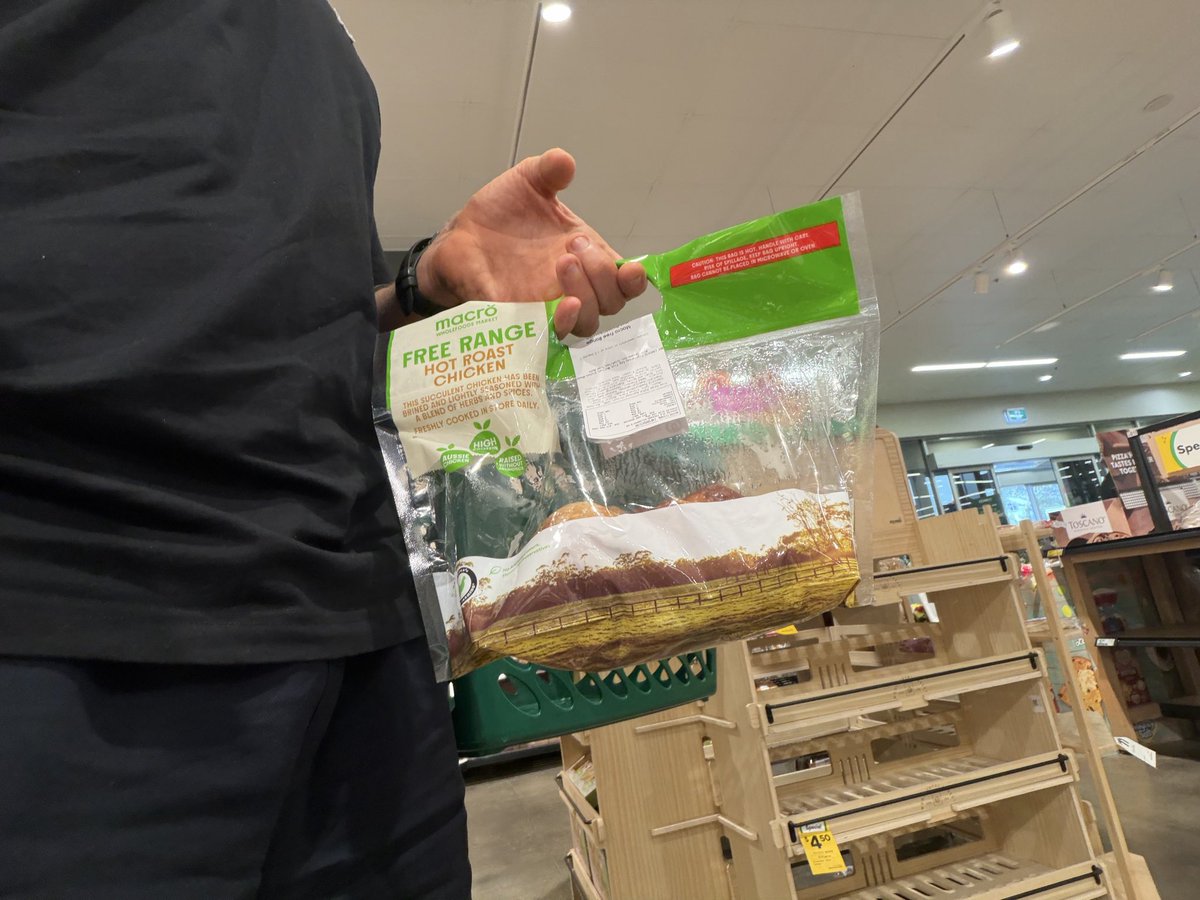

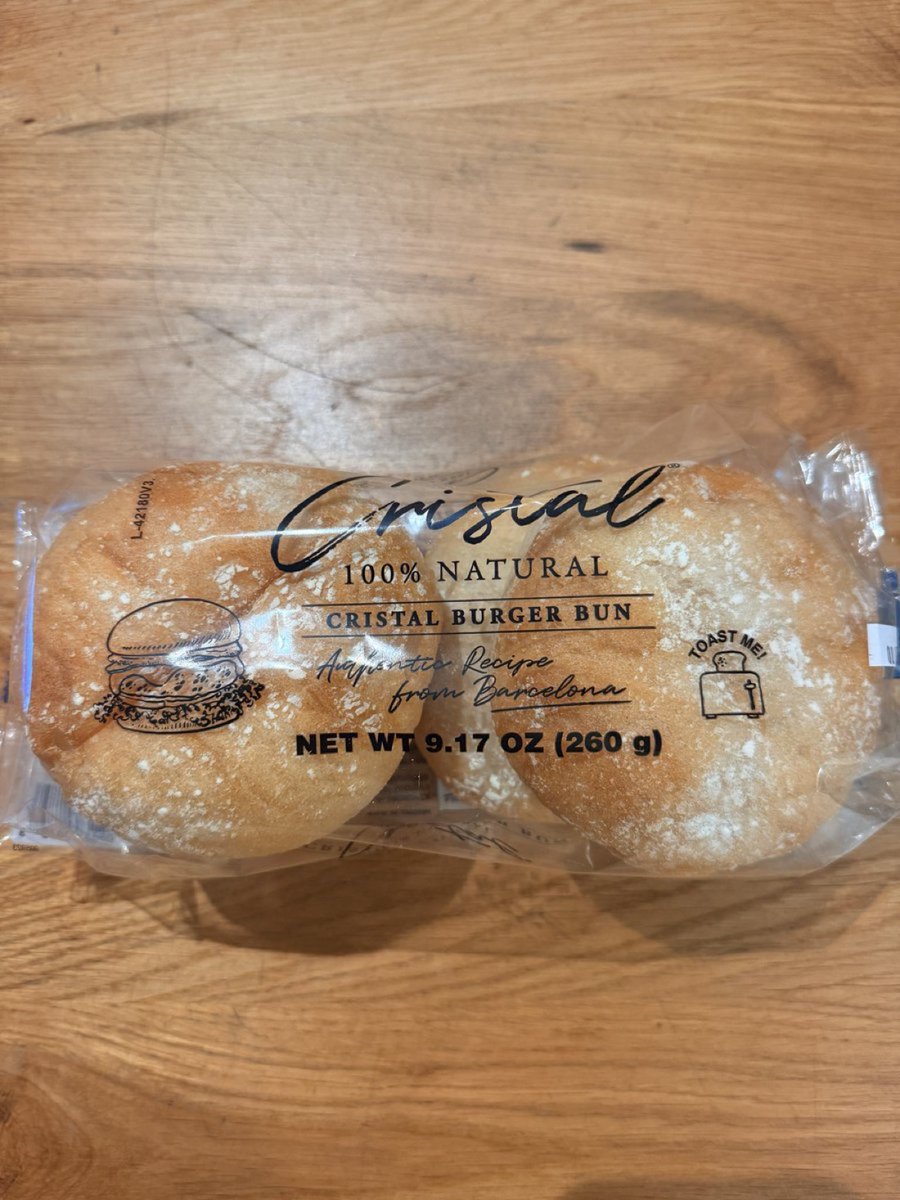
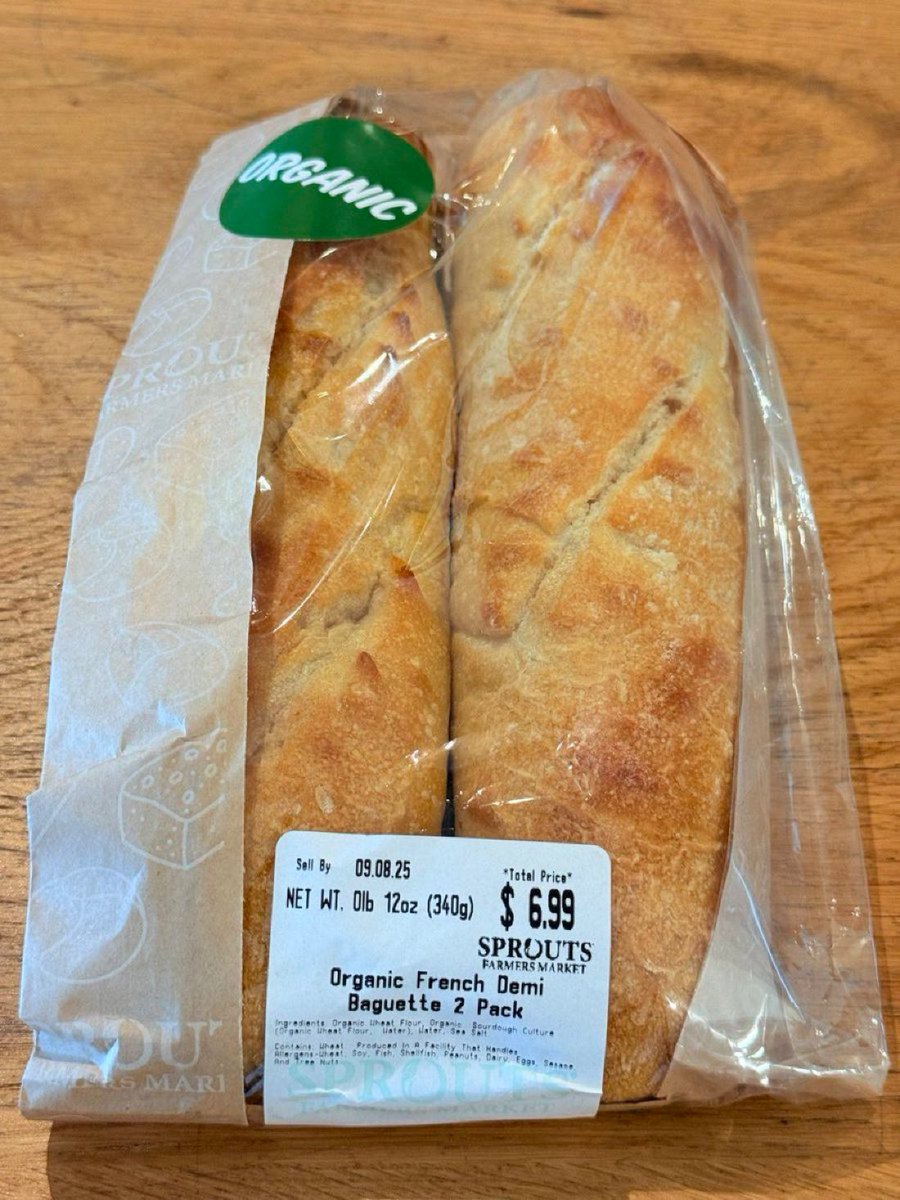
Finding good bread in supermarkets is nearly impossible
These are pretty much the only 2 breads I ever buy in supermarkets; Cristal burger buns and sprouts organic bread
English
@hjluks @ToddPearson12 Please share if you can fellas I’d love to look that over. 49 in 2 weeks!!!
English
Simple looking jump... but it trains many skills we lose as adults.
English
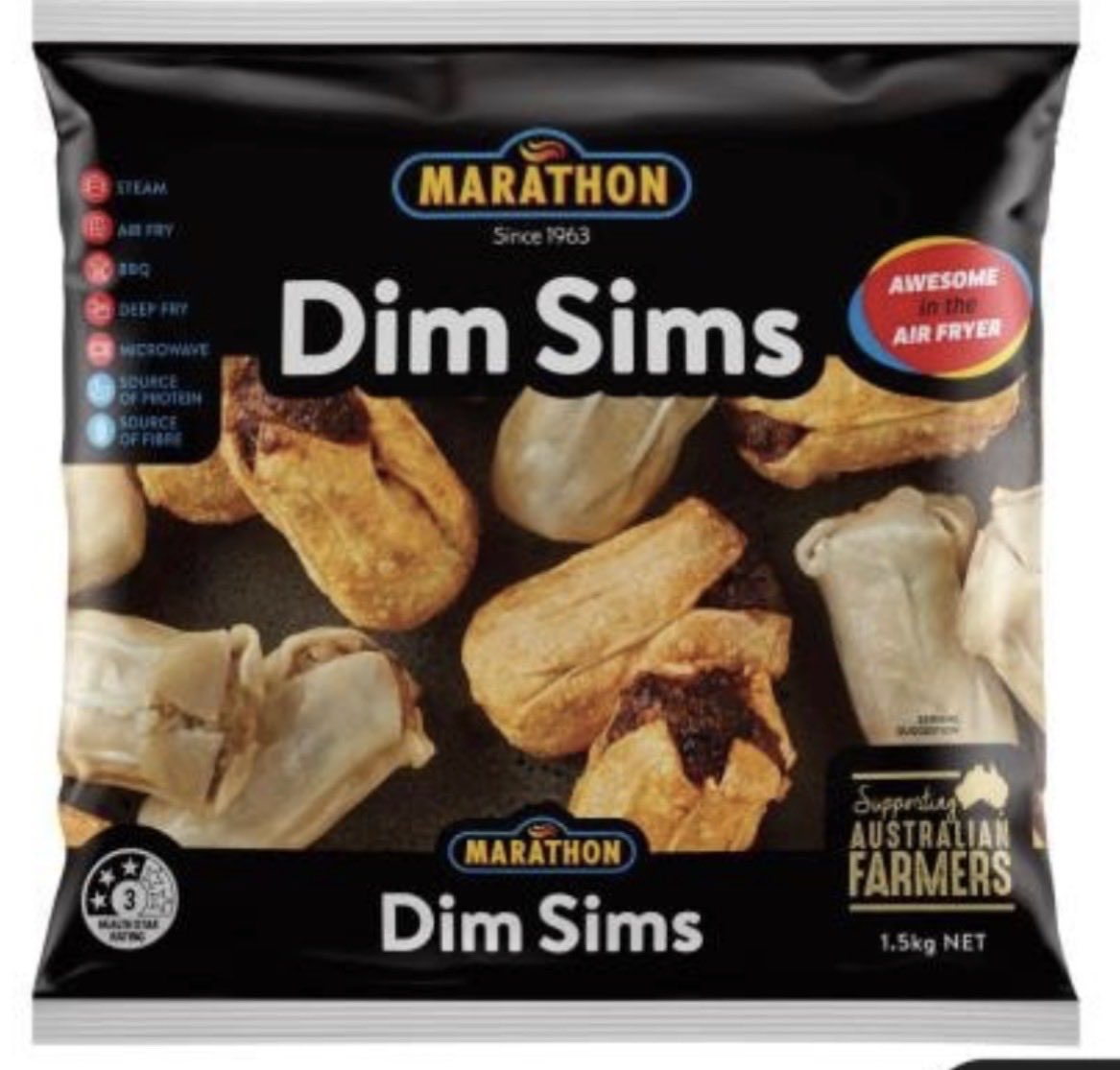
@mikeoniron Yup - move on, well done - don’t make bad day a bad week a worse month etc…happens…I went mad on those little kid sized packs of chips a few weeks back and then raided old birthday party lolly bags 😩…
English
Full disclosure:
Yesterday I blew my diet out.
Rough estimate would be 5000 calories.
Pleasure seeking gluttony.
So today I observe my rule of 2:
- never fuck up twice in a row
I’m also hitting the treadmill and feeling better for it.
The little voice inside my head wanted me to double down on the crap.
Tbh, I slept shit, had some heart burn, felt a little guilt, a dash of disappointment…
But that was yesterday.
I’m accountable for that but had to move on to today.
Sweating it out feels good.
Like I’m recalibrating.
This was a small bump in the road. It’s a long road.
English



@HankFrank @foundmyfitness Yes this exact question please - I cant train in the morning but I can post work. If I’m running etc by 6:15 that’s a great day but dinner won’t happen until at least 8:30pm due to commute etc @Alan_Couzens would tell me to get another job 😅, some will say eat prior 🤢 HELP PLS
English

Curious how this applies to high volume endurance athletes with full time jobs. If you’re training 1-2 hours after work, you’re not done eating until close to bedtime. Is a 30-60 min window before sleep significantly worse than 3 hours? Or does the training volume change the equation?
English

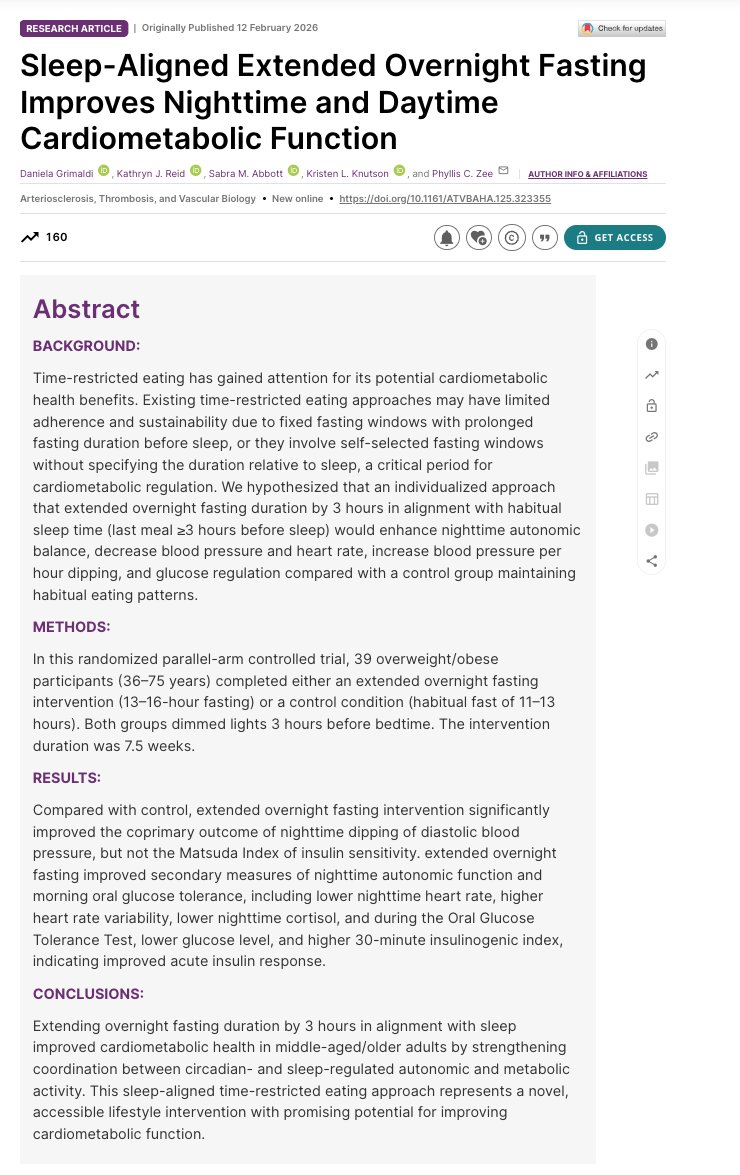
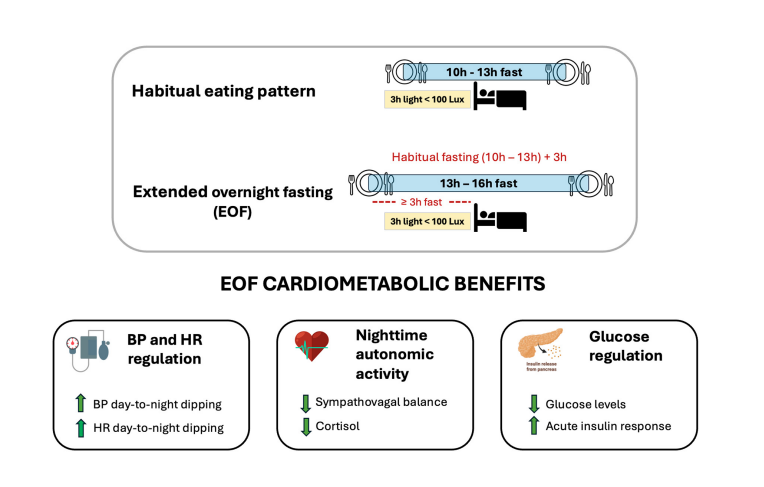
Having your last meal at least 3 hours before bed improves blood pressure, heart health, and even blood glucose regulation.
Participants who stopped eating 3+ hours before sleep (extending their overnight fast to 13-16 hours) improved overnight diastolic blood pressure dipping by 3.5% and overnight heart rate by 5%. They also had a higher (better) HRV, lower cortisol, and improved insulin sensitivity.
That was without changing what or how much they ate!
This is one strategy I've advocated for years, so it's promising to see further support from a controlled study on "sleep-aligned" eating patterns.
What you eat matters. But so does when.
English

I’m about to be running a half marathon+ every weekend for the next 38 weeks.
Like that’s normal. WTF
English
@JohnGoldman Very cool. Been following your journey with Alan and this makes it even more interesting. I’m a runner at heart but also 20 years in Muay Thai. Currently training for 20 rounds for 20 years. 3 minutes of hard sparring 1 minute off - fresh opponent and repeat…base + agility.
English
15 years ago today I won my second Muay Thai WKA National Championship.
And I was “old” then lol
Good times
Every man should learn a combat sport!

English
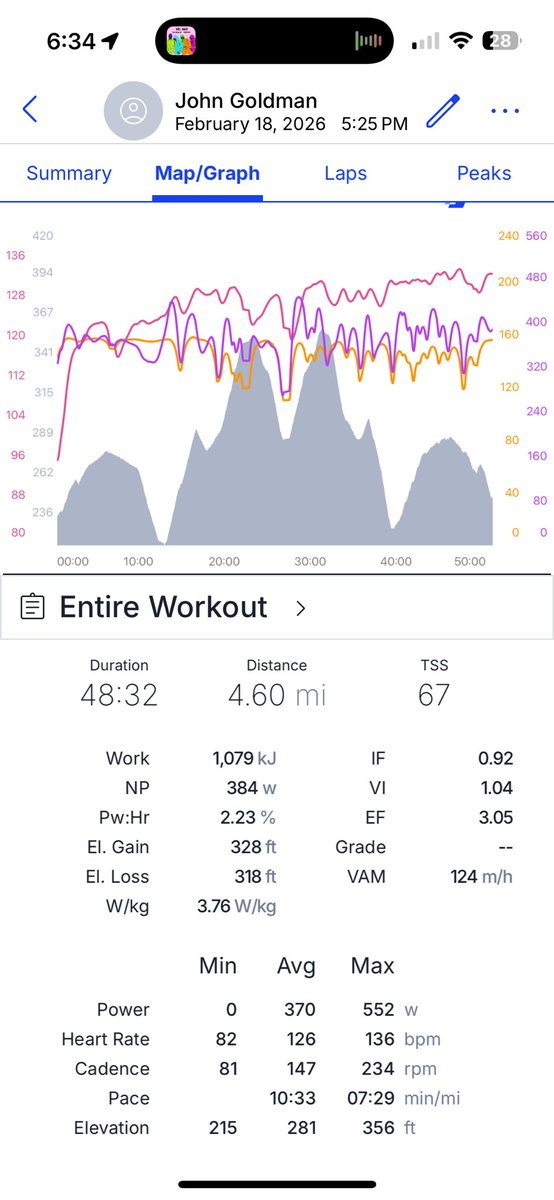
12 mile long run absorbed easily. Lifted today. Easy run. 3.05 efficiency score today highest of the entire project. 10:14 grade adjusted pace at 126 avg HR with 328 feet of elevation over 4.6 miles. Felt freaking awesome.

English