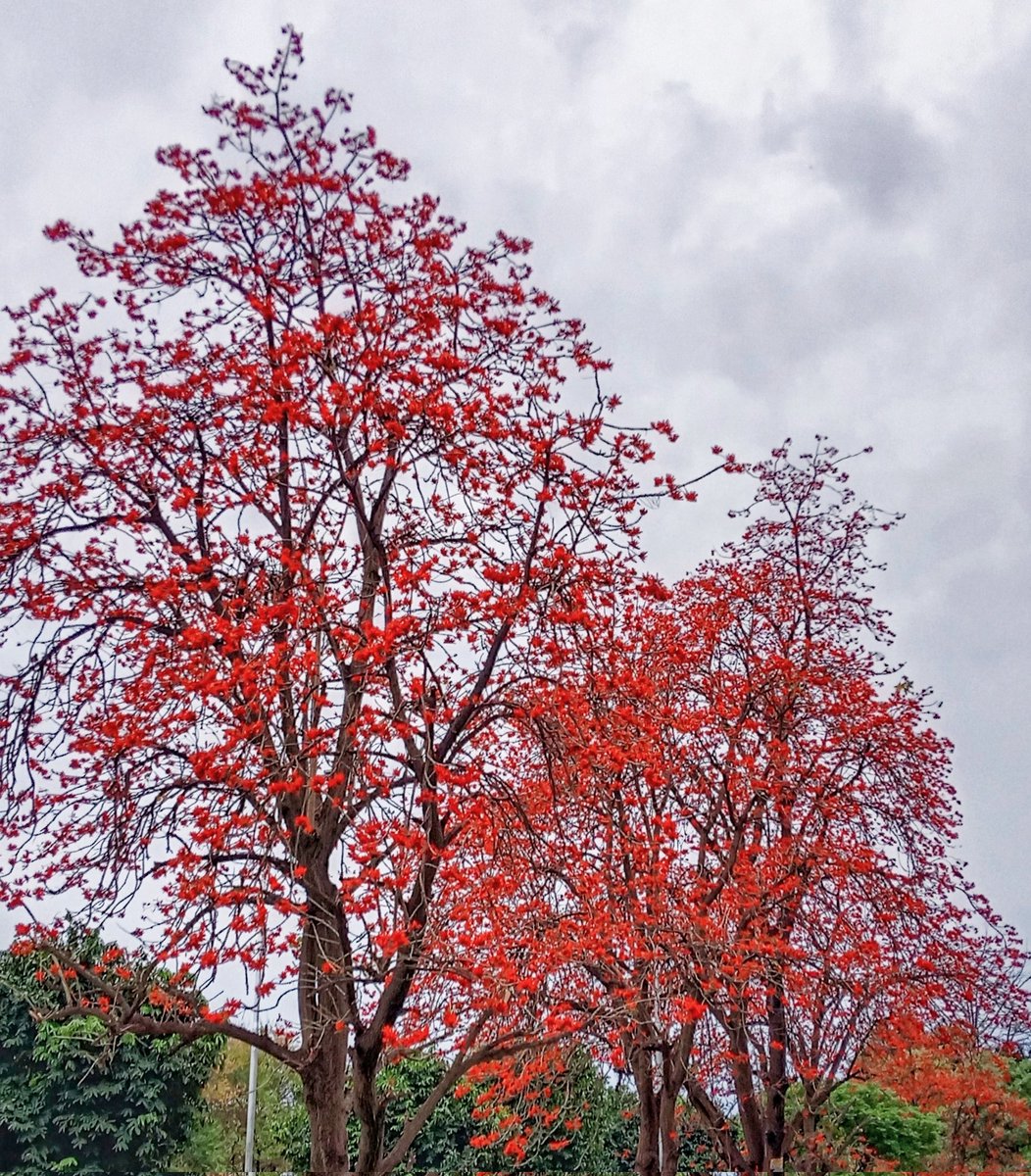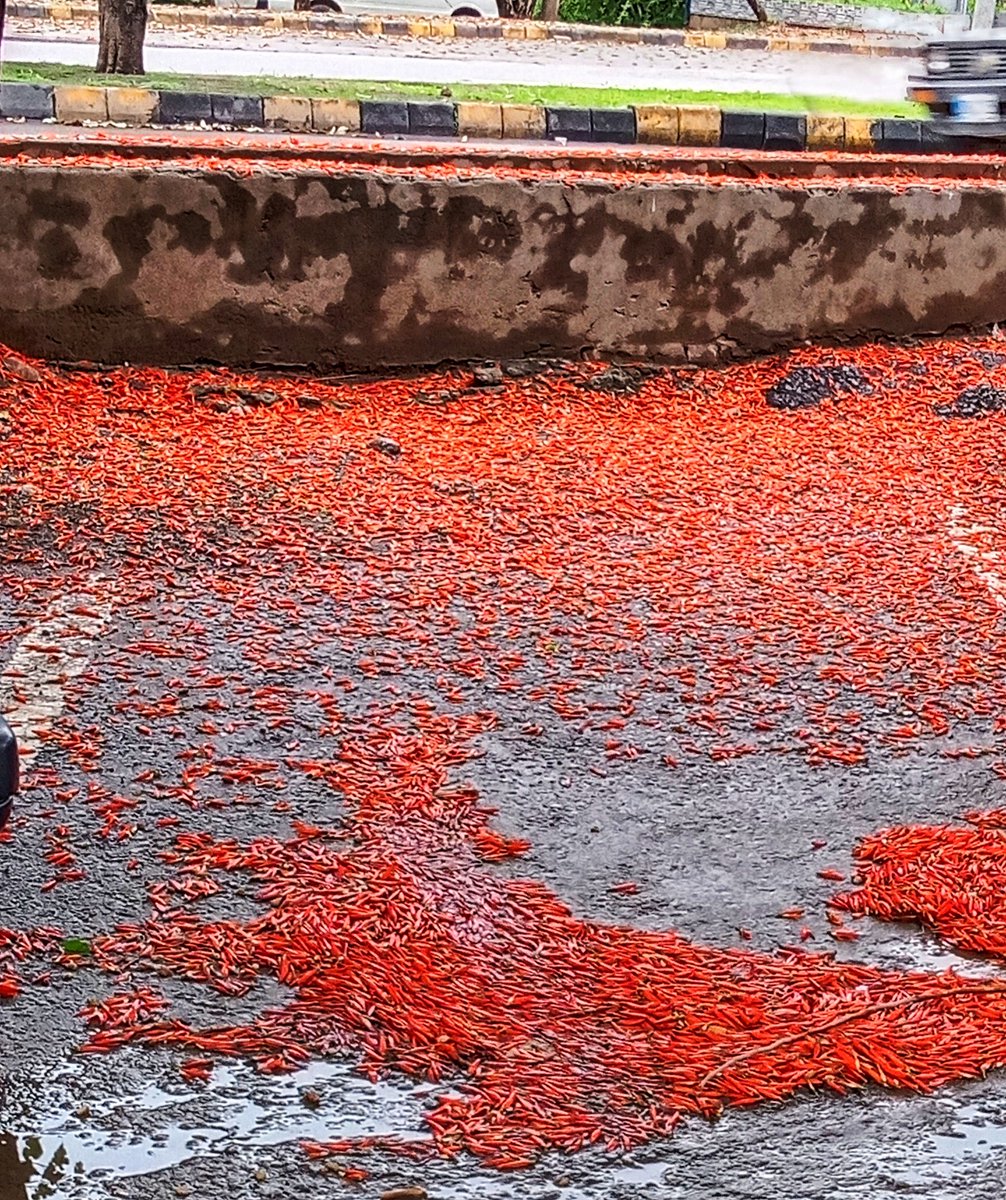
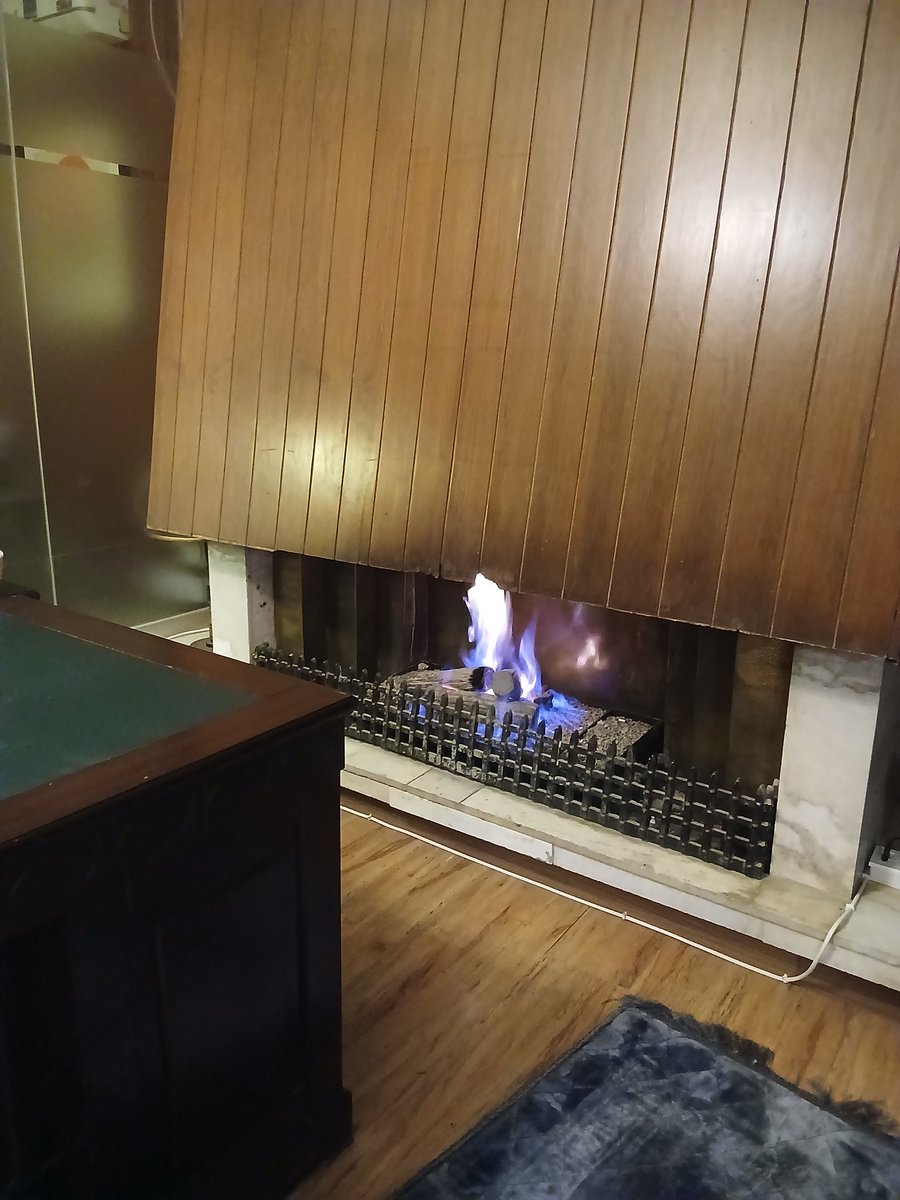
Never thought I'd need to turn on the heater in April.
Yet, here I am!
English
Umer Gilani
7.9K posts
@umerijazgilani
Lawyer. Writer.



Iran's position is being misrepresented by U.S. media. We are deeply grateful to Pakistan for its efforts and have never refused to go to Islamabad. What we care about are the terms of a conclusive and lasting END to the illegal war that is imposed on us. پاکستان زنده باد
JUST IN: You do not fire your Army Chief of Staff in the middle of a war for no reason. You fire him because of what comes next. Pete Hegseth called General Randy George on April 2 and told him to retire immediately. The Pentagon confirmed it within hours. No reason was given. Not publicly. Not privately. A senior Army official told Fox News that Hegseth offered George nothing: no misconduct, no operational failure, no policy disagreement on the record. Just a phone call and a career ending in the middle of the most significant American combat operation in two decades. George is the 24th general or admiral Hegseth has removed. But he is not the 24th. He is the one that matters. The Army Chief of Staff. The man whose signature sits between a president’s intent and the order that sends soldiers across a beach or into a tunnel complex. The 82nd Airborne is deploying right now. Marines from the 31st MEU are staged on the USS Tripoli. JSOC operators are at forward bases in Israel, Jordan, Saudi Arabia, and the UAE. Kharg Island, 90 percent of Iranian oil exports, sits 16 kilometres off a coast that someone will have to decide whether to approach. And the four-star general whose job it was to advise whether that approach should happen was removed 48 hours after Trump told the nation the war would continue for two to three more weeks. The replacement is Vice Chief General Christopher LaNeve. He was Hegseth’s senior military aide before this appointment. The man who carried the Secretary’s briefcase now commands the Army the Secretary is reshaping. The chain of command did not break. It shortened. The distance between a television studio and a combat order just collapsed to zero intermediaries who were not personally selected by the man giving the order. No reason was given. That is the tell. When someone is removed without explanation during a crisis, the explanation is the crisis itself. George either objected to something or was about to. The ground option. The power plant strikes. The Kharg raid. The escalation that turned a highway bridge in Karaj into rubble on the same day he was told to leave. Something in the next two weeks requires a chief who will not push back, and the Pentagon solved that problem by installing one trained as Hegseth’s aide. A former Fox News weekend host just fired a four-star general with combat tours in Iraq and Afghanistan, replaced him with his own former assistant, and did it during a live war in which the next decision could put American soldiers on Iranian soil for the first time in history. No hearing was held. No misconduct cited. The Army woke up on April 3 with a new chief it did not choose, in a war it did not start, preparing for a phase the previous chief apparently could not be trusted to execute. The question is not why George was fired. Every general in the building knows why. The question is what order is coming in the next fourteen days that required removing the one man in the chain of command who might have said no. The war has no perimeter. The chain of command has no objectors. And the next phase has no one left to stop it. open.substack.com/pub/shanakaans…
I believe that Britain has to be far more muscular in standing up for our Christian identity - just as Islamic countries protect their own way of life. Don’t apologise, or appease, or compromise. This is our country, and we will do things our way. Don’t like it? Leave.
The samosa is one of the most eaten street foods on the planet.... The manuscript is called the Ni'matnama, sometimes translated as the Book of Delights, and it was written between 1501 and 1510 for the Sultan of Mandu, a medieval sultanate in central India. It is not just a cookbook. It is an illustrated record of royal pleasures, covering recipes for sherbet, betel preparations, perfumes, and food across dozens of dishes. After the fall of Mandu to the Mughal Emperor Akbar in 1562 the manuscript passed to the Adil Shahi Sultanate of Bijapur, then into the hands of Tipu Sultan of Mysore, and finally after the British stormed Srirangapatnam in 1799 it was taken to England, where it now sits in the collections of the British Museum, translated into English by scholar Nora Titley. The samosa recipe inside it reads as follows. "Mix together well-cooked mince with the same amount of minced onion and chopped dried ginger, a quarter of those, and half a measure of ground garlic, and having ground three measures of saffron in rosewater, mix it with the mince together with aubergine pulp. Stuff the samosas and fry them in ghee." The manuscript then adds, with what feels like genuine enthusiasm across five centuries, that whether made from thin coarse flour bread or from fine flour bread or from uncooked dough, any of the three can be used for cooking samosas, and they are delicious. A 500-year-old recipe with a 500-year-old review attached. The filling is not what you would expect from a modern samosa. Saffron ground in rosewater, aubergine pulp, mince, and garlic, fried in ghee. It is richer, more perfumed, and more obviously courtly than the street food version the world knows today. I am recreating it next week, and I cannot wait to show you what a royal Mughal samosa actually tasted like. Stay tuned! © Eats History #archaeohistories

Not all heroes wear capes Siddique is forest labourer who lives next to Chir jungle with a small terraced field as his sole livelihood His wheat crop is ready but jungle peacocks daily party on tender crop. He never stops them & is like صا حب، ا پنے نصیب کا کھا تے ہیں Salute