
Stephan van Vliet

2.8K posts

Stephan van Vliet banner
Stephan van Vliet

Stephan van Vliet

@vanvlietphd

Assistant Professor @ Center for Human Nutrition Studies @USUAggies. Working at the nexus of #agriculture and #human nutrition. Tweets reflect own opinions.

Utah, USA Katılım Ocak 2018
767 Takip Edilen3.4K Takipçiler
Sabitlenmiş Tweet
Stephan van Vliet
Stephan van Vliet@vanvlietphd·
Excited to see our metabolomics analysis of beef and a plant-based alternative is now published. nature.com/articles/s4159… Despite comparable Nutrition Facts panels, we found that important differences exist. A thread summarizing its main findings 👇 1/
English
17
79
270
0
Stephan van Vliet
Stephan van Vliet@vanvlietphd·
@DrAndyGalpin It also amazes me too, though must admit, I am jealous of folks who can do that. Even sleep deprived… impossible for me.
Logan, UT 🇺🇸 English
0
0
5
1K
Andy Galpin, PhD
Andy Galpin, PhD@DrAndyGalpin·
Tell me people aren't grossly sleep deprived when you have a 9:00 am flight and a solid 30% are asleep in the first 10 min....
English
26
10
264
43.7K
Stephan van Vliet
Stephan van Vliet@vanvlietphd·
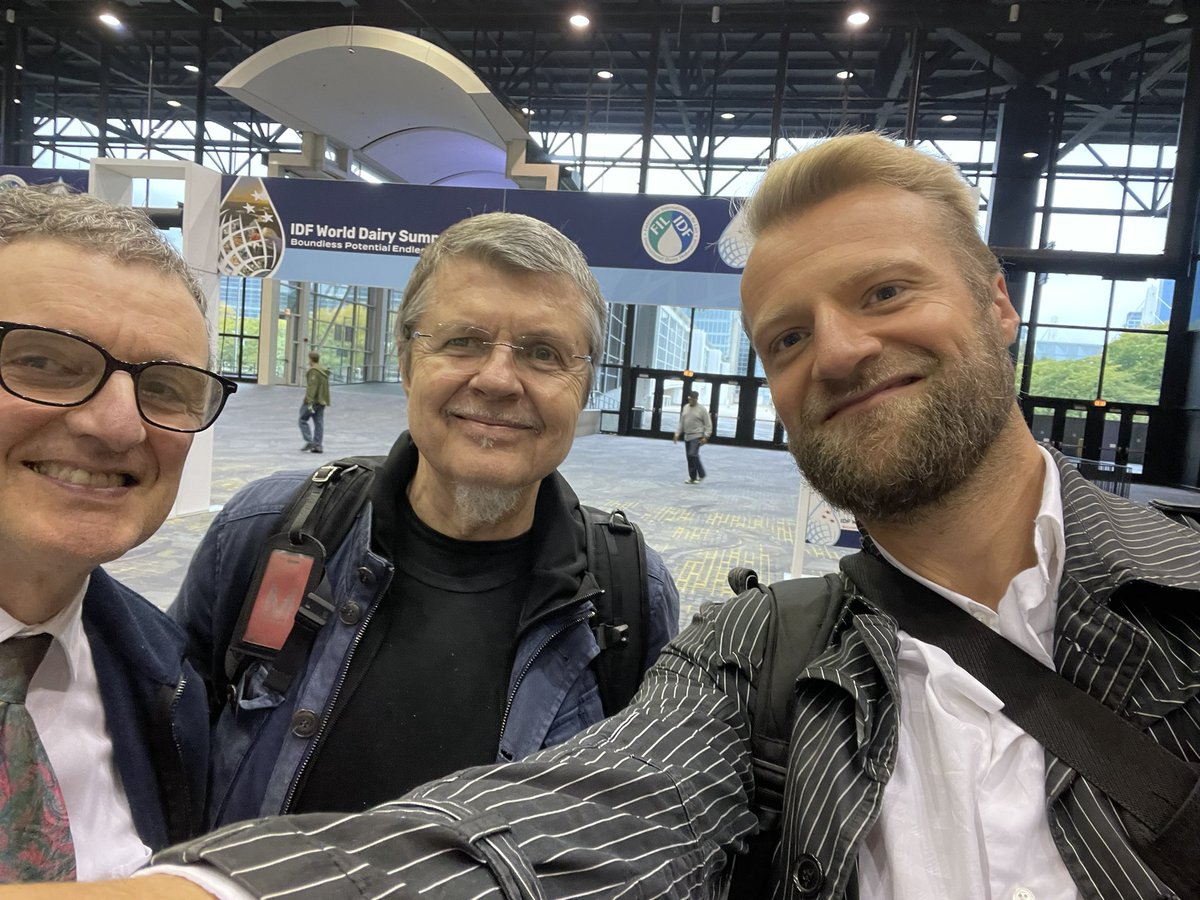
It was a pleasure to serve on the Sustainability and Food Systems Panel with Olivier Jolliet and Adam Drewnowski at the #IDFWDS2023 moderated by @StephanPetersNL. We may not agree on everything, but constructive discussions and disagreements are a vital part of moving science forward! We agreed that the endless plant vs animal protein narrative distracts from real issues and solutions, which is about finding a balance between consumption needs, micronutrient adequacy, affordability and acceptability. And we got to take a picture together😂
Stephan van Vliet tweet media
Chicago, IL 🇺🇸 English
0
1
21
1.5K
Stephan van Vliet
Stephan van Vliet@vanvlietphd·
When animals graze a diverse mixture of plants containing 1000s of phenolics, several of these are metabolized and incorporated in meat, of which we understand very little at the moment. Think of cultured meat as if we as humans would consume a cocktail of amino acid supplements, vitamin/mineral supplements and essential fatty acids. It provides us with essential nutrients to keep us alive, but it doesn’t provide us with the depth of nutrients as eating actual food would give us, which contains 10,000s of compounds. But I am open minded to the idea of cultured meat, it may just not be as complex.
English
0
0
0
18
Brian Sanders
Brian Sanders@FoodLiesOrg·
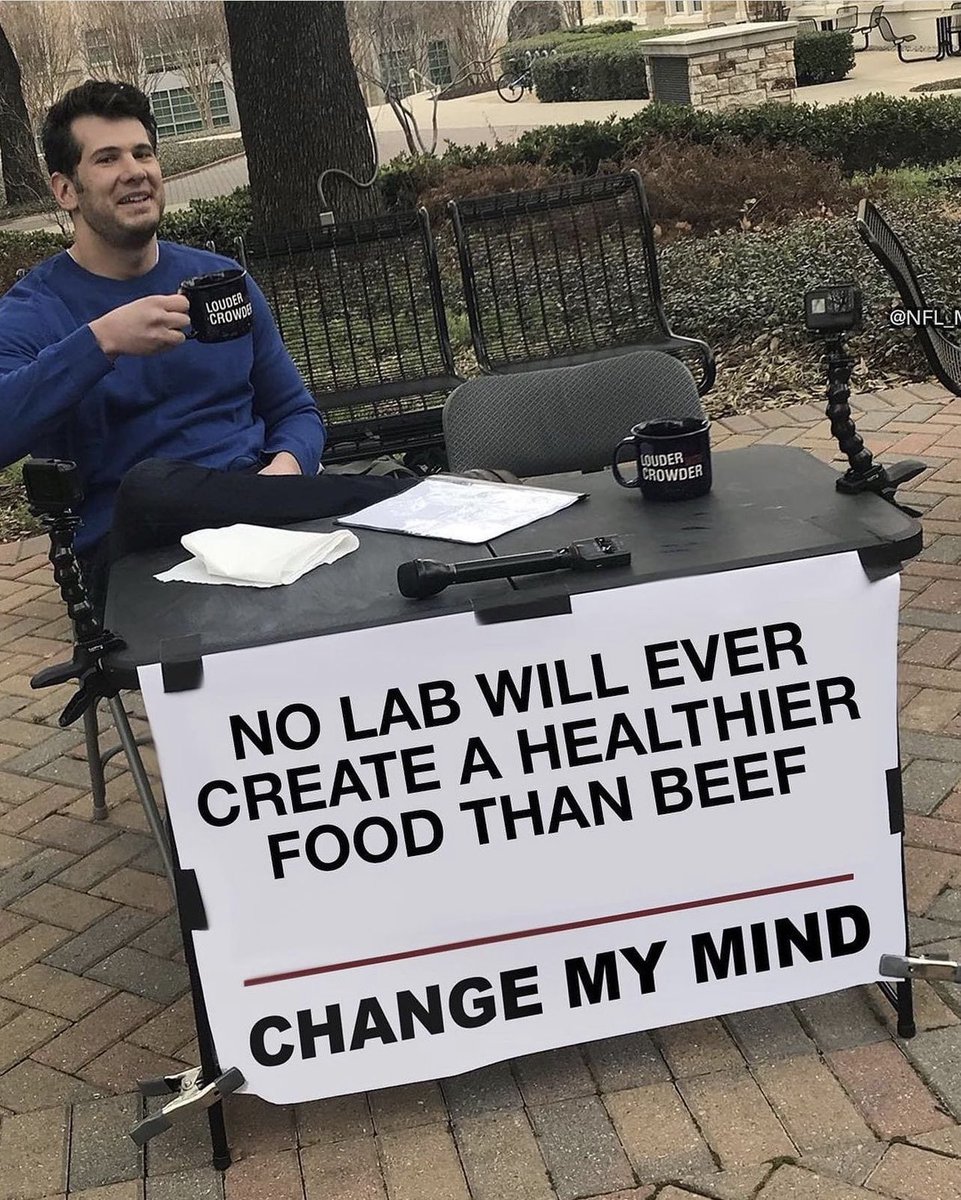
I put this out years ago and nobody has changed my mind yet… Actually the science has only gotten more solid that beef is a supreme health food for humans and imitations are inferior in all ways Worse taste, worse for your health, worse for the environment, even worse looking
Brian Sanders tweet media
English
19
46
354
36K
Stephan van Vliet
Stephan van Vliet@vanvlietphd·
Agree ultra-processed foods is arguably a main determinant here. We see this in our RCTs as well. If you put someone on a whole foods diet, they get a lot healthier pretty quickly and my feeling is that nuances of individual foods become less important (i.e., you do not need to eat almonds, blueberries, or broccoli) to be healthy, you can eat plenty of other fruits/nuts/and vegetables. Heck it seems you can maybe even eat some red meat and be fine😉
English
0
0
3
230
Marit Kolby
Marit Kolby@MaritKolby·
@vanvlietphd IMO, all research into nutrients or food groups and health outcomes should be adjusted for the share of UPF in the diet as a confounding factor, as a high intake is an independent determinant of disease.
English
1
0
4
505
Stephan van Vliet
Stephan van Vliet@vanvlietphd·
This paper nicely illustrates the nuances of epidemiological associations. High processed red meat associated with increased mortality and cancer. Red meat is not, but then fatty fish is associated with higher all cause mortality, which is unusual and perhaps confounding. As with most papers there is a likely explanation for these “unusual findings” cambridge.org/core/journals/…
English
3
5
24
7.4K
Stephan van Vliet
Stephan van Vliet@vanvlietphd·
I agree, there is that type of work in meat to suggest the same thing: meat processed/aged using traditional preparation methods is likely not the same as a sausage that was processed using a bunch of nitrates and other additives to speed up the curing process. pubmed.ncbi.nlm.nih.gov/31525258/
English
0
0
1
270
Stephan van Vliet
Stephan van Vliet@vanvlietphd·
The analysis for fatty fish also included “processed” fish products that contained added sodium, sugar, preservatives etc. As always the matrix as well ad overall diet in which individual foods are consumed matter.
English
0
1
7
899
Stephan van Vliet
Stephan van Vliet@vanvlietphd·
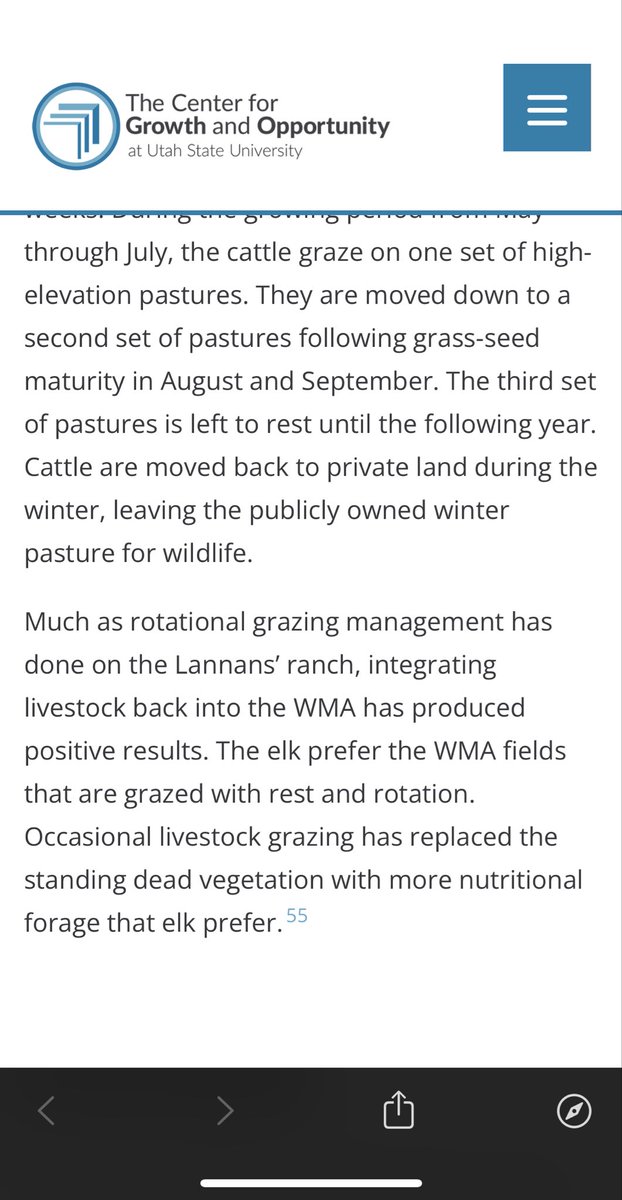
The part about how livestock grazing has been benefiting elk is something I have heard from more farmers up here in Utah and Idaho Studying this is a bit outside of my expertise, but it will be important to figure out how to study this systematically (not that I don’t believe the ranchers, but it will be important for policy making).
Stephan van Vliet tweet media
English
2
1
7
590
REGENETARIANISM מידת האמת
REGENETARIANISM מידת האמת@REGENETARIANISM·
Using ruminants to "rewild" land is a concept many urban folks can't comprehend. Here's a good paper on this subject from Utah State #ucross-ranch" target="_blank" rel="nofollow noopener">thecgo.org/research/metho… Well managed ruminants only occupy a percent or two of the land that they graze at any one time. The rest of this regenerated land is used by wildlife Excerpt: "...Focusing on soil health, in the ways outlined in this paper, can provide an economic return by improving the ecological function of the working ranch. The enhancement of ecosystem services, including increased water and carbon retention in soils and enhanced biodiversity and wildlife habitat, are additional benefits. Working lands are an integral part of America’s ecosystems, and making sure they are profitable not only helps farmers and ranchers, it also protects the many benefits and environmental services they provide every day..." Thus land use statistics can be quite misleading if you don't actually understand how the land is actually being managed. cc. @SBakerMD @MikeGrunwald @MikeCallicrate @SavoryInstitute @AmerGrassfed @vanvlietphd @fleroy1974 @DefendingBeef @tomkat_ranch @GHGGuru @CSUChicoRegenAg
English
1
10
48
5.6K
Stephan van Vliet
Stephan van Vliet@vanvlietphd·
There is actually some caffeic acid in meat and milk too, especially when animals are out on pasture as this compound is ubiquitous in 🌱. As with many phytochemicals, it can have health benefits at moderate doses while being “toxic” at high doses (which are unlikely to be obtained by foods). frontiersin.org/articles/10.33…
Jordan Vidal@dailygroundbeef

AVOID CARROTS It contains Caffeic acid, a natural plant pesticide. Caffeic acid is clastogenic (DNA damage). It’s also full of phytoestrogens. This causes hormonal imbalances, low sperm count and infertility. Anything that can turn you orange, you just shouldn't eat. AVOID.

English
0
1
29
3.8K
Paul
Paul@1paulwhittle·
@vanvlietphd @FlaminiaOrtenzi I love the idea of single foods having such a direct impact on health that they extend or reduce life span by an exact number of minutes. Imagine eating a PBJ 🥪 every half hour being the secret to eternal life!
English
1
0
5
483
Stephan van Vliet
Stephan van Vliet@vanvlietphd·
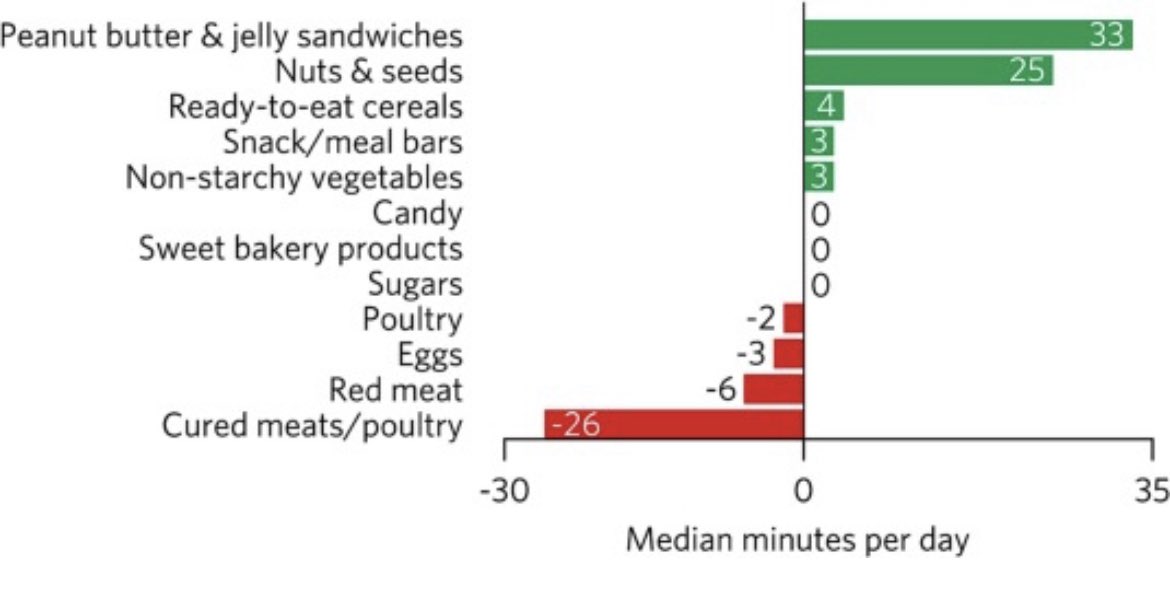
Remember the headlines that eating a hotdog 🌭 takes 36 minutes of your life and that a PBJ 🥪 add 32 min to your life. Our friendly critique of the study is now published👇 Assuming causal outcomes between single foods and health, we think…, is a bit much. What if we eat an hot dog without a bunch of additives (just meat, spices, and casing) as part of a whole foods diet🍓🥕, do we still shave of 36 min? Is a PBJ really healthier than actual nuts and seeds… or are people that eat PBJs just happier?🙋‍♂️ amp.cnn.com/cnn/2021/08/27…
Stephan van Vliet tweet media
English
5
10
46
11.2K
Stephan van Vliet
Stephan van Vliet@vanvlietphd·
An interesting background story on the Turner Ranches is that they were once started as “wild” bison herds with the goal to restore native ecosystems. It was only when the herd grow very quickly and exceeded carrying capacity—leading to overgrazing and potential detriments to other wildlife and plant diversity—that they started to manage the herd and sell some of the animals for meat. Not sure if that data was ever systematically recorded and thus publishable. But that would be an important avenue of study.
English
0
0
0
20
Stephan van Vliet
Stephan van Vliet@vanvlietphd·
Enjoyed visiting several of the Turner Bison Ranches and speaking at their Summer meeting. The biodiversity and birdlife🐦 at the 🦬 ranches is particularly impressive, birds are literally everywhere! Another impressive effort is the accommodation for other wildlife🦌by strategically limiting fencing and gate closures in areas the bison are not grazing at that time #agroecology We are studying is the impact of pasture or pen-finishing (and variations such as free choice 🌽 finishing on pasture) on their🦬 health and meat nutrient density.
English
4
11
71
4.4K
Stephan van Vliet
Stephan van Vliet@vanvlietphd·
One thing to note though, is that there is little division between “wildlife” and agriculture on their ranches. In other words there is plenty of wildlife integrated with the bison (which are managed). This is achieved with mobile fencing and leaving gates open in areas were bison aren’t grazing so that wild herbivores can move fairly unrestricted.
English
0
0
0
21
Stephan van Vliet
Stephan van Vliet@vanvlietphd·
@NicholasDCarter Good question, let me check with the Turner Institute of Ecoagriculture whether they have done any research in that area or are planning to do so.
English
2
0
1
57