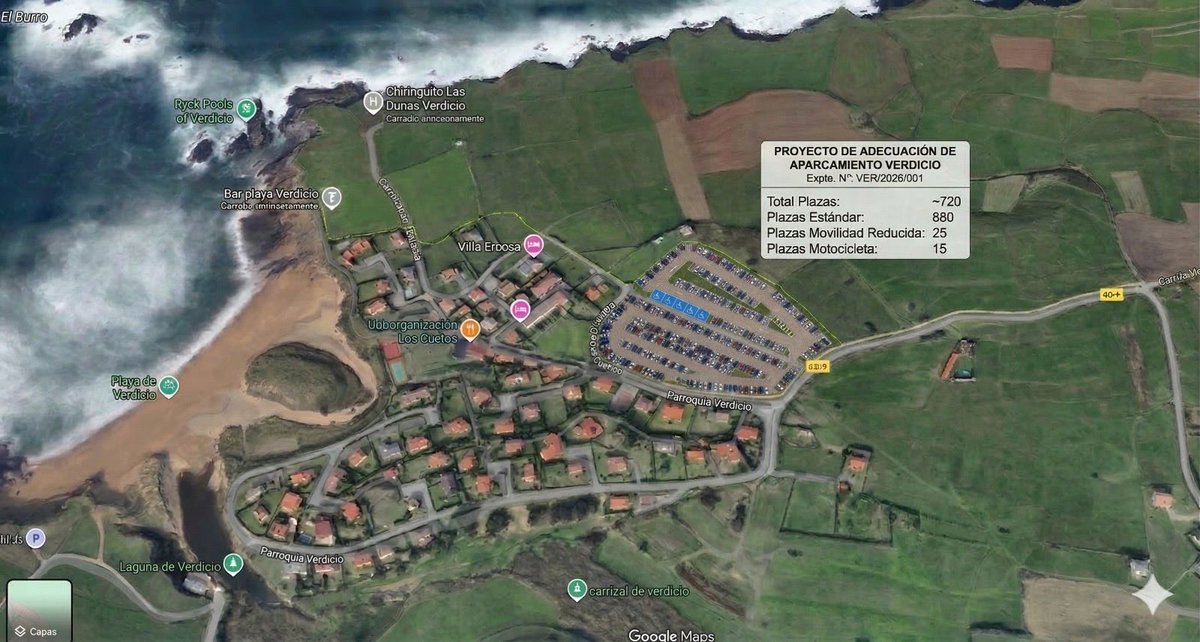
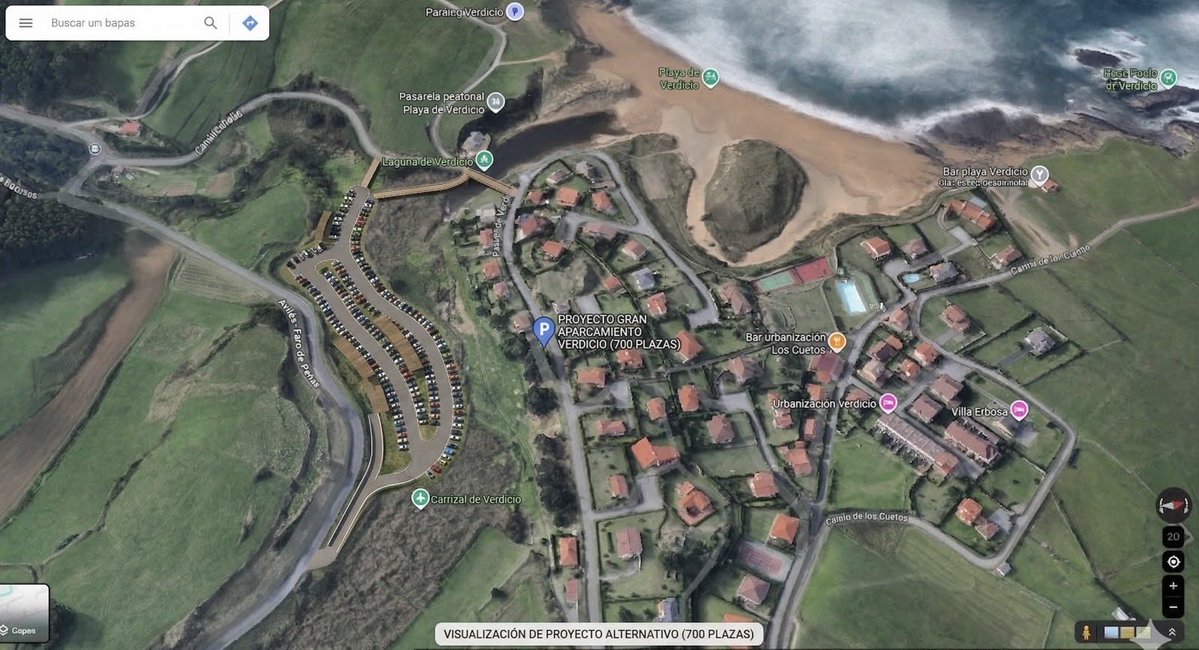
@MemoriasPez Tiene todas acciones enclectrocod q no paras de vender “humo”?? 🤣🤣
Español
Astur
150 posts

✍️ New article: Battery costs have declined by 99% in the last three decades, making electrified transport a reality— Over 20 million electric cars were sold globally in 2025 — some for as little as $10,000. Even just two decades ago, that would have been impossible. The reason it's possible now? Batteries have gotten *much* cheaper. In 1991, lithium-ion battery cells cost around $9,200 per kilowatt-hour. By 2024, that had fallen to just $78 — a decline of more than 99%. You can see this in the chart. To put that in perspective: the battery cells in a standard electric car today cost around $5,000. In 1991, those same cells would have cost nearly $600,000. There was no single breakthrough behind this. Batteries follow a “learning curve”: as cumulative production grows, thousands of small improvements in chemistry, manufacturing, and supply chains drive prices down. Since 1998, every time global cumulative battery production doubled, the price dropped by roughly 19%. Early progress was driven by consumer electronics — phones and laptops — before the technology became viable for cars, buses, and larger energy storage. Energy density has also more than tripled since the 1990s, meaning batteries can now store far more energy for their volume. The half-a-million-dollar battery was never going to transform transport. The $5,000 battery is.
🔴 Cierre de colegios, crisis en el campo y menos crecimiento: así sería la España de 2075 sin inmigración social.elpais.com/110cw3






Ayer se dio finalmente el sorpaso de la fotovoltaica (sin autoconsumo) a la nuclear y esto es definitivo Top 5 Generación España últimos 365 días (sin autoconsumo) 1️⃣Eólica 60.397GWh 2️⃣Fotovoltaica 50.332GWh 3️⃣Nuclear 50.177GWh 4️⃣Ciclo Combinado 46.581GWh 5️⃣Hidráulica 34.673GWh







Carlos Alcaraz es el favorito para ganar el Australian Open con un 74% de probabilidades