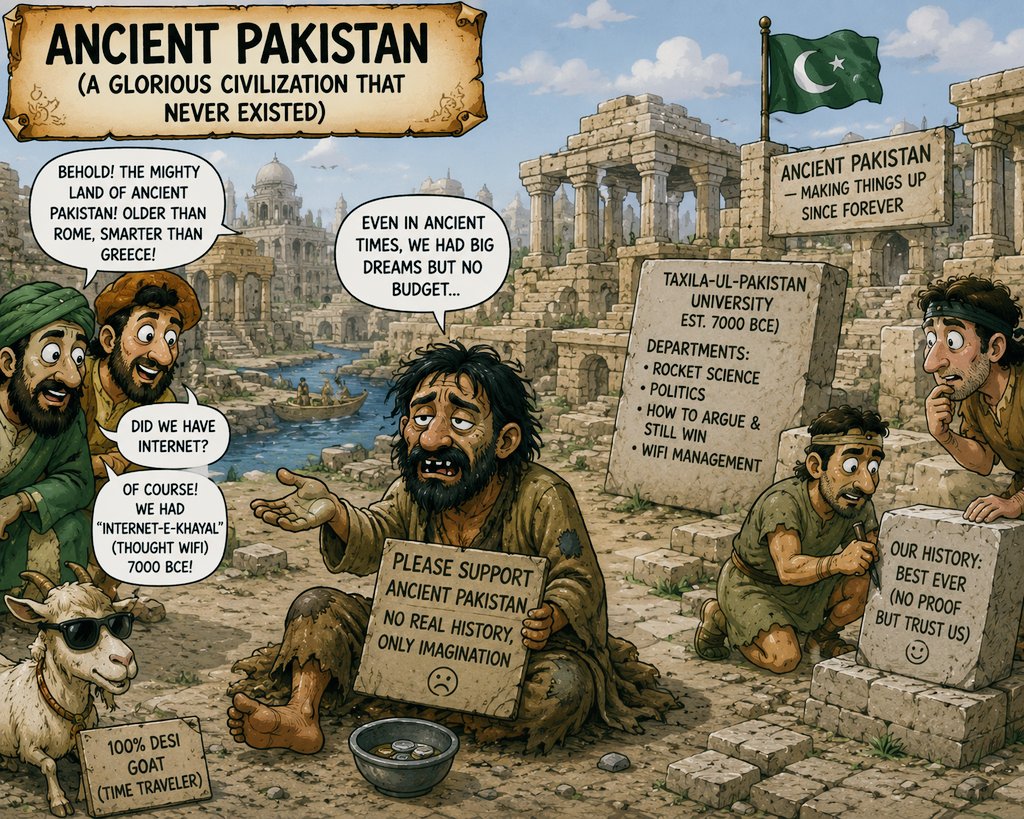
@MDUmairKh Idiot Alert - Lack of Vitamin Education causes these symptoms.. this race is majorly found in confused descendants.. of Ancient Pakistan -A Glorious Civilization that never existed 🤣

English
vipul
836 posts


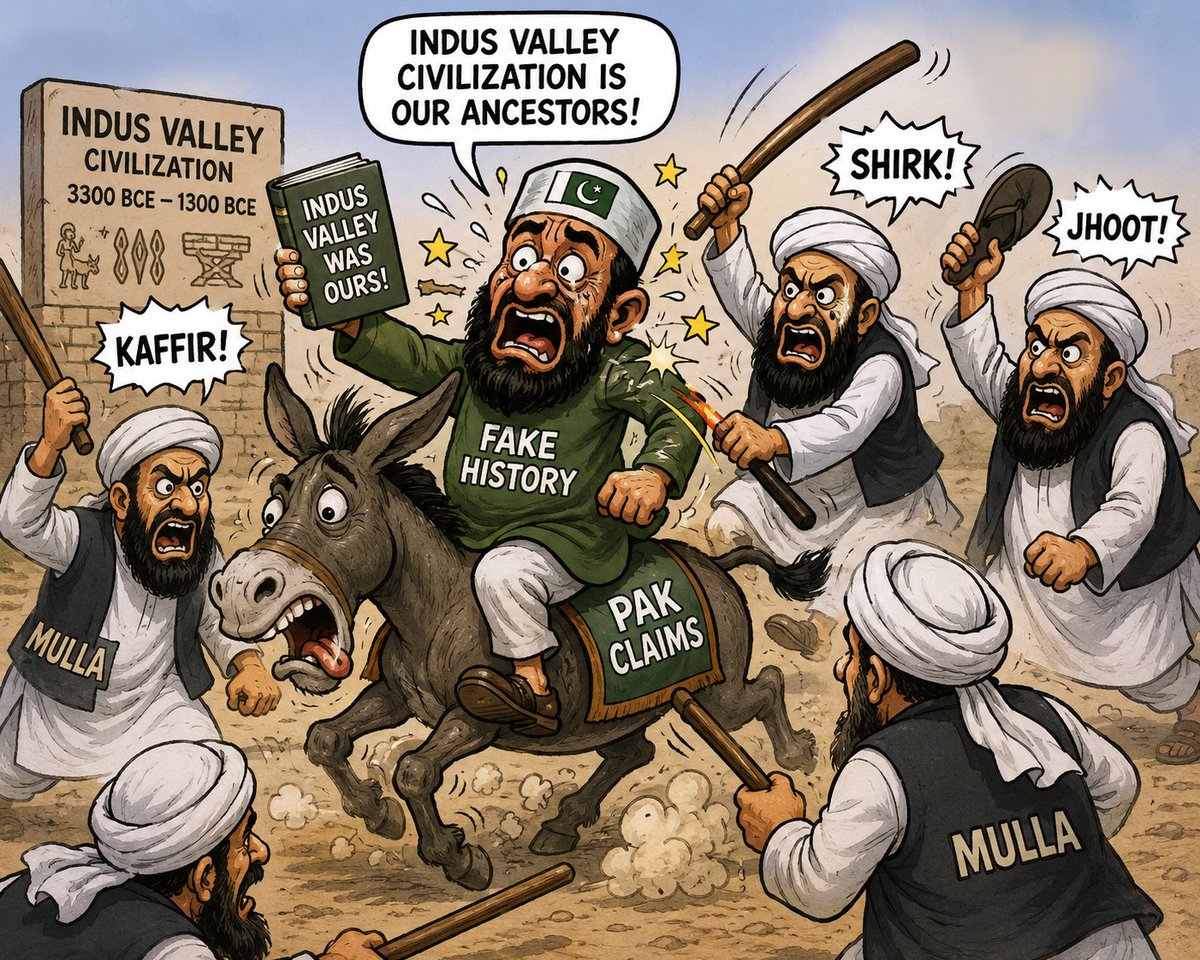

Use of cubical dice with one to six dots was first used 5000 years ago in Indus Valley Civilisation, Pakistan. Many of these were excavated from the cities of Harappa Mohenjodaro. Were made of terracotta, agate, limestone & faience etc. Probably used for board games & gambling.

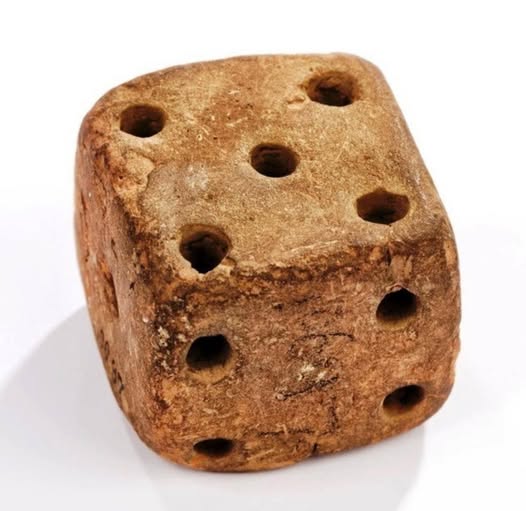
This 4,500-year-old terracotta dice from the Indus-Saraswati Civilization is a powerful reminder of India’s living heritage. Dicing is also mentioned as a popular game in Rig and Atharva Vedas (two of the four sacred Vedic scriptures). From symbols and craftsmanship to rituals, yogic practices, and collective memory, numerous elements of ancient Indian civilization continue to thrive in the daily social and religious life of Indian society across regions and communities. Civilizational inheritance is not just about geography or ruins, it is defined by living customs, symbols, rituals, and unbroken cultural consciousness. India is the enduring living continuity of the Indus-Saraswati Civilization. #IndusSaraswatiCivilization #AncientIndianHeritage


This 4,500-year-old terracotta dice from the Indus-Saraswati Civilization is a powerful reminder of India’s living heritage. Dicing is also mentioned as a popular game in Rig and Atharva Vedas (two of the four sacred Vedic scriptures). From symbols and craftsmanship to rituals, yogic practices, and collective memory, numerous elements of ancient Indian civilization continue to thrive in the daily social and religious life of Indian society across regions and communities. Civilizational inheritance is not just about geography or ruins, it is defined by living customs, symbols, rituals, and unbroken cultural consciousness. India is the enduring living continuity of the Indus-Saraswati Civilization. #IndusSaraswatiCivilization #AncientIndianHeritage


This 4,500-year-old terracotta dice from the Indus-Saraswati Civilization is a powerful reminder of India’s living heritage. Dicing is also mentioned as a popular game in Rig and Atharva Vedas (two of the four sacred Vedic scriptures). From symbols and craftsmanship to rituals, yogic practices, and collective memory, numerous elements of ancient Indian civilization continue to thrive in the daily social and religious life of Indian society across regions and communities. Civilizational inheritance is not just about geography or ruins, it is defined by living customs, symbols, rituals, and unbroken cultural consciousness. India is the enduring living continuity of the Indus-Saraswati Civilization. #IndusSaraswatiCivilization #AncientIndianHeritage


This 4,500-year-old terracotta dice from the Indus-Saraswati Civilization is a powerful reminder of India’s living heritage. Dicing is also mentioned as a popular game in Rig and Atharva Vedas (two of the four sacred Vedic scriptures). From symbols and craftsmanship to rituals, yogic practices, and collective memory, numerous elements of ancient Indian civilization continue to thrive in the daily social and religious life of Indian society across regions and communities. Civilizational inheritance is not just about geography or ruins, it is defined by living customs, symbols, rituals, and unbroken cultural consciousness. India is the enduring living continuity of the Indus-Saraswati Civilization. #IndusSaraswatiCivilization #AncientIndianHeritage
This 4,500-year-old terracotta dice from the Indus-Saraswati Civilization is a powerful reminder of India’s living heritage. Dicing is also mentioned as a popular game in Rig and Atharva Vedas (two of the four sacred Vedic scriptures). From symbols and craftsmanship to rituals, yogic practices, and collective memory, numerous elements of ancient Indian civilization continue to thrive in the daily social and religious life of Indian society across regions and communities. Civilizational inheritance is not just about geography or ruins, it is defined by living customs, symbols, rituals, and unbroken cultural consciousness. India is the enduring living continuity of the Indus-Saraswati Civilization. #IndusSaraswatiCivilization #AncientIndianHeritage


This 4,500-year-old terracotta dice from the Indus-Saraswati Civilization is a powerful reminder of India’s living heritage. Dicing is also mentioned as a popular game in Rig and Atharva Vedas (two of the four sacred Vedic scriptures). From symbols and craftsmanship to rituals, yogic practices, and collective memory, numerous elements of ancient Indian civilization continue to thrive in the daily social and religious life of Indian society across regions and communities. Civilizational inheritance is not just about geography or ruins, it is defined by living customs, symbols, rituals, and unbroken cultural consciousness. India is the enduring living continuity of the Indus-Saraswati Civilization. #IndusSaraswatiCivilization #AncientIndianHeritage


Why didn't the Mughals build more grand monuments in present-day Pakistan? Why are most of the iconic Mughal structures located in India? It almost feels as if the partition left India with most of the glory, while Pakistan was left like an abandoned child 🙂
They have always denied existence of Hinduism in Sindhu-Saraswati Civilization (SSC) previously known as Indus Valley Civilization. It’s crucial for them to deny it because it helps with the “Hinduism came from outside” theory. The Aryan invasion theory is much more insidious than it seems. #NoAryans but they still deny any evidence of Hinduism in SSC and resort to name calling when we oppose that theory. However, in the presence of electronics and social media that type of claims fall flat very quickly. This would ha taken a hundred year in the absence of social media. Imagine Elamite seal to Pashupati-Shiva seal comparison. It would have taken a century to counter it in the absence of electronics and social media.



@EYounaan32770 But india still has 900+ sites whereas pakistan has 400+ Biggest site, earliest site are in haryana. Most important port is in lothal, india. Most sites situated around hakra( sarasvati) river which dried out which is mentioned in rigveda.