Virginia Albarracin (#LaAlbarracineta)

5.5K posts

Virginia Albarracin (#LaAlbarracineta) banner
Virginia Albarracin (#LaAlbarracineta)

Virginia Albarracin (#LaAlbarracineta)

@virkinal

Tucumana, Científica del Pueblo y Mamá de Raulito Omics/EM/Extremophiles/Microbiomes #ImagingMicrobes

Tucumán, Argentina Katılım Ekim 2010
1.5K Takip Edilen893 Takipçiler
Virginia Albarracin (#LaAlbarracineta) retweetledi
Cameron Thrash
Cameron Thrash@jcamthrash·
Meta16S: large-scale discovery and taxonomic assignment of unknown microbes from 16S amplicon sequencing samples biorxiv.org/content/10.648…
English
0
3
21
1.4K
Virginia Albarracin (#LaAlbarracineta) retweetledi
Janelia Conferences
Janelia Conferences@janeliaconf·
⏳ Applications close May 21! Don’t miss the chance to connect with researchers advancing fluorescent proteins, biosensors, imaging tools + computational approaches for biological discovery. Apply ➡️ janelia.news/FPS26 @ERSchreiter @agtebo
Janelia Conferences@janeliaconf

📢 Applications are open! Join us @HHMIJanelia to explore next-gen fluorescent proteins, biosensors, imaging advances + ML/computational approaches to accelerate design. 🛏️ Meals & lodging covered Apply by May 21 ➡️ janelia.news/FPS26 @HHMIscience @ERSchreiter @agtebo

English
0
5
14
2K
Virginia Albarracin (#LaAlbarracineta) retweetledi
José I. Araoz
José I. Araoz@Gazpachen·
El protagonista inesperado de la final de Europa League. Antes del partido entre Aston Villa y Freiburg, apareció el famoso gato del Besiktas, que dicen que es el mismo que fue protagonista de un partido entre Bayern y el club turco en 2018. Dicen que el gato se metió dentro del estadio y vive allí. Dejó de ser callejero y vive en las instalaciones del Besiktas como si fuera propietario. La gente del club, lejos de echarlo, lo adoptó y hoy se llevó todos los focos de las cámaras.
José I. Araoz tweet mediaJosé I. Araoz tweet media
Español
70
1.6K
17.4K
473.4K
Virginia Albarracin (#LaAlbarracineta) retweetledi
Pushmeet Kohli
Pushmeet Kohli@pushmeet·
The results of the research happening in my team @GoogleDeepMind have convinced me that the next era of scientific discovery will be aided by AI agents acting as force multipliers for human ingenuity. That’s why I’m proud to introduce Gemini for Science - a collection of experimental science tools designed to support researchers at every stage of the research process. The tools include: 1️⃣ Literature Insights, built with Google NotebookLM, searches millions of scientific papers to synthesize findings and generate artifacts including data tables, slides, reports, and more. 2️⃣ Hypothesis Generation, built with Co-Scientist, simulates the scientific method via a multi-agent "idea tournament" to generate, debate, and rigorously evaluate research hypotheses. 3️⃣Computational Discovery, built with AlphaEvolve and ERA, is an agentic engine that generates and scores thousands of code variations in parallel, allowing researchers to test modeling approaches in fields like epidemiology in a fraction of the usual time. Read more: blog.google/innovation-and… Register for access here: labs.google/science
English
47
244
1.3K
147.2K
Virginia Albarracin (#LaAlbarracineta) retweetledi
Jorge Bravo Abad
Jorge Bravo Abad@bravo_abad·
Can an AI system close the loop from hypothesis to wet-lab data and back, without a human in between? Hypothesis generation and experimental data analysis are usually treated as separate problems. Most "AI for science" tools handle the first and leave the second to humans, so the discovery cycle never really closes. Ali Essam Ghareeb and coauthors introduce Robin, a multi-agent system that integrates both. Three agents do the work: Crow and Falcon (PaperQA2 literature search, concise and deep) and Finch, a data analysis agent that writes and runs Python and R code on raw experimental data inside a Jupyter notebook. Robin runs a lab-in-the-loop cycle: propose an assay, propose drug candidates, hand off to scientists for wet-lab work, then autonomously analyze the flow cytometry or RNA-seq data and feed insights into the next round. They applied Robin to dry age-related macular degeneration, a leading cause of irreversible sight loss. The system proposed enhancing retinal pigment epithelium phagocytosis. Screening surfaced Y-27632, a ROCK inhibitor; a second round refined this to ripasudil, an approved glaucoma drug in Japan that outperformed Y-27632 with a 1.89-fold increase in phagocytosis, validated in primary human RPE cells. Robin also flagged KL001, a circadian clock modulator never previously linked to phagocytosis. The more interesting result came from Finch's RNA-seq analysis: a 3-fold upregulation of ABCA1, a lipid efflux pump whose acceptor protein Apo-E is a known risk factor for AMD. Ablation studies confirmed the architecture matters: swapping the specialized literature agents for a general reasoning model produced roughly 45% hallucinated references, and OpenAI's Deep Research did not propose ROCK inhibition at all. For R&D teams in pharma and biotech, closing the loop is where the time savings concentrate. Robin compresses an estimated 360 to 425 hours of literature synthesis, ideation and analysis into under two hours of compute. The bottleneck moves back to wet-lab execution, which means the value of fast, well-instrumented in vitro pipelines is about to go up sharply. Paper: Ghareeb et al., Nature (2026) | doi.org/10.1038/s41586…
Jorge Bravo Abad tweet media
English
1
9
32
2.8K
Virginia Albarracin (#LaAlbarracineta) retweetledi
Peter Ly
Peter Ly@PeterLyLab·
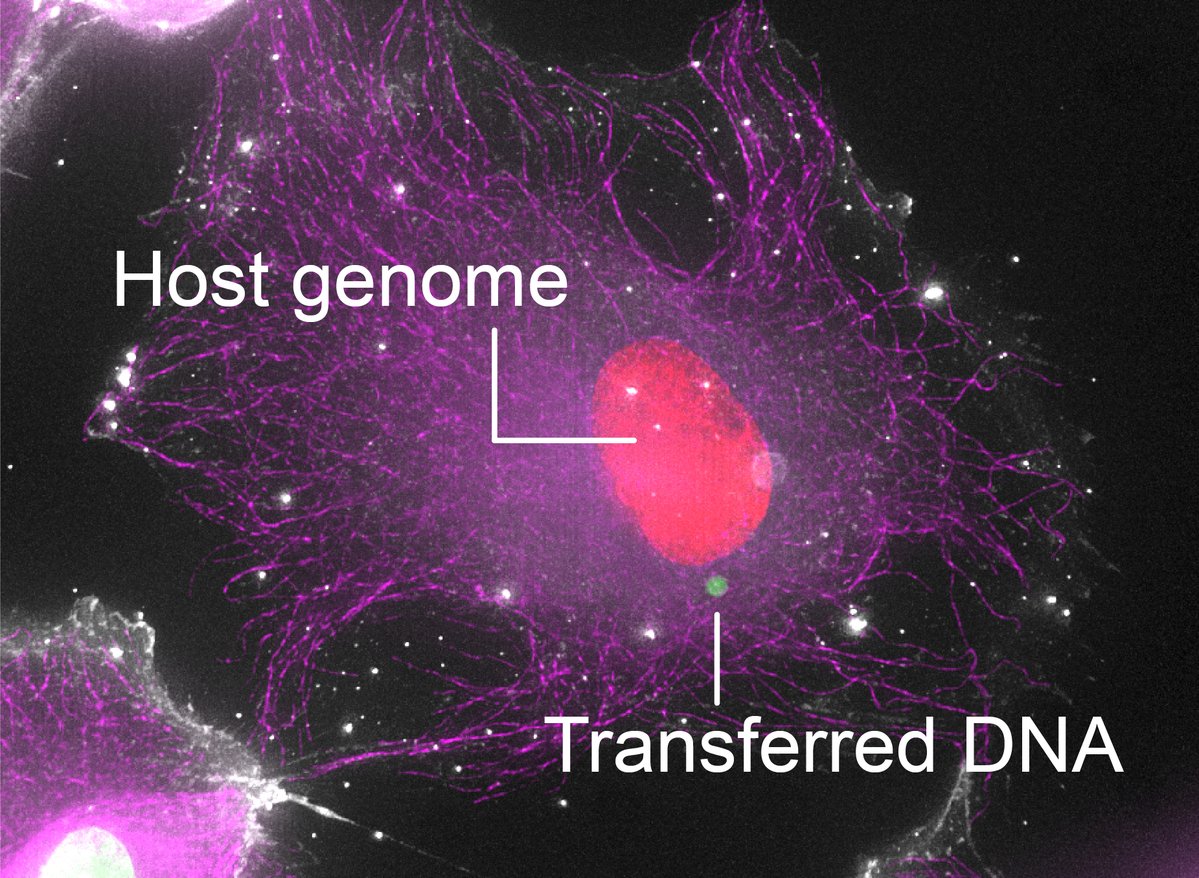
Excited to share our latest paper, out today @CellCellPress. We found that large pieces of the human genome can transfer between cells upon direct contact, endowing recipient cells with heritable phenotypic changes. (1/7) cell.com/cell/fulltext/…
Peter Ly tweet media
English
36
298
959
149.3K
Virginia Albarracin (#LaAlbarracineta) retweetledi
C5N
C5N@C5N·
Una científica del CONICET fue galardonada por la Unesco por investigar cómo hacer cultivos más fuertes y resistentes c5n.com/sociedad/una-c…
Español
0
16
33
1.6K
Virginia Albarracin (#LaAlbarracineta) retweetledi
Science Magazine
Science Magazine@ScienceMagazine·
Overcoming a major hurdle in the use of microbes as medicine, researchers in Science have introduced implantable “living materials” that autonomously deliver therapeutics using contained engineered bacteria. 📄: scim.ag/3P4EMUr #SciencePerspective: scim.ag/4ePa2RE
Science Magazine tweet media
English
3
29
106
15.4K
Virginia Albarracin (#LaAlbarracineta) retweetledi
CryoCapCell
CryoCapCell@CryoCapCell·
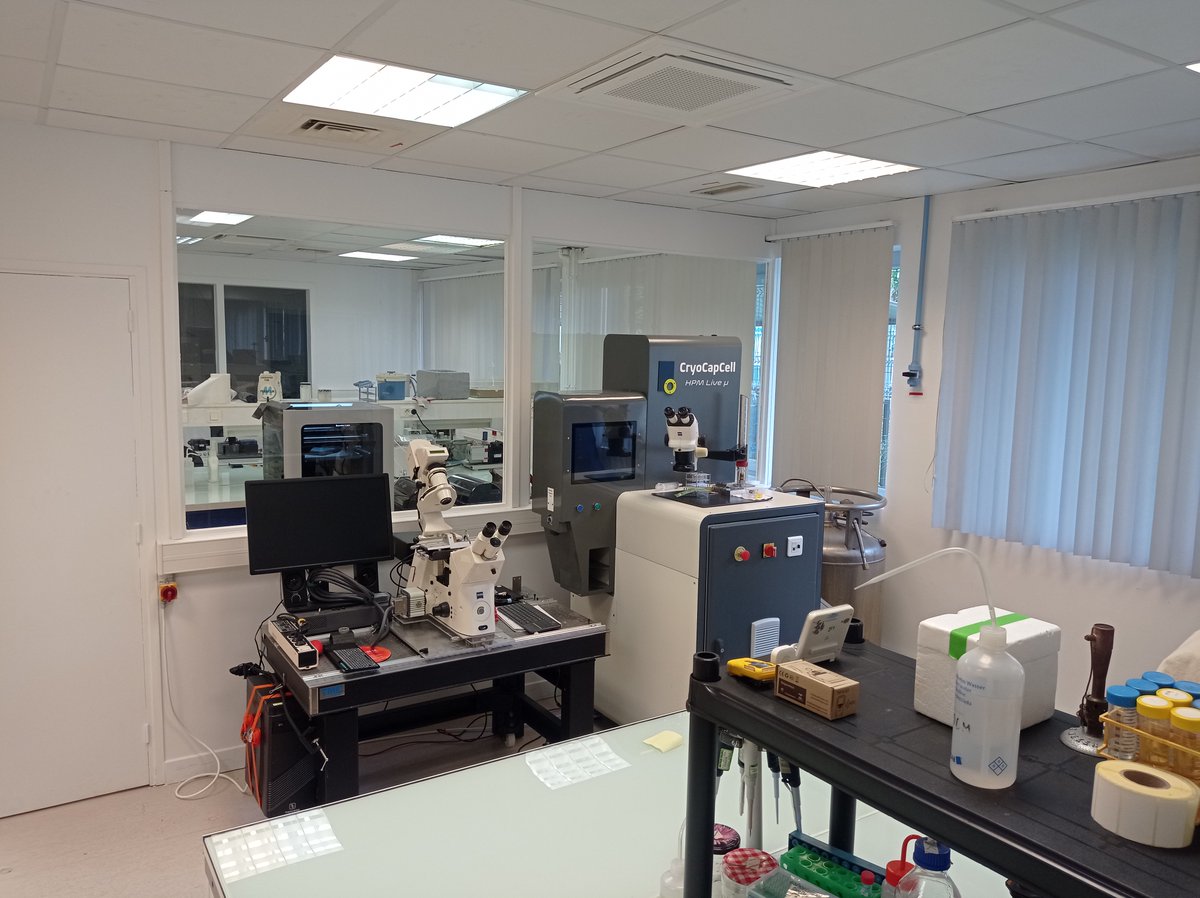
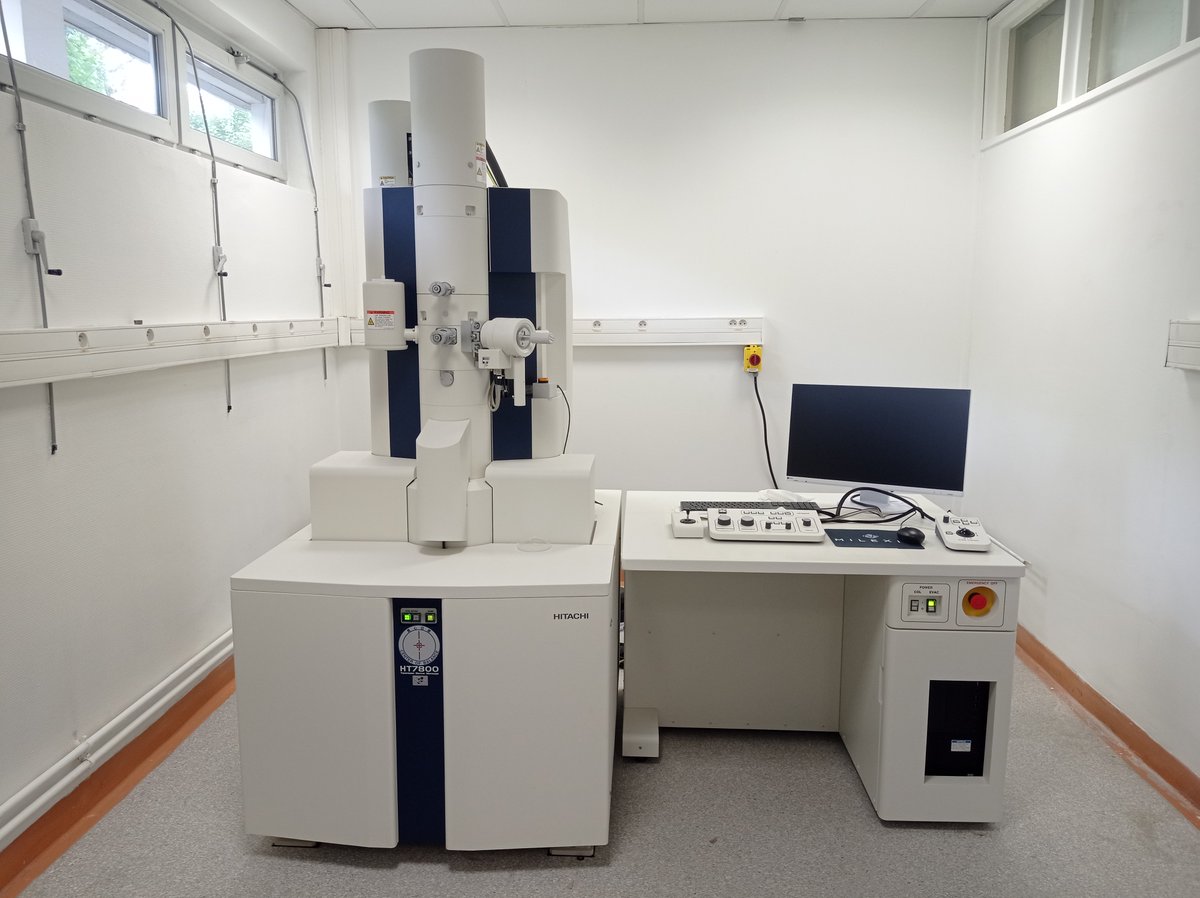
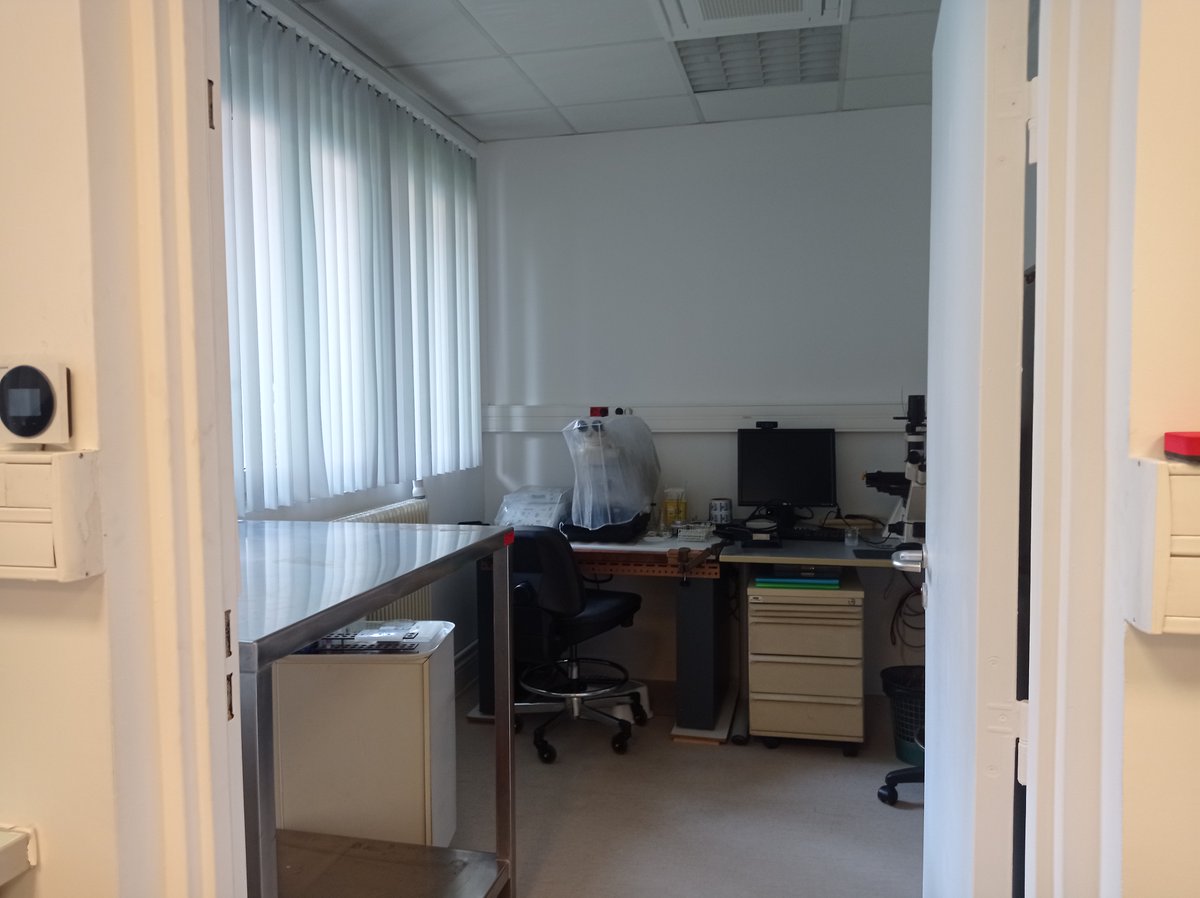
We have just installed in the new lab/platform with a new microscope! Looking forward to welcoming many users!!
CryoCapCell tweet mediaCryoCapCell tweet mediaCryoCapCell tweet media
English
1
4
6
353
Virginia Albarracin (#LaAlbarracineta) retweetledi
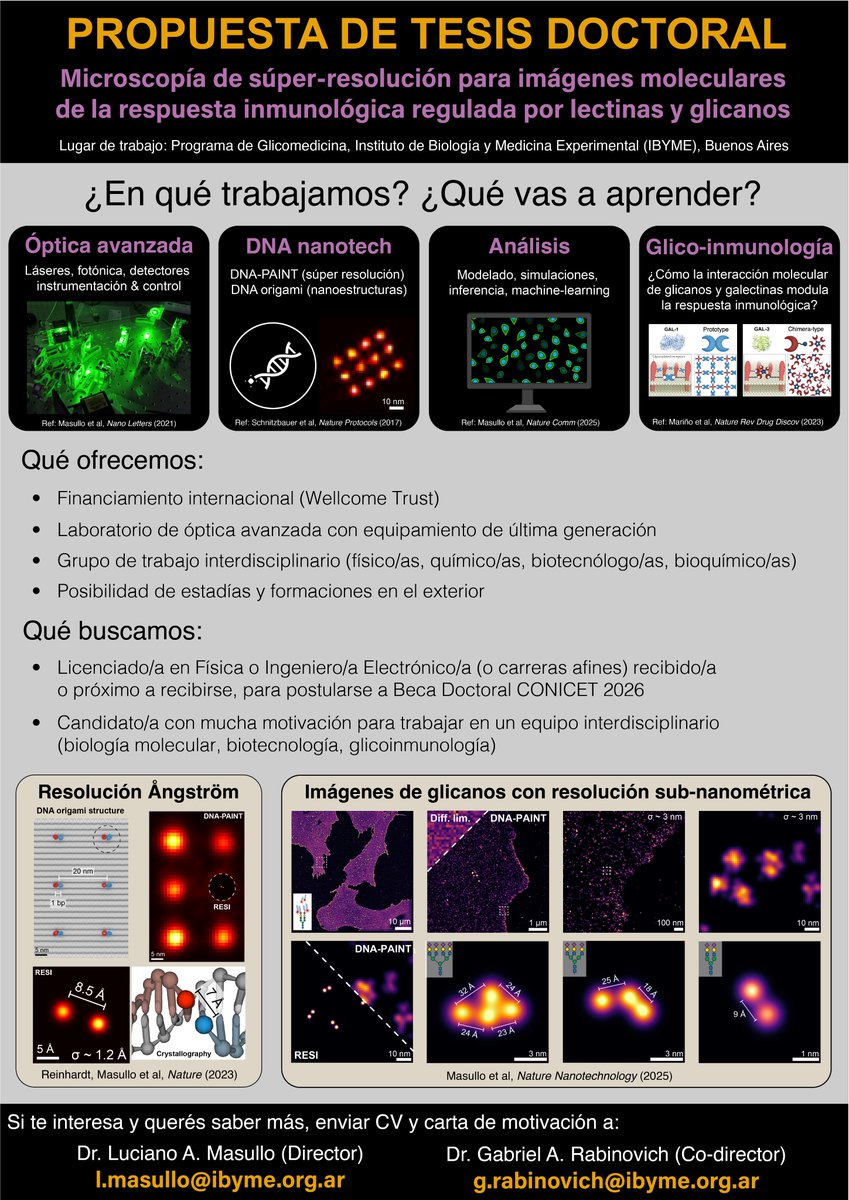
Luciano A. Masullo
Junto a @gabyrabi buscamos candidato/a doctoral (Física, Ing. Electrónica o afín) para trabajar en microscopía de súper resolución, con foco en óptica avanzada, single-molecule imaging, DNA nanotech y glico-inmunología. Beca CONICET 2026. ¡Se agradece difusión!
Luciano A. Masullo tweet media
Español
2
28
42
6.1K
Virginia Albarracin (#LaAlbarracineta) retweetledi
Massimo
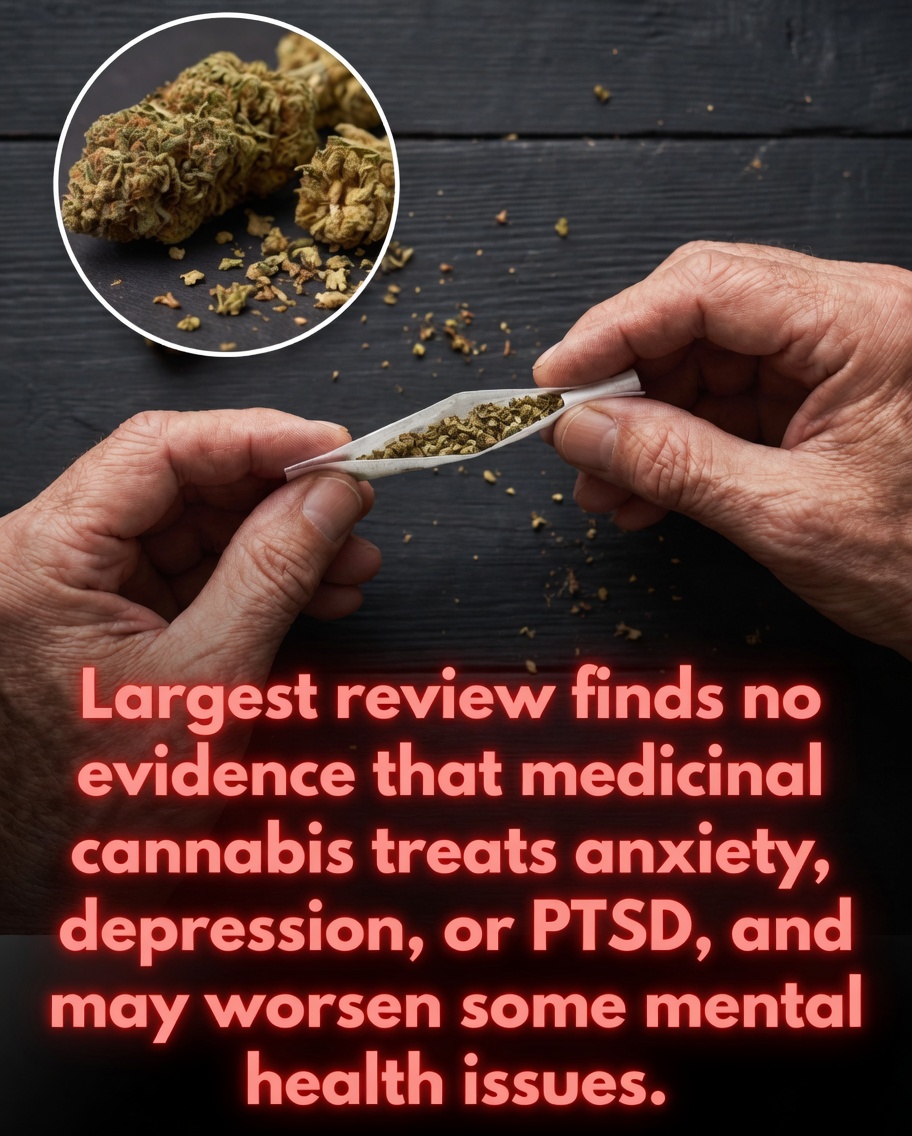
Massimo@Rainmaker1973·
A major new systematic review has found no reliable evidence that medicinal cannabis or cannabinoids effectively treat anxiety, depression, or PTSD, and in some cases, they may actually worsen mental health symptoms. Led by researchers at the University of Sydney’s Matilda Centre, the study analyzed 54 randomized controlled trials spanning 45 years (1980–2025). Despite medicinal cannabis prescriptions surging in recent years, often for mental health reasons, the review found that cannabinoids did not outperform placebos for these conditions. The findings challenge the widespread perception of cannabis as a mental health treatment, highlighting a significant disconnect between public belief, prescribing trends, and robust clinical evidence. While the review confirmed established benefits of cannabinoids for certain physical conditions (such as epilepsy-related seizures, multiple sclerosis spasticity, chronic pain, and chemotherapy-induced nausea), it found insufficient high-quality data for conditions like ADHD and bipolar disorder. For many psychiatric and substance-use disorders, the evidence was either absent or indicated potential harm. èWilson, J., Dobson, O., Langcake, A., Mishra, P., Bryant, Z., Leung, J., Dawson, D., Graham, M., Teesson, M., Freeman, T. P., Hall, W., Chan, G. C. K., & Stockings, E. (2026). The efficacy and safety of cannabinoids for the treatment of mental disorders and substance use disorders: a systematic review and meta-analysis. The Lancet Psychiatry. DOI: 10.1016/S2215-0366(26)00015-5]
Massimo tweet media
English
113
89
354
53.3K
Virginia Albarracin (#LaAlbarracineta) retweetledi
Eleonora Campos
Eleonora Campos@eleonoracampos4·
Please check our recent collaboration with Dr. Igor Polikarpov! Cryo-EM/X-ray structures of a GH43 β-xylosidase reveal how a unique auxiliary domain and key loop control substrate specificity and activity. Insights could help future enzyme engineering! doi.org/10.1111/febs.7…
English
0
4
10
353