Sabitlenmiş Tweet
Visuals of the Ancients
7.1K posts

Visuals of the Ancients
@visualsancients
All 📸 photos by me. | Telling history through art. Different angles of ancient & some medieval ruins & pieces. | Creator of The Cobra Effect Podcast.
Katılım Temmuz 2024
622 Takip Edilen14.7K Takipçiler

@mdwarmybrat17 Thank you, Melissa! I am glad to hear! 🙂🙂
English


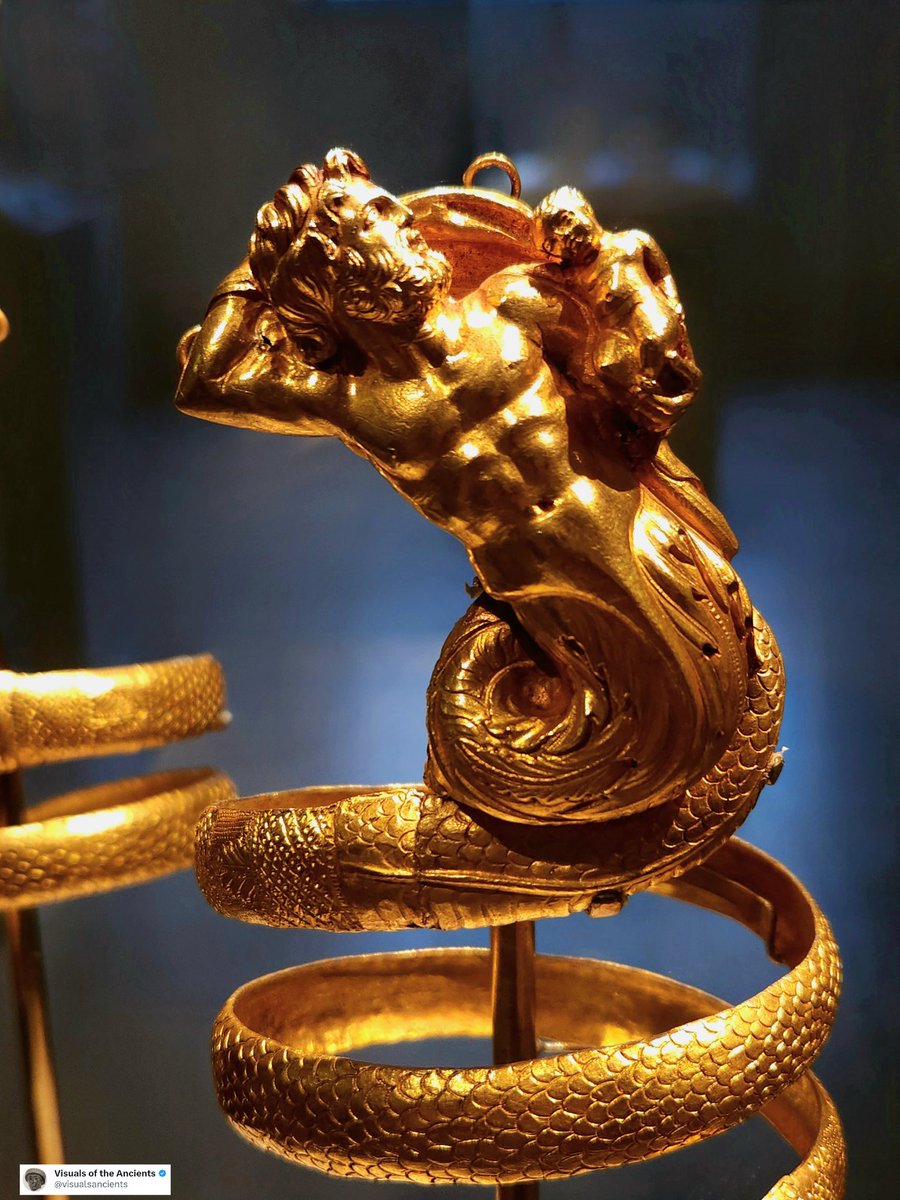
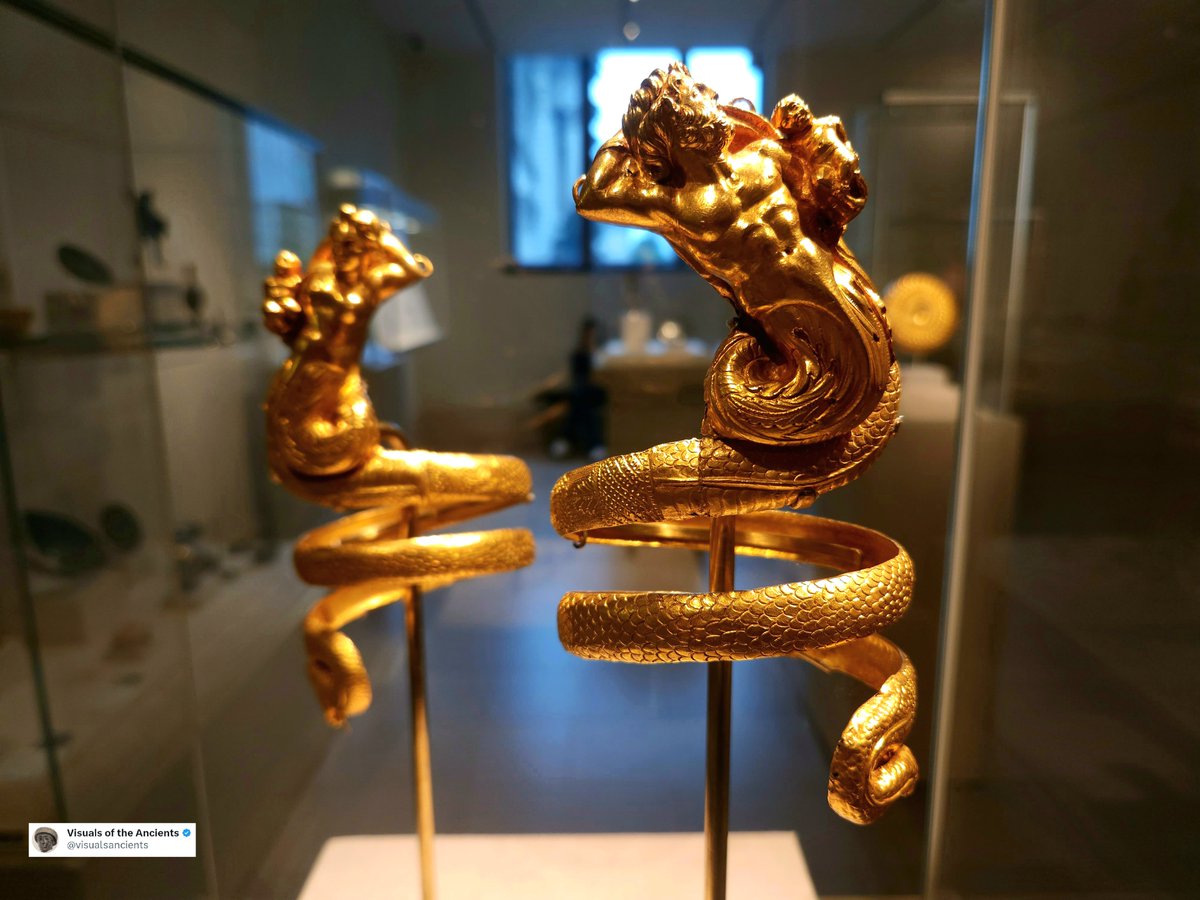
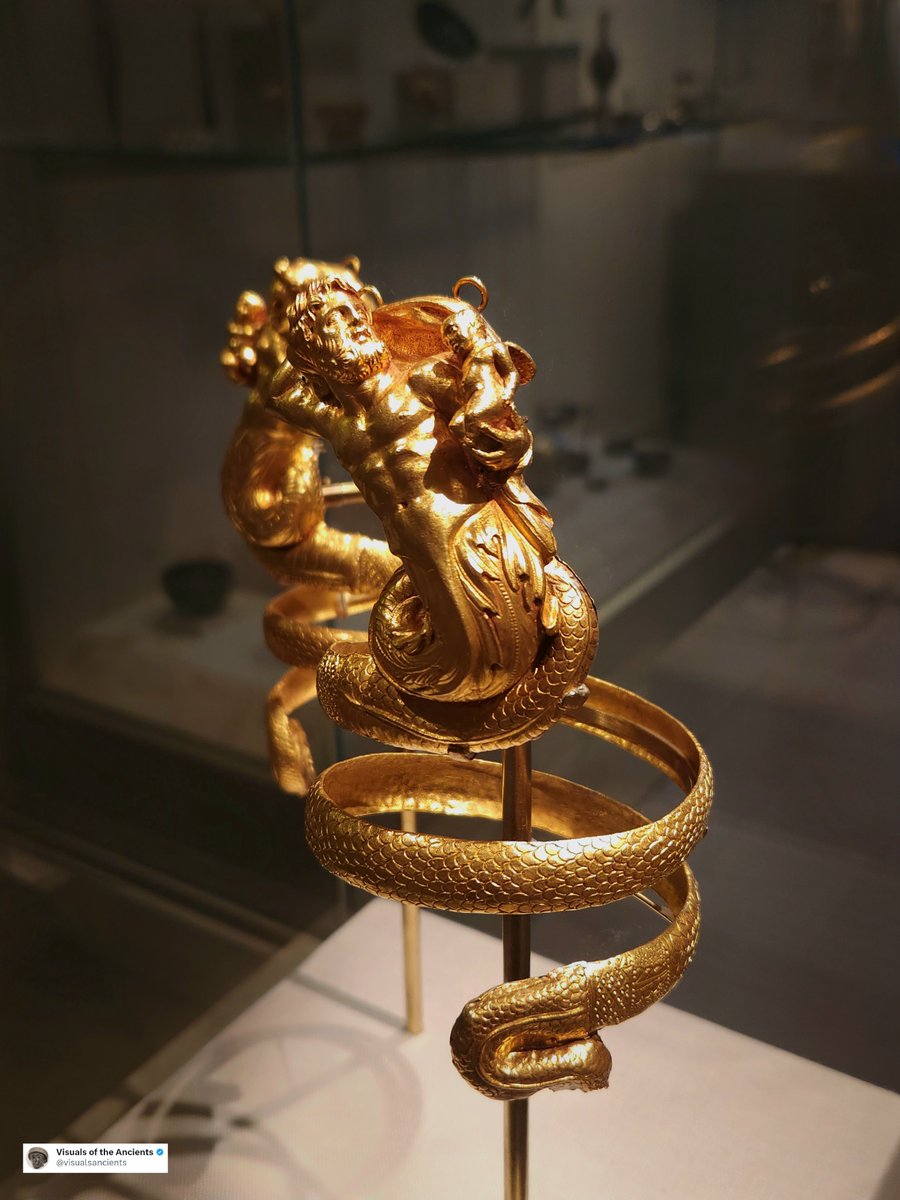
@Trierarch81 @visualsancients Glad that finally got solved. A lady triton, who would have guessed
English

@nonregemesse Imo, at this stage, Rome had no chance. The maniple was not in place yet (I think it was only a matter of a few years, but still), and the melee of potential allies and enemies was so messy that I doubt all of them would have formed a single front against Alexander.
English

This is Livy’s full argument on whether Alexander would have defeated the Romans after discussing the greatness of Papirius Cursor:
‘No age has been more prolific in great and noble characters than the one in which he lived, and even in that age there was no one whose single arm did more to sustain the commonwealth. Had Alexander the Great, after subjugating Asia, turned his attention to Europe, there are many who maintain that he would have met his match in Papirius.
Nothing can be thought to be further from my aim since I commenced this task than to digress more than is necessary from the order of the narrative or by embellishing my work with a variety of topics to afford pleasant resting-places, as it were, for my readers and mental relaxation for myself. The mention, however, of so great a king and commander induces me to lay before my readers some reflections which I have often made when I have proposed to myself the question, "What would have been the results for Rome if she had been engaged in war with Alexander? "The things which tell most in war are the numbers and courage of the troops, the ability of the commanders, and Fortune, who has such a potent influence over human affairs, especially those of war.
Any one who considers these factors either separately or in combination will easily see that as the Roman empire proved invincible against other kings and nations, so it would have proved invincible against Alexander. Let us, first of all, compare the commanders on each side. I do not dispute that Alexander was an exceptional general, but his reputation is enhanced by the fact that he died while still young and before he had time to experience any change of fortune. Not to mention other kings and illustrious captains, who afford striking examples of the mutability of human affairs, I will only instance Cyrus, whom the Greeks celebrate as one of the greatest of men. What was it that exposed him to reverses and misfortunes but the length of his life, as recently in the case of Pompey the Great?
Let me enumerate the Roman generals - not all out of all ages but only those with whom as consuls and Dictators Alexander would have had to fight - M. Valerius Corvus, C. Marcius Rutilus, C. Sulpicius, T. Manlius Torquatus, Q. Publilius Philo, L. Papirius Cursor, Q. Fabius Maximus, the two Decii, L. Volumnius, and Manlius Curius. Following these come those men of colossal mould who would have confronted him if he had first turned his arms against Carthage and then crossed over into Italy later in life. Every one of these men was Alexander's equal in courage and ability, and the art of war, which from the beginning of the City had been an unbroken tradition, had now grown into a science based on definite and permanent rules. It was thus that the kings conducted their wars, and after them the Junii and the Valerii, who expelled the kings, and in later succession the Fabii, the Quinctii, and the Cornelii. It was these rules that Camillus followed, and the men who would have had to fight with Alexander had seen Camillus as an old man when they were little more than boys.
Alexander no doubt did all that a soldier ought to do in battle, and that is not his least title to fame. But if Manlius Torquatus had been opposed to him in the field, would he have been inferior to him in this respect, or Valerius Corvus, both of them distinguished as soldiers before they assumed command? Would the Decii, who, after devoting themselves, rushed upon the enemy, or Papirius Cursor with his vast physical courage and strength? Would the clever generalship of one young man have succeeded in baffling the whole senate, not to mention individuals, that senate of which he, who declared that it was composed of kings, alone formed a true idea?’
(Continued below)

English

@CulturedChem No shame there! I did not visit it until 2024, and I am looking forward to visiting again whenever I have the chance. 100% worth the trip.
English

@visualsancients Ashamed to say that I've never been to the Met
English

@Ritterton Glad you liked the post, @Ritterton ! 🤝
English

@visualsancients Absolutely stunning pieces. Wow, thanks for sharing
English

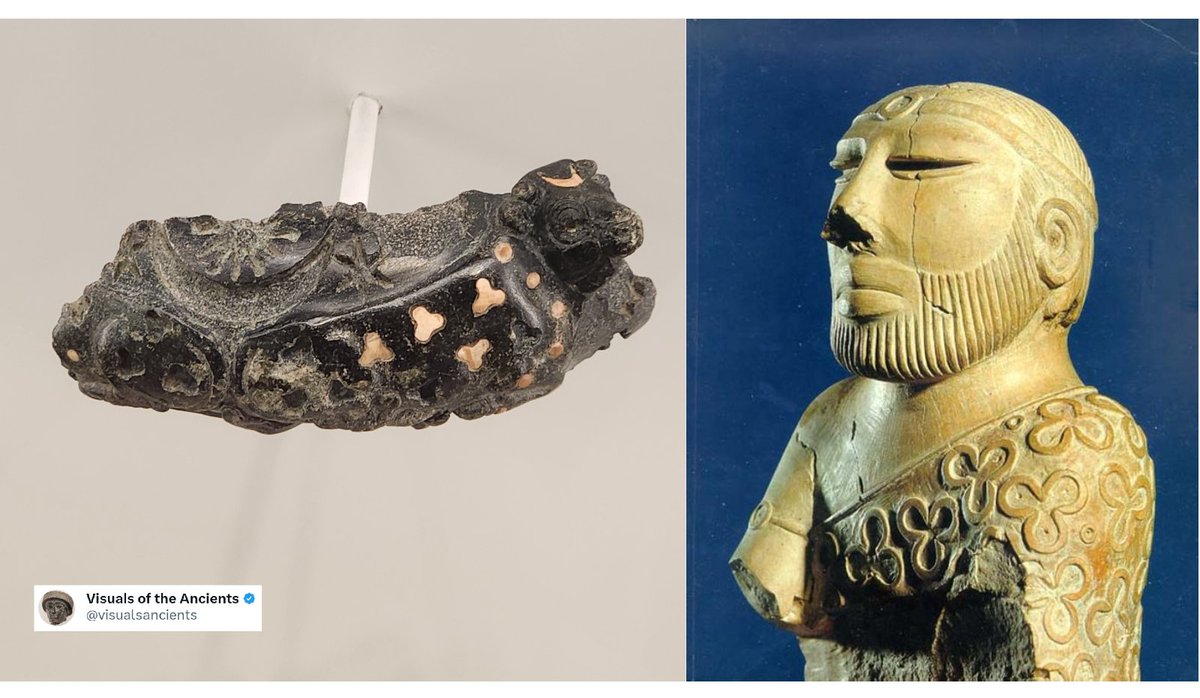
To the left is a Sumerian bowl fragment made of diorite from the Third Dynasty of Ur, c. 2050 BC. Look at the decoration of inlaid trefoils. It is currently on display at the Penn Museum. 📸 by me.
To the right is the famous Priest-King figure found in the excavations of Mohenjo-daro. It dates back to 2000 - 1900 BC. A replica is currently at the National Museum of Pakistan, where the original is kept in a vault. Pic from Wikipedia. The trefoil decoration always caught my attention.
Although the Sumerian bowl is a small fragment, I loved seeing it back in 2023 because I immediately thought of the Priest-King figure. Trefoils are a universal decoration shape that date as back as the Near Eastern Ubaid Period (c. 5500 – 4000 BC), and it was frequently used later in medieval times, for example. However, I wonder to what extent these two artifacts share the same trefoil ornament as a testimony of the trade network of their time.
From their cuneiform texts and archaeological evidence, we know that the Sumerians traded directly with regions as far as Meluhha (the Indus Valley). Harappa, Dholavira, Lothal, Mohenjo-Daro (where our Priest-King figure was found), and many other cities were part of the Indus Valley civilization (which had terrific urban planning and hydraulic works, btw).
When I saw this small bowl at the Penn Museum, my first thought was how, 4,000 years ago, the world was more connected than we usually think.
🚨 I hope you liked this post. If so, please Share and Follow, it always helps me grow this account. Cheers.

English

@HistoriaJack Hmm. That's a great question and yes, that's how they were called. I'm fascinated by the Olmec heads.
English

@visualsancients Agreed, do we even know what the Olmecs called themselves?
I think Olmec is a Nahua name
English

Who is your favourite Mesoamerican civilisation?
Civixplorer@Civixplorer
The Mesoamerican civilizations.
English

@surlydave_40 @HistoriaJack Amazing pieces, indeed.
English

@visualsancients @HistoriaJack The Olmec’s get a few extra points for the giant stone head things.
English

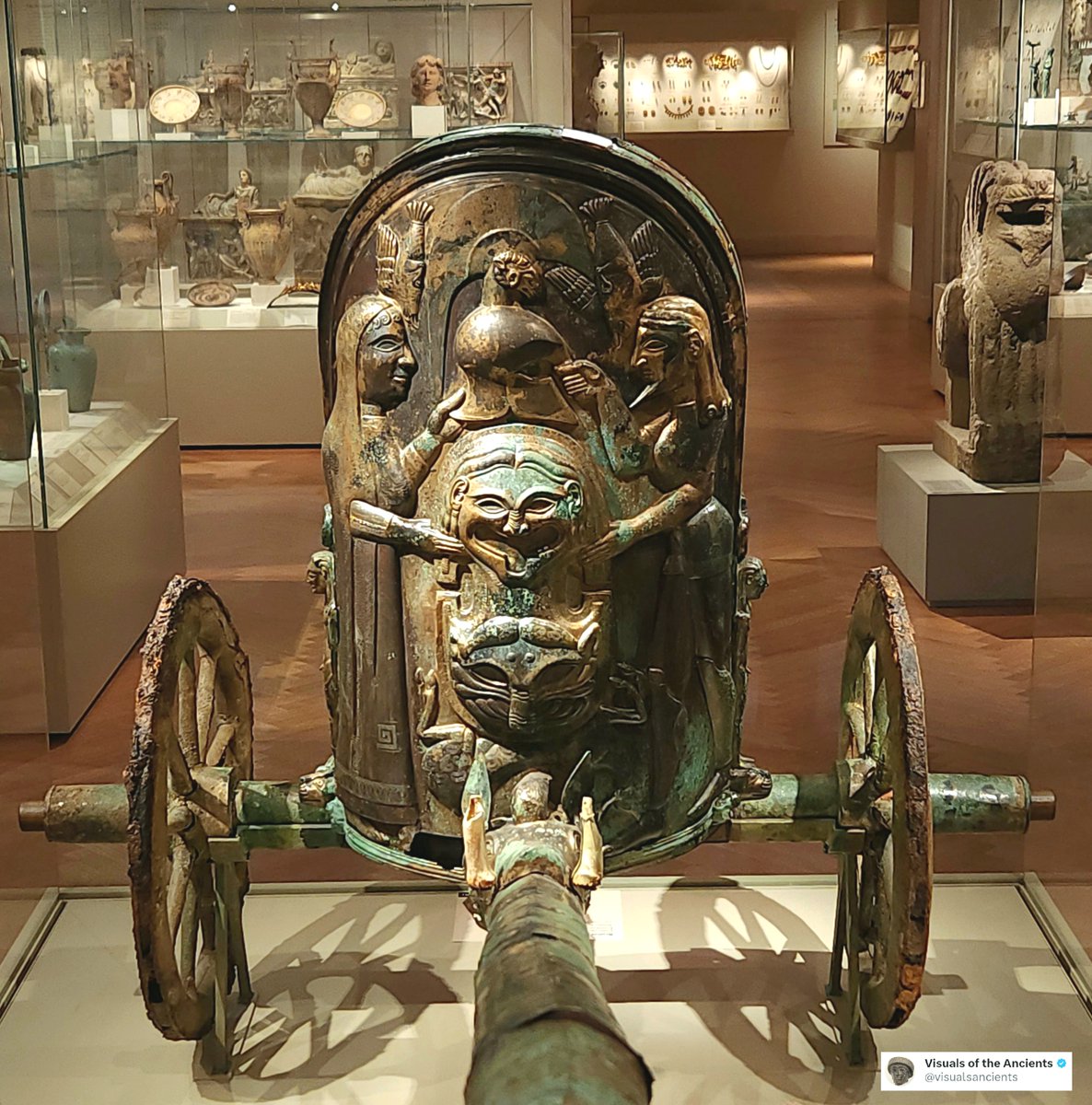
I must have this chariot...
Visuals of the Ancients@visualsancients
1/17 Dated between 560 and 550 BC, the Monteleone Chariot is one of the best preserved chariots of the ancient world. On display at the MET, this marvel of Etruscan art depicts scenes from the life of Achilles. *reposting for half my followers since this post. 📸 by me.
English

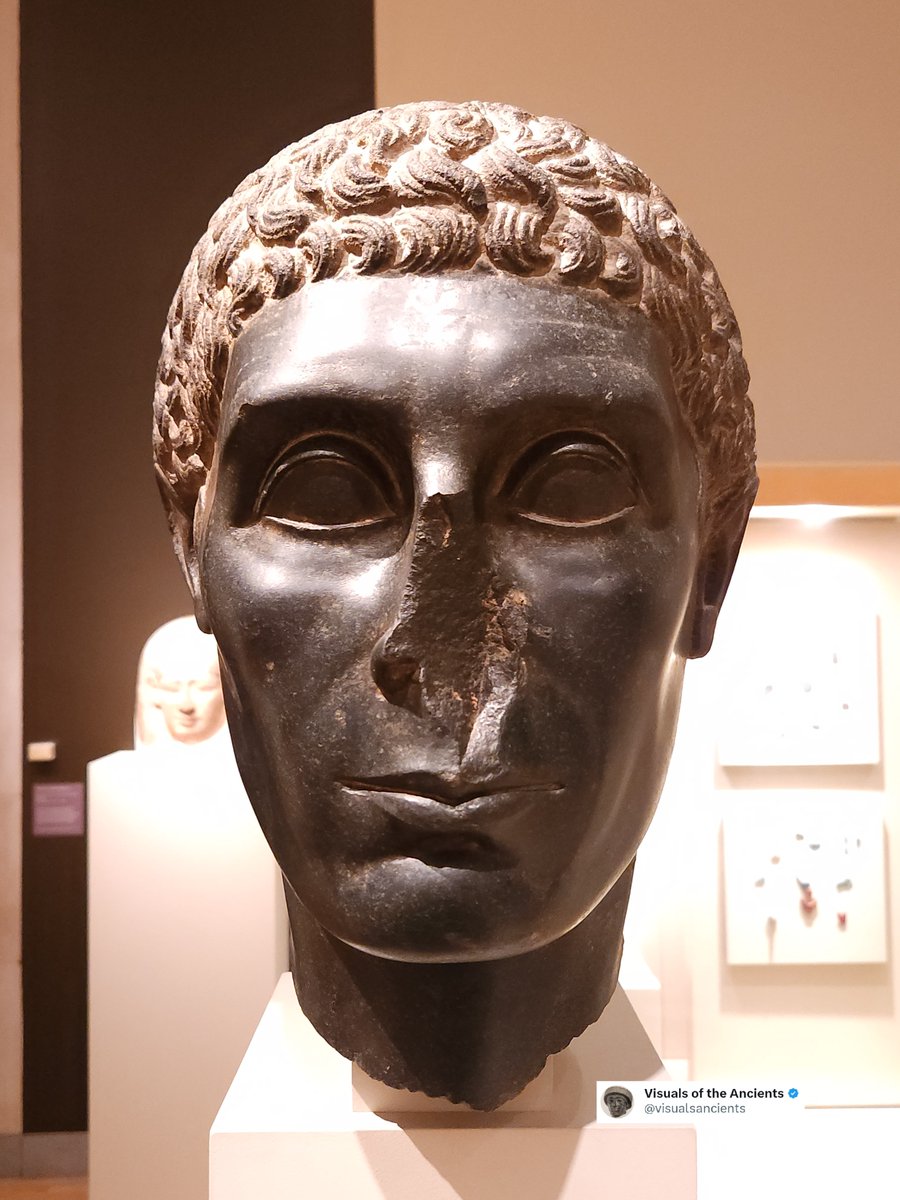
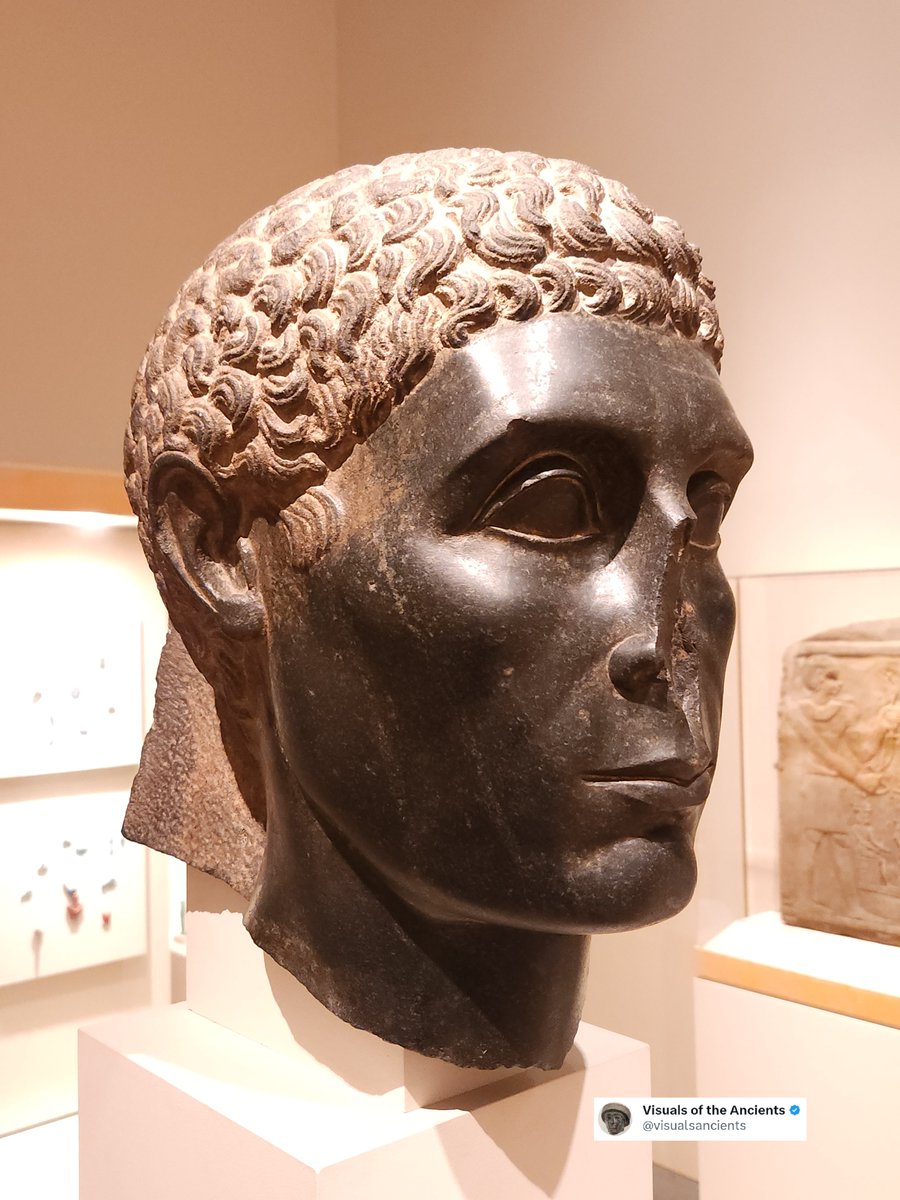
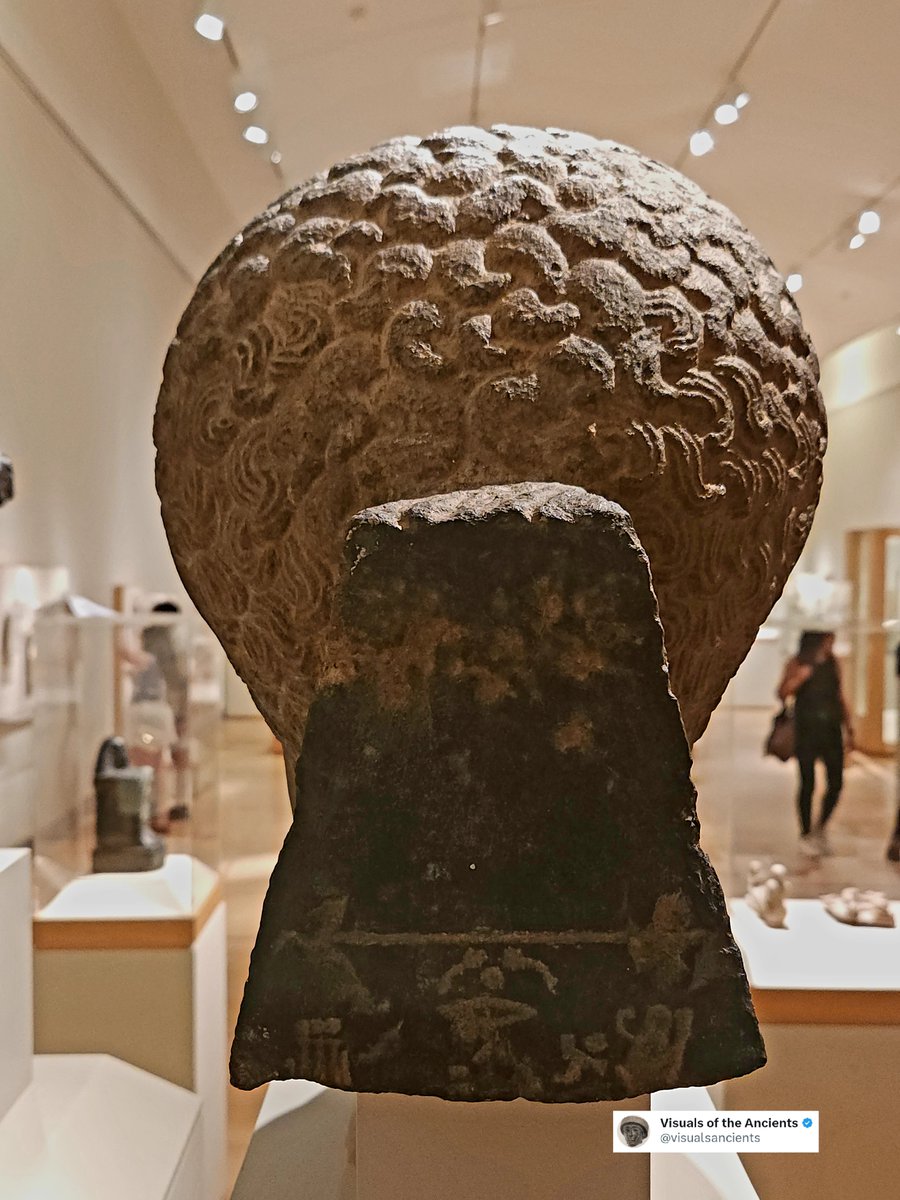
Whoever this man was, he probably witnessed a pivotal moment in ancient history.
Made of diorite, this head may represent an Egyptian government official or a priest, and its curly hair reflects Hellenistic influence. The Brooklyn Museum, where it's on display, dates it to the Ptolemaic Period, c. 50 BC.
In 51 BC, Cleopatra VII and her young brother started ruling Egypt as co-regents. Almost two decades later, when Cleopatra VII committed suicide, Rome took control of the land of the Nile, and the Eastern Mediterranean changed forever.
📸 By me.


English
Visuals of the Ancients retweetledi

@richmondie It's a good question. I looked it up, but I couldn't find any answer. It was very common for ancient statues to lose their noses, but diorite is a very hard rock, way stronger than marble, so I wonder the same.
English

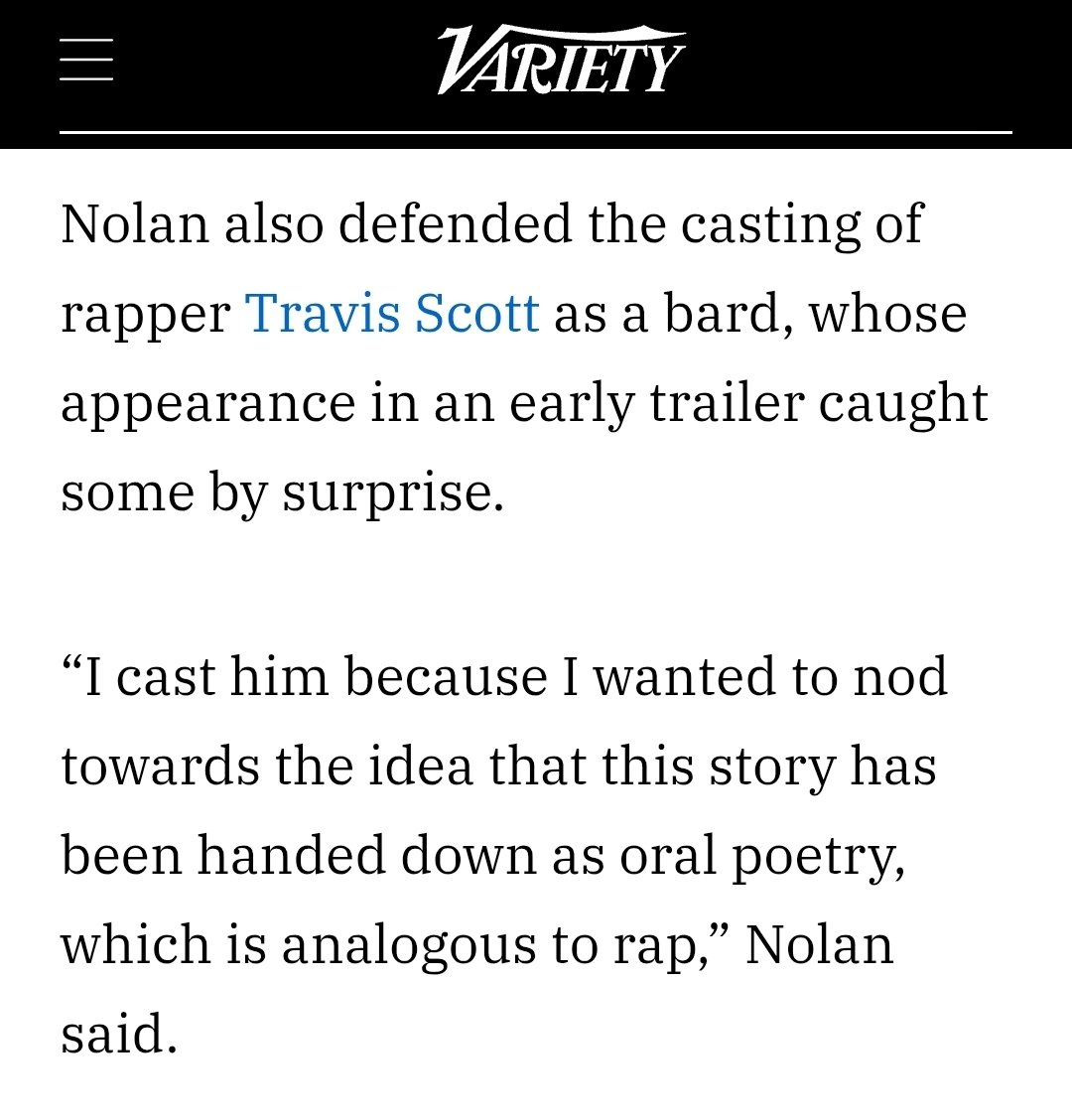
David, there's a difference between writing jokes and dirty poems and being crass. Travis' lyrics are trash. And that's ok. He has millions of followers who love that, and they are free to do so, as I am free to criticize Nolan's choice. That doesn't make me "reactionary." Now, I see you defend the Cuban dictatorship I escaped from. It's ok to see you go. Refrain from continuing this conversation.
English

@visualsancients Maybe it's a translation problem - which if so I apologize for misunderstanding your misunderstanding. But everyone from Shakespeare to Donne and everyone in between wrote beautiful, powerful stuff, as well as dirty trash. It's part of poetry.
English