tsaji_peah 🇲🇾🍉
28.4K posts


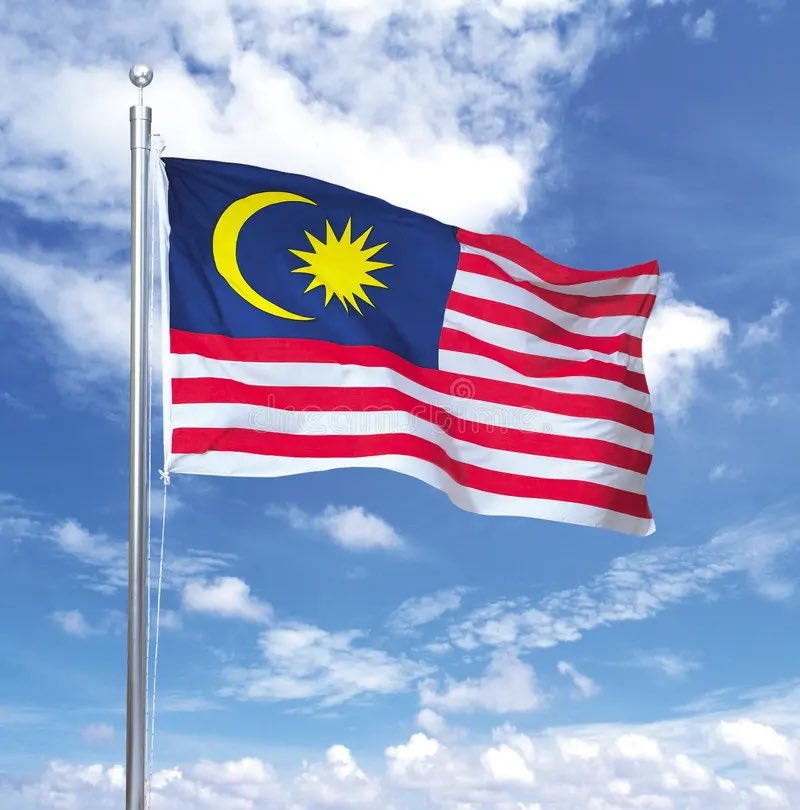
JUST IN: Malaysia just declared the U.S.-Malaysia trade deal null and void. Not suspended. Not under review. Null and void. “It is not on hold. It is no longer there.” Those are the words of Malaysia’s Investment, Trade and Industry Minister, Datuk Seri Johari Abdul Ghani. On the record. This week. The deal was signed five months ago in Kuala Lumpur by President Trump and Prime Minister Anwar Ibrahim at the ASEAN Summit. It cut tariffs from 47 percent to 19 percent. It was presented as proof that reciprocal trade works. It was the template. It no longer exists. The trigger was a Supreme Court ruling on February 20 in Learning Resources, Inc. v. Trump. The Court held that the International Emergency Economic Powers Act does not authorise presidential tariffs. IEEPA was the legal foundation beneath virtually every reciprocal tariff deal the administration signed. The Court pulled the foundation. Malaysia looked at the structure standing on nothing and walked away. No other country has done this yet. But fifteen nations are now under new Section 301 investigations launched March 11 and 12, covering structural excess capacity across sixteen economies and forced labour practices across sixty. The USTR pivoted to Section 301 within weeks of the ruling because it is the only remaining statutory vehicle for broad tariff authority. The pivot tells you the administration knows the legal ground shifted. The question every trade desk should be asking this morning is not whether Malaysia matters. Malaysia covers 12 percent of its exports to the US under the deal. The question is who follows. Every reciprocal trade agreement signed under IEEPA authority between 2025 and February 2026 now sits on the same voided legal foundation. Every counterparty government has the same option Malaysia just exercised. Every trade minister in every capital that signed one of these deals is reading the same Supreme Court opinion and asking the same question: is our agreement still enforceable? The answer, as of February 20, is that the legal basis no longer exists. The deals were signed under authority the Court has since ruled the President did not have. Malaysia is the first government to say that out loud. It will not be the last. The cascade risk is not theoretical. Roughly $500 billion in annual US trade flows run through the nations now under Section 301 investigation or bound by IEEPA-era reciprocal agreements. If even a fraction of those counterparties follow Malaysia’s precedent, the result is a simultaneous renegotiation of America’s trade architecture during a period when the Hormuz crisis is already driving energy and food inflation, the Fed is trapped at 3 percent core PCE with no room to cut, and US farmers cannot afford $900-per-ton ammonia. Carl Quintanilla posted the headline with the kind of brevity that tells you even CNBC does not know how to frame this. Because the frame is uncomfortable. The administration built a tariff architecture on a legal authority the Supreme Court ruled it never had. The first country to notice just tore up the deal on live television. The trade architecture, the fertiliser supply chain, the insurance market, the naval coalition, the planting calendar. One by one, the systems the global economy assumed were stable are revealing themselves as fragile. Malaysia just pulled another thread. open.substack.com/pub/shanakaans…


Great. This is good!


JUST IN 🇮🇷🇺🇸: CBS Confirms Iran has Destroyed 16 U.S. MQ-9 Reaper Drones Each one costs around $30 Million, bringing the total to about $480 Million in just MQ-9 drones