Walid Behlock
237 posts

Walid Behlock
@walidbehlock
Software Creative @nothing
Katılım Ocak 2013
169 Takip Edilen260 Takipçiler
Sabitlenmiş Tweet
Walid Behlock retweetledi

Lock Screen Updates.
We have introduced the lock screen clock face from Phone (3a) Community Edition, co-created with community member Jad Zock. It features an exclusive typeface style and a unique waking-up animation.
Lock screen customisation now also supports Depth Effect (Beta), along with adjustable clock sizes and alignment options so you can create a more personalised layout.
English

The MCP backlash today has been interesting to witness... turns out models are capable enough to read the messy web as is and figure it out
The Semantic Web tried to impose standards to make data machine readable 25 years ago, never hit critical mass. Same thing will happen with most of our tools, agents will learn to use them from docs and playing around, without the need for a universal spec
This is especially true on mobile, where agents that can navigate messy UIs and fragmented data will beat ones waiting for every niche app developer to implement a spec. Samsung is already betting on this with their S26, where Gemini navigates real app UIs in the background instead of asking developers for APIs. Right direction, but fragile
The real solve will be an OS level agent that understands you deeply enough that it doesn't need to pretend to be a user. Apps just need to expose a handful of core actions (order food, book ride, play playlist) as structured intents and let a lightweight on-device agent figure it out. Android is well positioned here, the foundation already exists
English

@antoine_os I want to see this happen but always end up missing my mac shortcuts so bad…
Any tips?
English

The blind box model (Labubu, gashapon) is centred around the transaction, that's when the dopamine hit happens. You either love it, trade it, or buy another box chasing rarity. The cultural power is also external, it's signalling, belonging, social currency.
STARBOY is interesting as it inverts both mechanics. The randomness doesn't happen at purchase, it evolves over the lifetime of the object, creating some kind of relationship model. You can't grind for a better outcome, can't optimise it. That's a different reward loop to anything in consumer tech right now.
Pretty sick release
Daniel Kuntz@dankuntz
Each STARBOY ships with a unique set of eyes. You don't know what color you'll get, and you can't alter it. There are over 5000 different looks, each with associated rarity.

English
Walid Behlock retweetledi

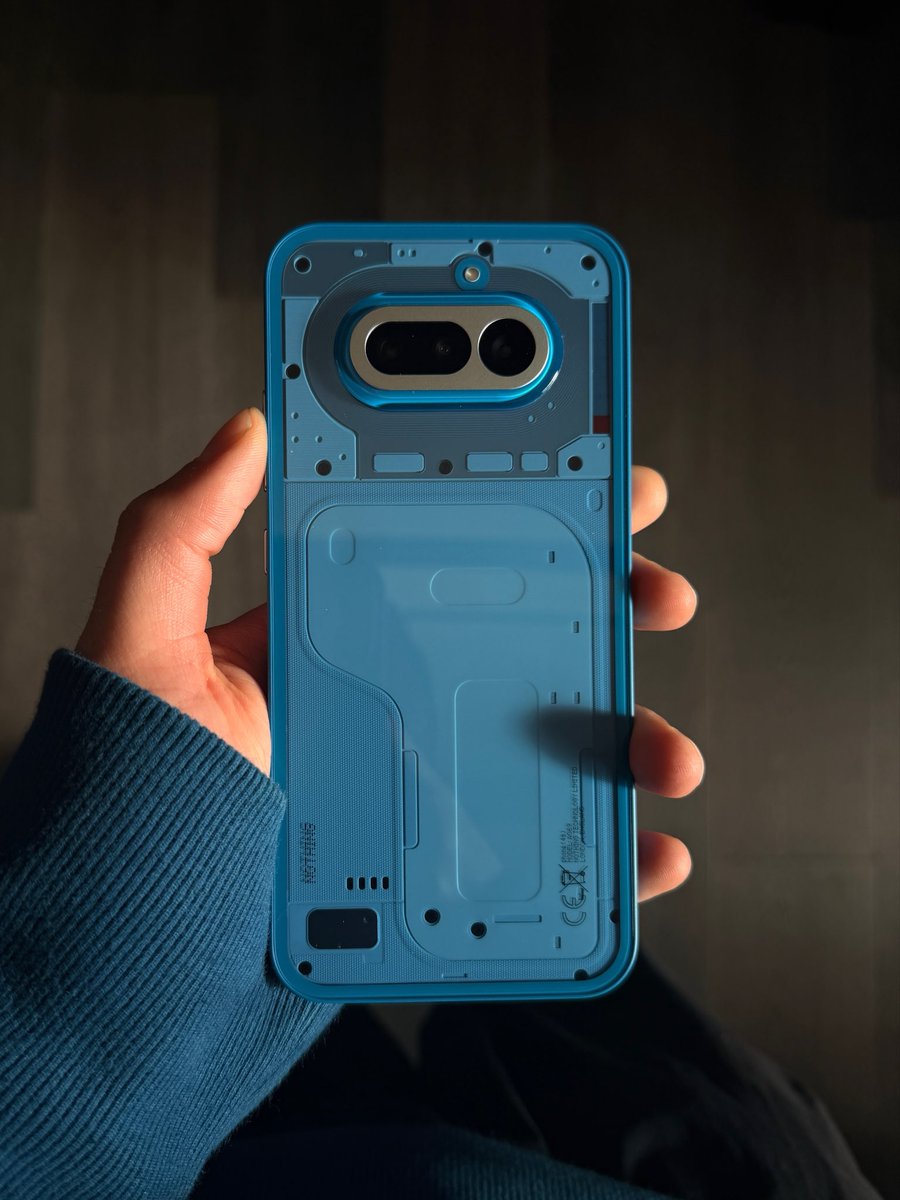
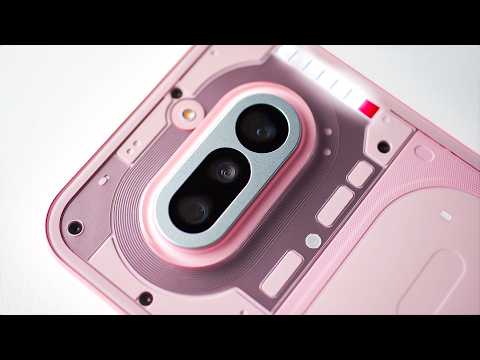
The new Nothing 4a Pro is here!
This keeps proving that Android has a wider advantage in uniqueness, personalisation and style.
And better cameras for less!

Nuevo.Tokyo™@nuevo_tokyo
The Android platform is only getting better and better — The best cameras on mobile devices, the best-looking phones… It can already fully replace your iPhone and your compact camera — and soon to get even better!

English

Your computer, finally personal.
Today we're launching Glaze, the second product in Raycast's history. It's a big moment for us, and I want to share the thinking behind it.
Something is fundamentally changing about software. We see it every day inside our own team. People who never wrote a line of code are now contributing directly to our codebase. The barrier between "having an idea" and "making it real" is collapsing. And that changes everything.
For six years, we've obsessed over what makes a great desktop app. The speed. The polish. The feeling of something that truly belongs on your computer. We've poured that into Raycast, and hundreds of thousands of people use it every day. But all that knowledge was locked inside our team.
With Glaze, we're commoditizing it. Everything we've learned about building beautiful, capable desktop apps is now available to everyone. Tell Glaze what you want and it builds a real app that lives in your dock or taskbar. It launches instantly, works offline, and taps into the full power of your desktop. Beautiful by default and personal when you want it to be.
It's fun for individuals and works just as well for teams. Our support team built a Glaze app connected to GitHub that runs their entire extension review workflow. Others have built dozens of internal tools. When you can shape software around how your team actually works, everything clicks.
Here's what gets me most excited: we think Raycast becomes even more important in a world full of Glaze apps. Glaze apps will be deeply integrated with Raycast, connecting them all together in ways nobody else can do. The two products make each other better.
A small team started building Glaze from scratch last summer. What they've shipped in that time still blows my mind. When we started Raycast, we set out to change how people use their computers. Glaze is the next chapter of that mission.
We're opening the private beta today, March 4th. Mac only to start. Existing Raycast users will get priority access soon. We can't wait to see what you create and I’ll share some of my apps over the next couple of days.
💠
Raycast@raycast
Today we're launching Glaze 💠 Create any desktop app in minutes by chatting with AI. Beautiful, powerful, and truly personal. Learn more on glazeapp.com Follow @glazeapp for updates.
English

Walid Behlock retweetledi

This isn’t the first time a shift like this happens and it won’t be the last.
I feel like what’s happening right now is what happened to photography — when everyone has an amazing camera and a publishing outlet to the entire world, we just get more of everything. Diversity and new ideas, class differences erased. But also a huge noise increase.
The people who would wade through the mud of challenges to master photography pre iPhones were on a path of commitment to being the best they could be. Nowadays the vast ocean of noise has weirdly dampened photography as an art. I for sure thought the opposite would happen, that people without the means to pursue photography in the pre-iPhone times would now have a stage, but they too drowned in the noise.
The same thing happened to sign making and many other fields of craft. It’s happening to software now. Average actual quality will go down and consumer expectations on quality will fall. Maybe the next 10-15 years is simply the cost of progress and we’ll build Star Trek-grade computers in a few generations from now.
Perhaps this is “good”, perhaps not. Regardless, it feels like desperate times of gold rush, not like a renaissance of software.
In some ways, software around 2010 felt like peak avg of quality. What did we culturally do back then that we changed or stopped doing, I wonder…
English