
Sabitlenmiş Tweet
walo
52.4K posts

walo
@walohaw
音と映像、写真や絵画で感動を!🌴🌺🍀☀️🌈🐬 東京市麻布区の頃から数世代にわたって都民 モータースポーツ、サッカー、大らかに楽しむAV(Audio&Visual)ホームシアター 🎹🎻🎷🥁🎵
Tokyo, JAPAN Katılım Mayıs 2010
3.8K Takip Edilen6K Takipçiler


walo retweetledi


walo retweetledi

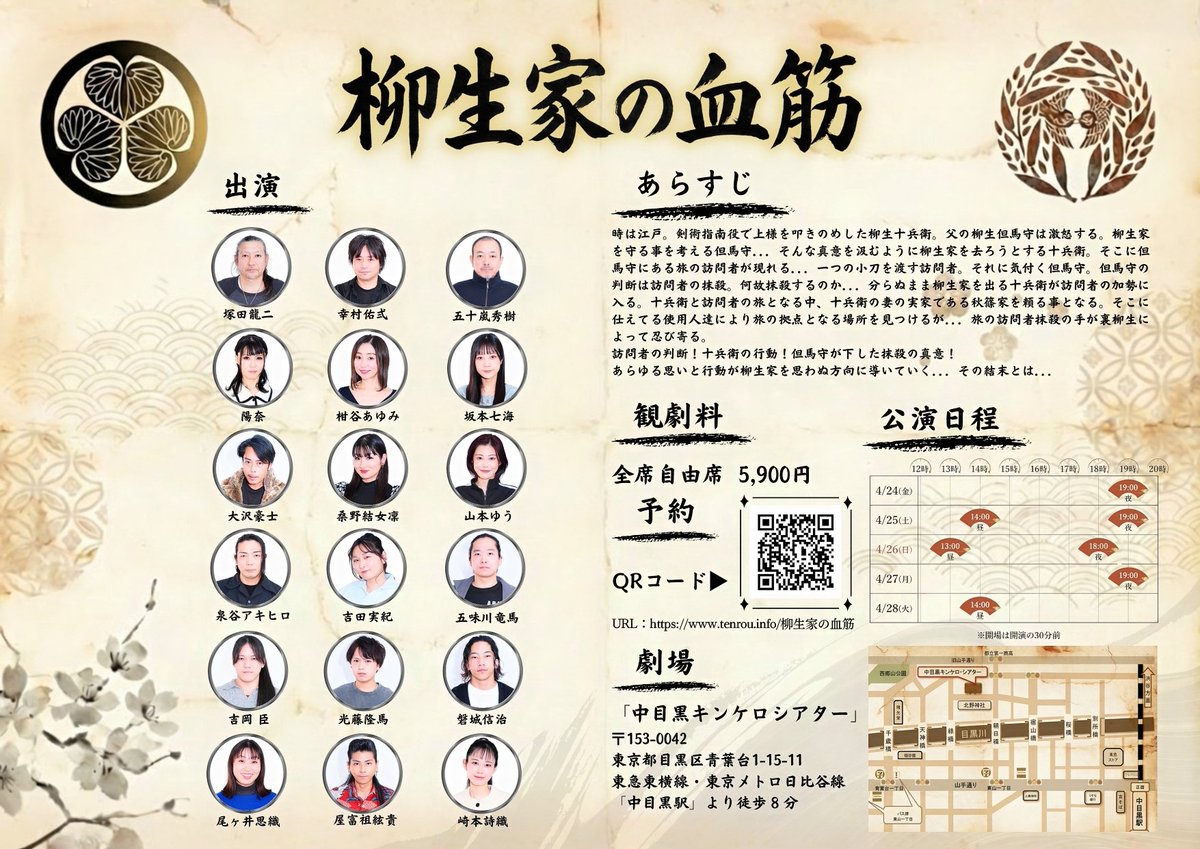
ご予約ありがとうございます🙇♀️
ゆめりちゃんとぽんこつおそろ💗
今回2人の関係性は…!?
稽古帰りに気になった #嶋崎屋 のチーズあんまきを買ってみたのだけど…
クリームチーズと餡子の相性が絶妙すぎてコレ好き🫶
7/20のご予約も開始しました…
lit.link/nightmear2026
ご予約お待ちしております✨



日本語
walo retweetledi

BREAKING : Spanish PM 🇪🇸 Pedro Sánchez gave SHOCK to Trump with his courage 🔥
🇺🇸 Trump at 10 AM –– "We are going to withdraw support from NATO nations which didn't help me against Iran"
🇪🇸 Pedro at 10 PM –– "We are going to reopen Spanish embassy in Tehran, Iran 🇮🇷 to help them achieve peace and stability. We don't fear any retaliation"
No amount of threats and warnings are working against Pedro Sánchez 🫡
English
walo retweetledi
walo retweetledi
walo retweetledi

🚨 MAJOR BREAKING: Pakistan just said it directly.
The ceasefire included Lebanon.
Not implied. Not assumed. Not lost in translation.
Included.
Pakistan’s Prime Minister put it in the announcement. In writing. With U.S. involvement.
And now Israel is bombing Beirut. And Vance calls it a “reasonable misunderstanding.”
And Netanyahu says Lebanon was never part of the deal.
Someone is lying.
English
walo retweetledi

高市早苗は国会で約束した通り、イラン大統領に電話をかけた。これが初めての対話。しかし高市はイランがホルムズ海峡に通行料を課する権利はないと批難しただけだった。これは交渉ではない。日本の長年の友好国イランと敵対し、状況を悪くするだけ。国益を損ねることしかしない
Shanaka Anslem Perera ⚡@shanaka86
JUST IN: Japan’s Prime Minister just called Iran’s President. Twenty-five minutes. The first top-level contact between Tokyo and Tehran since the war began. And every word Takaichi chose was a weapon disguised as diplomacy. She called the Strait of Hormuz a vital artery for global logistics and an international public good. That phrase, international public good, is the most precisely calibrated language any leader has used since the ceasefire was announced. It is a direct legal rejection of Iran’s toll system without naming it. Under international law, a public good cannot be privatised. A public good cannot charge admission. A public good cannot require a secret code from an IRGC intermediary, a yuan payment to a military contractor, and an armed escort through territorial waters near Larak Island. Takaichi did not say this by accident. Japan imports 94.2 percent of its crude oil from Arab nations, nearly all of it transiting Hormuz. In February 2026, Japan imported 74.13 million barrels of crude. The effective closure of Hormuz forced Tokyo to release 80 million barrels from its national strategic reserves, enough to cover 45 days of domestic demand. The Nikkei has fallen 11 percent since the war began. The yen weakened to 20-month lows. The Bank of Japan warned of oil-driven inflation and markets are pricing a 70 percent chance of a rate hike this month. Japan’s entire economic stability is tethered to a 34-kilometre channel that an IRGC military council now controls through a toll booth it legislated on March 31. Takaichi’s call adds Japan to the coalition that is forming against the toll precedent. Oman’s transport minister told parliament today that international agreements prohibit Hormuz fees. Saudi Arabia, the UAE, and Bahrain called the tolls unacceptable. Trump offered to help with the traffic buildup. And now Japan, the world’s fourth-largest economy, has formally defined the strait as an international public good on a direct call with the Iranian president, creating a diplomatic record that can be cited at Islamabad on Friday and at every international forum thereafter. But Takaichi also spoke to Pezeshkian, not to the IRGC military council that actually runs the toll booth. Pezeshkian is the civilian president of a regime where the civilian president does not control the military, the intelligence apparatus, the provincial commands, or the strait. Takaichi’s statement will be filed in Tokyo. The IRGC’s clearance codes will still be issued at Larak. The gap between what diplomats say and what military operators do is the gap the ceasefire was built on, and it is the gap that will determine whether the toll precedent becomes permanent. Japan released 80 million barrels of reserves because it could not access the strait. It will now pay tolls to access the strait, or reroute around the Cape of Good Hope at $5 per barrel in additional shipping costs, or rely on US naval escorts that Trump described as “hangin’ around” to make sure everything goes well. None of these options restore the status quo ante. The strait that was free before the war is now either tolled, militarised, or both, and Japan’s 94 percent dependence means it absorbs the cost regardless of which option it chooses. The Strait of Hormuz was an international public good. It is now a contested chokepoint. And the distance between those two descriptions is measured in yuan. open.substack.com/pub/shanakaans…
日本語
walo retweetledi
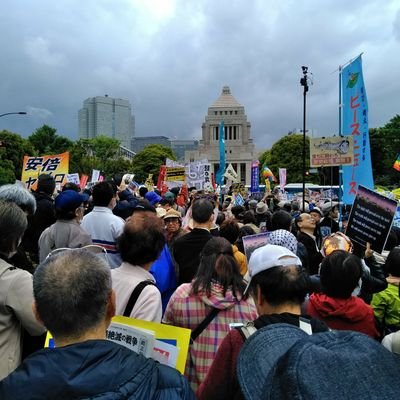
憲法改正反対デモ、全国へ連帯の輪広がる 国会前には3万人
mainichi.jp/articles/20260…
8日は全国の他137カ所でも関連する活動が開催されたといい、連帯の輪が広がっています。
日本語
walo retweetledi

walo retweetledi

🚨🇮🇷🇩🇪 BREAKING: Iran accuses Germany of hypocrisy.
"On one hand the German chancellor says that Israel is doing a dirty job, on the other hand, they support the same 'dirty job.' This is extremely shameful."
English

walo retweetledi

JUST IN: 🇺🇸🇮🇷 US and Iran did not discuss a specific time for when the ceasefire will begin, AP reports.
Both Israel and Iran are still firing missiles at each other, while American forces halted offensive operations for now.
English
walo retweetledi

So let me get this straight…
•$40 billion spent
•300+ Americans wounded
•Over a dozen killed
•Oil prices doubled
•U.S. bases severely damaged
And what do we get?
Iran keeps its uranium.
No nuclear deal.
The Strait of Hormuz still unstable.
And the world sees us as weaker, not stronger.
Sounds about right for a Trump deal.
English
walo retweetledi
JUST IN: 🇮🇷🇮🇱 Iran launches new wave of missiles towards Israel 10 minutes after President Trump announces 2-week ceasefire, IDF says.
English
walo retweetledi

The U.S. has bombed Iran’s largest aluminum plant.
This is a humanitarian disaster.
Some of the world’s most toxic fumes are from burnt aluminum.
Why is Trump obsessed with harming civilians?

English
walo retweetledi

We’re just three people away from stopping Trump’s madman meltdown.
Three.
That’s the number of House Republicans who — if they chose to act — could change history. Right now.
By demanding he step down, voting to impeach, or flipping control of the House.
English
walo retweetledi
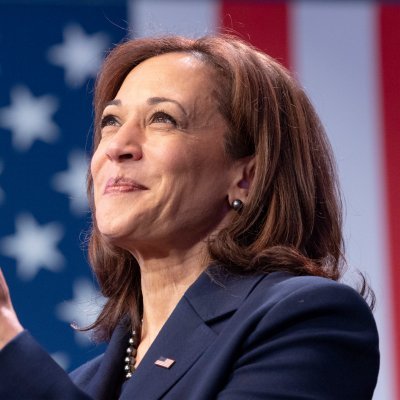
The President of the United States is threatening to commit war crimes and wipe out a "whole civilization" — all because he started a disastrous war of his own making and had no plan and no strategy for how to end it.
This is abhorrent, and the American people do not support this.
Trump's recklessness is needlessly putting our brave service members in harm's way, destroying America's global standing, and making life even more unaffordable for the American people.
We must all stand against this and oppose funding this illegal war of choice.
English
walo retweetledi

@walohaw 最近テレビをJoshinで買いまして
2か月で消失する30000ポイント
何に使おうか迷ってました。
プレステ5も頭をよぎったのですが
携帯ゲームならともかく中々鎮座してゲームする気力も昔から比べるとなくなり
ずっと気になってた4Kレコーダーなら後悔しないなと思い決断に至りました💦
日本語
DMR-ZR1 注文しました。
4K対応のレコーダーは持ってなかったので
何ヶ月先になるか分かりませんが楽しみです。
walo@walohaw
日常のありがたみ 2枚目-DMR-ZR1 3枚目-UDP-LX800 映像以上に音の違いが大きい... なんてどうでも良く思えてくる プーが腹立たしい 🇺🇦❤️
日本語