What Doctors Don't Tell You

4.8K posts

What Doctors Don't Tell You banner
What Doctors Don't Tell You

What Doctors Don't Tell You

@wddty

Empowering you with the knowledge to prevent and reverse chronic diseases, and live a vibrant disease-free life.

US | UK | EU | AU | CA | NZ Katılım Mart 2013
2.9K Takip Edilen4.4K Takipçiler
What Doctors Don't Tell You
Testosterone isn’t just a “male hormone.” It plays a vital role in women’s energy, metabolism and libido too. Marcelle Pick shares what you need to know about testosterone imbalance and how to restore your levels naturally Maria was always tired, and she had irregular periods and no sex drive. When I told her that I thought we needed to test her testosterone levels, her response was, “Testosterone? Isn’t that only an issue for men?” She’s not the first woman to look at me in confusion when I bring up testosterone. So many people think the way she did, assuming testosterone levels are only a concern for men—but they couldn’t be more wrong. The truth is, all sex hormones are relevant regardless of a person’s sex. Of course men and women need different levels of specific sex hormones for their bodies to function properly. Men have higher levels of testosterone, while women produce more estrogen and progesterone. But we should all produce at least a little of each, and the proper balance is essential for everyone. Here’s what you need to know about testosterone and some key tips for balancing this important androgen naturally. wddty.com/features/why-w… #TestosteroneBalance #WomensHealth #HormoneHealth #HormoneBalance #TestosteroneForWomen #HealthyHormones #WomenWellness
What Doctors Don't Tell You tweet media
English
0
0
2
52
What Doctors Don't Tell You
Dr Leigh Erin Connealy outlines her 10 essentials for cutting your cancer risk and upping your vitality and longevity. Find out. more: bit.ly/3ORs7nB 1. Get regular checkups 2. Manage your metabolic health 3. Eat an antioxidant-rich, anti-inflammatory diet 4. Detox daily 5. Regulate your circadian rhythm 6. Strengthen your emotional resilience 7. Move with purpose 8. Reduce your toxin exposure 9. Avoid EMFs whenever possible 10. Get grounded #CancerPrevention #HealthTips #Longevity #WellnessJourney #HealthyLifestyle #DetoxDaily
What Doctors Don't Tell You tweet media
English
0
0
2
55
What Doctors Don't Tell You
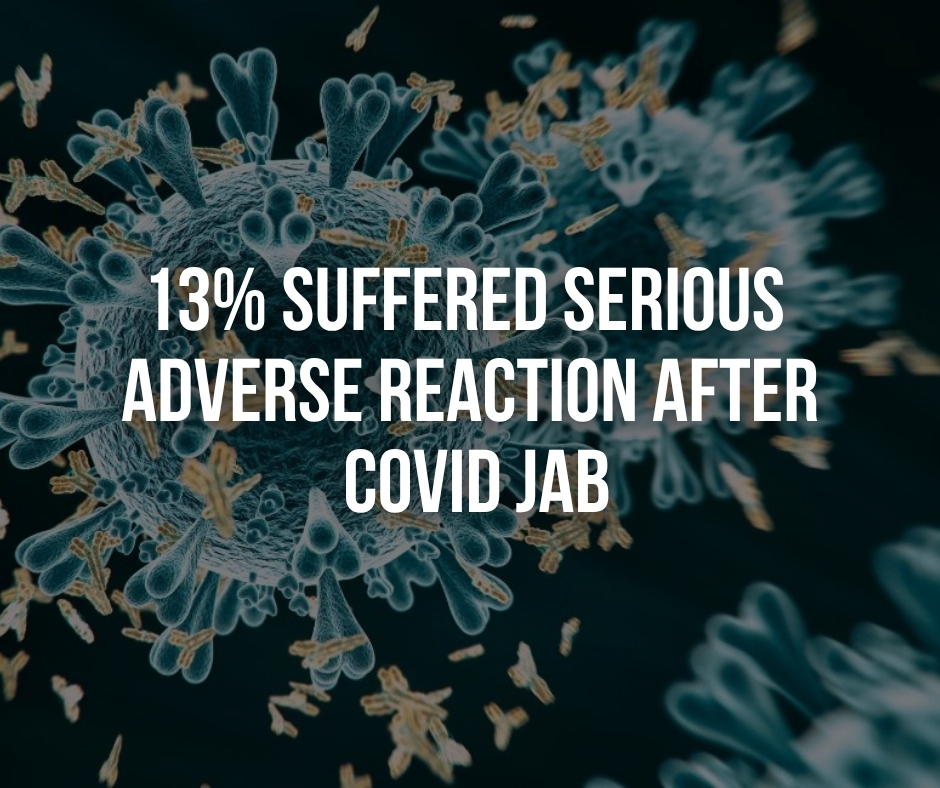
Around 13 percent of people given a Covid vaccination suffered serious adverse reactions, official government figures have revealed. The alarming figures were revealed by the UK’s Medicines and Healthcare products Regulatory Agency (MHRA), which had been testing the effectiveness of the Yellow Card system, where doctors can report side effects. The system tracked 36,604 people who registered to participate in the study, and 30,281 received a Covid vaccination.  Of these, 15,764, or 52.1% of the vaccinated group, reported experiencing at least one adverse reaction, although it quickly passed.  But 4,134, or 13.7% of the vaccinated group, reported an event that was medically serious, requiring medical and hospital treatment. The participants were tracked for an average of 184 days, far longer than the average drug trial.
What Doctors Don't Tell You tweet media
English
1
5
9
118
What Doctors Don't Tell You
New Alzheimer’s drugs—hailed as breakthrough’ therapies—don’t work. The drugs, donanemab (Kisunla) and lecanemab (Leqembi), are supposed to slow cognitive decline in early-stage Alzheimer’s by attacking beta amyloid, proteins that form into plaques in the brain and interfere with neural signalling. Studies sponsored by the manufacturers showed they were working—but a review by independent researchers has concluded that the benefits were “well below” what was needed to make a difference to dementia patients’ lives. Read more: bit.ly/4dZi4aj #AlzheimersResearch #DementiaAwareness #BrainHealth #CognitiveDecline #AlzheimersDrugs
What Doctors Don't Tell You tweet media
English
0
1
3
133
What Doctors Don't Tell You
@SamaHoole The AHA predicts that around 60 percent of American women will be suffering from cardiovascular disease (CVD) by 2050.
English
1
0
0
762
Sama Hoole
Sama Hoole@SamaHoole·
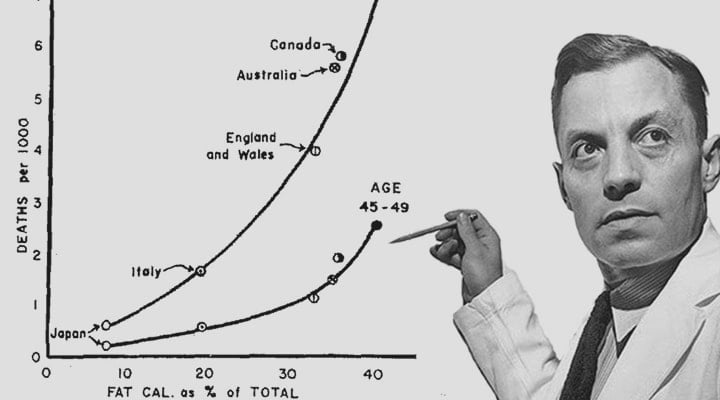
In 1953 an American physiologist called Ancel Keys stood up at a World Health Organization conference in Geneva and presented a graph. The graph plotted fat consumption against heart disease mortality in six countries. The United States at the top. Japan at the bottom. A smooth upward curve in between. The room was convinced. The graph would go on to define global nutrition policy for the next seventy years. There was one small problem with the graph. Keys had data from twenty-two countries. He chose six. The other sixteen, which included France and Switzerland eating vast quantities of butter and cheese with low heart disease, and countries like Chile eating almost no animal fat and having high heart disease, did not produce the line he wanted. So they were not on the graph. When this was pointed out, in print, at the time, Keys did not engage with the science. He launched a career. He became chair of the American Heart Association's nutrition committee. He got himself on the cover of Time magazine. He organised the Seven Countries Study, a sequel to the cherry-picked six, which selected populations and time points that would confirm his hypothesis and excluded those that would not. Crete was measured during Lent. The comparisons were, by design, not fair. Then he did the thing that turned him from a scientist into a politician. He went after the opposition. Dr John Yudkin, a British physiologist, published a book in 1972 called Pure, White and Deadly, arguing that sugar was a better fit for the heart disease data than fat. His data covered more populations, more years, and more accurately matched the rise in cardiovascular mortality across the twentieth century. Keys called him, in print, a charlatan. He used his position at the AHA to block Yudkin's research from conferences. He pressured editors. He lobbied funders. Yudkin's grants dried up. His reputation was systematically dismantled by a man who was, at this point, not doing science but running a protection racket for a hypothesis. Yudkin died in 1995 in obscurity. His work has since been quietly vindicated. Nobody has apologised. Meanwhile the American Heart Association, funded since 1948 by a $1.7 million donation from Procter and Gamble (makers of Crisco, a product that urgently needed a reason for Americans to stop cooking with lard), adopted Keys's recommendations and issued them as medical advice. The American public complied. Butter consumption collapsed. Margarine tripled. Seed oils, negligible in 1950, became the dominant cooking fat. The food industry reformulated thousands of products to remove fat and replace it with sugar, because the fat was the enemy and the sugar was not. American obesity rates, stable for fifty years, began to climb in 1977, the year the McGovern committee translated Keys's hypothesis into federal guidelines. They have not stopped climbing since. Type 2 diabetes followed. Metabolic syndrome followed. Fatty liver disease, which barely existed in 1950, became endemic. The entire constellation of chronic metabolic disease now occupying every doctor surgery in the developed world tracks, almost perfectly, onto the adoption curve of the guidance Keys spent his career promoting. He retired to Italy, drank olive oil, ate cheese, lived to 100, and described himself in interviews as a pioneer. He was a pioneer. He pioneered the practice of producing a predetermined conclusion from selective data, destroying the reputations of anyone who noticed, and using institutional capture to convert the conclusion into policy. Ancel Keys was not wrong the way scientists are sometimes wrong. Ancel Keys was wrong the way politicians are wrong. Deliberately. Profitably. Without consequence. You are still eating the consequences now.
Sama Hoole tweet media
English
117
1.5K
3.3K
107.8K
What Doctors Don't Tell You retweetledi
Shining Science
Shining Science@ShiningScience·
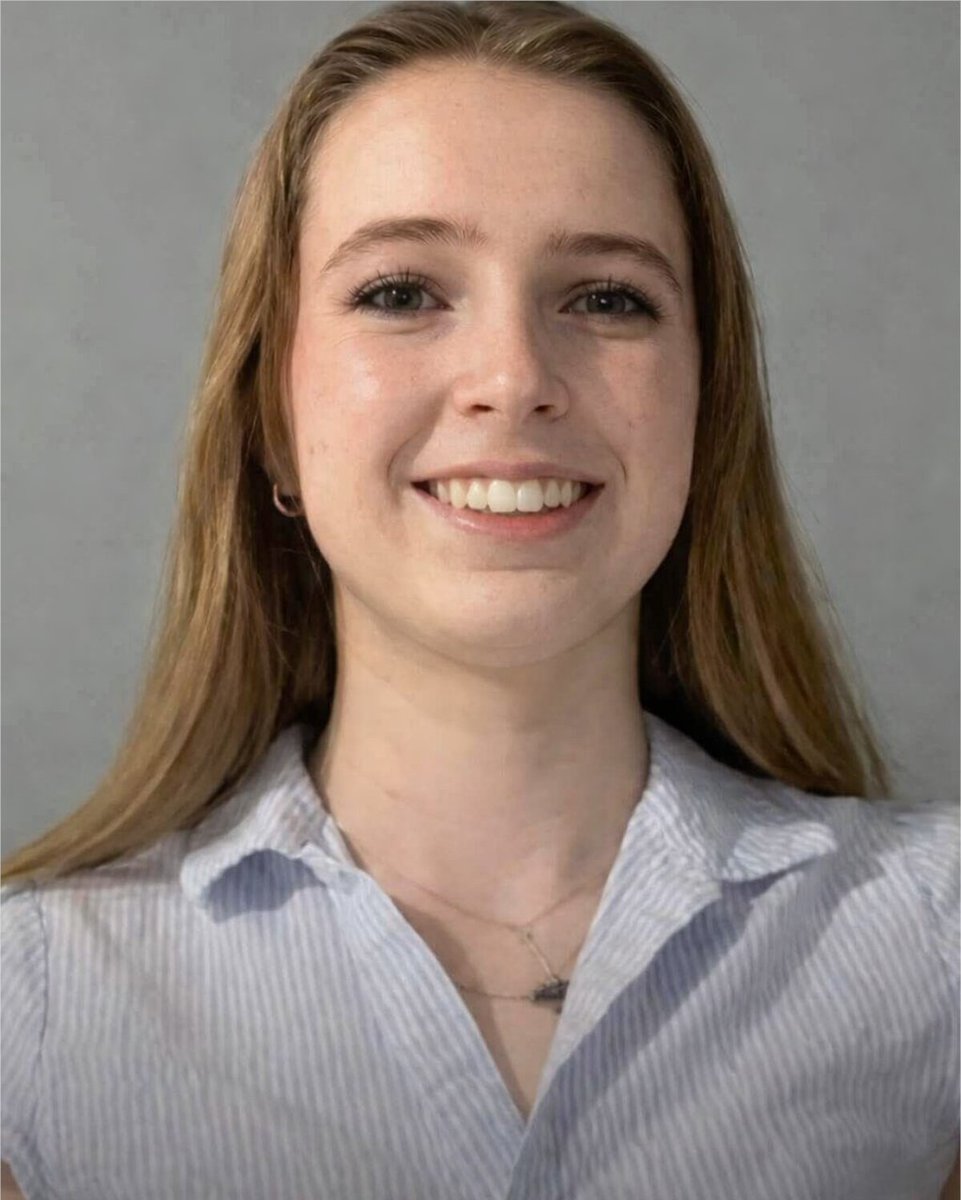
🚨: Mia Heller, high school student, 18, invents water filter that eliminates 95.5% of microplastics.
Shining Science tweet mediaShining Science tweet media
English
407
3.2K
22.9K
14.1M