#EAPhilanthropyNetwork@EAPhilanthropy
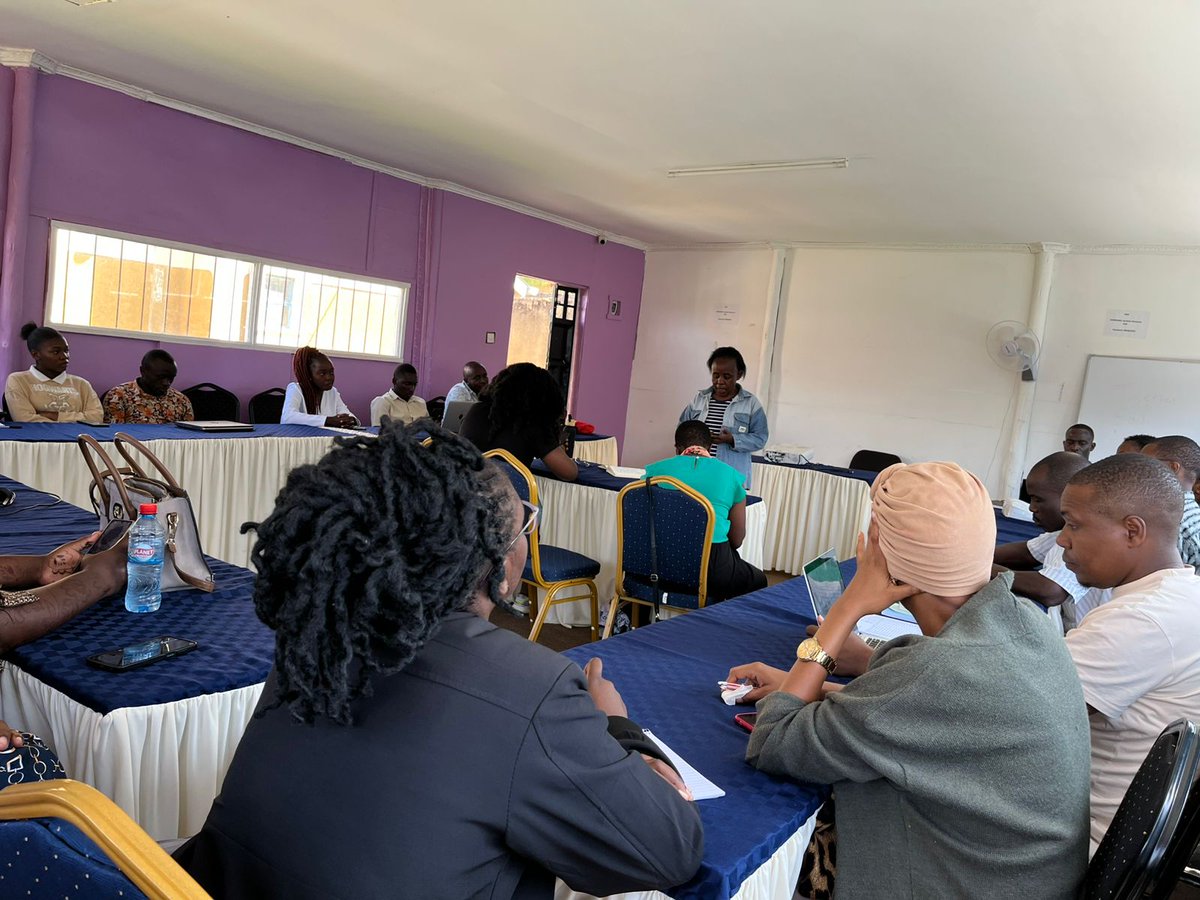
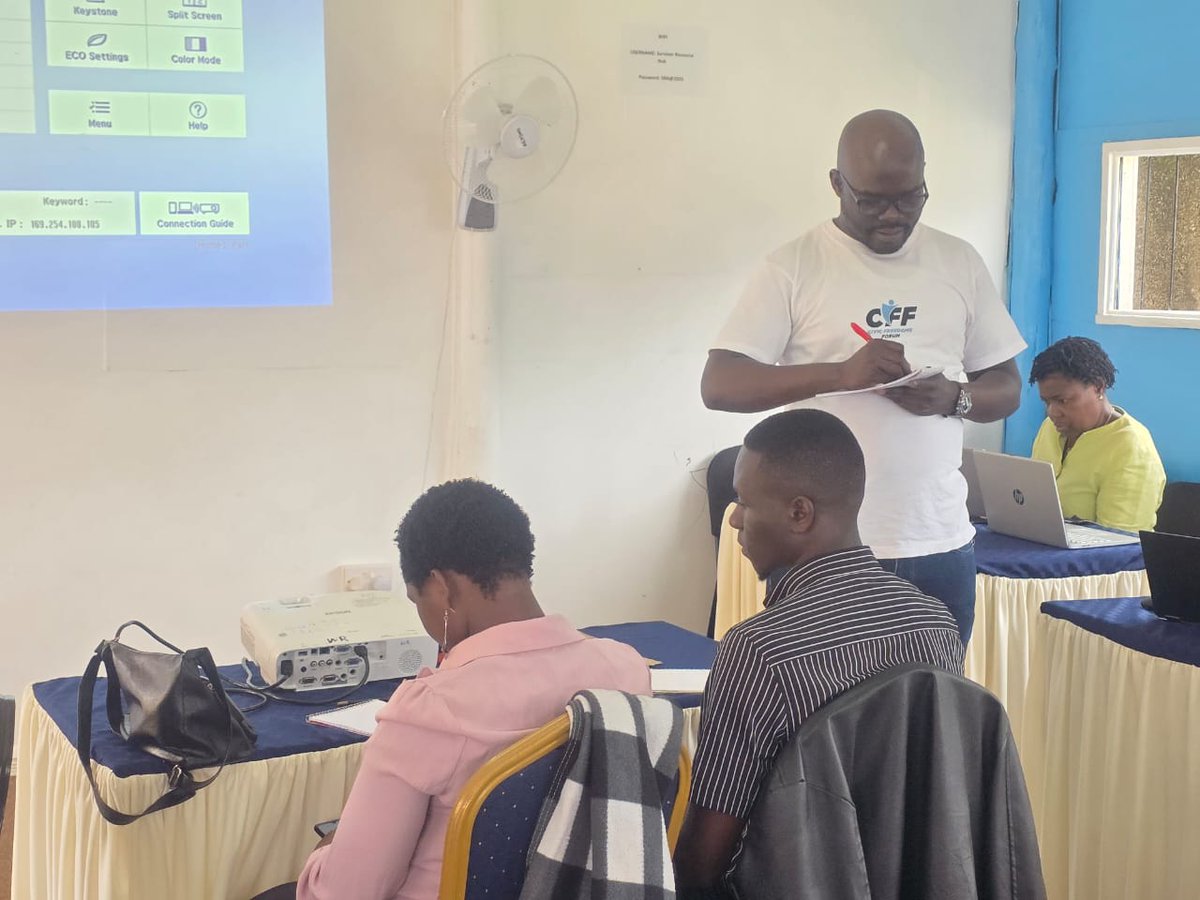
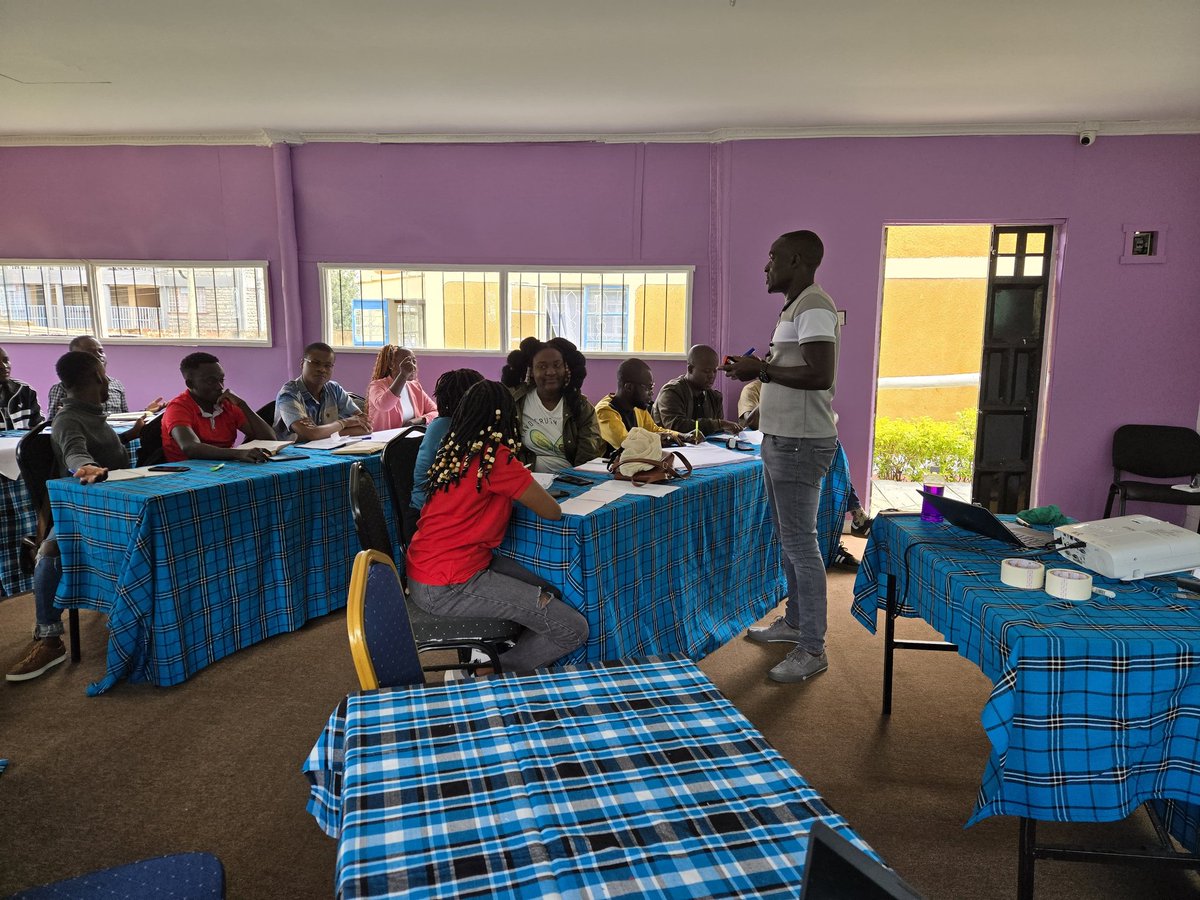
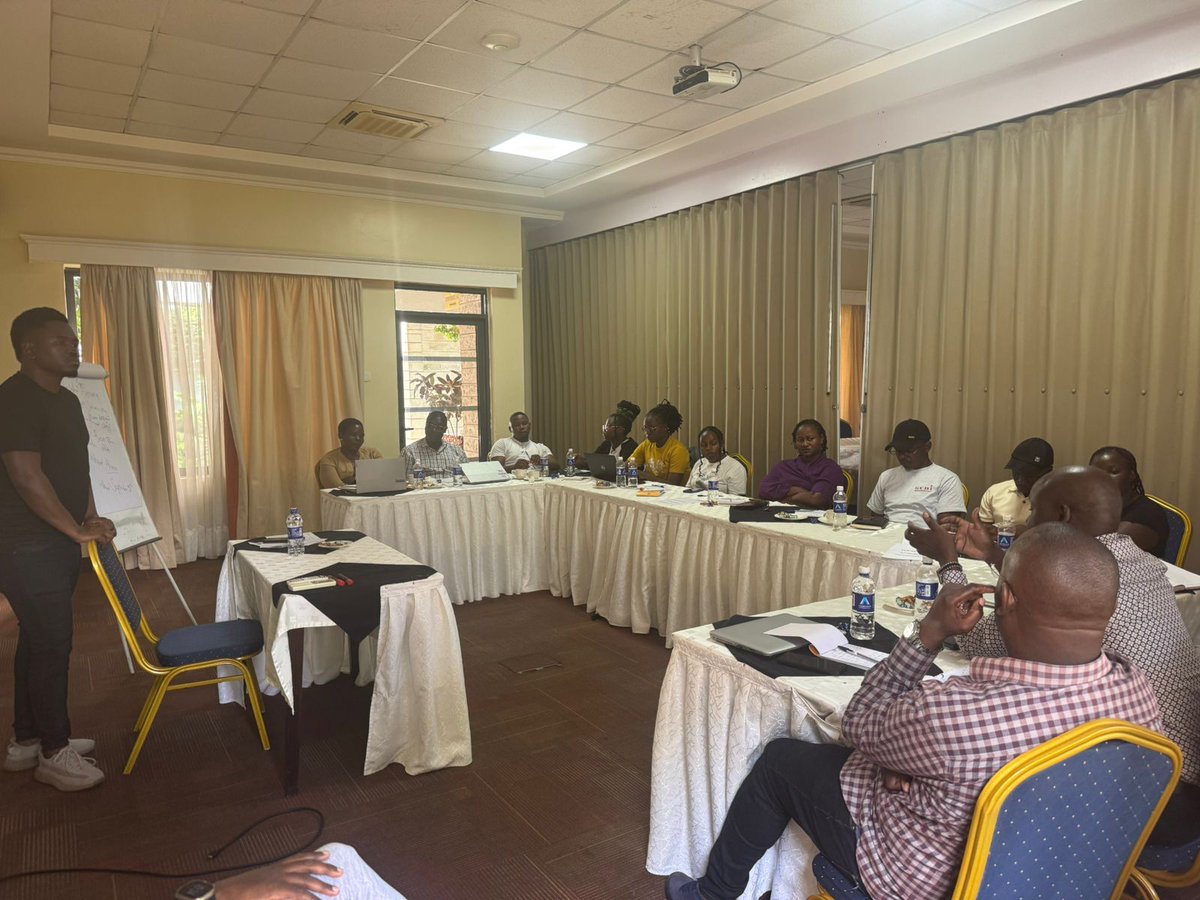
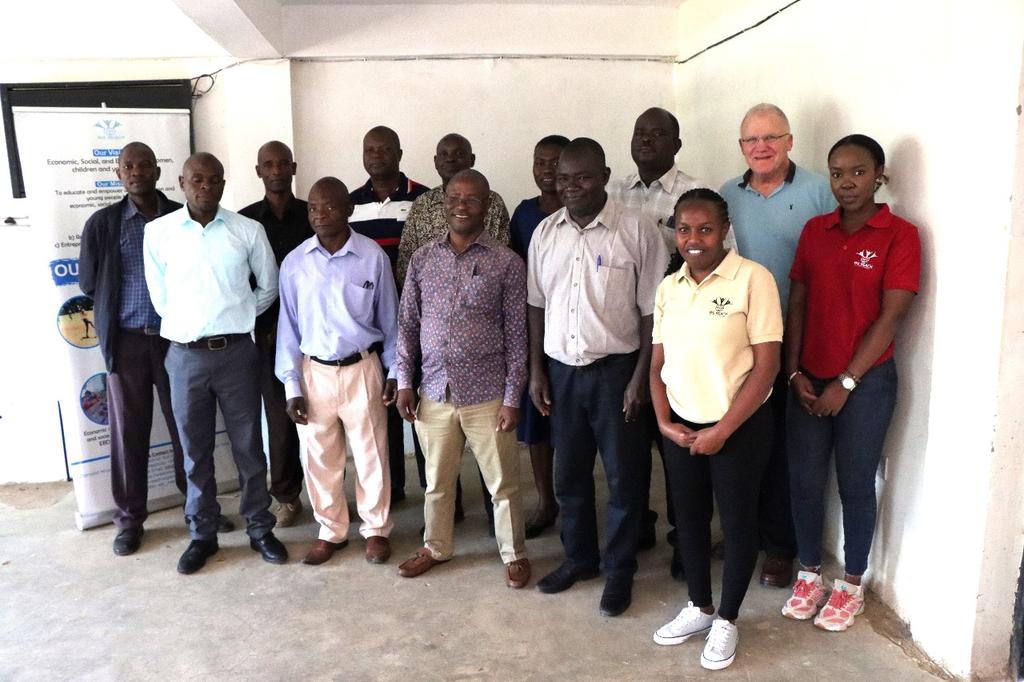
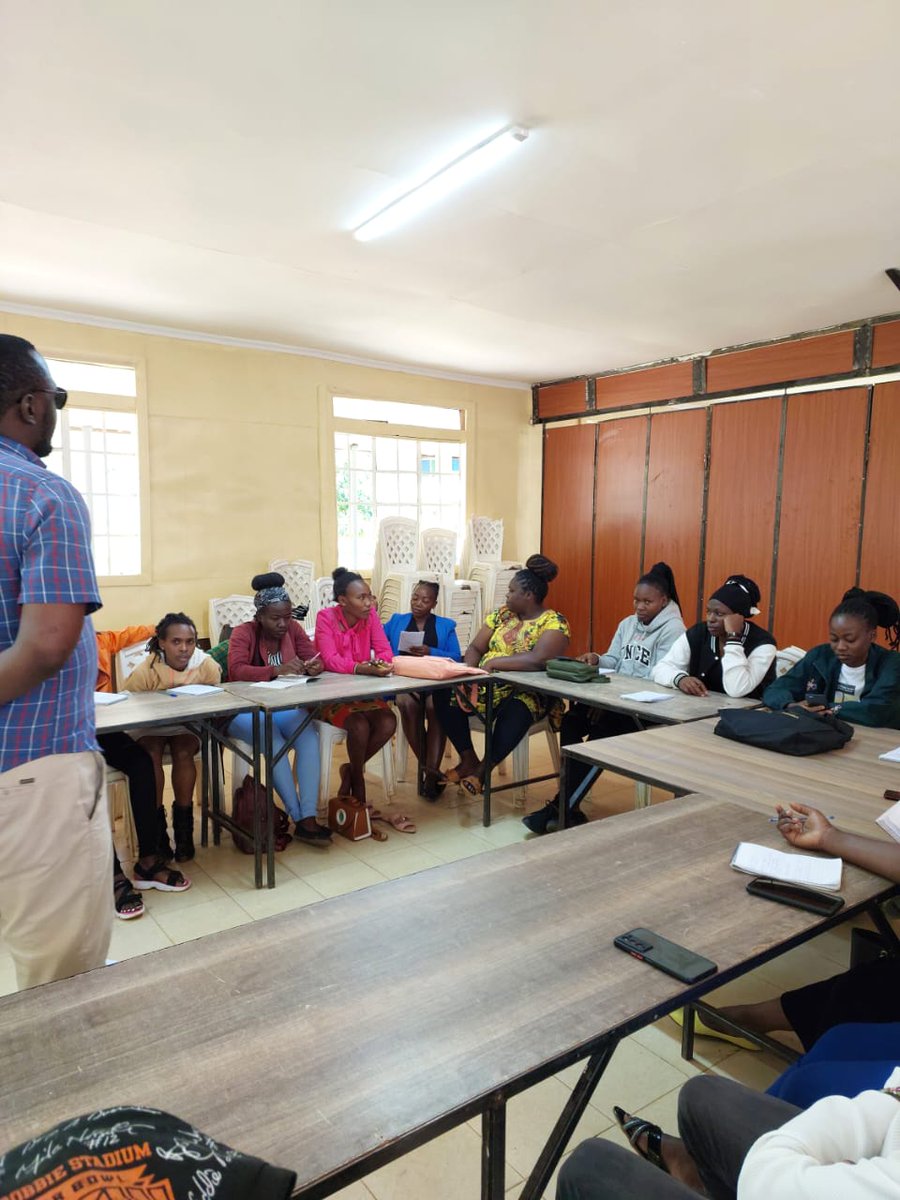
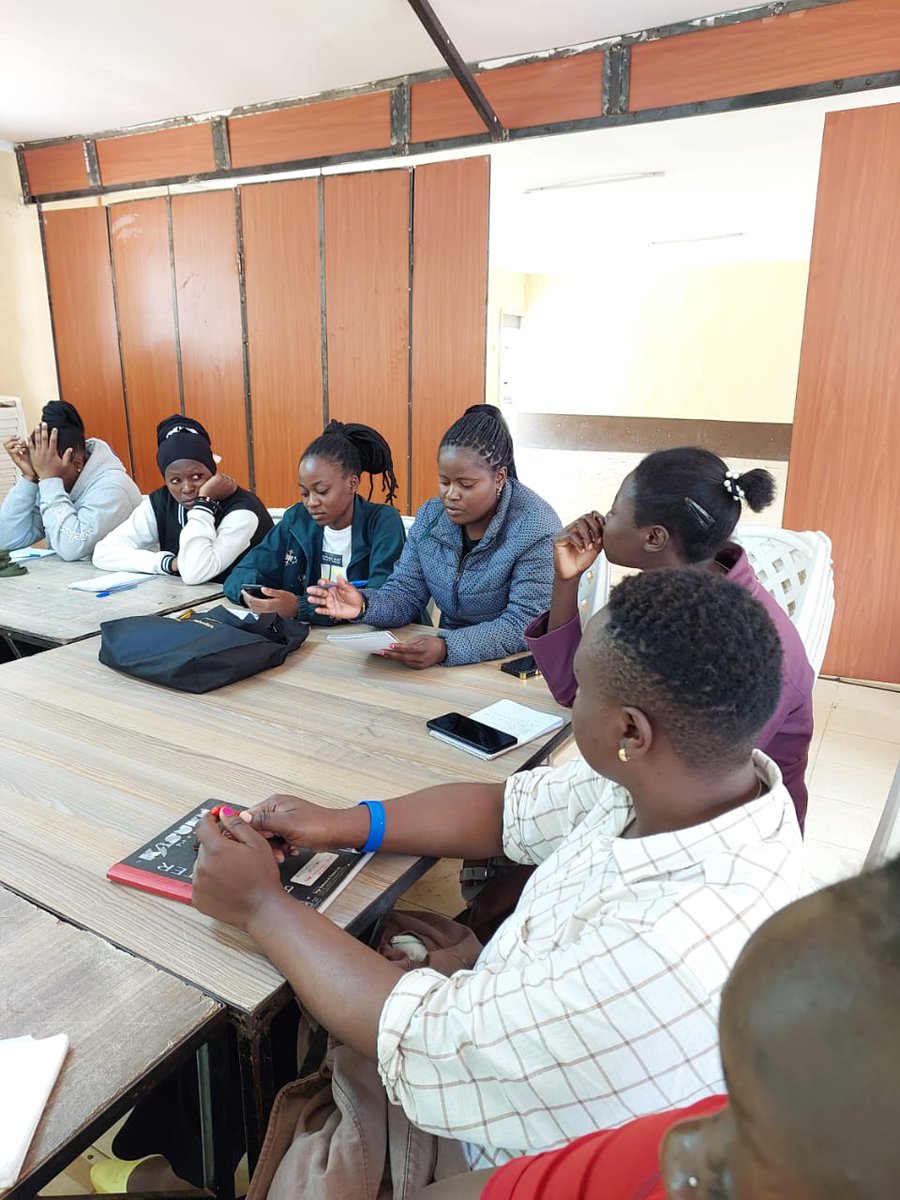
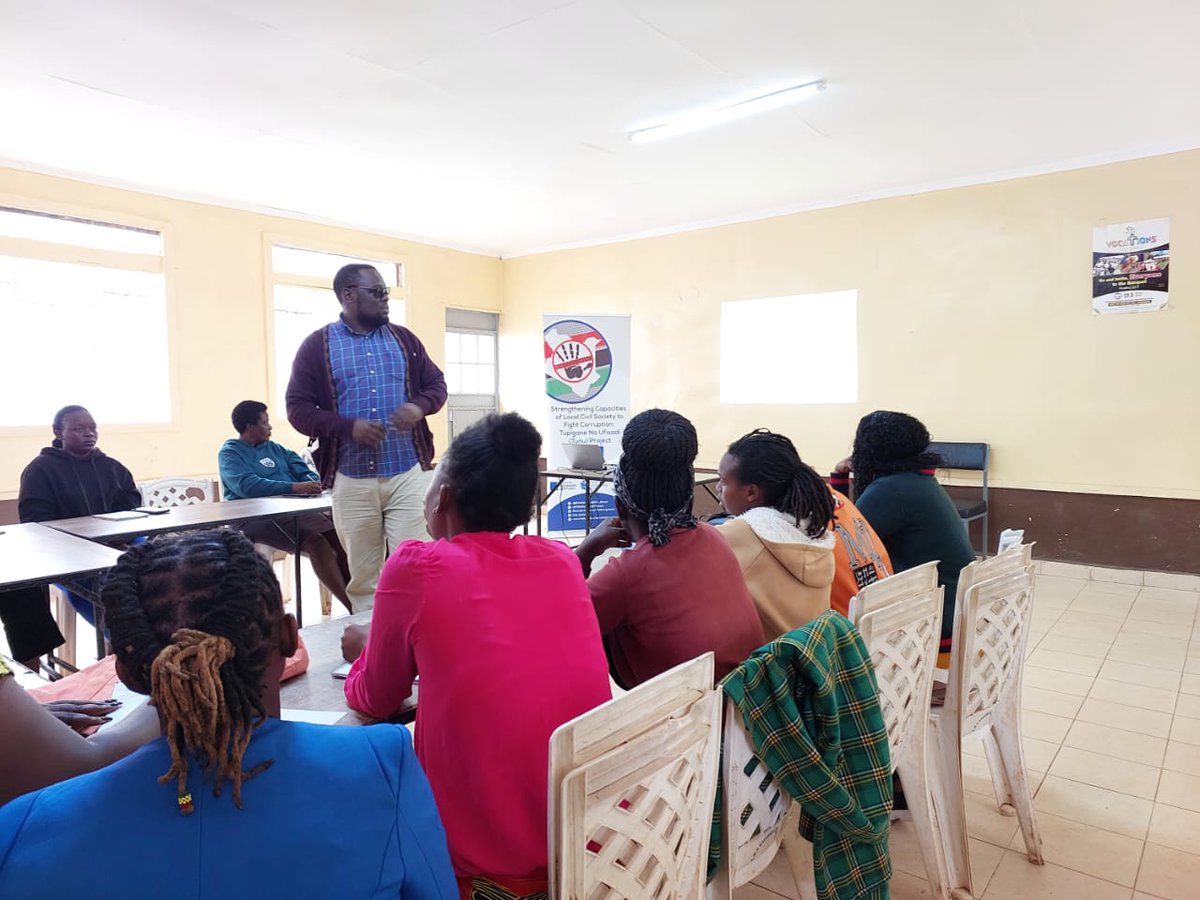
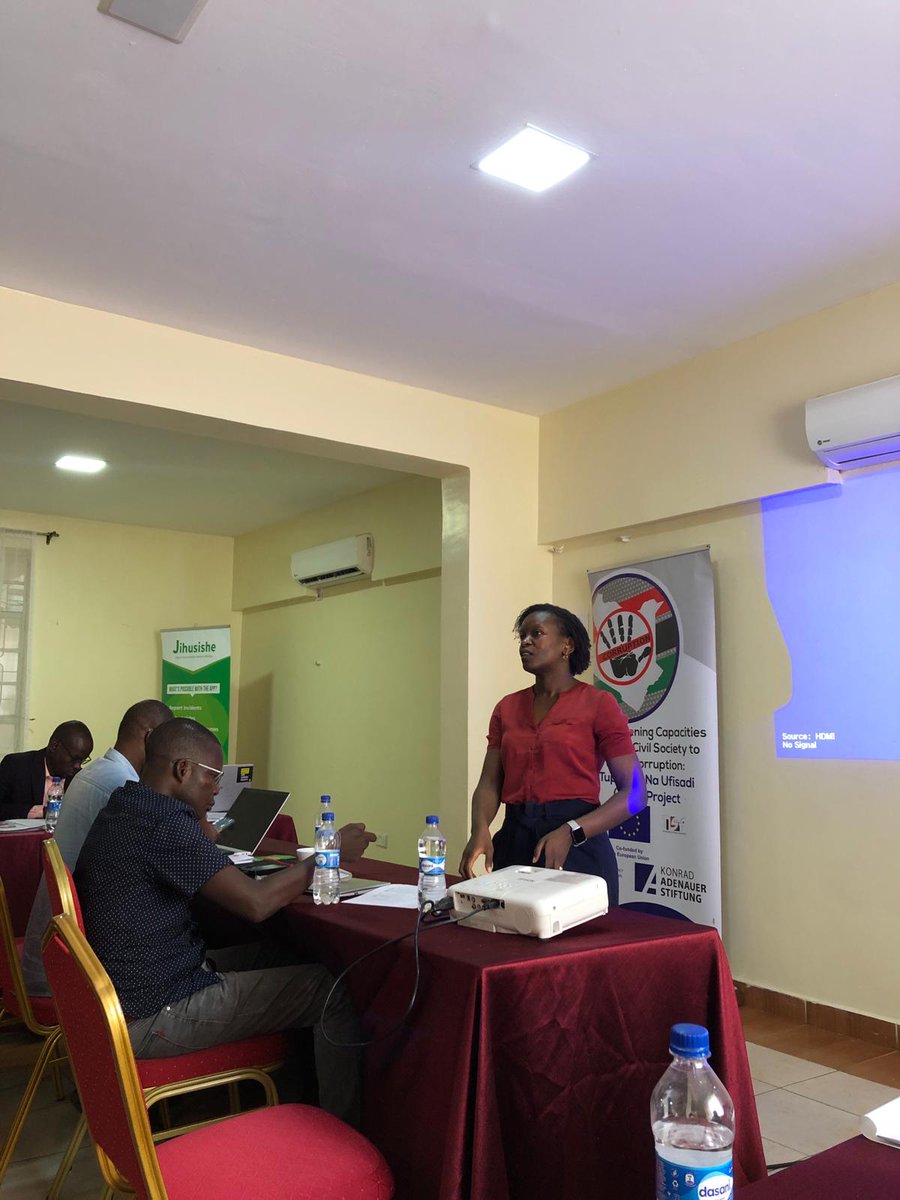
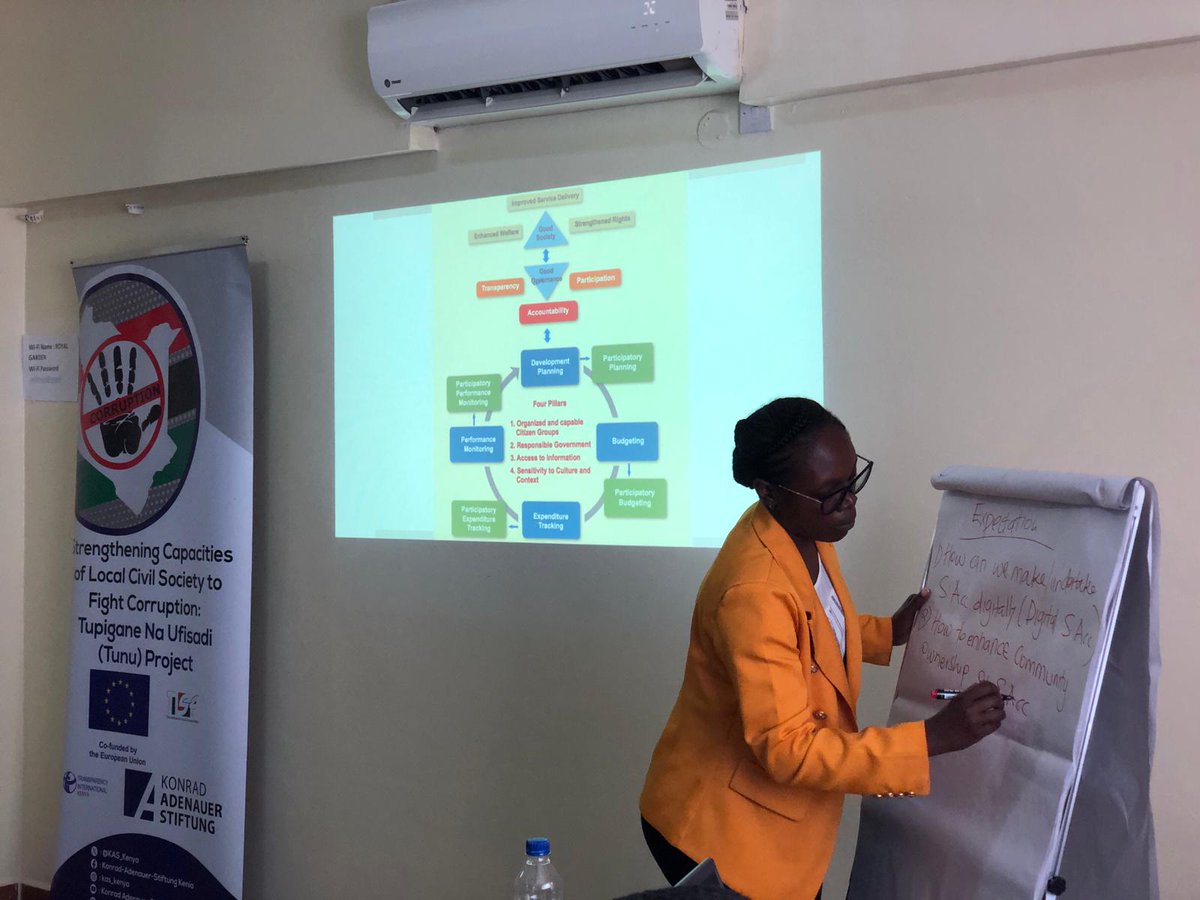
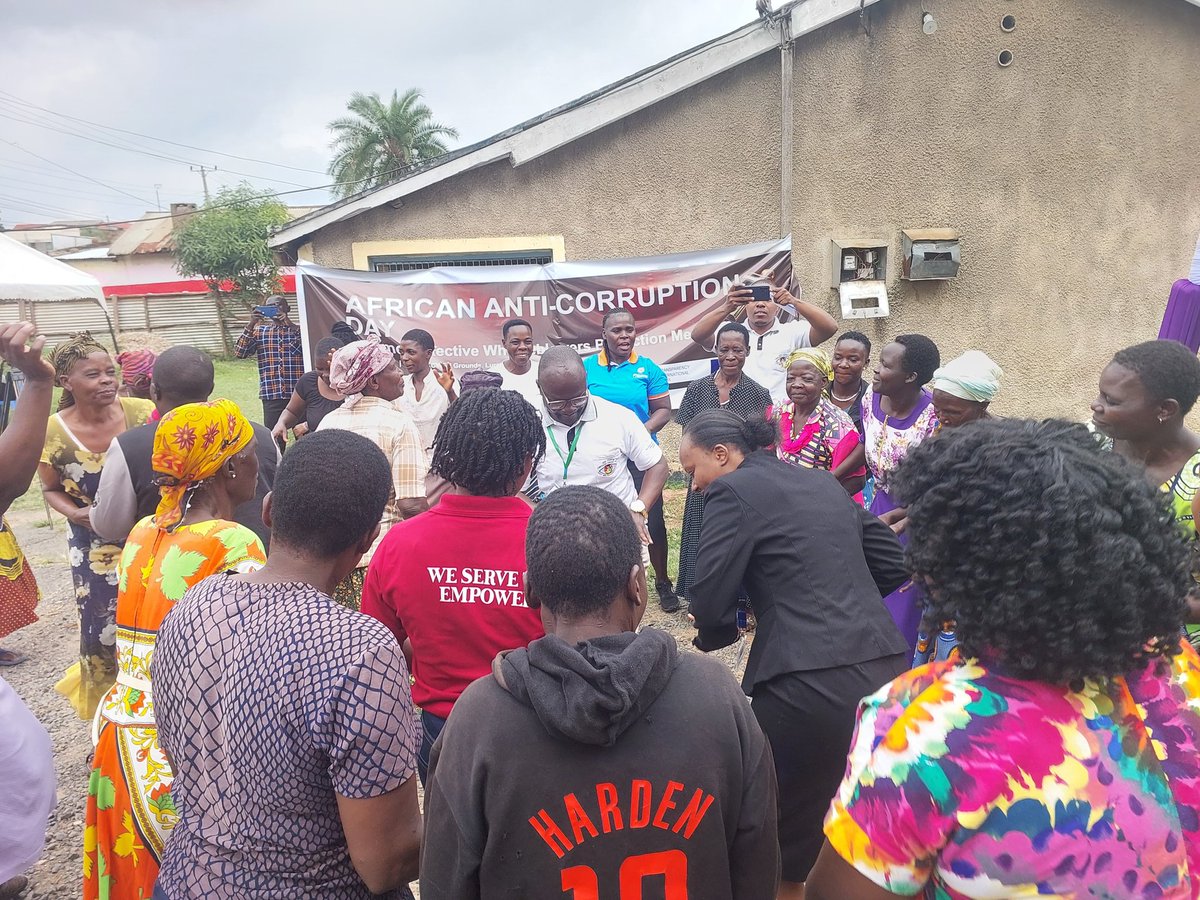
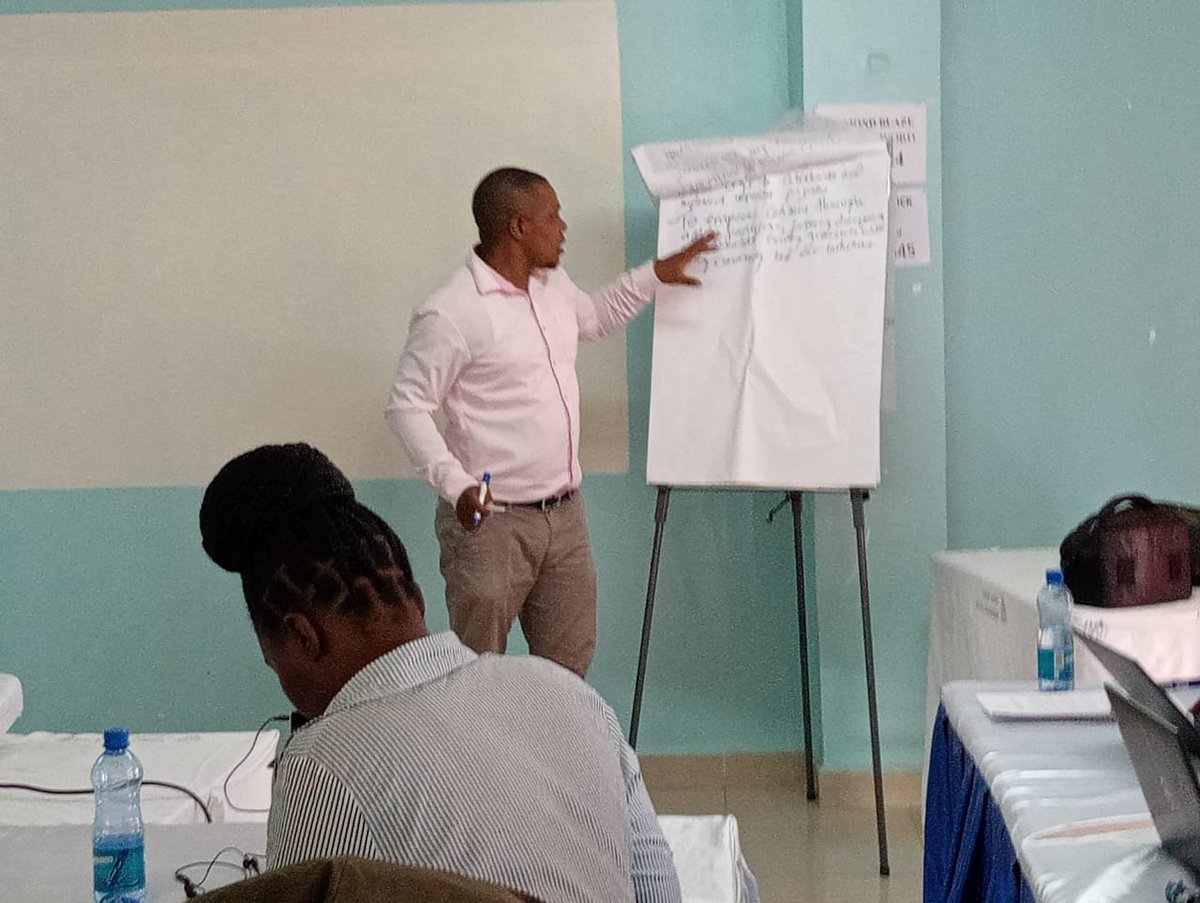
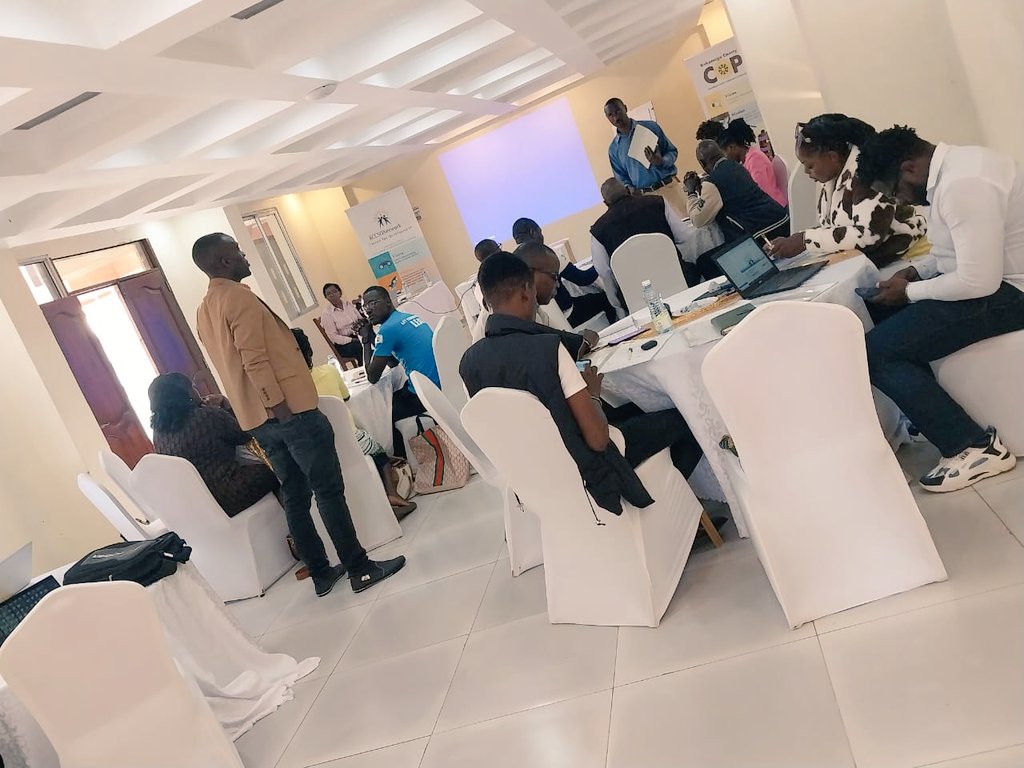
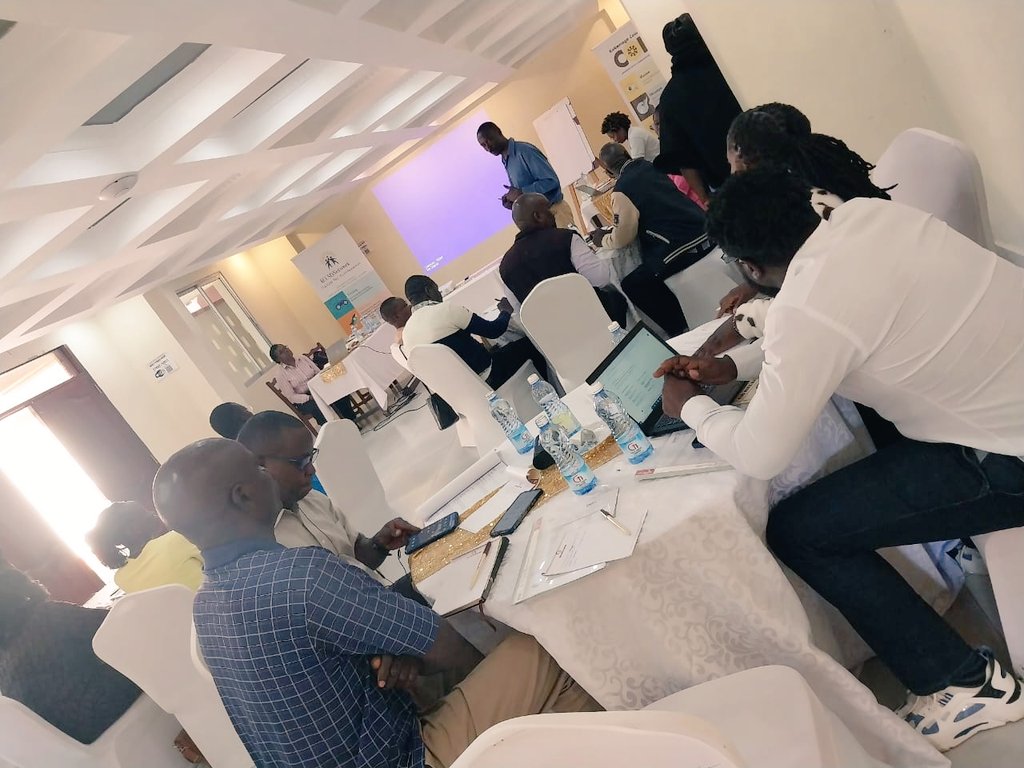
The Kenya Philanthropy Forum's meeting on local resource mobilization in Kakamega today was a huge success. We engaged in deep discussions on local fundraising, financial literacy, community philanthropy, and policy advocacy, among other critical topics. Here are some of the key takeaways:
(i) The persistent underutilization of local resources has been an oversight and a substantial barrier to our economic sovereignty. We can unlock billions in untapped potential by realigning our focus towards local resources—using what we have and strategically enhancing our indigenous assets to fuel our growth and development.
(ii) Global economic fluctuations have repeatedly shown that reliance on external funding and foreign aid is precarious and often unsustainable. We must cultivate robust local economies that operate independently of these external forces. This involves harnessing local resources and creating value chains that enhance the local economy's capacity to absorb shocks.
(iii) Restrictive policies and regulations often hinder effective local development. We must advocate for and implement policies that facilitate rather than obstruct local resource mobilization. This includes simplifying legal procedures for small enterprises, reducing bureaucratic red tape, and introducing tax incentives for local investors.
(iv) True empowerment arises when communities are directly involved in the projects that affect their lives. By involving community members in the planning, execution, and management of development projects, we ensure that these initiatives are grounded in the community's real needs and aspirations.
(v) As we call for increased local resource mobilization, we must also champion transparency and accountability. These principles are vital for maintaining public trust and for the efficient use of resources. Implementing rigorous monitoring and evaluation frameworks will ensure that resources are allocated efficiently and used in ways that maximize community benefit.
(vi) No sector can achieve significant development outcomes in isolation. Strategic collaborations across the public, private, and non-profit sectors are essential for addressing complex development challenges comprehensively. These collaborations leverage each sector's unique strengths and capabilities, ensuring that development initiatives are robust and well-rounded.
(vii) Effective governance is the backbone of successful development. However, without the necessary skills and knowledge, local institutions often find themselves ill-equipped to manage complex projects and large-scale funding. By investing in capacity building—training local leaders, enhancing administrative structures, and introducing advanced management practices—we fortify our institutions against inefficiencies.
(viii) It’s imperative that Civil Society Organizations (CSOs) deeply comprehend and strategically align with government operations. By understanding government thinking and processes, CSOs can enhance their operational efficiency and effectively navigate governmental systems and structures to advocate for community needs.
(ix) We underscored the necessity of uniting diverse organizations under a common agenda. Collaborative partnerships with local governments are essential for effective budget allocation and capacity building. These efforts are crucial in harmonizing our objectives and magnifying our collective impact on community development.
(x) The cornerstone of effective community engagement is trust. By managing resources transparently and demonstrating the tangible benefits of projects, such as improved local infrastructure, we strengthen community trust and ensure ongoing support for future initiatives.
@KCDF @GraceWMaingi @KuriaMs @washevans