Will Marshall
3.7K posts

Will Marshall
@Will4Planet
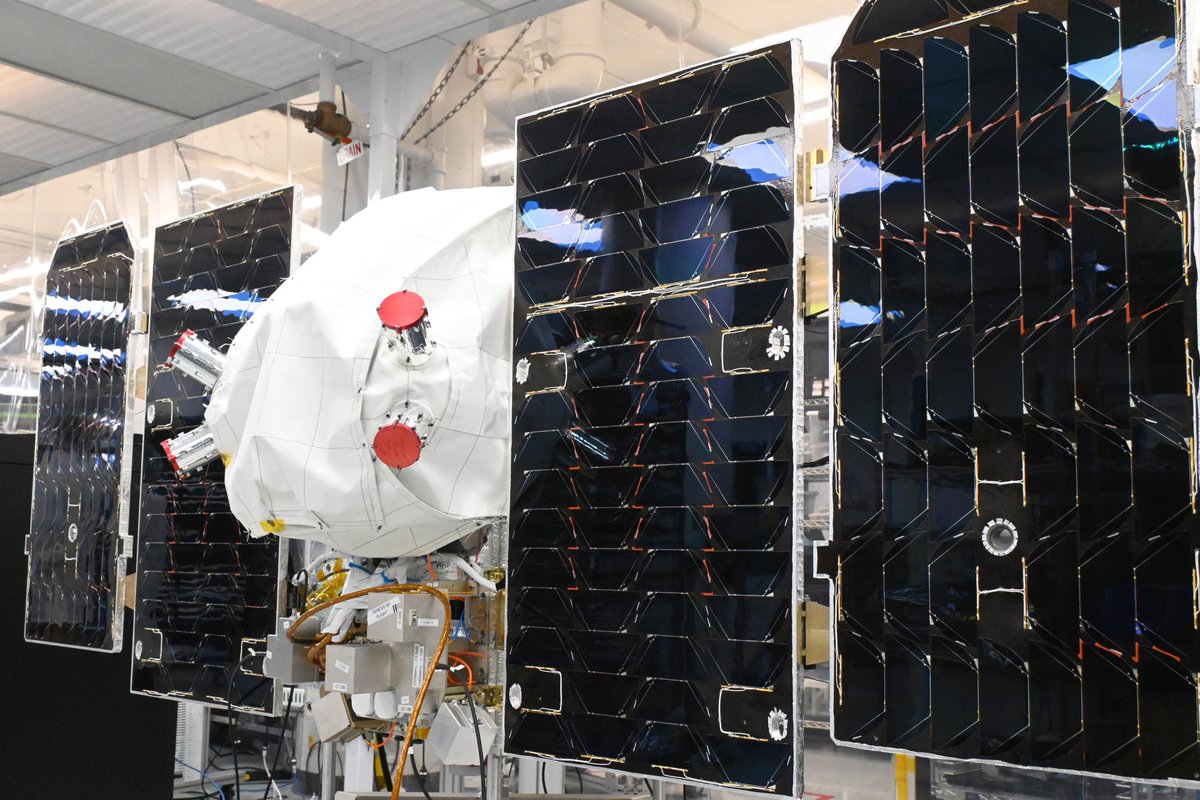
Co-Founder & CEO of Planet -- building little spaceships to help us to take care of our favourite spaceship, the Earth :)

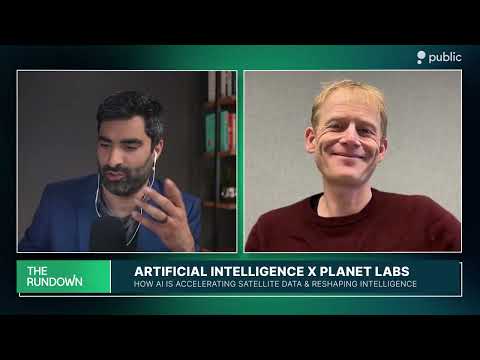

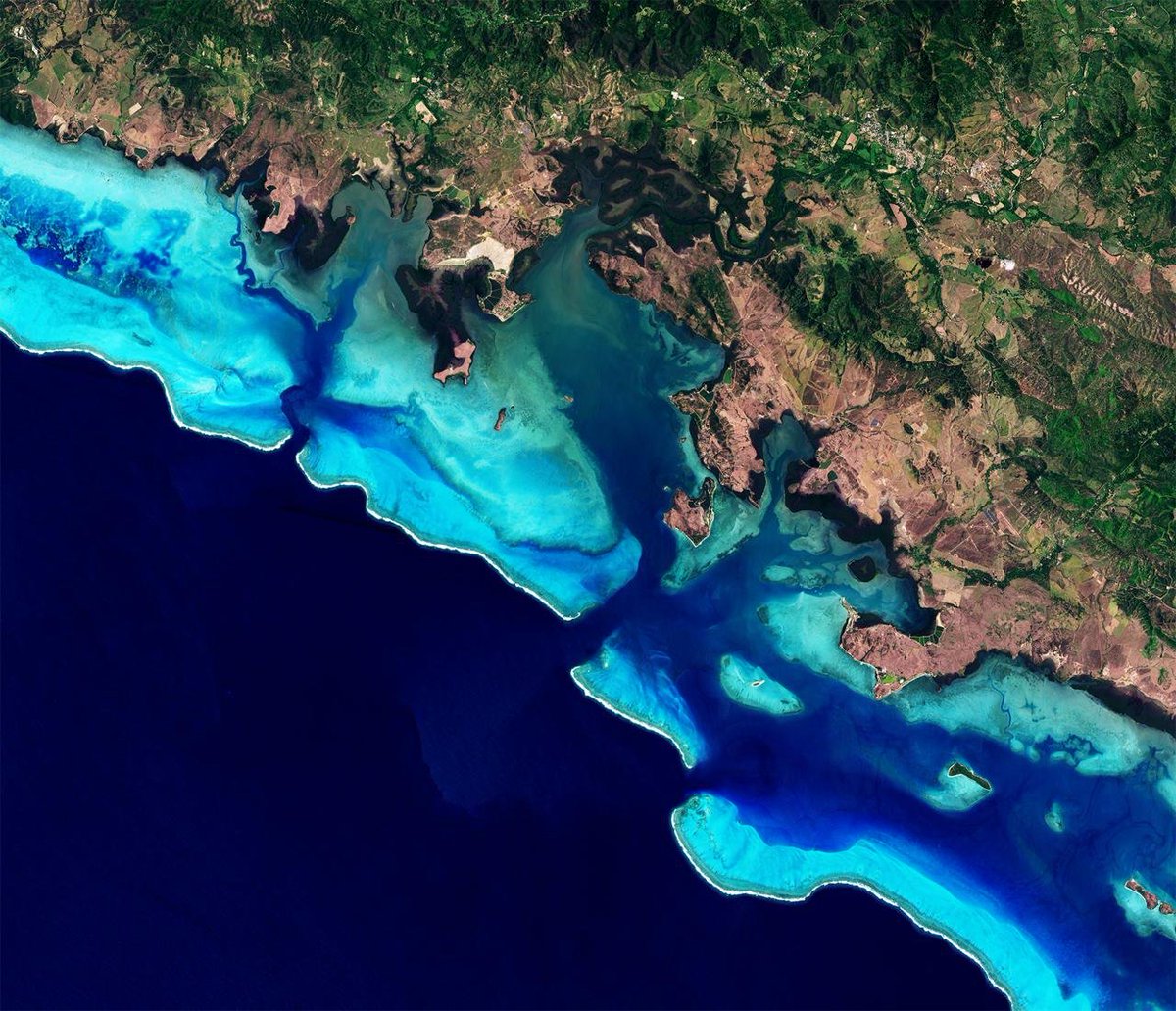
AI has spent years reading the internet, but now it’s time for it to see the world. We’ve been indexing the physical Earth for 8+ years. When you marry this data with foundation models, you move past chatbots to get a queryable Earth. Watch the full breakdown with @Will4Planet on “The Future Of” podcast: freshconsulting.com/insights/podca…

Putting data centres in space is even harder than it sounds ft.trib.al/6vJru7y | opinion


Better data = better protection. By leveraging Planet’s high-frequency satellite imagery, AXA Digital Commercial Platform is giving clients a "ground truth" layer of environmental intelligence, enabling preventative action against extreme weather events. Full details on our strategic partnership here: investors.planet.com/news/news-deta…

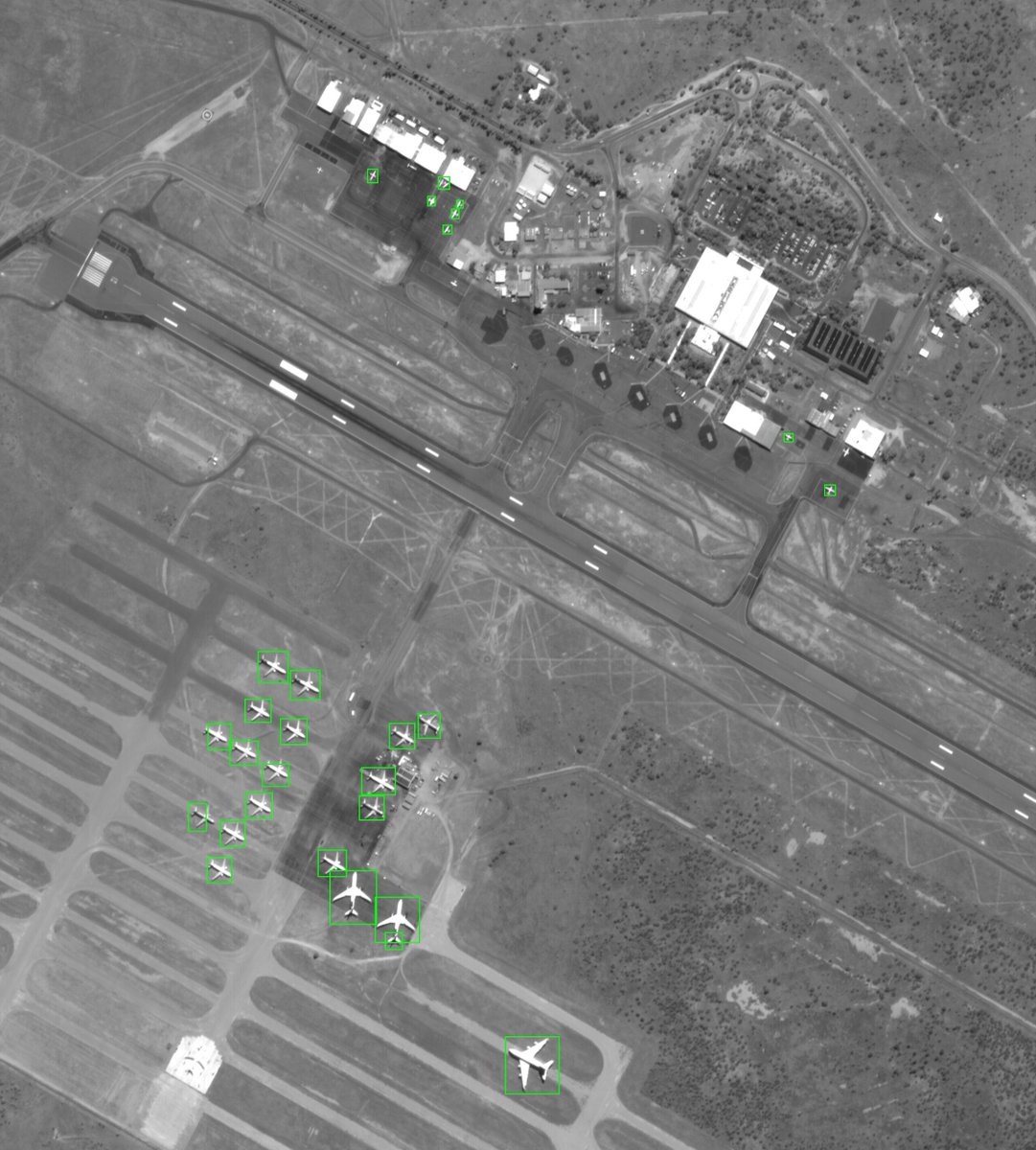
When vessels go dark, Planet doesn’t. Our Maritime Domain Awareness solution uses near-daily satellite imagery and AI to detect, classify, and monitor hidden activity at scale. No signals? No problem. Eliminate blind spots and track dark vessels. Learn more: planet.com/pulse/illumina…

‘The race is on’ The tech billionaire’s desire to put computer infrastructure into orbit is central to his $1.25tn plan to merge SpaceX with xAI. ft.trib.al/izfal3u

For those unaware, SpaceX has already shifted focus to building a self-growing city on the Moon, as we can potentially achieve that in less than 10 years, whereas Mars would take 20+ years. The mission of SpaceX remains the same: extend consciousness and life as we know it to the stars. It is only possible to travel to Mars when the planets align every 26 months (six month trip time), whereas we can launch to the Moon every 10 days (2 day trip time). This means we can iterate much faster to complete a Moon city than a Mars city. That said, SpaceX will also strive to build a Mars city and begin doing so in about 5 to 7 years, but the overriding priority is securing the future of civilization and the Moon is faster.

From satellite imagery to rapid battlefield feedback, open-source intelligence has played a crucial role in offsetting Russia’s conventional advantage in the war in Ukraine. @Will4Planet explains to @shashj, how data has helped to shape Ukraine’s battlefield decisions. Watch the full interview: econ.st/4khqGtR