
Cameron Witkowski

1.4K posts

Cameron Witkowski banner
Cameron Witkowski

Cameron Witkowski

@witkowski_cam

co-founder, ceo @ai_bread 🍞

San Francisco, CA Katılım Nisan 2023
877 Takip Edilen1K Takipçiler
claudia roussel
claudia roussel@claudiaroussel_·
i'm 21, aussie, and just moved to SF last time i was in the US, i got picked up in this NYC street video that went viral the comments were all some version of "this girl would kill it in the US" or "move here!!!" reader, that's exactly what i did. i'm here with all the other displaced Aussies building @superpower, a new health system focused on longevity. a few things about me: - i like electric guitar, ballet, vintage clothing, architecture, and the great outdoors - i have an accent that adds +30 credibility to everything i say - i tend to smile at strangers in the street (which is controversial here, allegedly) if you're in SF and want to grab a coffee or show me your favorite spot, say hiii
claudia roussel tweet media
English
415
34
2.9K
1.3M
Cameron Witkowski
Cameron Witkowski@witkowski_cam·
Anthropic should not be deemed a supply chain risk
English
0
0
1
75
Cameron Witkowski
Cameron Witkowski@witkowski_cam·
@NaomiWalch The only time I use Siri is to show another person I’m talking with how far Apple is behind.
English
0
0
1
24
Naomi Walch
Naomi Walch@NaomiWalch·
Does anyone actually use Siri
English
1
0
1
51
saurabh
saurabh@saurabhtwq·
theses models cannot read pdf btw 😭😭
English
7
0
24
2.5K
Shubham Saboo
Shubham Saboo@Saboo_Shubham_·
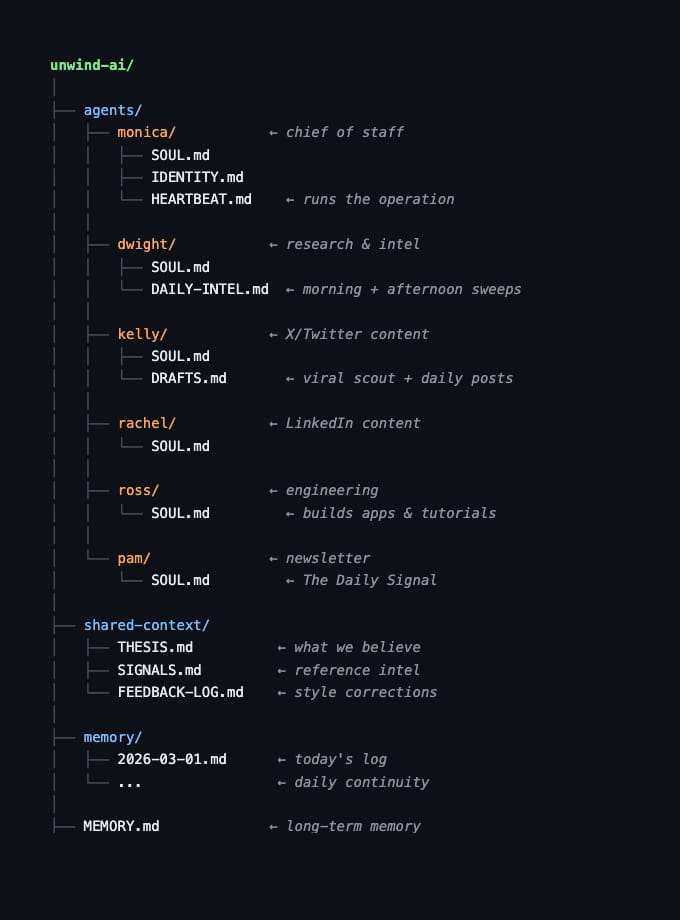
This is what a one-person AI Agent run company looks like in 2026. 6 AI agents. 20 cron jobs. 0 human employees. Every role is a folder. Every job description is a md file. No standups. No Slack. No payroll. Just a directory on a Mac that runs the whole thing.
Shubham Saboo tweet media
Shubham Saboo@Saboo_Shubham_

x.com/i/article/2027…

English
241
397
3.5K
923.1K
Cameron Witkowski
Cameron Witkowski@witkowski_cam·
@shaya_zarkesh You’d think at some point people would stop and say “wait a minute, we DON’T want mass surveillance and autonomous killer weapons”
English
0
0
0
35
Shaya Zarkesh
Shaya Zarkesh@shaya_zarkesh·
I find it disheartening that many people don’t take it at face value that Anthropic is simply a principled company that deeply cares that the most important technology in history is deployed in safe and beneficial ways. Once you let go of the cynicism, Anthropic’s actions make more sense. I hope situations like this help rid people of that cynicism.
Anthropic@AnthropicAI

A statement on the comments from Secretary of War Pete Hegseth. anthropic.com/news/statement…

English
1
0
6
329
Cameron Witkowski
Cameron Witkowski@witkowski_cam·
It’s obviously not the same deal. Gov will do what they want and sam will let them. Ant wins in public opinion
English
0
0
2
81
Cameron Witkowski
Cameron Witkowski@witkowski_cam·
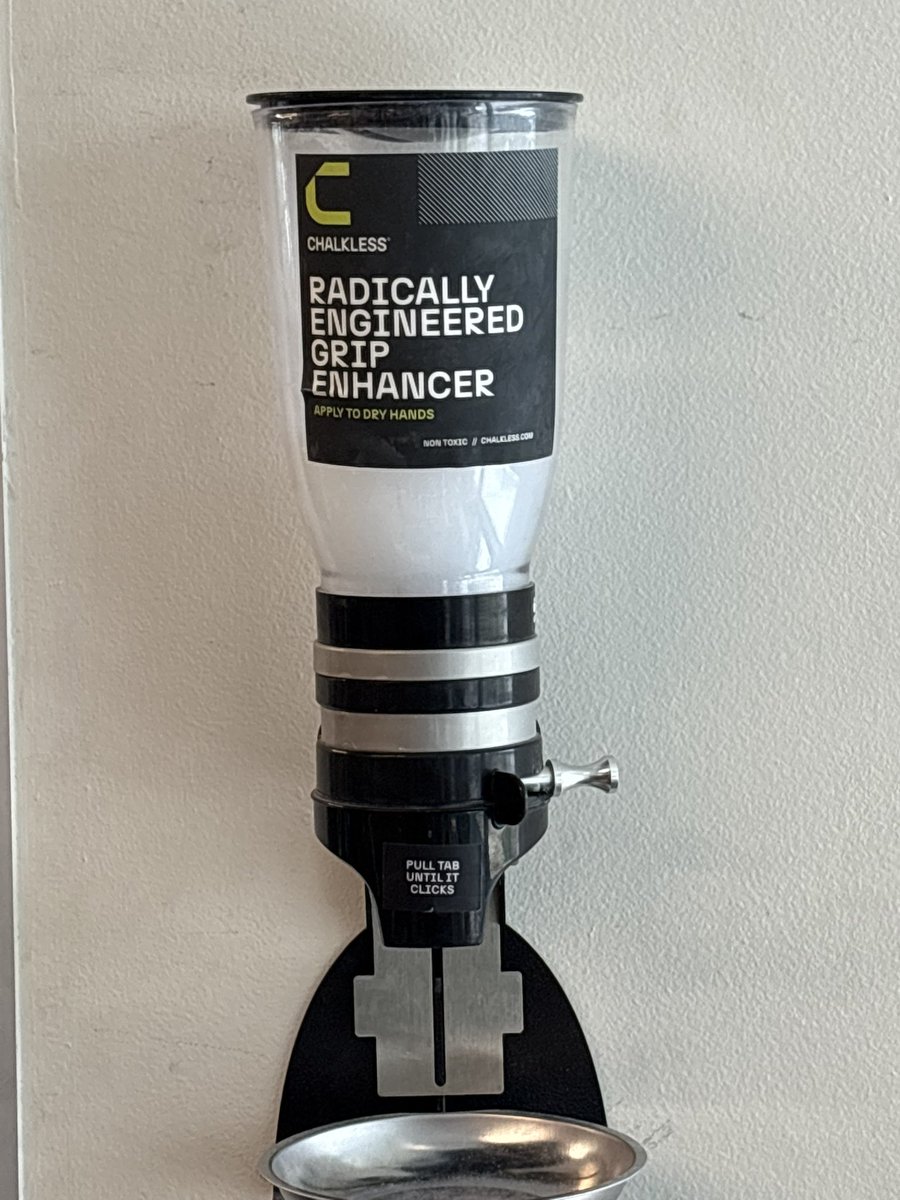
Only in sf do you find chalkless chalk
Cameron Witkowski tweet media
English
0
0
3
56
Cameron Witkowski
Cameron Witkowski@witkowski_cam·
This
Garry Tan@garrytan

Boil the Oceans You know the phrase: “don’t boil the ocean.” Everyone’s said it in some overly ambitious meeting. It’s good advice in normal times. It keeps teams focused. It prevents scope creep. But we are no longer in normal times, and I think it’s time to retire saying it. Artificial Superintelligence means it’s time to boil the ocean. We’ll start with a few lakes first. I was recently with a university endowment’s head of private investing who told me their engineers were terrified for their jobs after seeing what Claude Code could do. And I get it — that’s the natural first reaction. But it’s the wrong one. It’s a zero-sum reaction to a positive-sum moment. Instead of worrying about doing the same thing we’ve been doing for cheaper, why not focus on doing the thing we never even dreamed of doing? Why can’t that endowment achieve 50% net IRR instead of 10%? Why can’t a startup deliver a service that is 100x better than the incumbent? Why can’t we have fusion energy? Why can’t we talk to every single user and have a perfect understanding of every bug in our product? These aren’t rhetorical questions anymore. They’re engineering problems with paths to solutions. Here is what I think is actually going on with the fear: our fear of the future is directly proportional to how small our ambitions are. If your plan is to keep doing exactly what you’re doing, then yes, a machine that can do it faster and cheaper is terrifying. But if your plan is to do something dramatically bigger, then the machine is the best news you’ve ever gotten. If you’re a worker — someone who trades labor for a living — this is the moment to become a builder. Start a business. And if you’re already management or capital, it’s time to go 10x more hardcore on what your aspirations could be. Not eking out 5% efficiency gains. Not increasing profit margins 2% by lowering cost and firing people. Those are the old games. The new question is: what would it look like to build a product or service so good that people would happily pay 10x what they pay now? The net result of this is more jobs, not fewer. As Ryan Petersen likes to say, the human desire for more things is absolutely limitless. We can actually fulfill that desire now — if we have the agency to prompt it for ourselves. Buckminster Fuller coined the term “ephemeralization” in 1938: doing more and more with less and less until eventually you can do everything with nothing. His entire vision of progress was about technology enabling radical expansion of human capability through dematerialization. He traced this from stone bridges to iron trusses to steel cables — each iteration stronger, longer, lighter, cheaper. He wasn’t describing job destruction. He was describing civilization getting better at being civilization. This is Jevons Paradox for everything. When you make a resource dramatically more efficient, you don’t use less of it — you use vastly more. Steam engines didn’t reduce coal consumption. They made coal so useful that demand exploded. The same thing is about to happen with intelligence, with labor, with every service and product we can imagine. But Jevons Paradox doesn’t activate on its own. It requires capital and management to actually raise their ambitions — to boil lakes and oceans instead of drowning them in committee That’s what startups have always been good at: moving fast in the face of radical uncertainty, building for the 10x future while everyone else is optimizing for the 1.05x present. Time to start.

English
0
0
1
150
Cameron Witkowski
Cameron Witkowski@witkowski_cam·
@RicardoMonti9 @kellerjordan0 I wouldn’t say discard its effects. But new paradigms because in ICL the model doesn’t change (unlike when humans study for a test, read the news, etc), among other reasons. A purist might say it’s “not really learning”
English
0
0
1
43
Keller Jordan
Keller Jordan@kellerjordan0·
Hinton, LeCun, and every other neolab: Gradient descent is fundamentally broken. It needs thousands of examples to learn what humans do in only a few. It’s time to start looking for a radical new learning paradigm to close the gap. In-context learning: Do I mean nothing to you?
English
51
33
820
114.5K
jae
jae@jaegpark·
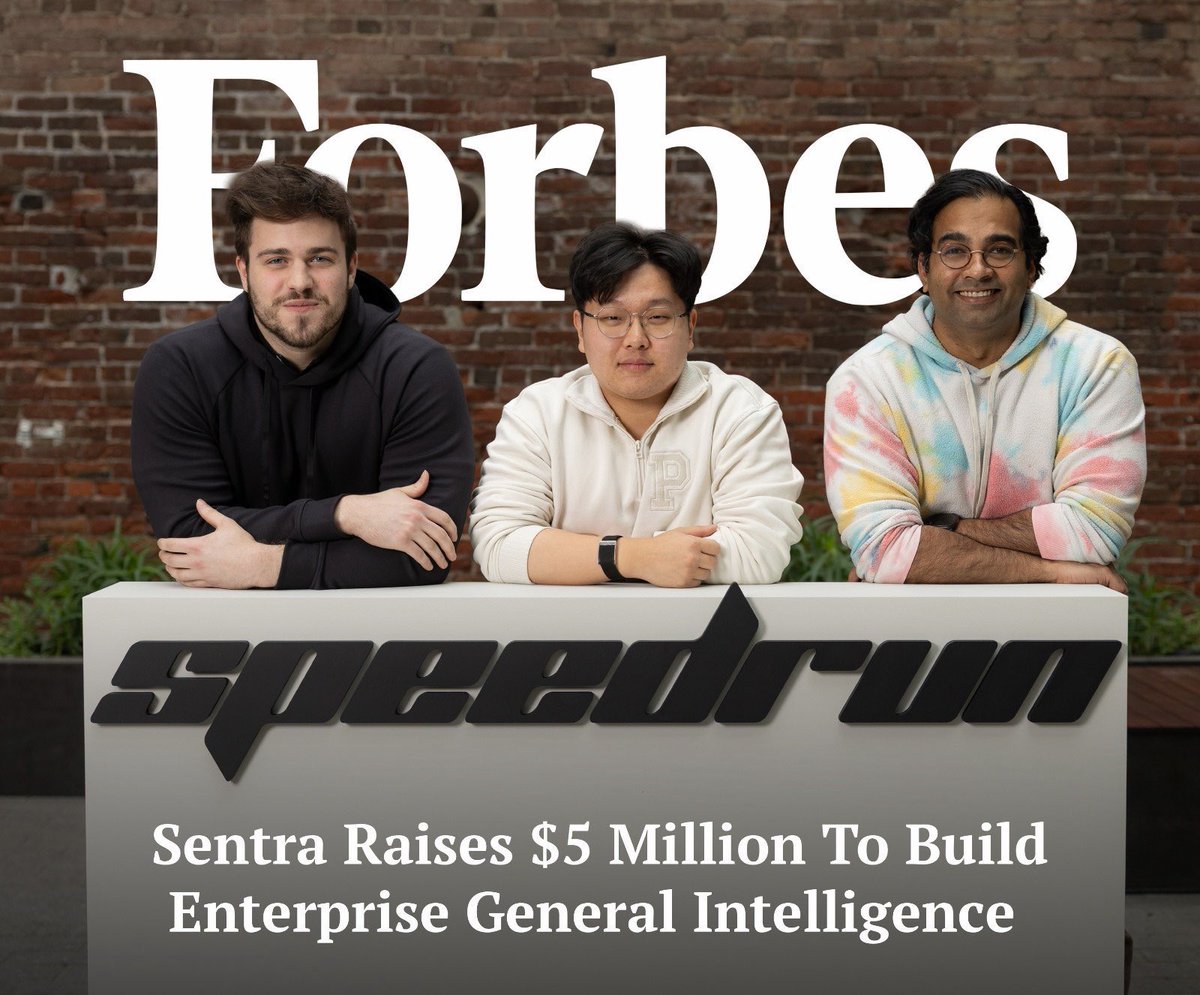
Every conversation, decision, and debate your company has today is context you’ll wish you had tomorrow. Most companies let it evaporate. The best ones are starting to capture it. @sentra_app is building the essential memory infrastructure for them. @Forbes wrote about what we’re building. Read below 👇
jae tweet media
English
30
14
93
6.1K
Cameron Witkowski retweetledi
gaut
gaut@0xgaut·
"the ai agents are doing what?"
gaut tweet media
English
100
488
6.3K
173.3K