

ラスカル
496 posts

見かけた話。
彼氏の実家に初訪問。
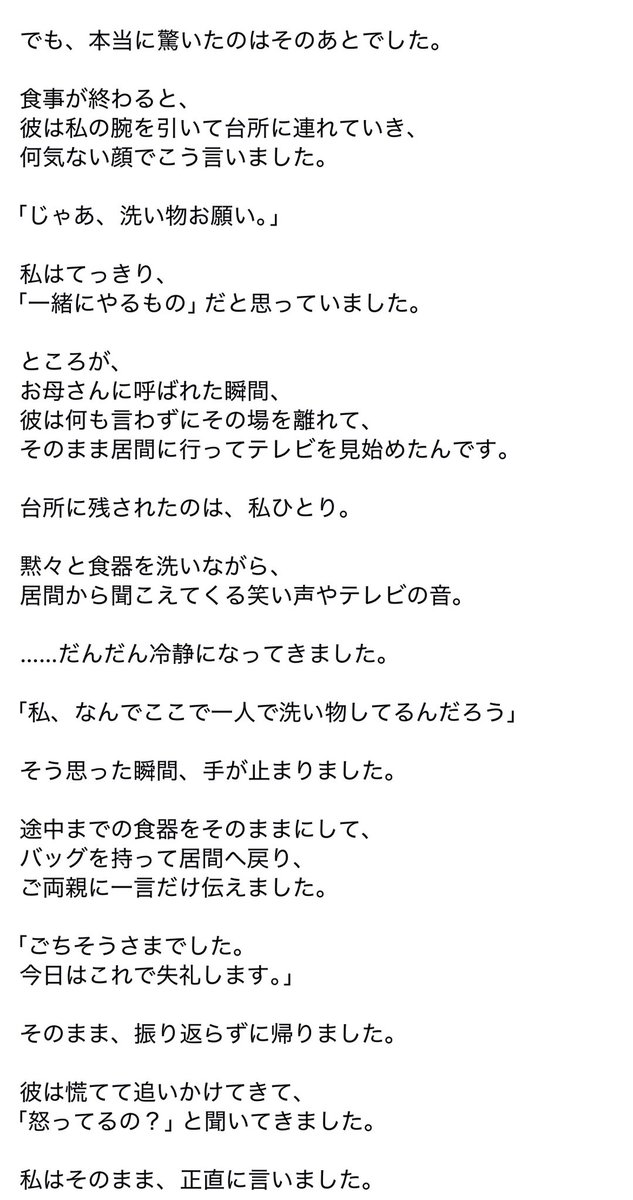
食事後に「洗い物お願い」と言われる。
しかも彼はテレビ見てて、
台所に残されたのは彼女ひとり。
いや、結婚もしてないのに
なんで“嫁ポジ”やらされてるの?
普通に召使い扱いでは?
これはないわ…
みんなどう思う?



日本語
@Ai985k4zNa5972 @Redips00 ほんそれ。女が選んだ結果じゃん。
どんだけ女のこと馬鹿にしてんだろ。巻き込まないで欲しい。服ひとつ自分で好きなものを選べない、しょうがなく男から強制されたものを着てるって!?女がそんな馬鹿だと思われるのは迷惑。
日本語


女性の服のポケットない問題や、やたら体の線を強調する問題や、生地がペラペラ問題について
「それは今まで女性の服にその手の需要があったからだ」という意見を見たけど、その需要とやらは女性の需要じゃないよねぇと思いました。
時々男性側が変な需要を言い出すからそれじゃね?
(透けないナース服はダメだとか)
赤ネコ@弁護士兼マンガ家@Redips00
女性の服のポケット問題がこんなにあちこちの国共通してたなんて…。 こんなにTwitterすごいと思ったことないよ。
日本語




Japan friends!
I asked a few days ago about your Gods, and got told a lot about Yokai as well!
this interests me... Can you tell me about one that interested you when you heard about it?
I just heard about one I think is called "BetoBeto-san" who is that sound of footsteps you can sometimes hear following you home, but you look and nobody is around
Did I get that right? It's supposed to be non harmful from what I read
English


キリスト教はユダヤ教、イスラム教と共に一神教と言われ、たった一人の神を信じていると思われているけれど(特に日本では)、内側にいる人間から見れば決してそんなことはないのです。クリスチャンが100人いれば100人のイエス様がいる。国により教派により教会により年齢により性別により、みんな違う
日本語
@ema_credo 処女懐胎って、キリスト教徒的にそんなに重要視すべきところなの?処女懐胎してようが、どうでもいいのでは…。そんなことよりもっと、教えの方が重要じゃない?信じるポイントがおかしくない?
改宗を説得するのに、そこを強調されてもピンとこない。むしろ処女信仰が透けて見えて嫌だ…。
日本語
キリスト教に限らず、宗教とは論理を超えた世界を信じることだから、それを論理的に批判しても意味がないのです。神の存在もマリアの処女懐胎もキリストの復活も論理的に批判することはいくらでもできる。信じない人は信じない。しかし我々はそれをただ信じている。信じることに意味があるからです。
日本語
@ifihaveit そんな事になったら、同性愛者へのヘイトが高まるだろう。
例えば兄が死んで、親族誰も知らない男が現れて、「結婚してましたから遺産を半分貰います」とか言い出す。ホラーだ。
婚姻届を出すなら、親族友人知人など周りにしらせるべき。やらないのならただの家族ごっこ。恋人関係で満足しときなよ。
日本語

アウティングの禁止と同時に同性婚が法制化された社会を想像すると、ちょっと恐ろしくないか?
虹ヤクザは両方求めているわけでしょう?
闇のapj@apj
勝手にカミングアウトしてきて、聞いた秘密は一生守れできなきゃ処罰だと言われても、誰だってそんな重荷背負いたくないよね。アウティングを禁止するなら、カミングアウトも同時に禁止しないと、聞きたくも無い他人の性的指向を一方的にきかされた側がたまらんわな。一体何の嫌がらせで他人にそんなことカミングアウトするんだよ、って話でしかない。
日本語
@jinushimusume もっと企業が柔軟性のある勤務体系にしろよ!とずっと思ってる。少子化の原因は企業。
核家族に専業主婦1人は多すぎる気もする。もっと拘束時間が短い働き方なら可能だし、実際パートしてそれを実現している家庭は多い。
祖父母と近居または3世代同居が1番いいのかも。
日本語

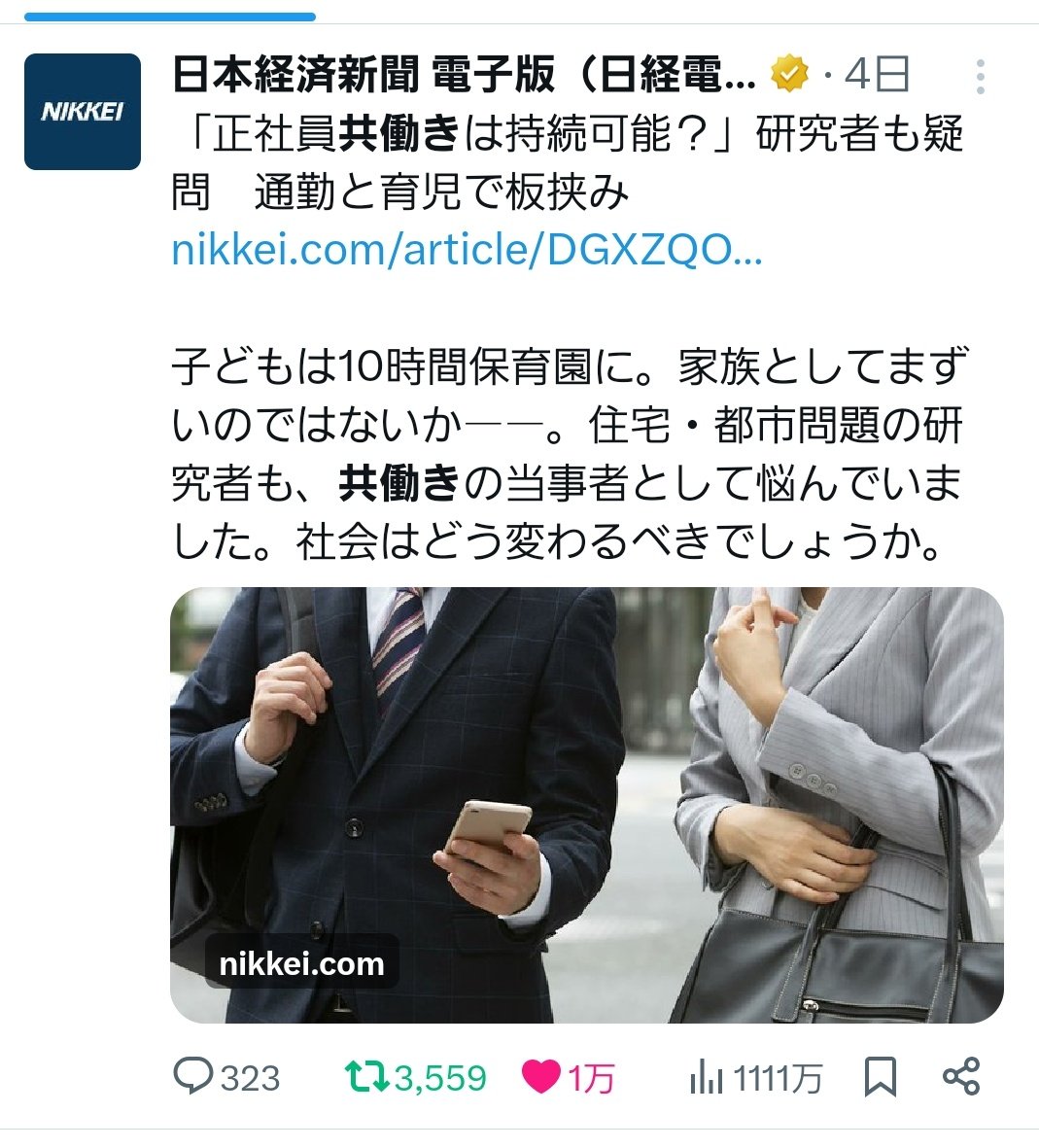
@sironeko_mind 昼休み含め9時間拘束、通勤時間を含めると11時間はザラ。残り13時間のうち、7時間は睡眠。残り6時間で家事育児ご飯風呂。
こう考えるとえぐい。
通勤時間という無駄を省くだけでかなり助かる。出社必須なら時短勤務を選択する自由欲しいわ。
日本語


pisadataexplorer.oecd.org/ide/idepisa/
なるほど。日本では,母親の専業主婦率は(非大卒<大卒」となっている。
こういう国は,日本と韓国だけ(斜線より上)。
超受験社会で,多大な教育投資を強いられるのにモッタイナイ。こうだから,親は「お金かけて,女の子を大学にやっても・・・」となるのか。

日本語


やぁ、アメリカの兄貴たち。
面接に来た人物が本当の日本人なのかを判断するには、こんな質問をすると良いよ。
質問1「侍の言葉遣いで名乗って下さい」
質問2「桃が河を流れてくる様子を何と表現しますか」
質問3「かぐや姫はどこに帰って行きましたか」
これらを即答できない相手は怪しいよ
日本語


@megane__fire 親元から出て一人暮らしする時不安だったけど、慣れたらすごく快適だった。暫くしてから実家に帰った時、親と同居するのがストレスだったけど、慣れたらすごく快適に。暫くしてから結婚し、伴侶と生活でぶつかる事もあったけど、慣れたらすごく快適。そんなもんです。一回くらいは結婚しとけばいいよ。
日本語


全般にキリスト教の「部外者」「異教徒」として感じてることなんだけど、
【キリスト教を奨める人が最初に持ってくるキリスト教の概念が、複雑すぎ、難しすぎ、副読本の熟読を求めすぎて、よく分からない】
ってのはありそうな気がする。
日本人でキリスト教について、一切まったく触れたことがなく、概念も何もかもまったく知らない、という人は恐らく少数派だとは思う。
なぜなら、「キリスト教由来の行事」に触れれば、何となくアウトラインを知る機会はある。
キリスト教圏で作られたコンテンツを見れば、「これがキリスト教に根差しているのかな」と察することはできる。
国内で作られた「断片的にしか触れていないもの」だけを見て、「これが真実のキリスト教ッ!」って思う人は、まあそんなにいないとは思うけどw、登場人物、神話的出来事、逸話なんかに断片的には触れている。
でも、そういう「断片的には知っている」のでは駄目なんだそうで、正確に全て言えるようでなければキリスト教を分かったことにはならない、と。
【じゃあ、とりあえず要点を3行にまとめて教えてくれ】
または、
【コミカライズ版があったら教えてくれ】
とか思っちゃうんだけど、恐らくこれでは語りきれないから、マタイがー、出エジプト記がー、創世記がー、黙示録がー、っていう「末節の引用」がどかどかきて、興味を失ってしまう。
要点を簡単にまとめたものは、結局、「事前に知った断片的なコンテンツ」と大差ないんだけど、「でもそれじゃ駄目だ」という。
結局、真に理解しようと思ったら、バチカンでバッチバチにやれる現役の神学論者になるくらいまでいかないと、「分かった」ことにはならんらしい。
切りがないので、一般レベルの信者の人に話を振ると、
「神Godの愛は正義なんだから疑わずに真に受けておきゃいいんだよ」
くらいまでハードルが下がるんだけど、たぶんそれだと理解したことにはならんらしい。
結局、得体が知れなくてつかみ所がないので、仕方なく自分で聖書読んでみることにして、実際自分で読んだ。
やたらと聖書を学びませんかとか、推してくる勧誘の人が多くて辟易してたので、「先入観なしで一度は見とくか」と思ったから。
で、感想はこう。
「読み物としてはなかなか面白かったので、前日譚の旧約聖書も読んだ。理不尽が多くて好みだった。新約のほうは、愚痴と恨み言が結構出てくる印象だった。もっとこうしたらいいのに、と思う場面が幾つもあったけど、それは自分が既にできあがった別の価値観を踏まえて読んでいるからだろう、と思った。もしも自分がキリスト教徒になるとしたら、とりあえず僕の頭ぶん殴って記憶喪失になって今の価値観を全部一端消して、そのうえで周囲にキリスト教徒しかいない修道院か何かで、外界から完全に遮断して修行生活を送ればワンチャン行けそうな気がした」
かつて、聖書(ギデオン版だったかと思う)を読んでみて得た感想は概ねこれ。
でも、「日本人向けに奨める人が、うまく説明できているのを見たことないなー」てなった。
その後、布教を試みる人々のほぼ全てについて、そのように思った。
なので、「掴みの部分で分からせやすく説明できない」のは、オリジンに問題があるのか、副読本が足りないせいか、布教者のスキルの問題か、競合するライバルのせいか、というのを考えた。
この場合の競合するライバルというのは、「日本に土着している信仰心(特定の宗教に正確に阿っている訳でもないのに、キリスト教には靡かない価値観)」になるんだけど、まあ結局、
「さして興味が湧かなかった僕がそれを代わりに考えるのは烏滸がましいし、真面目に考えてる人こそが取り組む問題じゃね?」
ってなったので、そのまま棚上げしている。
Luna Protege@luna_protege
I think there’s an irony, in that the bible itself practically starts with a scenario of “how humans know good” that is unrelated to “knowing god”. Eating the “Fruit of Knowledge of Good and Evil”. Someone was able to parse out some wisdom from the story that can be applied to secular contexts. Basically, when they ate it and “realised they were naked”, if you think about what it means to feel naked, it’s to feel vulnerable. In other words, to know evil is to know how you can be hurt, and by extension how to hurt others. To know good is to know how to make up for the weakness of yourself and others. Half the reason I bring this up is because bringing up that story could become be a rather stinging rebuttal to the ones who claim that you need to know god to know good. The other half is that, unpacking the story like this demonstrates a good reason why the Japanese have such good morality without Christianity. They live in an incredibly fickle environment that forces them to be aware of how easily they can be harmed by natural forces, and basically have to rely on each other to withstand that. Helping protect each other thus becomes expected, and piling on more troubles than what they already have to deal with is viewed with even more scrutiny than in places with more stable environments.
日本語
