Matthias Melcher

421 posts

Matthias Melcher

Matthias Melcher

@x28de

Moved to https://t.co/AIF4k7zfua IT veteran, Think Tool "https://t.co/eGNFyRXPfh", E-Learning, Heidelberg

Katılım Ocak 2009
0 Takip Edilen94 Takipçiler
Matthias Melcher
Matthias Melcher@x28de·
A recent paper by @gsiemens et al. focussed on "artificial cognition as extending and augmenting human cognition", and here is a wonderful example of how to do it.
Deniz Cem Önduygu@denizcemonduygu

Can artificial intelligence classify philosophical ideas? I asked #GPT3 (not ChatGPT) to offer me tags for the 1603 sentences in my History of Philosophy and wrote a detailed post about the results, trying to measure GPT-3’s success in different ways: denizcemonduygu.com/philo/getting-…

English

0
0
1
0
Extended Brain
Extended Brain@Extended_Brain·
From tags to analogies: A good #PKM or @TfT should support various modes of thinking: concept maps, tag hierarchies, relations, analogies, inferences, and perhaps transformer-type attention mechanisms. lex.page/read/3342f486-… (a corrected version of my earlier thread)
English
1
0
1
0
Deniz Cem Önduygu
Deniz Cem Önduygu@denizcemonduygu·
As with everything in this project, tagging is not finished; it’s a manual process that I’ll continue to carry out. My initial plan was to make their default visibility ‘off’, but now I think they’re too useful to stay hidden in the Menu. Hope you enjoy: denizcemonduygu.com/philo/browse/
English
1
0
5
0
Deniz Cem Önduygu
Deniz Cem Önduygu@denizcemonduygu·
Very happy to announce another batch of interface upgrades for my History of Philosophy, this time accompanied by the introduction of a new content type as well: Sentence tags! Full details: denizcemonduygu.com/philo/interfac… Quick info about tags ↓
English
2
5
25
0
Deniz Cem Önduygu
Deniz Cem Önduygu@denizcemonduygu·
@x28de @ChrisAldrich Thank you. I also want to check out other 2d structures (force-directed graphs etc) once I'm roughly done with the UX-UI design-development of the current one – nearly there. :) I doubt they'll replace the linear version but they can be additional ways of exploring.
English
1
0
2
0
Andy Matuschak
Andy Matuschak@andy_matuschak·
It's a trope that readers wildly overestimate the cognitive value of highlighting, but I have a lot of sympathy for highlighting as a purely expressive gesture. It's a (feeble) avenue for reacting or participating in the face of a static, immutable block of someone-else's-text.
English
20
12
298
0
Jorge Arango
Jorge Arango@jarango·
Each of the “stickies” in the previous screenshot can contain extensive notes. I can also create various types of links between them. For example, I’ve tagged some notes as being about tools, others are stories, others contain how-to instructions, and so on.
English
2
0
2
0
Jorge Arango
Jorge Arango@jarango·
One of the neat things about working on a book about note-taking is that I’m writing about a key part of the writing process itself. In this short thread, I’ll give you a peek behind the scenes to see how I use particular apps to think and write. ✍️🧠🧵
English
1
5
32
0
Matthias Melcher
Matthias Melcher@x28de·
Many thanks, especially for the explanations on consensus.
English
0
0
0
0
Matthias Melcher
Matthias Melcher@x28de·
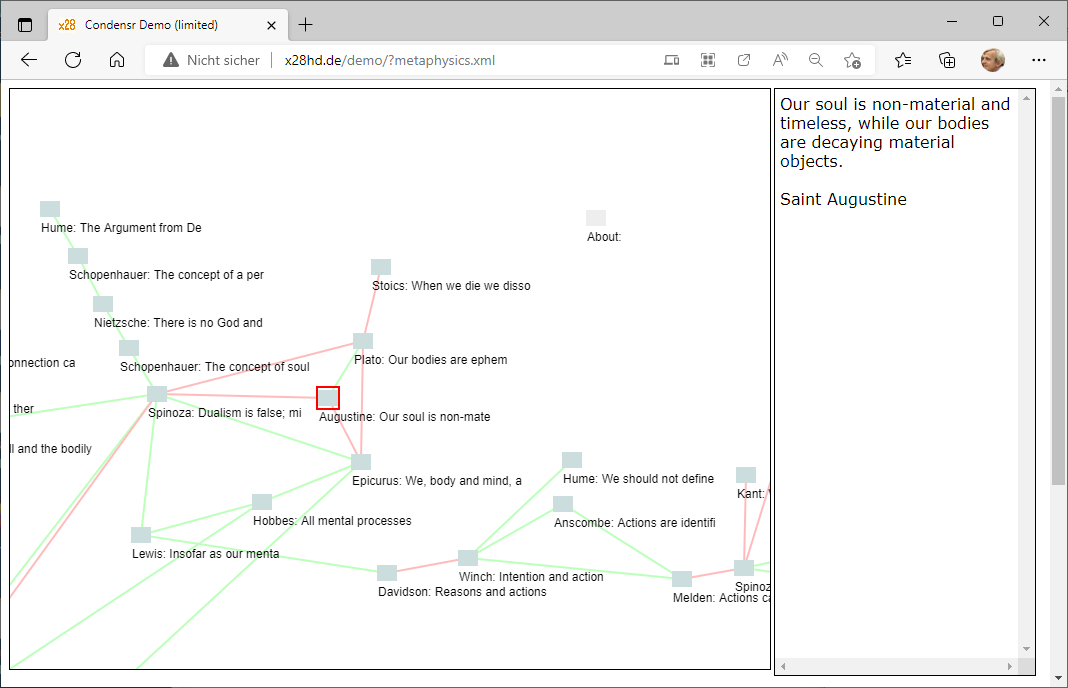
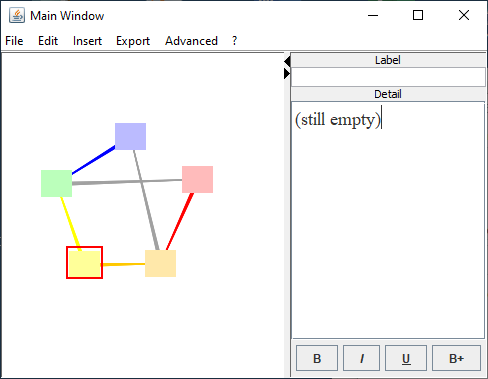
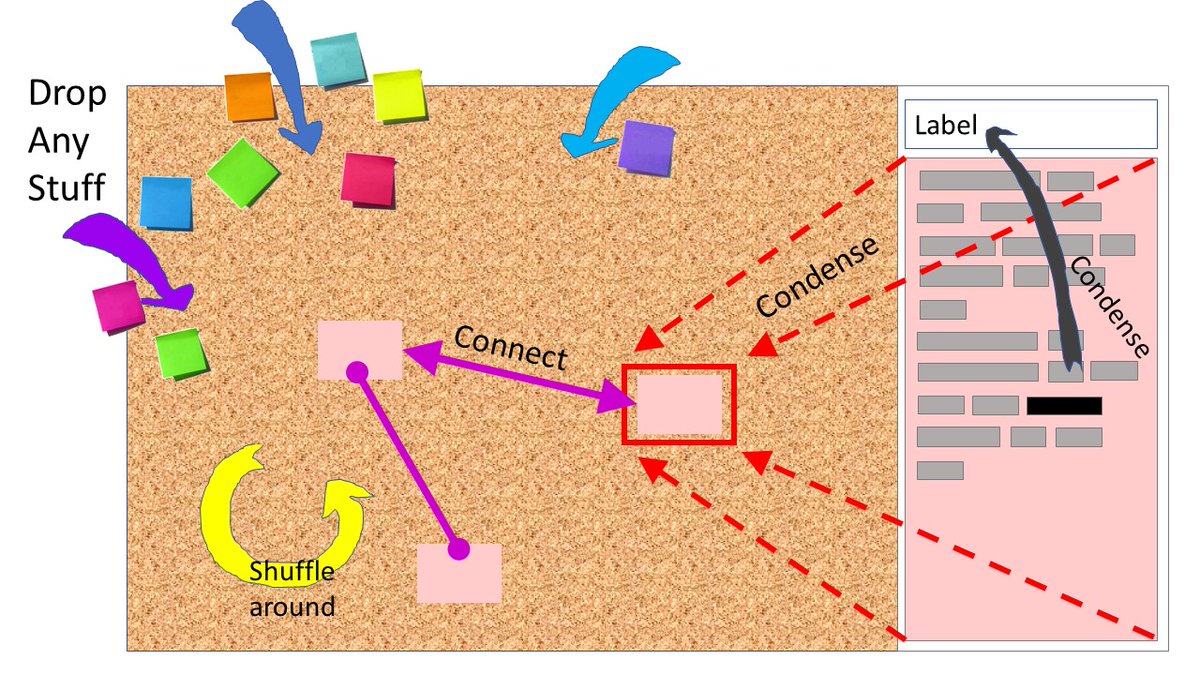
My tool has now a new Release and an updated User's Manual. But it is still a passive tool, like a hammer, not an active, distracting, patronizing and pampering prosthesis. #ToolsForThought
Matthias Melcher tweet media
English
0
0
1
0
Raymond D Sims
Raymond D Sims@rsims·
To inform evolution of my Personal Knowledge Management (PKM) System, I looked at what others built. The workflow diagrams in this thread range from simple, as in my own, to complex with 10+ apps (from some most visible PKM thought leaders). Please reply with more examples ⬇️
English
18
9
30
0
Jorge Arango
Jorge Arango@jarango·
I'm having fun reading Jakob Nielsen's 1990 book on hypertext. It's cool to revisit the state of the art then — including lots of monochromatic HyperCard screenshots. Of course, it's pre-WWW. But many principles are still sound.
English
3
0
7
0
Matthias Melcher
Matthias Melcher@x28de·
@jarango @saliemchiu What else? Perhaps Dillon's 1996 "Myths, Misconceptions, [...]" which attacked e.g. "Myth 1: Associative Linking of Information Is Natural in That It Mimics the Working of the Human Mind". In: Rouet et al. Hypertext and Cognition, Erlbaum
English
1
0
2
0
Matthias Melcher
Matthias Melcher@x28de·
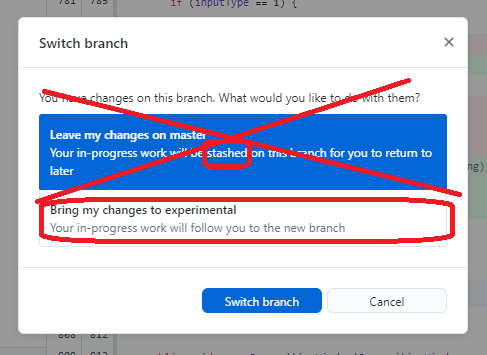
New blog post: Minimal GitHub for reassurance.
Matthias Melcher tweet media
English
0
0
0
0
Matthias Melcher
Matthias Melcher@x28de·
Following Ben Werdmuller's and Stephen Downes's example, I have posted my OPML file on GitHub.
English
0
0
0
0